
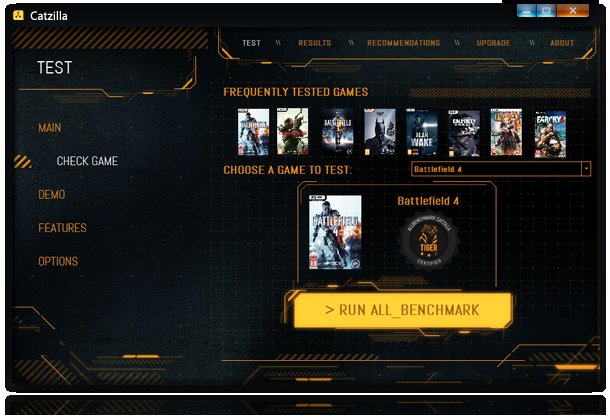
To determine if you can run it games, you need to check your computer’s specifications against the game’s minimum and recommended system requirements.
Ever felt that pang of excitement for a new game, only to wonder if your trusty PC can handle it? It’s a common gamer dilemma, and that’s where the question of “can i run it games” pops up. Figuring out if your machine meets the necessary hardware requirements can be tricky, with lots of numbers and specs involved. Let’s explore how you can confidently know which games will play smoothly and which might cause some frustration.

Can I Run It Games: Your Guide to PC Gaming Compatibility
Ever get super excited about a new game, only to download it and have it run like a slideshow? That’s no fun! Before you spend your money and time, it’s smart to check if your computer can actually handle the game. This is where the phrase “can i run it games” comes in. It means checking to see if your computer has the right “parts” to make a game work smoothly. Think of it like trying to fit a big puzzle piece into a small space—it just won’t work!
Understanding PC Game Requirements
Every PC game has a list of requirements – things your computer needs to have to play the game properly. These requirements are basically a checklist of your computer’s abilities. They include different aspects of your computer’s hardware, which are like the different organs that make your computer work. Understanding these is essential for knowing if you can actually run a game.
Minimum Requirements vs. Recommended Requirements
You’ll usually see two sets of requirements:
- Minimum Requirements: These are the bare minimum your computer needs to play the game at all. It might be playable, but maybe not at the highest settings, and it might be a little choppy. Think of it like driving a car that’s just barely functional; it’ll get you there, but it won’t be a smooth or fun ride.
- Recommended Requirements: These are the requirements the game makers suggest for the best gaming experience. Meeting these means the game will probably run smoothly, look great, and you’ll get to enjoy all the features. It’s like driving a brand new sports car; you’ll get a smooth and exciting ride.
Aiming for the recommended requirements is always the best idea if you want to get the most out of your games. If you only meet the minimum requirements, you might encounter problems, such as:
- Slow frame rates (the game might look like it’s moving in slow motion)
- Low-quality graphics (the game might look blurry or pixelated)
- Freezing or crashing (the game might stop working suddenly)
Key Components to Consider for Game Compatibility
When checking if you can run a game, there are several important components of your computer you should pay attention to. These include:
Operating System (OS)
The operating system is the basic software that runs your computer. Think of it as the brain that makes everything work together. Most games require a specific version of Windows (like Windows 10 or 11). Some games may also work on macOS or Linux, but these are less common. Make sure your operating system matches what the game needs. It’s like making sure you have the right type of key to open a door; if you have the wrong key, it just won’t work.
Processor (CPU)
The CPU, or central processing unit, is like the main engine of your computer. It does all the important calculations. Games rely heavily on the CPU, especially for things like artificial intelligence (AI) and game physics. The speed and power of your CPU matter greatly. Game requirements list CPUs by their model name or generation. For example, an “Intel Core i5-8400” or an “AMD Ryzen 5 3600”. If your CPU is too old or slow, the game might not run smoothly.
Memory (RAM)
RAM, or random access memory, is like your computer’s short-term memory. It holds information that the computer needs to quickly access. Games need RAM to load things like game levels, characters, and items. Having enough RAM allows the game to run without lag or slowdowns. Most games today need at least 8GB of RAM, while some games, especially newer and more graphically-intensive ones, will need 16GB or more. Think of RAM as the desk space you need; if you don’t have enough space, you won’t be able to work efficiently.
Graphics Card (GPU)
The GPU, or graphics processing unit, is what makes the game look good. It handles the visuals, like characters, landscapes, and special effects. Games rely heavily on the GPU, and a good graphics card is very important for a good gaming experience. Game requirements list GPUs by model names, like “Nvidia GeForce GTX 1650” or “AMD Radeon RX 580”. If your GPU isn’t powerful enough, you might see low resolution, choppy frame rates, or other visual issues. Think of the GPU as the paintbrush; if you don’t have a good one, the picture might not look so good.
Storage Space
This is how much room the game takes up on your computer’s hard drive or SSD. You need enough free space to install the game and for the game to store any saved data or other temporary game data. Game sizes can vary greatly, from a few gigabytes for smaller games, to over 100GB for large games. It’s like needing a space in your closet to put your clothes; if you don’t have enough space, you can’t store it.
It’s also essential to consider the type of storage you have, either an SSD or an HDD (Hard Disk Drive). SSDs are faster than HDDs, which can improve game loading times and overall performance. While an SSD is not typically required for running a game, it is recommended. If you want the best performance, consider installing your games on an SSD rather than a traditional hard drive.
DirectX Version
DirectX is a group of technologies from Microsoft that make games look and run great. Games usually need a specific DirectX version (like DirectX 11 or DirectX 12). Make sure your Windows supports the DirectX version required by the game you want to play. If it doesn’t, the game won’t work properly.
How to Find Game Requirements
Knowing your computer’s specifications is one thing, finding the game requirements is another. Here are a few places where you can find the system requirements for games:
Game Store Pages
Most popular digital game stores like Steam, Epic Games Store, and GOG list the system requirements on the game’s page. Just scroll down and look for a section that says “System Requirements” or “Minimum/Recommended Specs”. This section usually gives a complete list of needed hardware.
Game Publisher Websites
Many game publishers will list system requirements on their official websites for their games. If you aren’t using a game store, this is usually the next best place to look for them. Just find the game on the publisher’s site and look for a specifications section.
System Requirement Aggregator Websites
Websites dedicated to showing system requirements of games can be used to find system requirements of almost every game available. These websites let you check the requirements for thousands of games and allow you to compare them against your computer’s specifications. Simply search for the game you wish to play and the website will show you if your PC is up to the task.
Community Forums
Sometimes gamers discuss and share system requirements and compatibility experiences in community forums for games. Reddit and specific game forums are great places to find people with experience with that game, especially on older and less optimized PCs. While not always completely accurate, it can be a useful resource for general info.
How to Check Your Computer’s Specifications
Now that you know what to look for, here’s how you can find your computer’s information:
Using System Information (Windows)
Windows has a built-in tool that shows your system specifications. Here’s how to use it:
- Type “System Information” into the Windows search bar and click on the application.
- Look for:
- Operating System Name and Version under “OS Name” and “Version”
- Processor under “Processor”
- Installed Physical Memory (RAM) under “Installed Physical Memory (RAM)”
- For your GPU, expand “Components” and then “Display”
Using DirectX Diagnostic Tool (Windows)
The DirectX Diagnostic Tool can be used to view DirectX version and GPU information:
- Type “dxdiag” into the Windows search bar and press Enter.
- Check the “System” tab for your DirectX version.
- Check the “Display” tab for your GPU.
Using Third-Party Tools
There are many free programs available online that can scan your computer and give you a detailed overview of all its specifications. These can be useful if you have a lot of games and want an easy way to keep track of what games you can play on your system.
Using “Can I Run It” Websites: A Detailed Guide
Instead of manually comparing your specs, the easiest way to see if you can run a game is to use a “Can I Run It” website. These websites make it very easy to quickly assess a game’s compatibility with your computer, here is how they work:
Scanning Your System Automatically
Most “Can I Run It” websites use a system scanner. You usually need to download a small program that automatically detects your computer’s components and sends that information to the website. Once the scan is done, the website will show your specifications and compare it with the game’s requirements.
Selecting Games Manually
If you don’t want to scan your computer directly, you can also look up games and manually select your computer specifications. You can input your OS, CPU, GPU, RAM, and other info manually, and then the website will perform the compatibility check. This is great for when you’re planning to upgrade your PC and want to see if you will be able to run a game with your planned upgrades.
Understanding the Results
Most “Can I Run It” websites will show you the results in an easy to understand way: you will see if you meet the minimum or recommended specs, or if your system doesn’t meet the minimum. Some websites will show more in-depth reports, like a color-coded graph or percentage to show you the probability of being able to run the game smoothly.
Remember, these checks aren’t always 100% accurate, but they give a great idea if you can run a game. If a website says your system passes with recommended settings, you can usually expect a good gaming experience. If it says your system only meets the minimum requirements, you may have to play at lower quality settings and encounter some slowdowns. And if the results say you can’t run the game, you need to look at upgrading some components of your system.
What to Do if You Can’t Run a Game
It can be disappointing to find out your computer can’t run a game you were excited for. But don’t worry, there are options you can explore:
Upgrading Your Components
The best way to play the latest games is usually to upgrade some of your computer parts. If you don’t meet the game’s requirements, you can consider upgrading components such as the GPU, RAM, or CPU. If you are not sure which one needs an upgrade, it is best to look at the compatibility test website’s results to identify the weakest link in your system. Upgrading these components can help your system meet the game’s requirements. If you are on a desktop PC, it will be easier to upgrade specific components, while on a laptop, you may have to consider an entirely new system.
Before upgrading, make sure you research the specific hardware and confirm the new components will work with your motherboard and other hardware in your PC.
Adjusting In-Game Graphics Settings
If you can’t upgrade your computer right now, you can try to lower the graphics settings in the game itself. Reducing the resolution, detail levels, shadows, and other graphical effects can improve performance, even if your PC barely meets the minimum requirements. It can make the game look less pretty, but it can also make it playable if it was not working properly before.
Looking for Similar but Less Demanding Games
Instead of focusing on one game, look for similar games that have lower system requirements. Many awesome games don’t require a super powerful computer, so this is a great way to still enjoy gaming without spending a lot of money upgrading your hardware.
Cloud Gaming Services
Cloud gaming lets you play games on powerful computers that are hosted online and stream them to your device. This way, you don’t need to have a high-end computer to play graphically intensive games. You do need a stable and fast internet connection to stream games properly.
Final Considerations:
Checking “can I run it games” before buying them is an essential part of PC gaming. It saves you time, money, and frustration. By understanding game requirements and your PC specs, you can ensure a better gaming experience. Remember to always check the minimum requirements and aim for the recommended specifications for the best results. Don’t be afraid to explore “Can I Run It” websites for a quick compatibility check and to always stay updated with the newest gaming trends.
Check which games are compatible with your pc Can my PC run it What games can I play on my computer
Final Thoughts
In short, finding out if your computer meets a game’s requirements matters greatly. System specifications directly affect gameplay. Checking compatibility prevents frustration and wasted money. This helps you find games you can enjoy.
Websites providing “can i run it games” checks offer easy solutions. These tools compare your system to game requirements. This is useful before purchasing or downloading a game. Ensure a smooth gaming experience with them.

