
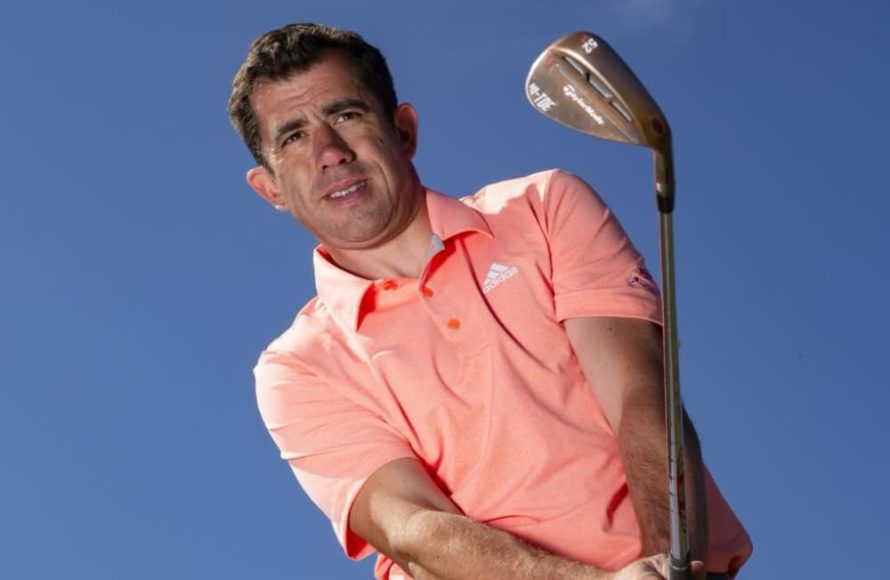
3 releases the short game system describes a golf technique focusing on specific wrist and arm actions to create consistent, controlled short-range shots.
Many golfers struggle around the green, often dropping crucial shots due to inconsistent chipping and pitching. Improving your short game can dramatically lower your scores and boost confidence. Imagine executing crisp, controlled shots every time you approach the flag.
This article explores 3 releases the short game system, a method designed to refine your touch and control from close range. We will explain how this precise system helps golfers gain consistency and accuracy. You can transform your performance on and around the greens by understanding its core principles.

3 Releases the Short Game System
Mastering the short game is crucial for lowering your golf scores. It transforms your approach around the greens, turning potential bogeys into pars or even birdies. Understanding specific release patterns in your short game swings provides incredible control and consistency.
The ‘3 Releases the Short Game System’ offers a structured approach to short game mastery. It categorizes different clubhead release patterns essential for various shots around the green. This system allows golfers to select the correct technique based on the lie, desired trajectory, and course conditions.
Understanding the Core Concept of Release
In golf, “release” refers to the unhinging of the wrists and the extension of the clubhead through the impact zone. It is the moment the clubhead fully accelerates and delivers energy to the ball. A proper release is fundamental for consistent contact and predictable ball flight.
For the short game, the concept of release is often misunderstood or overlooked. Many golfers try to keep their wrists too stiff or “hold off” the release, leading to inconsistent strikes. Learning to effectively release the club is a game-changer for chipping, pitching, and bunker play.
Why Release is Critical for Short Game
The short game demands a delicate balance of control, feel, and power. An effective release ensures the clubhead delivers maximum energy while maintaining control over loft and spin. It prevents common errors like chunking or thinning the ball.
Different short game shots require distinct release patterns to achieve specific results. A low running chip, for instance, needs a different release than a high, soft flop shot. Mastering these variations expands your versatility around the green, making you a more formidable player.
The Difference from Full Swing Release
While full swing and short game releases share fundamental principles, their applications differ significantly. The full swing typically involves a more powerful, continuous release of lag. Short game releases are often more compact and controlled, tailored for precision.
Short game releases emphasize touch and feel over raw power. The focus shifts to manipulating loft, spin, and trajectory with subtle variations in the clubhead path and angle of attack. Understanding these nuances helps golfers apply the right release for every situation.
The First Release: The Hinge Release
The hinge release is primarily used for chip shots and low-flying pitches where control and consistency are paramount. This release pattern keeps the clubhead moving along a shallow path through impact. It promotes a delofted face, ideal for generating roll.
This release emphasizes a controlled, almost delayed unhinging of the wrists through impact. The hands remain ahead of the clubhead, guiding the ball towards the target. It creates a solid, repeatable strike, perfect for getting the ball on the green quickly.
Mechanism and Application
The hinge release involves setting a slight wrist hinge at the address or during the takeaway. As you swing down, you maintain this hinge, releasing it subtly and smoothly as the club passes through impact. Your hands remain slightly ahead of the clubhead, ensuring a descending blow.
Golfers commonly use this release for chip shots from just off the green or for bump-and-run shots. It is also effective for low-flying pitches that need to land short and roll out. The hinge release provides excellent control over distance and direction, making it highly reliable.
Benefits of the Hinge Release
The hinge release offers several distinct advantages for your short game. It prioritizes accuracy and consistency, making it a go-to for many situations. Understanding these benefits helps you decide when to employ this specific release pattern.
- Enhanced Control: This release pattern maintains a stable clubface through impact, significantly improving directional control. You can direct the ball precisely towards your landing spot with greater confidence.
- Consistent Contact: By promoting a descending strike and hands leading the club, the hinge release minimizes fat and thin shots. It helps ensure clean contact, maximizing energy transfer to the ball.
- Predictable Trajectory: The hinge release naturally produces a lower, more controlled ball flight. This predictability is ideal for shots that need to land softly and roll out towards the hole, especially on fast greens.
- Versatility in Lies: You can effectively use the hinge release from various lies, including tight lies and light rough. Its compact nature reduces the chances of getting tangled in the grass, ensuring a clean strike.
Key Drills for Hinge Release
Practicing specific drills helps engrain the feel and mechanics of the hinge release. Repetition builds muscle memory and confidence in your ability to execute this shot. Incorporate these drills into your short game practice sessions for optimal results.
- One-Handed Hinge Drill: Take your setup with a pitching wedge or 9-iron. Hold the club with your lead hand only. Make small chipping swings, focusing on the wrist hinge and the sensation of the clubhead releasing through impact while your hand stays slightly ahead.
- Towel Under Arm Drill: Place a small towel or headcover under your lead armpit. Make chipping swings, ensuring the towel stays in place. This drill prevents excessive arm movement and reinforces the body rotation that accompanies the hinge release.
- Gate Drill: Place two alignment sticks or clubs parallel to your target line, slightly wider than your clubhead. Practice making chip shots through this “gate.” This helps keep your club path on line and promotes a consistent release towards the target.
The Second Release: The Drive Release
The drive release is a more powerful version of the short game release, suitable for longer pitches and certain bunker shots. It involves a more assertive, driving motion of the clubhead through the impact zone. This release allows for more energy transfer and slightly higher ball flight than the hinge release.
In this release, the body plays a more active role in powering the swing. The clubhead is “driven” through the ball, leading to a strong, penetrating strike. It is an excellent choice when you need to carry the ball further with a moderate amount of spin.
Mechanism and Application
The drive release involves a slightly fuller backswing compared to the hinge release. As you initiate the downswing, you maintain wrist lag for a longer period. Through impact, you actively drive the clubhead down and through the ball, allowing the body’s rotation to power the release.
Golfers use the drive release for pitch shots ranging from 20 to 60 yards. It is also effective from light rough or when a slight amount of bounce is needed from the club. This release creates a slightly higher trajectory with a good amount of forward momentum.
Benefits of the Drive Release
The drive release provides a balance between control and power, filling an important gap in your short game arsenal. It allows for greater distance control on longer pitches without sacrificing accuracy. Understanding its benefits helps you apply it effectively.
- Increased Distance Control: By leveraging more body rotation and a sustained lag, the drive release allows for more consistent carry distances on longer pitch shots. You can gauge your landing spots with greater precision.
- Moderate Trajectory: This release produces a mid-height ball flight, which is versatile for various greens and wind conditions. It provides enough height to clear obstacles while still allowing for some roll.
- Enhanced Feel for Power: The more active body involvement in the drive release helps golfers develop a better feel for generating power through the ball. This translates to more confident and assertive pitch shots.
- Adaptability to Lie: The drive release is suitable for a wider range of lies, including slight uphill/downhill lies and medium rough. Its robust nature helps the club get through varying turf conditions efficiently.
Key Drills for Drive Release
Practicing the drive release requires focusing on maintaining lag and using your body to propel the club. These drills help you integrate the more active components of this release. Regular practice will build confidence for longer short game shots.
- Pump Drill: Take your pitching wedge and make a three-quarter backswing. On the downswing, “pump” the club down towards the ball, stopping just before impact. Repeat this pumping motion several times, feeling the lag and the forward drive of the hands and club. Then, make a full swing, applying that feeling.
- L-to-L Drill: Set up and take the club back to form an “L” shape with your lead arm and the club shaft. On the downswing, swing through to form another “L” on the finish, with the club shaft pointing towards the target. This drill emphasizes the continuous motion and full extension of the drive release.
- Right Knee to Target Drill (for right-handed golfers): Focus on driving your right knee towards the target through impact. This encourages proper weight shift and body rotation, which are crucial for powering the drive release. Feel the connection between your lower body and the clubhead’s acceleration.
The Third Release: The Sling Release
The sling release is the most dynamic and specialized of the three, used for high lob shots, flop shots, and extracting the ball from challenging lies like deep rough. This release pattern involves a significant unhinging and “slinging” motion of the clubhead past the hands. It maximizes loft and generates significant spin.
This release requires a soft touch and a willingness to let the clubhead pass the hands freely. It feels counter-intuitive to many golfers who are used to keeping their hands ahead. The sling release is about creating maximum loft and stopping power, not distance.
Mechanism and Application
The sling release starts with an open clubface at address and a slightly steeper angle of attack. During the downswing, there is a deliberate, quick unhinging of the wrists, allowing the clubhead to pass the hands rapidly through impact. The follow-through is often high, emphasizing the lofting of the ball.
Golfers use the sling release for flop shots over bunkers or obstacles when there is very little green to work with. It is also effective for high, soft pitches that need to land and stop almost immediately. Extracting the ball from thick rough also often benefits from this aggressive release.
Benefits of the Sling Release
While perhaps the most challenging to master, the sling release offers unique advantages for specific situations. It allows you to tackle shots that would otherwise seem impossible. Understanding its benefits encourages you to add this finesse shot to your repertoire.
- Maximum Loft: The primary benefit of the sling release is its ability to generate maximum height. This allows you to carry the ball over obstacles that are directly in your path, such as deep bunkers or high mounds.
- Exceptional Spin: By allowing the clubface to effectively “sling” through impact, this release imparts a high amount of backspin on the ball. This spin helps the ball stop quickly on the green, even on downhill lies.
- Soft Landings: The combination of high trajectory and spin results in extremely soft landings. The ball hits the green and typically checks up quickly, providing excellent control over where it finishes.
- Versatility in Difficult Lies: The sling release, with its open clubface and aggressive delivery, is often the best choice for getting the ball out of thick, heavy rough or deep divots. The club’s leading edge uses the bounce effectively.
Key Drills for Sling Release
Mastering the sling release requires confidence and a willingness to trust the club’s bounce and loft. These drills help you develop the feel for letting the clubhead work freely. Start small and gradually increase the difficulty as your confidence grows.
- L-to-R Drill: Take a wedge and make a backswing where your lead arm and club form an “L” shape. On the downswing, focus on letting the clubhead release quickly past your hands, finishing with the club shaft pointing towards your right (for right-handed golfers) or even further around, feeling the “sling.”
- Splash Drill (Bunker Simulation): Place a coin or small object under a range ball on a mat or soft turf. Practice swinging with an open clubface and making a deliberate “splash” of the clubhead through the object, feeling the clubhead pass your hands. This simulates a bunker shot’s release.
- Soft Hands Drill: Focus on keeping your grip pressure very light throughout the swing. This encourages your wrists to unhinge naturally and quickly. Practice hitting high, soft chips, paying attention to the feeling of the clubhead swinging past your hands without resistance.
Integrating the Releases into Your Short Game Arsenal
Knowing the three releases is one thing; effectively applying them on the course is another. The real power of the ‘3 Releases the Short Game System’ lies in your ability to choose the right release for the right shot. This requires careful assessment of your surroundings and an understanding of each release’s capabilities.
Integrating these releases means more than just practicing them individually. It means developing the intuition to switch between them seamlessly. Your goal is to react instinctively to the golf course’s demands, armed with a versatile set of short game tools.
Choosing the Right Release for Each Shot
Selecting the appropriate release involves a quick but thorough assessment of several factors. Every golf shot is unique, and your decision should reflect the specific challenges and opportunities presented. This systematic approach ensures optimal shot selection.
- Course Conditions: Consider the firmness of the greens and fairways. On firm greens, a higher-flying shot with more spin (sling release) might be necessary to stop the ball. On soft greens, a lower shot with more roll (hinge release) could be more effective.
- Lie of the Ball: The position of the ball dictates much of your approach. A tight lie favors the hinge release for clean contact. A fluffy lie or deep rough often calls for the drive or sling release to get the club under the ball.
- Desired Trajectory and Run: Visualize the entire flight of the ball, from launch to where it stops. Do you need a low runner, a mid-flight pitch, or a high floater? Your chosen trajectory directly dictates which release you should use.
- Obstacles in Play: If you have to carry over a bunker, water, or a significant rise, the sling release might be your only option. If the path is clear, a hinge or drive release offers more control and consistency.
Practice Strategy for Mastering All Three Releases
Effective practice is key to internalizing the ‘3 Releases the Short Game System’. Do not just hit balls aimlessly. Design your practice sessions to simulate real-course scenarios and build adaptability. This structured approach accelerates your learning and skill development.
- Structured Practice Routines: Dedicate specific time slots to each release. For example, spend 15 minutes on hinge release chipping, then 15 minutes on drive release pitches, and finally 15 minutes on sling release flop shots. This focused practice builds proficiency in each.
- Varying Distances and Lies: Do not always practice from perfect lies. Set up balls in different positions – tight lies, fluffy lies, light rough, and even in shallow bunkers. This forces you to adapt your release based on the real-world conditions.
- Target Practice with Purpose: Instead of just hitting towards a general area, pick specific targets. Aim for hoops, flags, or even imaginary landing spots. This adds pressure and helps you refine your distance and trajectory control with each release.
- Scoring Drills: Create mini-games on the practice green. For instance, hit 10 balls from varying spots, using all three releases, and track how many times you get up and down. This mimics course conditions and sharpens your decision-making.
Common Mistakes and How to Avoid Them
Even with a solid understanding of the ‘3 Releases the Short Game System’, golfers often fall prey to common pitfalls. Identifying these mistakes early helps you correct them before they become ingrained habits. Awareness is the first step towards consistent improvement.
Avoiding these errors ensures that your practice translates into better performance on the course. Focus on feeling the correct movements rather than just thinking about them. This builds a more intuitive and effective short game.
Lack of Wrist Action (Too Stiff)
Many golfers try to “miniaturize” their full swing for short game shots. This often results in a rigid, wrist-free motion. While control is good, a complete lack of wrist action severely limits your ability to vary trajectory and add spin.
Stiff wrists lead to inconsistent contact and difficulty controlling distance. The clubhead lacks the necessary speed and angle of attack to interact properly with the ball and turf. This results in either thin shots that scurry across the green or fat shots that barely move.
Excessive Wrist Action (Flipping)
At the other end of the spectrum is excessive or premature wrist action, often called “flipping” or “scooping.” This happens when the wrists unhinge too early in the downswing. The clubhead passes the hands before impact, leading to a host of problems.
Flipping causes inconsistent contact, often leading to fat shots or “bladed” shots. It also adds unwanted loft to the clubface, making distance control almost impossible. The club’s bounce is not used effectively, leading to digging.
Improper Weight Shift
While less pronounced than in the full swing, proper weight shift is still vital in the short game. Many golfers either stay rooted on their back foot or slide excessively towards the target. Both scenarios negatively impact the effectiveness of any release.
Staying on the back foot prevents a descending strike, leading to fat shots or insufficient power. Excessive sliding makes it difficult to maintain balance and control the clubhead’s path, often resulting in inconsistent contact and directional errors. A subtle, controlled shift towards the target is typically ideal.
The Role of Equipment in Release Execution
Your golf equipment plays a significant, though often overlooked, role in how effectively you can execute the ‘3 Releases the Short Game System’. The design of your wedges, the flex of their shafts, and even the type of golf ball you use can influence feel and performance. Understanding these interactions helps you optimize your setup for better short game results.
Matching your equipment to your typical course conditions and swing tendencies enhances your ability to perform different releases. This thoughtful approach to gear selection is an investment in your short game success.
Wedge Bounce and Grind
Wedge bounce refers to the angle created between the leading edge and the lowest point of the sole. Grind describes the specific shaping of the sole. Both significantly impact how the club interacts with the turf and, consequently, how effectively you can perform each release.
- High Bounce Wedges: These are ideal for the drive and sling releases, especially from softer turf, fluffy lies, or sand. The higher bounce prevents the club from digging, allowing for a smoother, more effective release through the ground. They excel in situations where you need to slide the club under the ball.
- Low Bounce Wedges: Low bounce wedges are excellent for the hinge release, particularly from tight lies and firm turf. Their sharper leading edge allows for a clean, precise strike with minimal turf interaction. They are less forgiving if you have a steep angle of attack or play on soft ground.
- Grinds: Different sole grinds (e.g., C-grind, M-grind) offer varying degrees of versatility. A versatile grind allows you to open the clubface for a sling release without raising the leading edge too much. Understanding your grind helps you optimize your club’s interaction with the turf for each release.
Shaft Flex and Weight
While less critical than in full swing irons, the shaft’s flex and weight in your wedges can subtly affect your feel and timing in the short game. A shaft that is too stiff or too light might throw off your tempo, impacting your release consistency.
A slightly heavier, softer flex shaft often promotes a better feel for the clubhead. This can be beneficial for the delicate touch required for the hinge and sling releases. Experimenting with different shaft options can fine-tune your short game clubs.
Ball Type
The golf ball you choose also influences how much spin you can generate, which is particularly relevant for the sling release. Softer, premium golf balls with urethane covers generally offer more greenside spin than firmer, surlyn-covered balls.
When executing a sling release, a ball designed for high spin allows you to maximize the shot’s effectiveness. For a hinge release, where roll is desired, the ball’s spin characteristics are less critical but still play a role in overall feel.
Advanced Concepts and Nuances
Beyond the fundamental mechanics of the ‘3 Releases the Short Game System’, several advanced concepts enhance your ability to master these shots. These nuances distinguish a good short game from an exceptional one, adding layers of precision and artistry. Incorporating these ideas elevates your practice and on-course performance.
The short game is as much about feel and artistry as it is about technique. Developing these advanced sensitivities allows you to truly “play” the ball around the green, rather than just hitting it.
Feel vs. Technique
While technique provides the foundation, feel is the paint on the canvas of your short game. Relying solely on mechanical thoughts can stifle creativity and touch. The ‘3 Releases the Short Game System’ offers a technical framework, but learning to feel each release is paramount.
Practice helps you internalize the movements so they become second nature. You move from consciously thinking about the hinge, drive, or sling to instinctively feeling the appropriate release for the situation. Trust your hands and your intuition.
The Importance of Impact Sound
The sound the club makes at impact is a powerful indicator of your contact and release quality. A crisp, dull “thump” or “click” typically signifies solid contact with a well-executed release. A thin, sharp “click” or a heavy, muffled “thud” suggests poor contact.
Pay attention to the sound your club makes through impact for each release. This auditory feedback provides immediate insight into the quality of your strike. Adjust your technique until you consistently hear the optimal sound for the desired shot.
Visualizing the Shot
Before stepping up to any short game shot, take a moment to visualize the entire process. See the ball’s flight path, its landing spot, and how it rolls out to the hole. This mental rehearsal prepares you for executing the chosen release.
Visualizing the shot helps you commit to the chosen release pattern with confidence. It creates a clear objective for your swing. This mental discipline is crucial for connecting your intention with your physical execution on the course.
3 Releases: The Short Game System – see inside the best selling book!
Final Thoughts
This innovative framework significantly enhances your short game capabilities. You gain better control over chip shots, pitches, and bunker plays, reducing frustrating mistakes. Practice becomes more efficient, leading to lower scores quickly.
The 3 releases the short game system provides a structured method for consistent improvement. It guides you to execute shots with precision and confidence. This system truly changes how you approach the scoring zone.

