
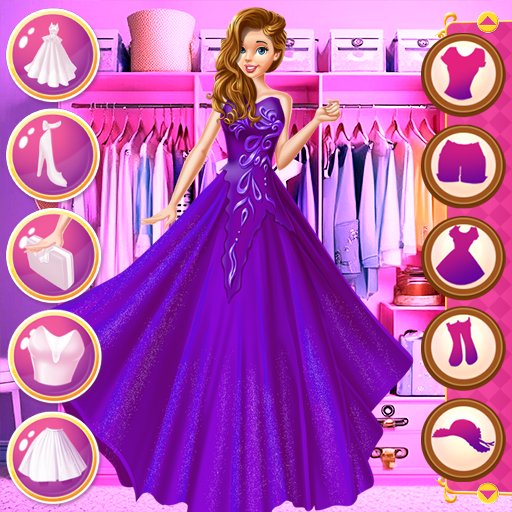
‘A doll game typically involves imaginative play, where children use dolls as characters to create stories and scenarios.’
Have you ever watched children deeply engrossed in their own little worlds? It’s amazing how a simple doll can become the centre of elaborate narratives. The heart of a doll game lies in the boundless creativity and role-playing it allows.
Children use these games to explore emotions and social interactions. They build friendships, navigate conflicts, and express themselves freely through these miniature characters. It is a powerful way for children to learn and grow.

Exploring the Wonderful World of a Doll Game
Have you ever wondered what makes playing with dolls so much fun? It’s more than just having a cute toy; it’s about creating stories, going on adventures, and letting your imagination run wild! A “doll game” isn’t just one thing; it’s a whole universe of possibilities. It’s about how we interact with dolls, the scenarios we invent, and the roles we give them. This section will take you on a journey through the many aspects of doll games, from the simplest pretend play to the most elaborate make-believe worlds.
Types of Doll Play
Doll play comes in many forms, each offering a unique way to engage with these beloved toys. Let’s explore some of the most popular kinds of doll games:
Caregiving Play
This is one of the most common types of doll play, especially for younger children. Caregiving play involves taking on the role of a parent or guardian. Kids might feed their dolls pretend food, change their diapers, sing them lullabies, or tuck them into bed. This kind of play allows children to explore nurturing behaviors and understand the basics of taking care of someone.
- Pretending to feed the doll with a toy spoon.
- Changing the doll’s diaper using a cloth or a pretend diaper.
- Putting the doll to sleep with a blanket and a soft song.
Imaginative Scenarios
This type of play is where the real storytelling begins! Children create entire worlds and give their dolls specific roles. Maybe the doll is a princess, a superhero, a doctor, or a teacher. They might act out everyday situations or venture into fantastical scenarios, such as going to a magic school or traveling to outer space. The possibilities are as endless as the child’s imagination!
- Setting up a pretend school with dolls as students and teachers.
- Organizing a tea party for the dolls.
- Creating an epic battle between superhero and villain dolls.
Role-Playing
Role-playing goes hand-in-hand with creating scenarios. It’s about children actively acting out parts and giving their dolls unique voices and personalities. One doll might be a grumpy grandma, while another is a silly little sister. Through role-playing, children develop empathy and social skills, learning to understand different viewpoints and feelings.
- Having a doll act as a patient during a doctor’s appointment.
- Using a doll to role-play a conversation with a friend.
- Giving each doll a distinct voice and personality.
Fashion and Styling
For some, the joy of a doll game comes from the fashion and styling aspects. This involves dressing the dolls in different outfits, styling their hair, and perhaps even creating unique accessories. It’s a fun way to express creativity and develop an interest in fashion and design. Children may spend hours choosing outfits, matching colors, and creating fun new styles for their dolls.
- Designing outfits for dolls using fabric scraps and pins.
- Creating new hairstyles for dolls using hair accessories.
- Having a fashion show for the dolls.
Collecting and Displaying
The collecting aspect is often a big part of the enjoyment for some kids (and adults!). This involves acquiring a variety of dolls, each unique in their look, and sometimes associated with specific shows or themes. Children might organize them on shelves, create displays, and learn about the various doll brands and types. This type of doll play can foster a love of collecting and organizing.
- Arranging a doll collection on shelves or in a dollhouse.
- Creating displays based on doll themes or brands.
- Learning about the history and features of different dolls.
Benefits of Playing a Doll Game
Playing with dolls is not just fun; it has a ton of positive impacts on a child’s development. It’s a powerful tool for learning and growth!
Boosting Creativity and Imagination
When children play with dolls, they’re not just following instructions; they’re creating entire worlds from scratch. This process fuels creativity, allowing children to use their imagination in a free and expressive way. They make up stories, invent characters, and navigate different scenarios. Doll play teaches children to think outside the box and develop innovative ideas. This is great for their future!
Developing Social and Emotional Skills
Doll games are often social, whether played with siblings, friends, or even by oneself. Through these interactions, children learn to take on different roles, understand different viewpoints, and develop empathy. They learn to express their feelings and relate to others through the characters they create and the stories they act out. This helps kids develop essential social skills, preparing them for real life interactions.
Enhancing Communication Skills
Playing with dolls requires communication, whether it’s giving the dolls voices or narrating the stories they are acting out. Children learn to express their thoughts and feelings, develop their vocabulary, and even practice different accents or tones. All this helps improve their communication skills.
Promoting Problem-Solving Skills
Often times, while playing, kids come up against scenarios or problems they have to solve within their doll play. These might include figuring out how to fit all the dolls into a car, how to resolve a conflict between two dolls, or finding a way to help a doll with an imaginary illness. These little challenges help them build problem-solving skills in a fun and engaging way. They learn to think critically and come up with their own solutions.
Fostering Nurturing Behavior
As children often take on roles of caregivers when playing with dolls, they naturally begin to understand the importance of empathy and care. These kind of doll games allow children to practice their nurturing side, learning to express kindness and understanding, and fostering qualities such as responsibility and consideration for others.
Setting up your own Doll Game
Creating your own engaging doll game is easier than you might think! Here are a few tips to get you started:
Choosing Your Dolls
Selecting the right dolls is the first step in creating a fun play experience. There’s a wide variety of dolls to choose from, each with its own unique features. Think about what kind of play you enjoy the most and choose dolls accordingly. Consider the size, features, and the materials they are made of.
- Baby dolls: Perfect for caregiving play.
- Fashion dolls: Great for fashion and styling games.
- Action figures: Ideal for imaginative scenarios and superhero play.
- Soft dolls: Wonderful for cuddling and comforting.
Creating a Play Space
A dedicated play space can make your doll games even more immersive. This doesn’t have to be anything fancy; it can be a corner of a room, a small table, or even a blanket on the floor. The important thing is to have a space where you can arrange your dolls, their accessories, and whatever else you need to set the scene. Add some key items that will make your play space more versatile.
- A dollhouse: A classic setting for playing house.
- A box or basket: To store and organize accessories.
- Fabric scraps: To create clothing and backdrops.
- Empty food containers: To use as play items or furniture.
Gathering Accessories
Accessories can make your doll games much more exciting! Collect various items that you can use to enhance your doll play. This might include clothing, shoes, furniture, toy food, miniature tools, and other props. The more accessories you have, the more versatile your play becomes. Don’t worry about buying everything at once; you can add to your collection over time.
- Toy food: For picnics and meals.
- Small furniture: Chairs, tables, and beds.
- Blankets and pillows: For creating cozy scenes.
- Play money: For shopping and role playing.
Developing Story Ideas
Now it’s time to get creative! Think about the stories you want to tell and the characters you want to create. You can brainstorm with friends or family, or come up with your own unique ideas. Don’t be afraid to let your imagination run wild. Remember that some of the best ideas come when you least expect them.
- Write down your ideas in a notebook or diary.
- Brainstorm with friends or family and create stories together.
- Look for story ideas from books, movies, or real life events.
Encouraging Creative Play
Creative play is about letting go and letting your imagination guide you. Don’t be afraid to try new things and break the rules. Maybe your dolls go on a jungle adventure or visit another planet. The possibilities are endless! Give yourself permission to be silly and have fun with your dolls. There’s no right or wrong way to play as long as you’re having a blast.
- Use different voices and accents for your dolls.
- Try out different roles and scenarios.
- Use everyday objects as props and accessories.
Doll Games for Different Ages
Doll games can be enjoyed by children of all ages, although how they engage in play might vary. Here is a glimpse into how play changes as kids grow.
Toddlers (Ages 1-3)
At this age, doll play is often simple and sensory-focused. Toddlers might enjoy holding, cuddling, and carrying dolls. They will use their senses to touch, see, and hear when playing. They are also starting to understand simple actions such as putting a doll to bed or feeding them.
- Simple cuddles and hugs.
- Basic caregiving actions such as feeding or changing.
- Exploring the doll with their senses.
Preschoolers (Ages 3-5)
Preschoolers begin to develop more imaginative and elaborate doll games. They enjoy creating pretend scenarios, giving their dolls voices, and acting out simple role-playing situations. They are also starting to understand social rules and emotions and incorporate them into their play.
- Simple role-playing situations, like a doctor visit.
- Basic storytelling and character development.
- Engaging in simple social scenarios.
Elementary School Children (Ages 6-10)
School-age children enjoy more complex doll games. They create elaborate narratives, develop detailed backstories for their dolls, and engage in group play. Fashion styling and creative design often become an important aspect. This age group appreciates collecting different kinds of dolls and learning about each one of them.
- Intricate and creative storytelling.
- More complex role-playing and character development.
- Collecting and displaying dolls.
- Fashion styling and design.
Tweens and Teens (Ages 11+)
While traditional doll play might decrease in this age group, teens might still engage with dolls in creative ways. This can include customizing dolls, creating stop-motion animations, or writing fan fiction about their favorite doll characters. They use these forms of play to express their creativity in different, more evolved ways.
- Creative customization of dolls.
- Using dolls for stop-motion animation or photography.
- Writing or creating art inspired by doll stories and characters.
Keeping Doll Games Engaging
To keep your doll games fun and exciting, consider rotating your collection, adding new accessories, and taking inspiration from your surroundings. Encourage friends and family to join in the fun. It’s all about making the play experience fresh and enjoyable.
Rotating Your Collection
Don’t play with the same toys all the time. If your doll collection has a variety of characters, try rotating them on a weekly basis. This can help keep the play fresh and exciting.
Adding New Accessories
Introducing new accessories can give a boost of new energy to the game. Every time you add something new to your collection, you are helping children develop new story lines and new adventures.
Taking Inspiration From Your Surroundings
Use what’s around you to create new play scenarios. Let the world inspire you. Maybe you can re-create places from your neighborhood or events that you and your family have attended. This will help you incorporate the world around you into your doll games.
Invite Others to Join
Playing with friends or family can bring new dimensions to the game. Different personalities will help to spark new ideas and create more immersive story lines. It’s a wonderful way to make your games even more creative and interactive.
Playing with dolls is a fantastic way for children of all ages to learn, grow, and express themselves. It’s a world where creativity knows no bounds and where every child can write their own adventure. From the simple joy of caregiving to the elaborate worlds of imagination, doll games offer an invaluable experience for everyone.
Working at a HAUNTED DOLL FACTORY..
Final Thoughts
This doll game fosters creativity and imagination. It provides children with a world for storytelling and role-playing. Kids learn valuable social skills through this interactive play. They can express themselves in new ways.
Therefore, a doll game is more than just child’s play. It’s a fun, beneficial activity for early development. The simplicity and open-ended nature of the play makes it special. It encourages thinking, expressing, and enjoying.

