
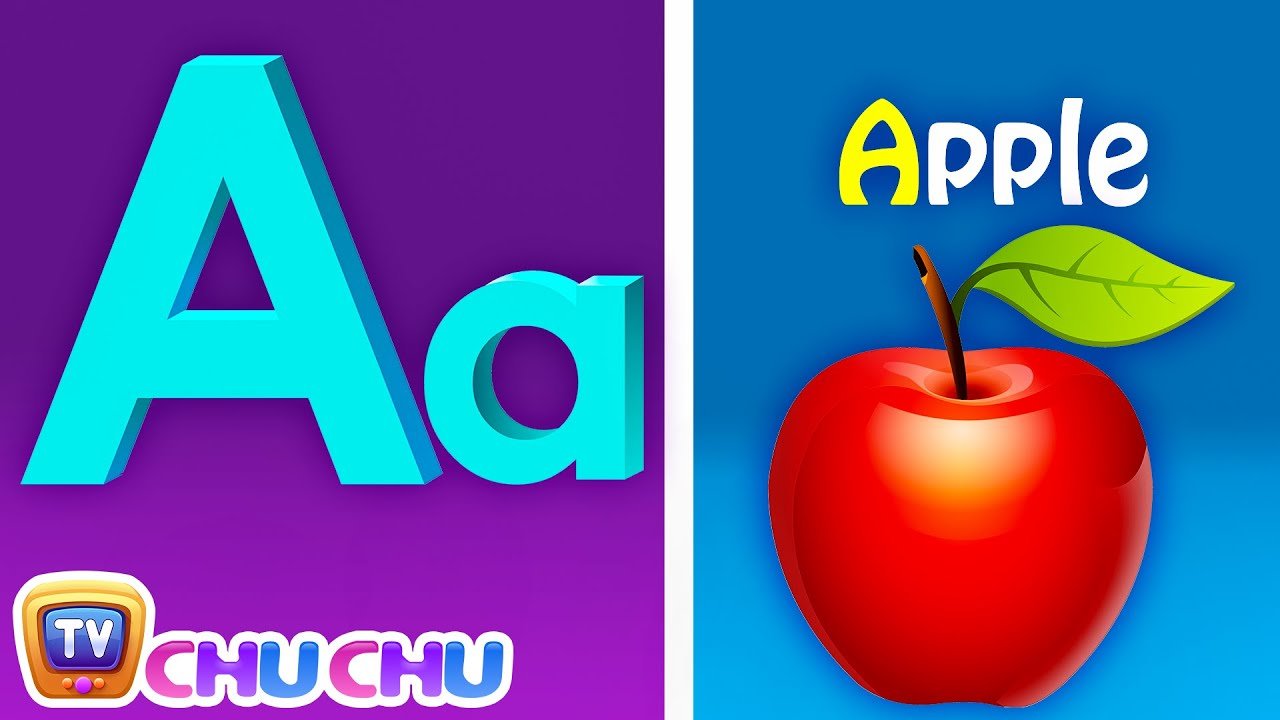
‘A for apple game’ typically involves associating the letter “a” with the word “apple” and often uses visual or auditory cues to reinforce this connection for early learning.
Have you ever watched a little one grapple with the alphabet? It’s adorable, right? One common method to help them is through play, specifically using games like a for apple game. These games are a wonderful way to introduce letters and their sounds, making learning fun.
These simple activities create positive early experiences with education. Kids link sounds and images, which helps with reading later. These games are great for both home and classroom fun.

A For Apple Game: More Than Just a Simple Start
We all remember learning the alphabet, right? And what’s the first thing that usually comes to mind when you think of ‘A’? That’s right, ‘Apple’! But ‘A for Apple’ isn’t just about memorizing letters. It’s the starting point for so many fun and educational games. These games aren’t just about repeating words; they’re about building a strong foundation for reading, writing, and even critical thinking. Let’s dive into the world of ‘A for Apple’ games and see just how much fun learning can be!
Why “A for Apple” Games Are Important
So, why do we start with “A for Apple” anyway? Well, it’s because it’s simple, relatable, and very easy for little minds to grasp. Here’s why these games are crucial in early childhood development:
- Phonemic Awareness: These games help kids hear and understand the sounds in words. They learn that “apple” starts with the /a/ sound, which is key for reading.
- Letter Recognition: Seeing the letter “A” alongside a picture of an apple helps create a strong visual link. This link solidifies the letter’s shape and sound in their minds.
- Vocabulary Expansion: While focused on “A for Apple,” these games often introduce other words associated with apples, like “red,” “sweet,” or “tree,” thereby expanding vocabulary.
- Early Literacy Skills: These games provide the building blocks for reading and writing, such as understanding the alphabet and the sounds each letter makes.
- Engagement and Fun: Let’s face it, learning is easier when it’s enjoyable! “A for Apple” games are designed to make learning the alphabet engaging and fun, keeping kids interested.
Different Types of “A for Apple” Games
The “A for Apple” theme is surprisingly versatile. We can turn it into many exciting activities. Here are some categories of games you can try:
Visual Recognition Games
These games are all about seeing and connecting. They focus on visual memory and matching.
- Matching Apples to the Letter A: Lay out several cards with the letter “A” and various pictures, including apples. Children need to match the “A” cards to only the apple pictures. You can have small apple objects as well for practical matching.
- Apple Memory Game: Create a set of cards with matching pairs of apples and the letter “A”. Turn the cards face down and have kids try to find the matching pairs.
- Spot the Apple: Show children a page with lots of different pictures and have them circle or point at all the pictures of apples. Introduce different types of apples for added fun.
Auditory Games
These games enhance children’s listening skills and how they relate sounds with objects.
- “A” Sound Game: Say a series of words and have kids clap every time they hear the /a/ sound at the beginning of the word. Example words: apple, ant, banana, astronaut, etc.
- Apple Echo: You say a word related to apples or beginning with ‘A’ (e.g., ‘apple’, ‘apricot’), and the child repeats it. Add variations to make it more engaging, like whispering or shouting the words.
- Rhyming Games: Introduce rhyming words related to apple or the sound ‘a’, such as ‘cap’ and ‘map’. Play games that focus on matching rhyming pairs.
Physical Games
Get children moving with these energetic games that keep them active while learning.
- Apple Hunt: Hide apple cut-outs or small toy apples around the room and have the kids find them. When they find an apple, they need to say “A for Apple.” This could turn into a scavenger hunt with clues.
- Apple Relay Race: Have children carry an apple (or a ball decorated like an apple) on a spoon to a finish line. This promotes balance and coordination.
- “Jump to the Apple”: Place pictures of different fruits on the floor, including an apple. When you say “Apple,” the kids jump to the apple image.
Creative Games
Encourage creativity and imagination using arts and crafts activities focused on the apple.
- Apple Stamp Art: Cut an apple in half and use it to create patterns by dipping it in paint. Discuss the shape of the apple and how the patterns are created.
- Apple Coloring: Provide coloring pages with pictures of apples and the letter “A.” This helps develop fine motor skills and color recognition.
- Apple Collage: Have the kids create an apple collage using different colored paper, glitter, and other craft supplies. They can also use apple-themed stickers.
Digital Games
Integrate technology with these interactive digital games.
- Online Apple Matching Games: Many websites offer online games where kids match the letter “A” to apples.
- Educational Apps: Several apps have activities focused on alphabet learning and have a specific section for “A for Apple.”
- Interactive Storybooks: Some digital storybooks feature an apple character or an apple theme to reinforce letter recognition in a fun and engaging manner.
Making “A for Apple” Games More Engaging
It’s not enough to just play the games. We need to make sure they are engaging and keep the children actively participating. Here are some tips:
Keep it Age-Appropriate
Make sure the games are suitable for the child’s age and developmental level. A very complex game can easily frustrate a young child, while an extremely simple game may bore an older one.
Use Real Apples
When possible, bring actual apples into the learning environment. Let children see, touch, and even taste apples. This sensory experience makes the learning more real and memorable. Include different varieties of apples to make it exciting. Talk about how they look different and taste different.
Incorporate Music
Use apple-themed songs or create your own to add to the fun. Music helps children remember things and makes the learning experience more enjoyable.
Make it Interactive
Don’t just lecture or tell children things. Engage them by asking questions, encouraging them to participate and making it a two-way process. Instead of saying, “This is an apple,” ask, “What do you think this is?”
Provide Positive Reinforcement
Offer praise and encouragement for their efforts. Positive feedback is essential for motivating children and helping them feel good about learning. A small sticker or a high-five can make a big difference.
Change it Up
Don’t stick to just one type of game. Mix things up to keep the kids engaged and interested. Variety makes the learning process more exciting and maintains the children’s attention span.
Turn it into a Story
Create a simple story that centers on “A for Apple” and use puppets, drawings, or actions to act it out. This adds a layer of creativity and fun to the games.
Beyond “A for Apple”: Expanding the Learning
“A for Apple” is a great starting point, but let’s not stop there. How do we go beyond the basics?
Introduce More Words Starting With “A”
Once they are comfortable with the apple, introduce other ‘A’ words like ant, astronaut, and airplane. This expands their vocabulary and makes them more aware of different words.
Move On to Other Letters
After “A,” proceed to other letters using the same approach. “B for ball,” “C for cat,” and so on. This structured approach helps children learn the alphabet methodically.
Connect Letters to Their Sounds
It’s vital to emphasize the sound each letter makes, so that kids can start to sound out words. This is a critical skill for reading.
Use a Variety of Learning Materials
Include books, flashcards, toys, and games to teach the alphabet. Variety makes the learning process more engaging and caters to different learning styles.
Make it a Continuous Process
Learning the alphabet and letter sounds is an ongoing process. Review the material and continue to challenge the child with new words and new activities, making it a part of everyday interactions.
By starting with a simple concept like “A for Apple,” we can create fun, engaging, and educational experiences for children. These games are more than just about learning the alphabet; they lay the groundwork for a lifelong love of learning. So, grab an apple (or a picture of one), and let the games begin! Remember to focus on the enjoyment of learning and the process and less on perfection. Each child learns differently, so patience and encouragement are key!
It’s amazing how much learning and fun can come from one simple phrase. “A for Apple” opens the door to phonics, vocabulary, and a love for learning. Remember to keep it playful, keep it engaging, and keep it consistent. Before you know it, your little ones will be reading and writing with confidence, all thanks to the humble apple and the power of play.
Phonics Song with TWO Words – A For Apple – ABC Alphabet Songs with Sounds for Children
Final Thoughts
In short, ‘a for apple game’ provides a fun way to learn basic letter recognition. This simple game supports early literacy skills in children.
It’s a fundamental step towards reading and writing. The game encourages active participation and quick learning. It makes the process engaging.
Thus, the ‘a for apple game’ is an essential tool. It makes learning fun, helping children build a solid foundation in language.

