
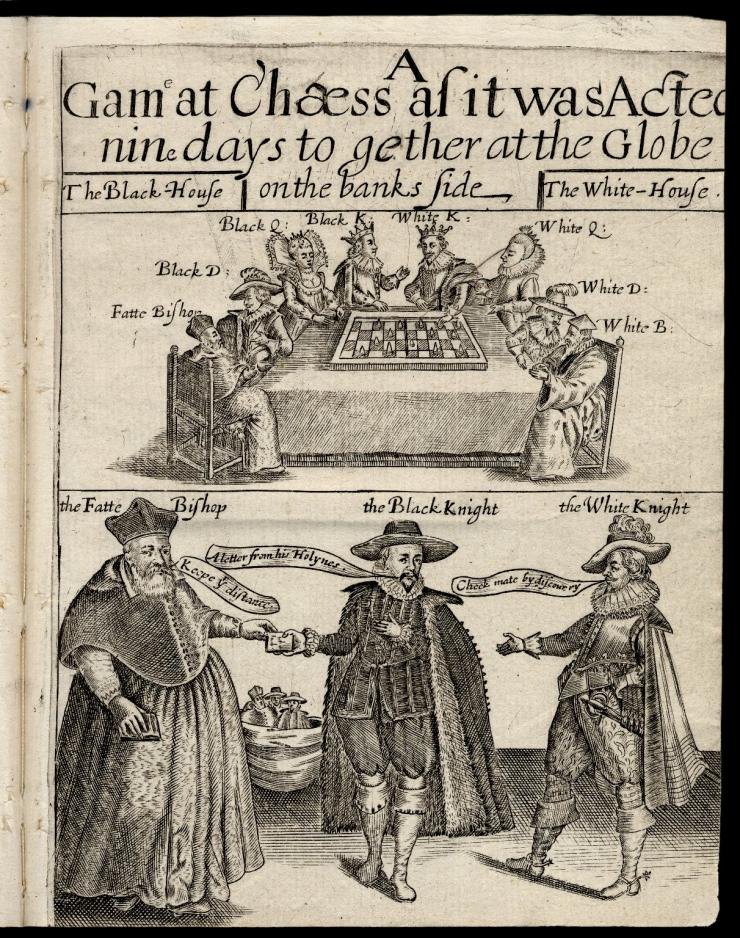
A game at chess involves two players strategically moving pieces on a checkered board to checkmate the opponent’s king.
The quiet click of pieces on the board, the intense focus in your opponent’s eyes – these are just some of the things you experience in a game at chess. Every move requires careful thought, a calculation of potential risks and rewards. This simple game tests your ability to think ahead.
It is more than just a simple board game; it is a battle of wits, strategy, and patience. The black and white squares set the stage for complex calculations and clever plans. Each game is a unique story and a fresh challenge.

A Game at Chess: More Than Just Moving Pieces
Chess. It’s a game that’s been around for centuries, played by kings and commoners alike. It looks simple at first glance: 32 pieces on a checkered board, black versus white. But beneath the surface lies a world of strategy, planning, and exciting battles. A game at chess is much more than just moving wooden or plastic figures; it’s a mental workout, a test of patience, and a fantastic way to have fun.
The Chessboard: Our Battleground
Before we get into the moving parts, let’s understand the chessboard itself. It’s a square, with 64 squares arranged in an 8×8 grid. These squares alternate in color, usually light and dark, like a checkerboard. The rows are called ranks, numbered 1 through 8, and the columns are called files, labeled a through h. So each square has a unique name, like e4 or h5. Knowing these names is important when we talk about chess moves. Imagine it as a map of our battlefield, where every square has its own coordinates.
Let’s understand some key terms about the chessboard:
- Ranks: These are the horizontal rows of squares. They are numbered 1 to 8, starting from the white player’s side.
- Files: These are the vertical columns of squares. They are labeled with letters a to h, starting from the white player’s left.
- Diagonals: These are lines of squares that run diagonally across the board.
- Center: The four squares in the middle of the board (d4, e4, d5, and e5) are called the center. Controlling the center is often a key part of chess strategy.
The Players: Black and White
In a game of chess, there are two sides: white and black. White always moves first, and that gives them a tiny edge, but both players have same set of pieces, just with different colours. Each player’s goal is the same – to checkmate the opponent’s king. This means attacking the king so it cannot escape capture, ending the game. Imagine them as two armies facing off on a field, ready for battle. The difference in color helps us keep track of each player’s pieces and moves.
Meet the Pieces: The Chess Army
Each side has 16 pieces. There are six different types of chess pieces, and each one moves in its own special way. Learning their moves is the first step in understanding how to play. Let’s meet each member of our chess army:
The King: The Most Important Piece
The king is the most vital piece, because if it is captured the game is lost. It can move one square in any direction, forward, backward, sideways, or diagonally. Because the king is so crucial, it can’t move into a square that is under attack by an opponent’s piece.
Think of the king as the head of our army. It needs to be protected and defended at all costs.
The Queen: The Powerhouse
The queen is the most powerful piece on the board, because it combines the movement of the rook and the bishop. It can move any number of squares in any straight line, whether that is forwards, backwards, sideways or diagonally. The queen is a formidable attacking force, and a flexible and powerful defensive piece.
Imagine the queen as the super-soldier in our army. It can attack and defend effectively and cover more ground than other pieces.
The Rook: The Tower on the Corner
The rook moves in straight lines, forwards, backwards, or sideways, any number of squares. It cannot jump over other pieces. There are two rooks on each side. Rooks are valuable for controlling open files and protecting our back rank.
Think of the rook as our sturdy tower, able to move up and down the field efficiently.
The Bishop: The Diagonal Master
The bishop moves only diagonally, any number of squares, but also cannot jump over other pieces. Each player starts with two bishops, one that moves only on light squares, and the other on dark squares. Because they move on differently coloured squares, they will never come in conflict with each other, making them an incredibly valuable asset.
Picture the bishop as a sneaky, diagonal mover. It’s fast and useful to be positioned in long diagonals and control the board’s edges.
The Knight: The Jumping Wonder
The knight is the most unique piece. It moves in an “L” shape – two squares in one direction (forwards, backwards, or sideways) and then one square to the side, creating a 90 degree angle. It is the only piece that can jump over other pieces. Each player has two knights. Because of its unique movement it is the only piece that can jump over other pieces. They are extremely strong in closed positions, and are key to a good attack.
The knight is like a jumping hero, capable of getting through crowded areas.
The Pawn: The Small but Mighty
Pawns are the most numerous pieces and may seem small and insignificant. They move one square forward, except for their first move when they can move one or two squares. They capture diagonally forward one square. When a pawn reaches the other side of the board, it is promoted to any other piece apart from a king. Pawns can also capture using a special rule called ‘en passant’ (which we will look at later).
Think of the pawns as our foot soldiers, they may not be the strongest but they are essential to the army and to controlling the board. Pawns have potential to become more powerful pieces, if they reach the opposite side of the board.
Setting Up the Board: Getting Ready for Battle
Before we start moving, we need to set up the board. The bottom right hand corner square needs to be a light square for both players. The rooks go in the corners, then the knights, then the bishops. The queen goes on the square that matches her color (white queen on a white square, black queen on a black square) then the kings on the remaining spaces. The pawns are lined up in front of all the other pieces, ready to move. Having all the pieces in their starting places makes sure the game is fair and ready to begin.
Basic Rules of the Game: How to Play
Now that we know the pieces and their movements, let’s learn the basic rules of playing. Remember, white always moves first.
Moving Pieces
Players take turns moving one piece per turn. Pieces cannot move through other pieces (except for the knight). Pieces can move to an empty square or capture an opponent’s piece. When a player captures an opponent’s piece, they remove it from the board. The captured piece is out of the game.
Capturing Pieces
When your piece lands on a square occupied by an opponent’s piece, it is captured, and the captured piece is removed from the board. The captured piece is out of play for the remainder of the game.
Check: The King Under Attack
When a player’s king is under attack by an opponent’s piece, it is called ‘check’. The player must get their king out of check immediately, using one of three methods:
- Moving the king to a safe square.
- Blocking the attack with another piece.
- Capturing the attacking piece.
If a player can’t get their king out of check, they are in ‘checkmate’, and they lose the game.
Checkmate: Game Over
Checkmate is the goal of the game. If a player’s king is in check, and there is no way for it to escape capture, then it’s ‘checkmate’, and that player loses the game. When one side is checkmated, it’s all over.
Stalemate: A Tie
If a player is not in check, but has no legal moves available, this is called ‘stalemate’. If stalemate occurs, the game ends in a tie.
Special Moves
There are two special moves in chess that are worth knowing:
Castling
Castling involves moving your king two squares to the left or right, and the rook on the side it is moving, hops over the king to the opposite side. Castling helps to protect the king and bring your rook into play. Castling is only available if none of the following conditions are true:
- If the king has moved during the game.
- If the rook has moved during the game.
- If the king is in check.
- If the king would move into check, or through check.
- If there are pieces in between the king and rook.
En Passant
This is a special type of pawn capture. If a pawn moves two squares from its starting position, and lands next to an opponent’s pawn, the opponent’s pawn has the option to capture this pawn as it passes it. This is a complicated rule and will only happen in very rare cases, so it is more of an added bonus for advanced players, rather than a necessary skill for beginners.
Opening Strategy: Starting Smart
The opening is the first part of the game, and it’s all about positioning your pieces effectively. Try to:
- Control the center: By controlling the center of the board you can limit your opponent’s movement. By placing pawns and pieces on the central squares, you will control the tempo and flow of the game.
- Develop your pieces: Don’t move the same piece repeatedly during the opening. Focus on bringing out your knights and bishops, bringing them into play.
- Castle early: This gets your king to safety and your rooks into the game.
- Don’t move your queen out too early: Early queen moves can make it vulnerable to attack.
Middle Game: Tactics and Planning
Once the opening is done, the middle game begins. This is where tactics and planning become really important. Think about:
- Looking for combinations: Check if you can make more than one move to attack an enemy piece.
- Evaluating your position: Look at your pieces, the safety of the king, control over the board. Always ask what your opponent might do next.
- Creating a plan: Develop an overall plan and strategize in advance to achieve your goals.
Endgame Strategy: The Final Push
The endgame is the last part of the game, when most pieces have been captured. It’s often about careful pawn movement, or king activity. Consider things like:
- Promoting pawns: Getting pawns to the other side of the board to turn them into more powerful pieces is always a good move.
- King activity: Your king becomes a more valuable attacker and defender in the endgame.
- Controlling key squares: Control key areas of the board that are important to your strategy.
Tips for Beginners: Getting Started
Starting anything new can feel tricky, so here are some helpful tips if you’re just starting to play chess:
- Start slowly: Begin by learning the basic moves of each piece. Once you’re comfortable you can start to learn simple strategies.
- Practice often: The more you play, the better you’ll become.
- Play with others: Playing with others is a great way to learn and have fun. You can play with friends, family, or even at a local club.
- Study basic chess strategies: Learn from other players and get more advanced strategies from online videos or in books.
- Don’t be afraid to lose: Everyone loses, even the best players. Losing is a part of the learning experience. Learn from your mistakes and try again.
- Have fun: Chess is a game, so the most important thing is to enjoy it.
Benefits of Playing Chess
Playing chess isn’t just a fun way to pass the time; it has many added benefits that can help you in your everyday life. Here are just a few:
- Improves critical thinking: Chess encourages you to think ahead, consider multiple options, and analyse the consequences of your decisions.
- Increases problem-solving skills: As you analyse your moves and try to predict your opponent’s, you are training your brain to solve complex problems.
- Enhances focus and concentration: Chess requires you to stay focused for long periods, so playing chess can help you to enhance your focus and concentration, both in your games and in other areas of life.
- Boosts memory: Remembering previous moves and positions in chess can improve your memory.
- Develops patience: Chess requires patience and careful planning, which can improve your patience overall.
- Encourages strategic thinking: Chess requires a strategic approach, and can help you to think more strategically in other areas of your life.
- Fun and challenging: Chess is a fun and rewarding way to pass your time, and can help you develop friendships with other players.
Where to Play Chess
There are many places where you can play chess, whether you prefer playing in person or online.
- Chess clubs: Many communities have local chess clubs where you can play with others, and learn from more experienced players.
- Online chess platforms: There are plenty of websites and apps where you can play chess with people from around the world.
- With friends and family: Chess is also a great game to play at home, with friends and family members.
Learning Chess Notation: Recording the Game
Chess notation is a special way of writing down each move made in a chess game. It uses letters and numbers to record each move of the pieces. Knowing chess notation allows you to study your past games or view games from grandmasters. Here’s a simple explanation:
- Each square has its own unique name, a combination of a letter and number.
- The pieces also have their own symbols:
- King: K
- Queen: Q
- Rook: R
- Bishop: B
- Knight: N
- Pawn: No Symbol (just the square it moves to).
- To record a move, you write the symbol of the piece, followed by the square it moves to.
- For example, if the King moves to e2 it is recorded as Ke2. If the Queen moves to g5 it is recorded as Qg5. If a knight moves to f3 it is recorded as Nf3.
By using chess notation, you can record your games to analyse them, understand your mistakes, and learn for the next game. It’s also useful for following grandmaster games and learning from the best.
Advanced Chess Tactics and Techniques
Once you have mastered the basics, there are a number of advanced techniques you can learn to improve your chess skills. Here are just a few ideas:
- Forks: This is when a single piece attacks multiple pieces at the same time.
- Pins: This is when a piece is stuck because moving it would expose a more valuable piece to attack.
- Skewers: This is similar to a pin, but the more valuable piece is attacked first, forcing it to move and exposing the piece behind it to capture.
- Sacrifices: Sometimes, you might need to give up a piece to gain a tactical advantage.
- Positional Play: Instead of focusing on tactics, sometimes you can focus on long-term strategies, that will gain you a strategic advantage on the board.
- Opening Traps: Knowing a few opening traps can be a fun way to win the game quickly.
These are more complex strategies, so it is recommended that you master the basics first. Then you can start learning advanced tactics to increase your game.
So, a game at chess is truly an amazing experience. It’s a world of strategy, planning, and exciting battles, all taking place on a 64-square board. It is a game that will help you grow, not just as a player, but as a person, and improve different areas of your life. So next time you sit down to play, remember it’s much more than just moving pieces – it’s a chance to learn, have fun and challenge yourself!
How to Play Chess
Final Thoughts
Ultimately, strategy and patience are key in any game. A careful evaluation of each position is crucial to success. Every move must be calculated because small errors quickly become huge problems.
This thought process applies directly to a game at chess. Players need to consider both their options and their opponent’s possible responses. Thinking ahead is paramount.

