
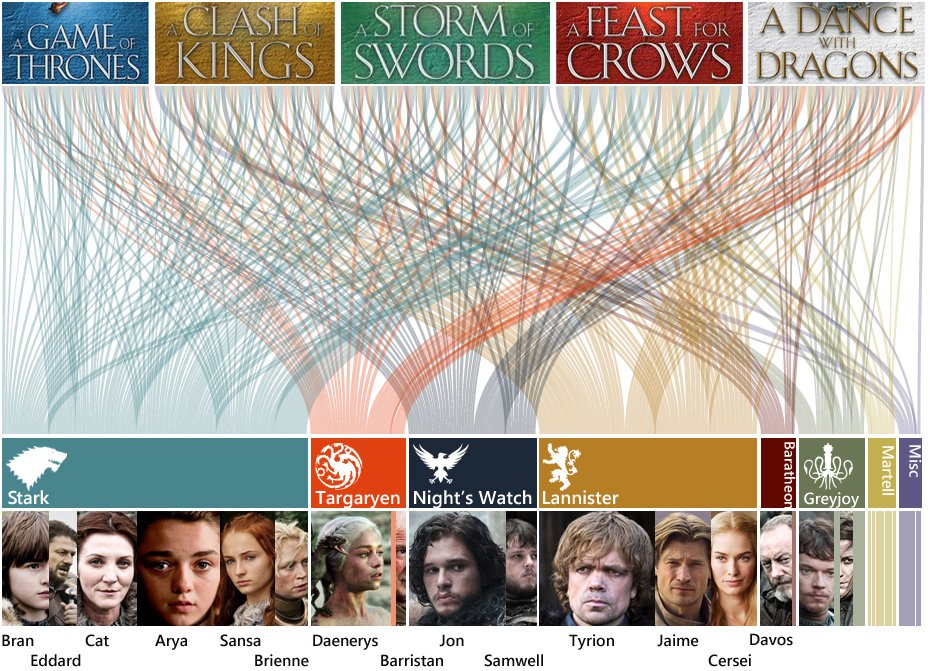
The book, A Game of Thrones, contains 73 distinct chapters that propel the narrative forward.
Have you ever found yourself completely immersed in Westeros, eagerly turning pages to see what happens next? A Game of Thrones chapters build such gripping momentum. Each one reveals a new layer of political intrigue or character development, making it so hard to put the book down. It makes you feel you are present in the story along with the characters.
The story unfolds through these well-structured segments, each a building block in the epic saga. You will be hooked by the intricate details and want to know all the twists and turns. This creates a reading experience that is both captivating and unforgettable.

A Deep Dive into A Game of Thrones Chapters
Okay, so you’re ready to explore the world of A Game of Thrones chapter by chapter? Fantastic! It’s like looking at a giant puzzle, where each chapter is a piece that helps build the entire picture. Instead of reading the book in one huge gulp, we’ll take it bite-sized. This way, we can really understand what’s going on, who the important characters are, and how the story unfolds. Think of it like a super fun treasure hunt, and each chapter is a clue! We’ll be checking out what makes each chapter special, how they work together, and why understanding them is so important for truly getting the story. So, get ready to put on your reading glasses and let’s dive in!
The Importance of Chapter Structure
Have you ever noticed how a good story is built? It’s not just a bunch of words thrown together! Just like a house needs a strong foundation, a story needs a good structure. In A Game of Thrones, chapters are like the building blocks. Each one gives us a different piece of the puzzle. George R.R. Martin, the author, uses chapters in a clever way. He shifts between different characters, allowing us to see the same events from different perspectives. This makes the story richer and keeps us guessing!
Point of View (POV): Most chapters are told from the perspective of a single character. This is called “point of view,” or POV. It’s like we’re looking at the world through their eyes, hearing their thoughts, and feeling their emotions. It helps us get to know them really well. Think about how different a story sounds when told by a brave knight versus a scared servant!
Pacing and Flow: Chapters also control how fast or slow the story moves. Some chapters are action-packed, filled with battles and surprises. Others are slower, focusing on conversations and character development. This change in speed keeps the story interesting and makes sure we don’t get bored.
Building Tension: Chapters can end in cliffhangers, leaving us wanting more! This is a great way for the author to build tension and make sure we stay engaged until the very end. It’s like he’s whispering, “What happens next? You have to keep reading!”
Key Characters and Their Chapters
Let’s meet some of the major players in A Game of Thrones. We’ll look at how their chapters help us understand who they are.
Eddard (Ned) Stark
Ned Stark is a noble and honorable man, the head of House Stark and Lord of Winterfell. His chapters show us the traditions of the North, as well as his strong sense of justice.
Duty and Honor: His chapters emphasize the importance he places on doing what is right, even when it’s difficult. We see how he struggles with the politics of King’s Landing, which is very different from Winterfell.
Family Man: We also see his love for his children and his concern for their safety, this love affects his actions throughout the story.
The Wolf and the Lion: In his chapters, we start to understand the conflict between the Starks (represented by a direwolf) and the Lannisters (represented by a lion), which is the heart of the story.
Catelyn Stark
Catelyn is Ned’s wife and she plays a crucial role, especially in her children’s lives.
Mother Bear: Her chapters often show her fierce love for her family. She is determined to protect them from harm, even when it leads to trouble.
Political Player: Catelyn, unlike Ned, understands the game of politics to some extent and tries to navigate it.
Emotions and Reactions: We see things from her perspective, which is often driven by strong feelings. Her reactions shape the story in many ways.
Daenerys Targaryen
Daenerys starts as a young girl, but over the course of the book, she grows into a powerful leader.
Transformation: Her early chapters show a timid girl who is controlled by her brother, Viserys. However, as she travels, she becomes stronger and more confident.
Culture Clash: Her experiences in Essos, across the Narrow Sea, introduce us to new cultures and beliefs.
Power and Dragons: Her chapters also show the birth and growth of the dragons, a central element in her storyline, making her very unique.
Tyrion Lannister
Tyrion is a witty and intelligent character, but he is also treated unfairly due to his dwarfism.
Intelligence and Humor: Tyrion’s chapters are often filled with clever dialogue and sarcasm. He’s a master of words and strategies.
Underdog: Despite his family’s wealth and power, he is often looked down upon. We see how he deals with this injustice.
Complex Character: Tyrion is neither entirely good nor entirely bad. His actions challenge the reader, this makes his chapters very intriguing.
Other Notable POV Characters
There are other important POV characters, like Jon Snow, a bastard son of Ned Stark, who starts his journey in the Night’s Watch. Sansa Stark, who gets wrapped up in the politics of King’s Landing and Arya Stark who has a mind of her own, and their chapters are just as important as the main ones. Their journeys are important, providing further depth to the story.
Chapter Types and Their Functions
Not all chapters are created equal. Some focus on setting the scene, others push the plot forward, and some give us a deep insight into characters. Let’s explore a few types of chapters.
The Exposition Chapter
These chapters are like a history lesson. They introduce us to new locations, explain important customs, and tell us about the past. They make sure that we understand the world of Westeros.
World-Building: These chapters fill in details about the Seven Kingdoms, the history of the noble houses, and the way people live.
Setting the Stage: They prepare us for the conflicts and challenges that are coming.
Background Information: They give context, helping us understand the present situation better.
The Character-Driven Chapter
These chapters take us inside the mind of a specific character. We learn about their motivations, fears, and dreams.
Introspection: We see their thoughts and feelings, helping us understand their choices.
Building Empathy: These chapters make us feel for characters, even if we don’t always agree with them.
Developing Relationships: We see how characters interact with others and how those relationships evolve.
The Action-Packed Chapter
These are the chapters that get our hearts racing! They are full of battles, chases, and shocking surprises.
Pacing: They speed up the story, making it very exciting.
Turning Points: Often, these chapters bring major changes to the story.
High Stakes: These chapters show the characters in dangerous situations, and we’re unsure of what will happen.
The Foreshadowing Chapter
These chapters drop hints about what might happen in the future. They often use symbols or cryptic dialogue to prepare us for big events.
Subtle Clues: These hints are not always obvious, so we need to pay attention.
Building Anticipation: They make us wonder what’s to come, increasing our suspense.
Reread Value: When you read the book again, these clues become clearer.
Analyzing a Specific Chapter: Example
Let’s take a quick look at one chapter and see how all this works. Imagine we are reading a random chapter.
The POV: We need to see whose perspective the chapter is from, as that is our lens for the entire chapter.
Key Events: What actions are taking place? What is happening in the story? Is there a big reveal?
Character Development: How does this chapter change our view of the character? What are their current motivations?
Setting/Atmosphere: How does the author create a mood in the chapter? Is it tense, happy, or sad?
Connections: How does this chapter fit into the larger story? What does it teach us about other events and characters?
The ending of the chapter: what is the main purpose of this ending? Does it leaves us with questions or gives a solution?
By thinking about all of these things for each chapter, we can understand a lot more about the story. It is like being a detective, putting together the pieces.
Why This Detailed Analysis Matters
Breaking down A Game of Thrones chapter by chapter might seem like a lot of work, but it’s truly worth it!
Deeper Understanding: You won’t just be reading words on a page, you’ll be living the story.
Better Appreciation: You’ll see how much thought and care the author put into crafting each chapter.
More Enjoyment: The story will feel richer and more satisfying when you understand all the details.
Improved Reading Skills: Analyzing chapters improves your attention to detail, and this helps you with reading all types of stories.
Connect with Other Fans: You’ll have plenty of interesting things to discuss with other Game of Thrones lovers!
Navigating the Complexity of A Game of Thrones
A Game of Thrones can be quite complex, with a large cast of characters, complicated plots, and shifting alliances. Taking the time to understand the chapters is like having a map, it makes it easier to follow the story. The narrative is not straightforward. The author uses many points of view, this means that we need to pay attention to see how each chapter contributes to the whole. As we have seen already, the different types of chapters serve different purposes, so it is important to note those when we analyze them.
Character Relationships: The characters have intricate relationships with each other, these relationships change over time, which we can see in the chapters.
Political Intrigue: The battles are not always fought in the battlefield, many times they are fought with words, and the chapters reflect this aspect as well.
Moral Ambiguity: Characters are not all good or all bad, and each chapter gives us more insight about the motivations of those characters.
Using Chapters to Track Character Arcs
One of the most fascinating things about A Game of Thrones is how much the characters grow, or sometimes change for the worst. By paying attention to their POV chapters, we see how their journeys have changed them.
Character Development: We see how characters learn from their experiences, and how this changes them.
Turning Points: Often these crucial moments are shown in a single chapter and the story after that is altered.
Motivations: We learn what characters care for, and what drives them to do things, and these aspects are generally revealed in their chapters.
So, as you read, pay attention to these changes. The author puts a lot of effort in building the characters in an organic way.
Chapter Summaries: Your Key to Success
Summarizing chapters as you read can help you keep track of important details. You can make short notes, write the main events, and even list the important characters. These summaries can help you remember the important parts of the story, and even help you predict what might happen in the future.
Here are some ideas for summarizing:
Main Character: Who is the POV character in the chapter?
Key Events: What happened in this chapter?
Important Quotes: Did anyone say something significant?
Connections: How does this chapter connect with other parts of the story?
By doing these summaries, you can get a clearer idea about the complex world of A Game of Thrones.
By the time you complete the book, you will find yourself an expert on this magnificent story! Now that you have the tools and knowledge, dive in and explore the world of A Game of Thrones chapter by chapter, you’ll discover that it is worth it!
A Game of Thrones – Chapter 25 – Eddard V
Final Thoughts
Exploring each section of A Game of Thrones reveals intricate plotting and character development. The individual chapters build the complex world, providing unique perspectives of the various houses.
The pacing of A Game of Thrones chapters allows for a gradual immersion into the world. This allows readers to become invested in each character’s journey and their choices. Reading chapter by chapter becomes must for understanding the overall narrative.

