
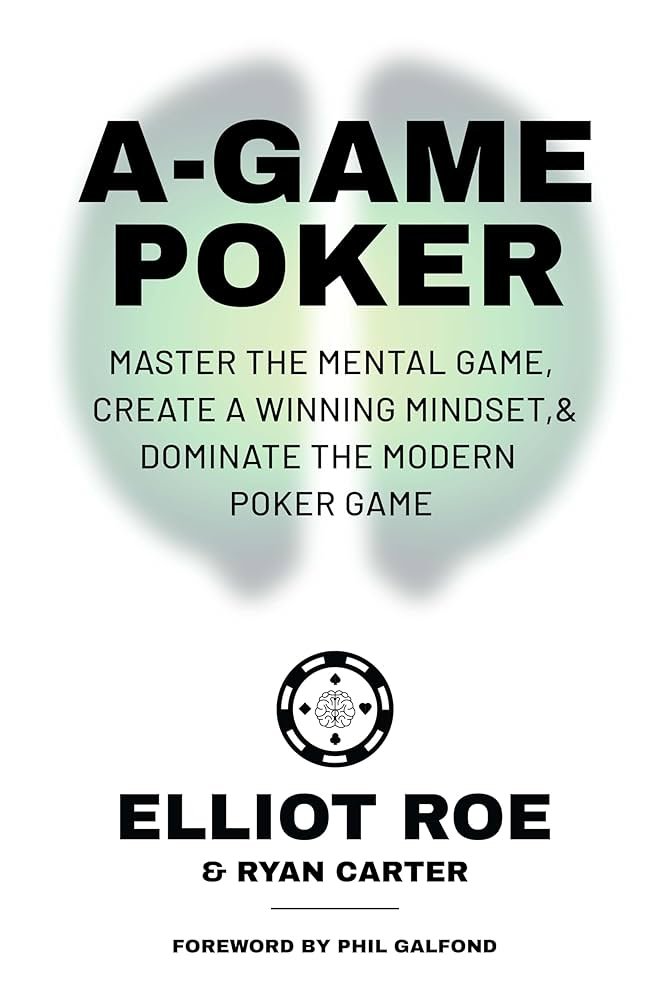
A-game poker represents the peak of your poker playing abilities; it’s when you make optimal decisions consistently, capitalizing on your strengths and minimizing mistakes.
Ever felt like you could play poker better? We all have those moments, where we felt just a hair away from perfect strategy. It’s that feeling that leads players to pursue their best possible game.
Achieving a-game poker isn’t about luck, it’s about calculated skill and focus. It requires deep self-awareness of your own habits, coupled with smart play.

Playing Your Best: Understanding A-Game Poker
Ever felt like you’re playing poker on autopilot? Like your mind is somewhere else and you’re just going through the motions? That’s definitely not your “a-game”. A-game poker is about performing at your absolute best, consistently. It’s not just about getting lucky; it’s about being in the right mental and emotional space to make the best decisions possible. It’s where your skills, focus, and control all come together, making you a formidable player at the table. This article will dive deep into what exactly “a-game poker” means and how you can reach that peak performance.
What Does “A-Game” Really Mean in Poker?
Think of it like this: imagine you’re a superhero. You have super powers (your poker skills), but you can’t use them to their fullest potential if you’re tired, distracted, or upset. “A-game” is when your hero is at their peak strength, focus, and calm. It’s the combination of many things all coming together.
Key Components of A-Game Poker
- Mental Clarity: Your mind is sharp and focused, able to process information quickly. You’re not daydreaming about other things; you’re fully present in the game. You’re thinking clearly and avoiding impulsive actions.
- Emotional Control: You’re not letting your emotions like anger or frustration control your decisions. You’re staying calm, even when things don’t go your way. This means avoiding “tilt” – that feeling of playing badly because you’re upset.
- Strategic Thinking: You’re using your knowledge of poker strategy to make well-informed choices. You’re thinking about the odds, your opponents’ tendencies, and the overall flow of the game.
- Optimal Decision-Making: You’re making the best decisions possible based on the situation, not just reacting randomly. Your actions are deliberate and calculated.
- Adaptability: You can change your game plan to deal with different opponents and table dynamics. You’re not stuck in a single way of playing.
The Importance of Reaching Your A-Game
Why is it so important to play your a-game? Well, when you’re at your best, you make fewer mistakes. Fewer mistakes equals more wins and less money lost. It’s really that simple. Playing in your a-game helps you to:
- Increase Win Rate: When you make good decisions consistently, your chances of winning increase.
- Minimize Losses: You’ll avoid making costly errors that drain your bankroll.
- Improve Overall Skill: Playing your best consistently allows you to learn and grow as a poker player. You get better feedback on your strategy and refine your game.
- Boost Confidence: Playing well gives you confidence in your abilities, which can further boost your performance.
- Enhance Enjoyment: Poker is much more enjoyable when you’re in control and playing well. You feel a sense of accomplishment.
Identifying When You’re Not in Your A-Game
It’s just as important to know when you’re not playing your best. This awareness allows you to make changes to get back on track. Here are some signs you might be playing below your a-game:
Signs of a Sub-Optimal Poker Game
- Feeling Distracted: Are you thinking about work, school, or other things instead of the game? If so, your focus isn’t where it needs to be.
- Making Emotional Decisions: Are you making plays out of anger or frustration? If your feelings are dictating your game, it’s a warning sign.
- Playing on “Auto-Pilot”: Are you making decisions without really thinking them through? When you play automatically, you’re not using your full strategy.
- Feeling Anxious or Stressed: Are you nervous or tense at the table? These feelings can cloud your judgment and make you play more cautiously than necessary.
- Making Bad Calls: Are you calling bets with weak hands just to see the next card? This is a sign of poor decision-making.
If you notice any of these signs, it’s crucial to take a step back and assess why you’re not playing your best. Ignoring these signs will only lead to further mistakes and bigger losses. You can’t fix a problem if you don’t know it exists.
Strategies for Reaching and Maintaining Your A-Game
Reaching your a-game isn’t something that happens by magic. It takes practice and intentional effort. Here are some strategies you can use to get there and stay there:
Preparing Before You Play
- Get Enough Sleep: Being tired makes it harder to focus and make good decisions. Make sure you’re well-rested before a poker session. Aim for 7-9 hours of sleep per night.
- Eat Well: A balanced and nutritious meal can give you the energy to stay sharp. Avoid sugary foods that can cause energy crashes.
- Avoid Alcohol and Other Substances: These can impair your judgment and slow down your thinking. It’s best to stay sober and clear-headed when playing.
- Warm-Up Your Mind: Just like athletes warm up their bodies, you should warm up your mind. Do a few mental exercises or practice some poker strategy before a game.
- Set Clear Goals: What do you want to achieve in this session? Are you focused on trying a new strategy, or are you trying to make a certain amount of money? Having clear goals helps keep you focused.
Managing Your Emotions During Play
- Stay Calm and Patient: Patience is crucial. Don’t let a few bad hands get to you. Poker is a game of the long run, so focus on making consistent good decisions.
- Take Breaks: If you’re feeling frustrated, step away from the table for a few minutes. Get some fresh air, stretch, and clear your head.
- Practice Mindfulness: Mindfulness is about being present in the moment. Pay attention to your thoughts and feelings without judgment. This can help you stay focused and in control.
- Don’t Chase Losses: If you’re losing, don’t try to win it all back in one big hand. This can lead to even bigger losses. Stick to your game plan and trust the process.
- Don’t Play When Upset: It’s hard to play your best when you’re feeling angry, sad, or stressed. If you’re in a bad mood, it’s best to avoid playing. Come back when you’re feeling better.
Improving Your Poker Skills
- Study Poker Strategy: There are many resources available to help you learn about poker. Read books, watch videos, and take online courses. The more you know, the better you will play.
- Practice Regularly: The more you play, the better you’ll get. Practice can be playing in games or working with poker training tools. Just like with any skill, the more you practice, the better you’ll become.
- Analyze Your Play: After each session, review your hand histories. What did you do well? Where did you make mistakes? Identifying your weaknesses helps you improve.
- Learn from Others: Discuss poker strategies with other players and learn from their experiences. Don’t be afraid to ask for advice.
- Use Poker Software: Software tools can help you analyze your play and find leaks in your game. These tools can be very helpful in identifying and fixing mistakes.
The Importance of a Good Mindset
Poker is just as much a mental game as it is a game of skill. If you don’t approach the game with a positive and strategic mindset, it will be very difficult to reach your a-game. Here are some mindset tips that can help:
Developing a Positive Poker Mindset
- Be Patient: Poker is a game of the long run. You won’t win every time, and that’s okay. Stay patient and trust the process.
- Focus on the Process, Not Just the Outcome: It’s important to focus on making good decisions, regardless of whether you win or lose. Even a good decision can have a bad result at times, that’s just the nature of poker.
- Be Adaptable: Be prepared to adjust your strategy based on your opponents and the game situation. Don’t get stuck in a single way of playing.
- Accept Variance: Sometimes, you’ll lose even when you play perfectly. Accept that luck is a part of poker and focus on making the best decisions you can.
- Have Fun: Remember why you enjoy playing poker. Keep the game enjoyable, and try to have fun when you play.
Tracking Your Progress
How do you know if you’re improving? It’s important to have ways to track your progress. Here are some tools and methods you can use to monitor your poker game:
Methods for Tracking Progress
- Keep a Poker Journal: Write down your thoughts, feelings, and strategies before, during, and after your poker sessions. This will help you identify your strengths and weaknesses.
- Review Hand Histories: Analyze your past hands and find areas where you could have played better. Use software tools to help you.
- Track Your Results: Keep records of your wins, losses, and hourly rate. This helps you see if you’re making progress over time.
- Seek Feedback: Talk to other poker players, coaches, or mentors and ask for their honest feedback. Use that feedback to improve your game.
- Set Realistic Goals: Set short-term and long-term goals for your poker game. Track your progress and adjust your strategy as needed.
By consistently tracking your progress, you’ll be able to make improvements more efficiently and see if your efforts are paying off.
Reaching and maintaining your a-game in poker is a continuous journey, not a destination. It requires dedicated practice, self-awareness, and a commitment to your own growth as a player. By focusing on the mental, emotional, and strategic aspects of the game, you can play better, make smarter choices, and enjoy poker at the highest level.
$2,467,200 Gardens Poker Championship Final Table
Final Thoughts
Playing your best poker means focusing on strategy and adapting to opponents. Disciplined bankroll management keeps you in the game. Emotional control is essential for consistent performance.
The best players avoid tilt and maintain composure. A-game poker requires preparation and practice. It takes dedication and continuous learning to reach that next level.
Ultimately, consistently playing a-game poker comes down to a disciplined, well-rounded approach to the game.

