
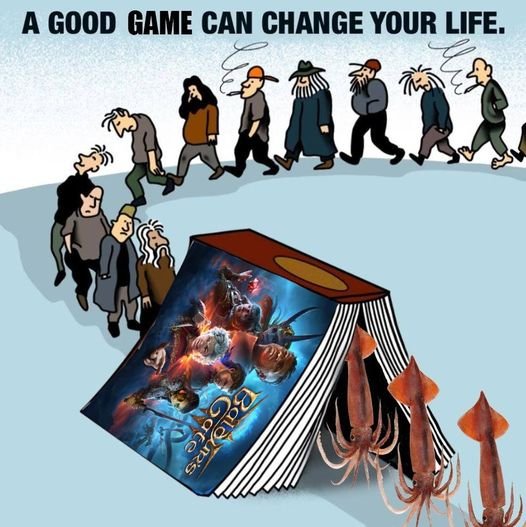
A good game can change your life by offering new perspectives, building valuable skills like problem-solving and teamwork, and providing a sense of accomplishment and social connection.
Have you ever considered the profound impact entertainment can have? Sometimes, something seemingly simple can unexpectedly alter your course. It may sound improbable, but a good game can change your life.
It’s more than just pixels and points; it’s about experiences. These experiences can shape how you think, interact, and grow. The right game can push your boundaries and make you think differently.

How a Good Game Can Change Your Life
We all play games, right? Maybe it’s a board game with family, a quick video game after school, or even a sport outside. But have you ever thought that a game could do more than just entertain you? A really good game, the kind that grabs your attention and keeps you thinking, can actually make a big difference in your life. It’s not just about having fun, although that’s a big part of it. Games can teach us important things, help us grow as people, and even open up new paths we never expected. Let’s explore how.
The Power of Problem-Solving
Many games, especially video games and board games, are all about solving problems. You might have to figure out how to get past a tough level, outsmart an opponent, or manage your resources carefully. When you’re playing a game that makes you think, you’re exercising your brain in a way that can help you in real life. This process helps you develop critical thinking skills.
Thinking Outside the Box
Games often require you to find solutions that aren’t obvious. You may need to try different strategies, combine ideas, and experiment. This “thinking outside the box” skill is extremely helpful for school, work, and all kinds of daily situations where things don’t go exactly as planned. It teaches you that there can be many ways to approach a problem and that sometimes the best solution isn’t the one you first thought of.
Developing Logical Reasoning
Some games are built on logic and rules. For instance, strategy games, puzzle games, and even some card games need you to understand how things fit together. This practice enhances your ability to use logic and figure things out step by step. You start recognizing patterns and sequences, which are important for math, science, and even just understanding how the world works around you.
- Strategy games often involve long-term planning and predicting your opponent’s moves.
- Puzzle games improve your spatial reasoning and pattern recognition.
- Card games can teach you about probabilities and risk assessment.
Boosting Creativity and Imagination
Some games aren’t about strict rules or solving puzzles; they’re about exploring your own creativity. Games like Minecraft, where you can build anything you imagine, are perfect examples of this. They encourage you to use your creativity to come up with new ideas, and that creativity can spill over into your school work, your hobbies, and other aspects of your life.
Expressing Yourself Through Games
Sometimes, a game gives you a chance to show who you are. When you create a character in a game, or when you make choices that affect the storyline, you are expressing yourself in a new and fun way. This kind of creative expression helps you get in touch with your inner thoughts and emotions.
Inspiring New Ideas
The worlds and characters in video games, or the imaginative scenarios in tabletop role-playing games, can actually spark new ideas. They can introduce you to different cultures, historical settings, or fantasy realms. When you’re exposed to new things, it can inspire you to think differently and to dream big. You might get ideas for stories, art projects, or even inventions just by playing a game.
Enhancing Social Skills and Teamwork
Many games, especially multiplayer games, are not just individual challenges; they involve working with other people. Whether it’s playing with your friends at home or joining a team online, you learn how to work together, communicate effectively, and understand different perspectives. These are vital social skills that are valuable in every part of life.
Learning to Communicate Effectively
When you’re part of a team in a game, you have to communicate. You need to tell your teammates your plan, ask for help, and listen to what they have to say. Learning to communicate clearly and respectfully in a game helps you do the same thing in real life. It gets you prepared for speaking up in class, sharing ideas in a group project, or even just having better conversations with your friends.
Working Together Towards a Common Goal
Games that involve teamwork teach you how to work towards a goal with other people. You realize that different players have different strengths and weaknesses, and you learn to depend on each other to succeed. This skill of teamwork and understanding interdependence is useful in any situation that requires cooperation. Whether it is a group assignment at school, a family trip, or a community event, you now understand how to collaborate and achieve something together.
Developing Resilience and Perseverance
Let’s face it: you don’t always win in games. Sometimes you lose, sometimes you fail, and sometimes you just get stuck. But here’s the good part: games can teach you how to handle these challenges. When you face setbacks in a game, you learn to keep trying, to learn from your mistakes, and to never give up. This is what people call resilience, and it’s a valuable life lesson.
Learning from Failure
When you fail in a game, it can be frustrating, but it’s also a chance to learn. You can analyze what went wrong, try a different approach, and keep practicing. Games allow you to fail in a safe place, where the consequences aren’t serious, which in turn, makes you more ready to tackle challenges in real life where setbacks can have higher stakes.
Building Perseverance
Some games are hard, and completing them takes time and effort. However, when you finally succeed in a difficult game, it builds your perseverance. You learn that if you stay committed and persistent, you can achieve your goals. This perseverance and strong will can come in handy for challenging school assignments, personal projects, and any other difficult situation you encounter in life. When you’re persistent, you’re more likely to achieve success in your goals.
Boosting Cognitive Abilities and Brain Function
Playing certain games can actually help improve how your brain works. Many games need you to pay attention, remember things, and react quickly. All this mental exercise keeps your brain sharp and can enhance your cognitive abilities. This doesn’t just help with playing games, but also with learning at school and in other real life situations.
Improving Attention Span and Focus
Games that require you to concentrate and focus can improve your attention span. When you play a game that demands your complete focus, your brain learns to block out distractions. This can help you pay better attention in class and concentrate on tasks that require extended focus. A better attention span improves your overall learning and processing abilities.
Enhancing Memory and Recall
Some games involve memorizing patterns, sequences, or facts. When you play these games, you’re exercising your memory. This can help you improve your recall, making it easier to remember things you read or hear, which in turn assists with your studies, and also helps to recall important details in your day-to-day life.
Emotional Growth and Empathy
Believe it or not, games can even help you understand and manage your emotions. When you play games that involve stories or characters, you often experience a range of emotions. Games also let you experience situations from different perspectives. This in turn, helps you to understand how others feel and develop empathy.
Experiencing Different Emotions
Games can make you feel happy, sad, excited, frustrated, and all sorts of other emotions. Experiencing these emotions in a game allows you to practice handling them. You realize it’s okay to feel different things and that it’s possible to manage them constructively. This kind of emotional experience helps you develop emotional intelligence, which is a very valuable skill for understanding yourself and others better.
Developing Empathy and Understanding
When you play games with characters that have their own stories and challenges, it’s like stepping into their shoes. You learn to see things from different points of view, which helps you develop empathy. This can make you a more compassionate and understanding person. Empathy allows you to relate to others better and build stronger relationships with people around you.
Games as a Source of Stress Relief and Relaxation
Life can get stressful, and games can be a really great way to relax and unwind. When you’re playing a game you enjoy, you get a break from school, work, or other worries. This break can help you feel refreshed and ready to face challenges with a positive mindset. Games can also provide a sense of accomplishment, which boosts your mood and self-esteem.
Providing an Escape from Everyday Worries
Games give you a way to escape from the pressures of daily life. When you’re focused on a game, you can temporarily put aside other concerns. This break allows your mind to rest and your body to relax. When you’re less stressed, you’re more likely to be productive and feel happier.
Offering a Sense of Accomplishment
When you achieve something in a game, like beating a level or finishing a puzzle, it can give you a real sense of accomplishment. These small wins help boost your confidence and can make you feel more positive. This positivity can carry over into other areas of your life and make you more motivated to pursue your goals.
Exploring Potential Career Paths
Did you know that playing games could actually lead to a job someday? The skills you gain from playing games—like problem-solving, creativity, teamwork, and focus—are valuable in many professions. Also, the gaming industry itself is a big source of employment. You might decide you want to be a game designer, a professional gamer, a streamer, or work in a related field.
The Growing Gaming Industry
The gaming industry is growing rapidly. Many types of jobs are available in the field, from creating games to testing them, and writing about them. If you have an interest in games, the industry might be a great field for you to pursue, offering a diverse range of opportunities.
Transferable Skills for Many Jobs
The skills you gain from playing games can apply to many different careers, even if they’re not directly related to gaming. The ability to work with a team, solve problems quickly, and stay focused under pressure is very helpful in jobs like engineering, teaching, and business. So, even if your future career path isn’t game related, the skills you get from games can boost your skills.
Finding Community and Belonging
Games are not just an individual activity; they can also connect you with other people. Whether you’re playing with friends, family, or joining online communities, games can help you feel like you belong. These gaming communities can provide valuable social support and help you build strong friendships.
Connecting with Like-Minded People
When you play games, you often connect with people who share your interests. You can talk about your strategies, share your favorite games, or work together to achieve something. Finding people who enjoy the same things as you will give you a sense of belonging and social connection, which are very important parts of healthy life.
Building Friendships and Relationships
Playing games together is a great way to make new friends and build stronger relationships with your existing friends. Working together on a challenge or having friendly competition can create strong bonds. These relationships offer emotional support, companionship, and even fun times outside the gaming world.
In conclusion, it is clear that a good game can truly affect your life in several positive ways. Games can sharpen your problem-solving skills, boost your creativity, help you learn to work well with others, make you strong mentally, sharpen your focus, help you manage emotions, provide an escape from stress, and even open up doors for careers. They can connect you with others and build a community around shared interests. Whether it’s a board game or video game, consider the positive potential they have to contribute to your growth. Therefore, next time you pick up a game, remember you are not just playing, you are also growing, learning and having fun!
The game that can give you 10 extra years of life | Jane McGonigal
Final Thoughts
Ultimately, engaging games provide unique experiences. They teach problem-solving, strategic thinking, and teamwork. These acquired skills have value outside the digital world. A good game can change your life; it can impact personal growth. This impact is significant.
Playing thoughtfully improves focus and resilience. It encourages social interaction and builds communities. These benefits enhance overall well-being. A good game can change your life through fun.

