
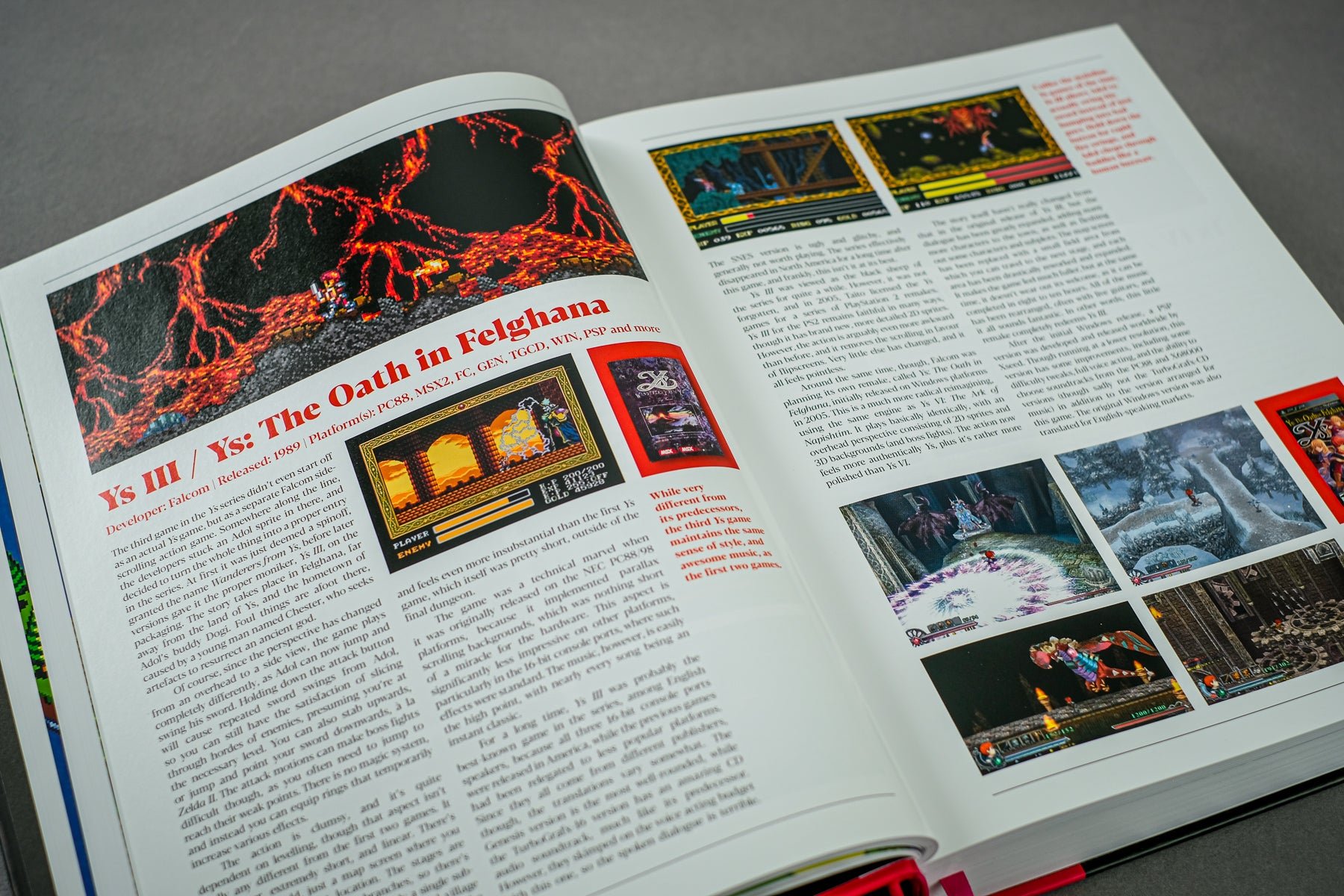
Japanese role-playing games, or JRPGs, typically feature turn-based combat, intricate stories, and character development, often with anime-inspired visuals.
Venturing into the world of Japanese role-playing games can feel like stepping into another realm. These games, known as JRPGs, offer unique experiences compared to their western counterparts. This is precisely why we have created a guide to japanese role-playing games, to help you navigate this fascinating genre.
From the sprawling maps to the engaging battle systems, each game has a different flavor. Prepare yourself for captivating storylines and memorable characters. We hope this guide will be a good starting point for your adventures.

A Guide to Japanese Role-Playing Games
Alright, buckle up, gamers! We’re diving headfirst into the amazing world of Japanese Role-Playing Games, or JRPGs as they’re often called. These aren’t your average video games; they’re journeys filled with captivating stories, memorable characters, and strategic battles. Get ready to explore fantasy worlds, meet awesome heroes and villains, and maybe even shed a tear or two. Let’s jump in and learn what makes JRPGs so special.
What Makes a JRPG a JRPG?
So, what exactly sets a JRPG apart from other role-playing games? It’s more than just being made in Japan. There are some key features that often show up in these games.
Storytelling is King
JRPGs are famous for their epic narratives. Think grand tales of good versus evil, personal journeys of growth, and complex characters with their own motivations. These stories often involve saving the world, or maybe just a small town. The emphasis on story is one of the core elements that makes JRPGs distinct. They’re not just about fighting monsters; they’re about experiencing a story that unfolds like a good book or a great movie.
Turn-Based Battles
While some modern JRPGs are moving towards more action-oriented combat, many still use turn-based battle systems. This means you take your time to think about your moves. It’s like a strategic dance, where you plan your attacks, use special abilities, and protect your team from the enemies. Each character usually has unique skills, and choosing the right ones is crucial for victory. This focus on strategy and planning is a hallmark of the genre.
Character Development
Another key aspect is the focus on character development. You’ll watch your characters grow stronger, learn new abilities, and often, evolve as people throughout the story. This progression is deeply satisfying as you witness their personal growth alongside their in-game stats. Whether it’s a shy hero finding their courage or a villain revealing their tragic past, characters are always at the heart of the JRPG experience.
Art Style and Aesthetics
Many JRPGs feature a distinctive anime-inspired art style. Think bright colors, expressive characters, and fantastical designs. The visuals help bring the worlds and stories to life, adding to the sense of wonder and adventure. The music is also incredibly important, with often memorable soundtracks that further enhance the atmosphere of the game.
The Grind
Let’s be real, JRPGs often involve some grinding. This means fighting enemies repeatedly to level up your characters and gather items. While it might sound tedious, it’s often a relaxing and rewarding part of the experience. It lets you feel the progress of your characters and often provides opportunities to try out new strategies.
Popular Subgenres in JRPGs
The world of JRPGs isn’t a single blob; it’s filled with different flavors. Let’s explore a few common subgenres.
Traditional Fantasy JRPGs
These are the JRPGs that most people picture when they think of the genre. These games are usually set in a medieval-inspired fantasy world with swords, magic, dragons, and quests. You’ll often play as a chosen hero destined to save the world from a dark lord or ancient evil. Think games like the early Final Fantasy titles, or Dragon Quest.
Sci-Fi JRPGs
Going from swords to spaceships, Sci-Fi JRPGs take place in futuristic or sci-fi worlds. They feature advanced technology, space exploration, and sometimes, robots! These games often focus on themes of technology versus humanity, or the mysteries of the universe. Games like the Phantasy Star series and Xenoblade Chronicles fall into this category.
Modern Setting JRPGs
Some JRPGs break from fantasy or sci-fi settings and take place in a more modern world, often with a bit of a fantastical twist. They often deal with themes of everyday life, but with supernatural or otherworldly elements. The Persona series is a classic example of a modern setting JRPG, mixing high school life with dungeon crawling and monster battling.
Tactical JRPGs
Tactical JRPGs, also known as SRPGs, blend the character development and story elements of JRPGs with turn-based strategy gameplay similar to chess or tabletop wargames. Here, the battlefield is divided into squares or hexes, and positioning your units is as important as their stats. Games such as Fire Emblem and Final Fantasy Tactics belong to this subgenre.
Getting Started with JRPGs
Ready to begin your JRPG adventure? Here are some tips to help you get started.
Picking Your First Game
With so many JRPGs to choose from, it can be tough to know where to begin. Consider these questions:
- What kind of story are you in the mood for? A grand fantasy epic? A sci-fi adventure? Or something more personal and modern?
- Do you prefer turn-based combat or something more action-oriented?
- Are you okay with a bit of grinding, or do you prefer a smoother experience?
- Do you like games with a lot of character development and emotional moments?
Based on your answers, you can search for games that fit your preferences. Some popular starting points include:
- Final Fantasy X: A classic for its amazing story, characters, and turn-based battles.
- Chrono Trigger: A timeless classic with a fun time-traveling plot and enjoyable gameplay.
- Persona 5 Royal: A stylish modern JRPG with a fantastic cast and a unique social sim aspect.
- Dragon Quest XI: A charming and traditional JRPG with a vast world to explore.
Understanding the Basics
Most JRPGs have certain things in common:
- Leveling Up: Your characters become stronger by gaining experience from battles.
- Equipment: Finding and equipping new weapons and armor is crucial for character development.
- Skills and Magic: Characters learn new abilities and magic spells throughout the game.
- Inventory Management: Keeping track of items is important to survive long journeys.
- Save Often: JRPGs can be long, so saving your progress frequently is a must.
Tips for Success
- Don’t be afraid to experiment. Try out different characters, skills, and strategies.
- Talk to everyone. Non-player characters (NPCs) often provide useful information or side quests.
- Explore thoroughly. Hidden items and areas are often worth the detour.
- Be patient. Some JRPGs can be challenging and require time and effort to learn.
- Enjoy the story. JRPGs are as much about the experience as they are about winning.
Deeper Dive: Common JRPG Tropes
As you play more JRPGs, you’ll start to notice some familiar patterns, or tropes. These repeated elements aren’t necessarily bad, but they are common in the genre. Let’s take a look at some of them.
The Chosen One
Many JRPGs feature a main character who is destined to save the world. They often have a special power, hidden heritage, or are chosen by fate. This trope gives the protagonist a sense of importance and is a classic storytelling device.
Amensia
It’s surprisingly common for JRPG characters to suffer from amnesia. This can be a way to introduce mystery to the story, or to give the character a chance to discover who they really are. It’s also a convenient way for the game to start you off with zero knowledge of the world.
The Power of Friendship
Friendship and teamwork are often crucial themes in JRPGs. Your characters will rely on each other to overcome challenges, and their bonds of friendship can become powerful tools. This trope emphasizes the importance of camaraderie and mutual support.
Spiky Hair and Big Swords
JRPG characters often have over-the-top designs, including spiky hair, large anime eyes, and impressive weapons. These iconic designs are a part of what makes the art style so recognizable and contribute to the fantastical feel.
The Silent Protagonist
Some JRPGs feature a main character who rarely speaks. This allows the player to project their own personality onto the character, and it keeps the focus on the actions and choices they make. While seemingly silent, their actions and facial expressions can convey a lot.
The Power of Emotions
Emotional moments, dramatic cutscenes, and tear-jerking sacrifices are often a big part of the JRPG experience. These moments add depth to the characters and the story, and help create an engaging narrative that sticks with players long after the game is finished.
The Future of JRPGs
The world of JRPGs is always changing. New games are constantly being made, pushing the boundaries of storytelling, gameplay, and art style. Here’s what to expect from the future:
Evolving Combat Systems
While turn-based combat is still important, many JRPGs are experimenting with more action-oriented systems, trying to blend the strategy of turn-based combat with the exciting feel of real-time action. We can expect to see further experimentation in this space, providing a variety of combat experiences.
Increased Accessibility
Developers are making efforts to make JRPGs more accessible to newcomers. This includes features like tutorials, adjustable difficulty levels, and user-friendly interfaces. These changes will make it easier for more people to jump into the genre.
Indie JRPG Scene
The indie game scene is also booming with unique and interesting JRPGs. Many smaller developers are trying out new ideas and subverting genre conventions, providing fresh and exciting takes on the familiar formula. These games are often very creative, with unique art styles and intriguing stories.
Cross-Platform and Digital Focus
We see more JRPGs appearing on various platforms, including consoles, PCs, and even mobile devices. Digital distribution has made it easier for people all over the world to experience these games, making the genre much more accessible.
Japanese Role-Playing Games are a captivating corner of gaming, full of engaging stories, unique characters, and strategic gameplay. From classic tales of fantasy to futuristic sci-fi adventures, there is a JRPG out there for everyone. So, take the plunge, pick a game that sparks your interest, and get ready to embark on an unforgettable journey!
A Guide to Japanese Role-Playing Games | Book Review | Cannot be Tamed
Final Thoughts
Exploring the world of Japanese role-playing games can feel daunting. However, understanding key elements like turn-based combat and compelling narratives makes the experience richer. A deep dive into diverse titles reveals amazing gameplay.
This guide to japanese role-playing games highlights vital aspects. Players should embrace the unique charm and complexities of this genre. Many outstanding adventures await those who dare.
Remember, patience and open minds are must for enjoying JRPGs.

