
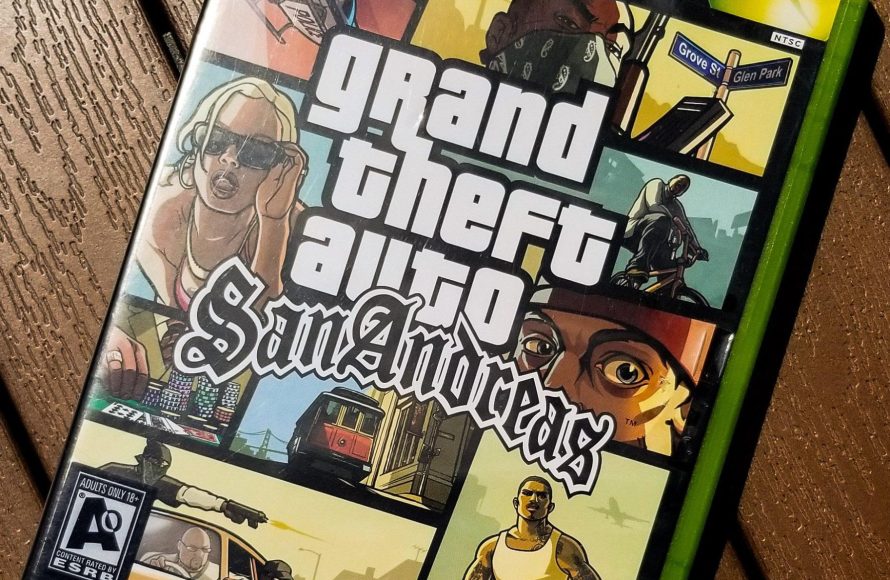
A “ao” rated games means they contain content that is explicitly for adults, typically including graphic violence, intense sexual content, or other mature themes.
Ever wondered about those games sporting the dreaded “AO” rating? They are not for everyone, that’s for sure. These games, labelled “a o rated games” by the ESRB, definitely aren’t made for kids.
They carry a heavy classification. The classification signals to any potential player that the content within goes beyond the norm. Think very explicit and graphic, not for the faint of heart.

Understanding A O Rated Games: What Are They?
Alright, let’s dive deep into the world of A O rated games. You might have heard about them, maybe even seen them on a game store shelf, but what does “A O” really mean? It stands for “Adults Only.” This rating is given by the Entertainment Software Rating Board, or ESRB, in the United States. Think of it like a movie rating, but for video games. When a game gets an A O rating, it means that the game has content that is suitable only for adults, generally those who are 18 years or older.
Why are Games Rated A O?
A O ratings aren’t given lightly. They are reserved for games that contain intense, graphic content. This can include things like:
- Explicit Sexual Content: This doesn’t just mean a little kissing! It can involve detailed depictions of sexual acts.
- Extreme Violence: We’re talking about graphic scenes of violence, maybe involving dismemberment, lots of blood, or torture.
- Heavy Use of Illegal Drugs: Games might depict heavy drug use or drug trade and other related activities.
- Intense Adult Themes: These games often explore dark and mature topics that are inappropriate for younger players.
Basically, if a game has content that’s too strong, too realistic, or too disturbing for anyone under 18, it’s likely to get an A O rating. The ESRB wants to make sure parents know what their kids are playing. This rating is a big red flag that says, “This game is not for kids!”
The Difference Between A O and M Rated Games
It’s easy to confuse A O with M for Mature. Both are for older audiences, but they have key differences. M rated games, meant for those 17 and older, might have violence, strong language, and suggestive themes. But an A O rating takes it further. Think of it like this:
| Rating | Age Recommendation | Content |
|---|---|---|
| M (Mature) | 17+ | Strong Language, Violence, Suggestive Themes |
| A O (Adults Only) | 18+ | Explicit Sexual Content, Extreme Violence, Drug Use, Intense Adult Themes |
An M-rated game might show a fight with some blood, while an A O-rated game might show a person being violently attacked in graphic detail. The level of intensity is much higher in A O games.
Finding and Buying A O Rated Games
A O games are not as common as games with other ratings, and they aren’t usually found in regular retail stores. Because of their adult content, stores often choose not to sell them. This makes them difficult to find sometimes. If you’re looking to buy one, here are a few places where you might look:
Online Game Stores
Many digital game stores allow you to purchase and download these types of games. Make sure you are of the legal age before you try buying one from these stores. Common game stores like Steam, GOG, or the Playstation Store could sometimes have these games but always require an age check before any purchase can be made.
Specialized Retailers
There are specific game stores, either online or physical ones, that do focus on more mature video games. They might have a section dedicated to A O titles. If you live near one or can order from them online, you can try looking in those shops.
Checking for Regional Differences
Keep in mind that different countries and regions have their own rating systems. A game might be A O in the US, but have a different rating somewhere else. Be sure you are aware of your local rating system, and if you are ordering from another region, be careful of any rating differences and the age of the game.
The Controversy Around A O Rated Games
A O games tend to be controversial, and that is okay. People have strong feelings about them and their place in society. There are a few reasons for this.
The Impact on Young People
Many people worry about kids getting ahold of A O games. If a kid sees extreme violence or explicit sexual content it could influence their thoughts and understanding of those themes. It can be confusing and disturbing for a young player to be exposed to such content.
Debate About Artistic Expression
Some people argue that A O games, even though they are very graphic, can be a form of artistic expression. They say that mature themes are part of adult life, and video games can be a medium for exploring such topics. However, there is still debate to this date on whether these types of video games can be considered art.
The Freedom of Choice
Then there’s the question of freedom of choice. Some think that if an adult wants to play these games, that is their right. They argue that as long as there are safeguards to keep these games out of the hands of young people, adults should have access to these games. Many people believe that video games are one of the many forms of media available, and therefore, adults should have access to it like they have access to movies or books.
Why Some Games Get an A O Rating and Some Don’t
Have you ever wondered why one game might get an M rating while another gets an A O rating even when both might contain violence? Well, the ESRB looks at many things when deciding on a rating. Here are some examples:
Level of Detail
The level of detail in the game is really important. If violence is shown in a very realistic and detailed manner, with lots of blood, it is much more likely to end up as an A O. On the other hand, if the violence is more cartoonish and less detailed, the game might get a lower rating, such as Mature.
Type of Sexual Content
Similarly, with sexual content, the kind and extent is very important. If the game contains very explicit sexual acts, rather than suggestive themes or implied scenes, it will definitely get a higher rating, and that could mean an A O rating. A game with less graphic or detailed depiction of sexual acts might not even get a Mature rating.
Overall Tone and Context
The overall tone and context of the game also matter. Is the game trying to be very dark and intense? Does it have very mature themes that it does not hold back from exploring? Does it encourage bad behavior like drug use? These are the types of things the ESRB looks at. Games that have very dark and mature context and tones are more likely to end up with an A O rating.
Are There Benefits to Playing A O Rated Games?
This is a tricky question because these games are designed for a specific audience. For the intended adult audience, some might argue there can be benefits like:
Exploring Mature Themes
A O games can sometimes tackle complex and mature themes that are not covered in other forms of media. They can explore subjects like morality, the consequences of violence, and adult relationships. Some adults might enjoy a game that has deep and mature themes that can cause them to think deeply and critically about its subjects.
Experiencing Intense Narrative
Some A O games use their graphic content to enhance a story and make it much more impactful. They may not always be positive narratives, but they can certainly impact an adult player more. An adult player might be able to see the artistic value in it and appreciate it for what it is.
An Alternative Form of Entertainment
For some adults, these games offer a form of entertainment that they can enjoy, without having any negative impacts on them. They might even be a good way for some people to let off steam after a hard day at work. Many adults find enjoyment in video games of any genre, and this is not an exception.
Keeping A O Games Out of the Hands of Young People
It’s important to make sure that A O rated games are played only by adults. Here are a few ways you can help:
Monitoring Purchases
Make sure that young people do not have access to a credit card and online store information, as they can use it to try and purchase an A O game. Keep a look out on what games your children are looking into, and make sure that they are within the suitable ratings for their age.
Setting Parental Controls
Many consoles and online stores have parental controls. You can use these to restrict what kind of content your kids can purchase and see. These parental controls are often effective in keeping a child away from games of certain ratings.
Talking to Kids About Game Ratings
Have a conversation with your children about video game ratings. Explain why there are age ratings and why it’s important to follow them. If they understand why certain games are not for them, they might be more accepting of what they are allowed to play.
Being an Example
If you play games with adult themes, do not allow your children to watch, or play with you. By showing a good example, it could show your children that these games are really for adults.
A O rated games are not for everyone, and that is okay. They are not as popular as most other game ratings, and it makes sense that you don’t see them everywhere. It is very important to make sure that if you are someone who is not 18+, then it is probably best to stay away from these games.
If you are of legal age, and understand the themes that these types of games have, then they could be for you, if you enjoy them. But always remember to be responsible and make sure that no one under the age of 18 gains access to them. Ultimately, the ESRB wants to make sure that all parents can make an educated decision about what video games their kids play, and these rating systems do a great job of that!
The Forbidden Video Game Rating
Final Thoughts
Ultimately, choosing games depends on individual preferences and maturity levels. Parents must carefully consider content before allowing access. These types of games often contain mature themes.
‘a o rated games’ are intended for adults only, therefore it is crucial to be responsible. Always check the rating before purchasing or playing. It ensures a suitable gaming experience.

