
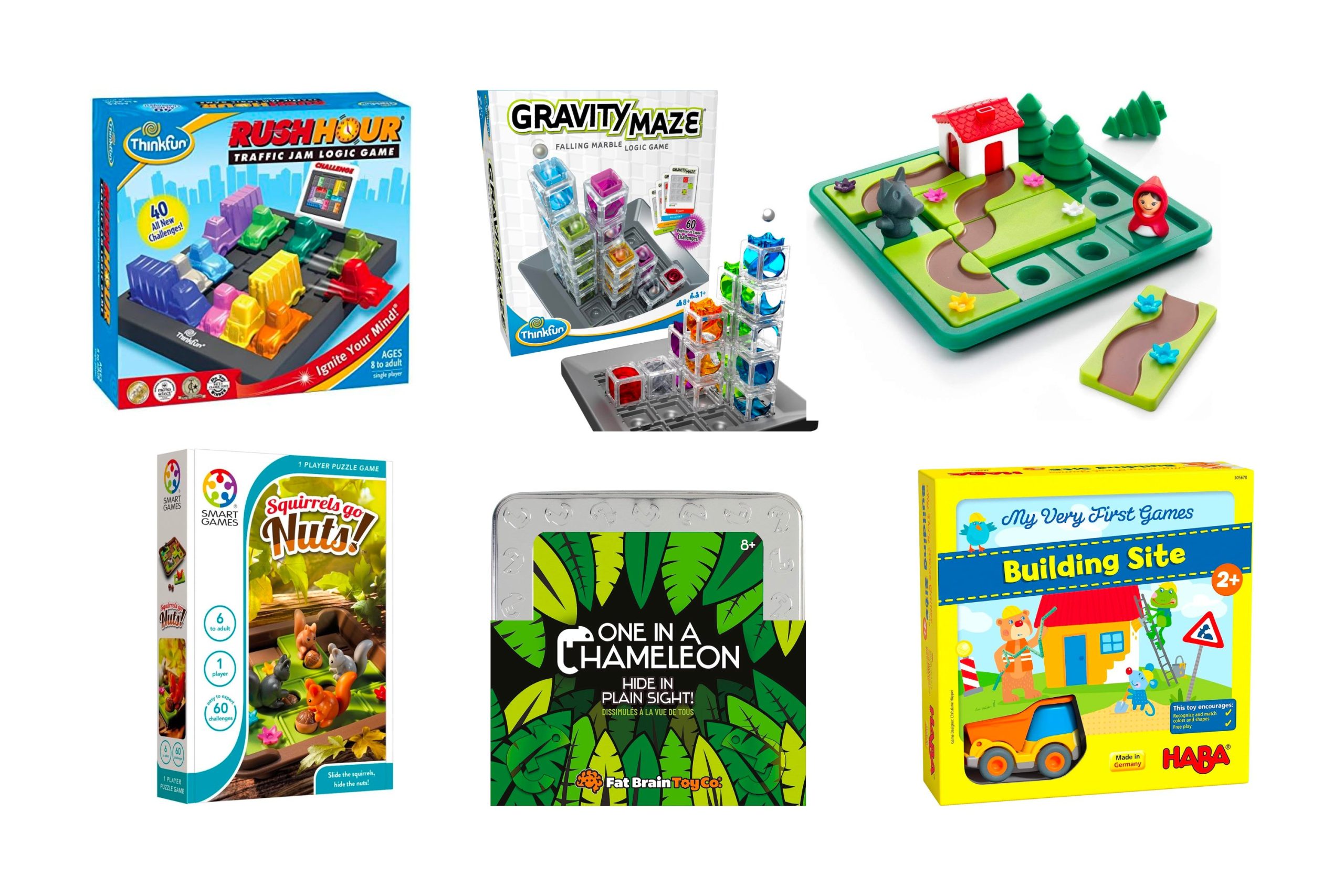
A one-player game is an activity that a single individual can enjoy, providing entertainment or challenge without the need for other participants.
Have you ever found yourself with some downtime, wanting a bit of fun but nobody else is around? Maybe you prefer solitary pursuits, or simply wish to sharpen skills independently. A one-player game can be the perfect solution for all of these situations. They offer a unique way to engage your mind and relax.

Exploring the World of a One-Player Game
Ever felt like diving into a game world all by yourself? That’s where a one-player game shines! These games are designed just for you, offering exciting adventures, brain-teasing puzzles, or relaxing experiences without needing anyone else. They’re perfect for when you want to chill, challenge yourself, or just escape into a different reality. Let’s take a closer look at what makes these games so special.
Why Play a One-Player Game?
There are loads of reasons why someone might prefer a game that’s just for one. Think about it – no waiting for your turn, no arguments about the rules, and you can play at your own pace! Here are a few common reasons:
- Flexibility: You can start and stop whenever you want. No need to wait for other players. You control the gaming session.
- Personal Challenge: Many one-player games let you test your skills against the game’s challenges or your own personal best.
- Relaxation: Some single-player games are designed to help you unwind and de-stress after a long day. It’s like having a mini-vacation in your own home.
- Immersive Stories: Story-driven one-player games can pull you into compelling narratives and worlds that can be deeply engaging.
- Convenience: You don’t need to gather friends or find a partner. Just pick up and play!
Types of One-Player Games
The world of one-player games is super diverse! There’s something for everyone. Let’s explore some of the main categories:
Adventure Games
Get ready for excitement! Adventure games usually involve exploring, solving puzzles, and following a storyline. You often play as a character who travels through a world, facing different tasks and challenges. Think of games where you explore mysterious caves or help a kingdom in danger. These games have a lot of depth, and they will often have stories that unfold like a good book or movie.
- Key Features: Exploration, puzzles, storytelling, character progression
- Examples: The Legend of Zelda, Uncharted, many role-playing games (RPGs)
Puzzle Games
If you enjoy brain-teasers, puzzle games are your thing! These games challenge your mind with different types of puzzles. They can involve logic, pattern recognition, or even wordplay. They’re great for improving your thinking skills. These games can often be short, allowing you to jump in and enjoy them quickly.
- Key Features: Logic, pattern recognition, problem-solving, various mechanics
- Examples: Tetris, Portal, Sudoku, The Witness
Simulation Games
Ever wanted to build a city, manage a farm, or be the boss of a hospital? Simulation games let you experience these things from the comfort of your home. They allow you to manage and control different aspects of virtual life. These games are very engaging as you work towards your goals.
- Key Features: Management, resource allocation, building, realism
- Examples: Minecraft, SimCity, Stardew Valley, Animal Crossing
Strategy Games
Strategy games are all about planning and tactics. You might build armies, manage economies, or try to outsmart your enemies with smart moves. These games are perfect for people who enjoy complex thinking and careful planning. They test your long-term strategies.
- Key Features: Planning, resource management, tactics, decision-making
- Examples: Civilization, XCOM, Starcraft (can be played single-player), many Real-time strategy games
Platformers
Platformers focus on jumping and maneuvering through levels. You often have to dodge enemies, avoid traps, and reach the end of a level. These are often classic games that are still very popular today. These games rely on quick reflexes and timing.
- Key Features: Jumping, platforming, level design, precision
- Examples: Super Mario Bros., Sonic the Hedgehog, Hollow Knight
Sports Games
Even if you’re not a real-world athlete, you can play sports games solo! Many sports titles include single-player modes, like career modes where you build a player or manager and go on a journey to become a champion. These games can be fun for sports fans.
- Key Features: Recreate real-life sports experience, management, competition
- Examples: FIFA, Madden NFL, NBA 2K
Card & Board Games (Digital)
Lots of card and board games can be enjoyed on computers or tablets as one-player experiences. These adapt well to video game format, allowing you to experience the same thrills, without needing a whole group of friends. These are great options for those familiar with the original physical forms.
- Key Features: Recreation of classic games, strategizing, accessibility
- Examples: Digital versions of Chess, Solitaire, Settlers of Catan
The Appeal of Solo Gaming: A Deeper Dive
Why do one-player games hold such appeal for so many people? Let’s dive a little deeper into this:
Personal Growth and Challenge
Many single-player games give you a chance to push yourself. Whether it’s solving tricky puzzles, beating tough bosses, or figuring out complex strategies, the sense of achievement when you overcome a challenge can be really rewarding. This process can boost your confidence and problem-solving abilities.
Escapism and Immersion
Single-player games can transport you to new worlds, allowing you to forget about everyday worries. The engaging stories and well-developed characters pull you into the game and allow you to escape into a different reality, a place just for you.
Freedom and Control
You’re in charge! No pressure from others, no need to adjust to someone else’s pace. You make all the decisions and move forward at your speed. This feeling of control can be a big draw for many people.
Focused Experience
With no distractions from other players, you can focus entirely on the game. This can be particularly beneficial if you really want to immerse yourself in the story or try to concentrate on mastering a particular game mechanic.
Learning and Exploration
Many one-player games encourage you to experiment with different play styles, learn new mechanics, and explore hidden areas. This gives you a sense of adventure, pushing you to learn and grow. This sense of discovery is often an integral part of these games.
Tips for Choosing a One-Player Game
With so many options, choosing the right one-player game can seem tricky. Here are a few tips to help you pick the perfect match:
Consider Your Interests
What kind of stories do you enjoy? Do you like puzzles? Do you prefer action or relaxation? Thinking about what you like will help you narrow down your options. If you love fantasy books, an adventure game might be perfect. If you enjoy solving math problems, a puzzle game may be the right choice.
Read Reviews
Look for what other players say about the game. Are they enjoying the gameplay? Do they mention any bugs or issues? Reading reviews and watching gameplay footage helps you get an idea of how the game actually plays.
Check Gameplay Videos
Watching gameplay can give you a good idea of what to expect. Does the game look fun and engaging? Does it seem like something you’d like to play? Seeing the game in action is a great way to know if it’s for you.
Start Small
If you’re new to single-player games, start with a shorter, easier game. This can help you understand what you enjoy before investing in larger or more complicated games. There are many fantastic indie titles available that are great starting points.
Try a Variety of Genres
Don’t be afraid to try different kinds of games. You might discover a genre you didn’t know you’d enjoy! Explore the options available to you. You might find hidden gems you would have otherwise skipped over.
Set Realistic Expectations
Not every game will be a perfect match. It’s okay to try a game and not enjoy it. Just move on and find something you love. It’s all part of the gaming journey.
The Future of One-Player Games
The world of one-player gaming continues to grow and change. Here are a few things we might expect in the future:
Improved Graphics and Immersion
As technology gets better, single-player games will likely become more realistic and engaging. We can look forward to more impressive visuals and even more immersive worlds to explore. New technologies will continue to bring these games to life.
More Personalized Experiences
Games might start adapting more to individual player styles, providing unique challenges and stories for each person. This would really change the way we experience games, allowing each of us to have something unique.
Virtual Reality (VR) Integration
VR is already changing the way we play games, and this trend will continue. Imagine exploring a single-player game in virtual reality, where you feel like you’re actually there. VR technology makes the possibilities almost endless.
Independent Game Development
Indie game developers are bringing unique ideas to life. Their creativity has pushed boundaries, creating unique gaming experiences. This trend will likely result in more diverse and innovative one-player games being available.
One-player games offer something special, whether you’re looking for relaxation, a challenge, or an escape. They come in all shapes and sizes, guaranteeing there’s something for everyone. The world of single player games is full of possibilities, so dive in, and start exploring!
Our 1 Player Game Review Roundup
Final Thoughts
Ultimately, the enjoyment of a one-player game hinges on its engaging design and the challenge it presents. A strong core mechanic, coupled with clear goals, becomes crucial. The game must provide satisfying progression and a sense of accomplishment for the player.
Without the need to compete, the focus shifts entirely towards personal achievement. The solo experience lets you enjoy the game at your own pace. This can be very satisfying when you are in mood for a one-player game.

