
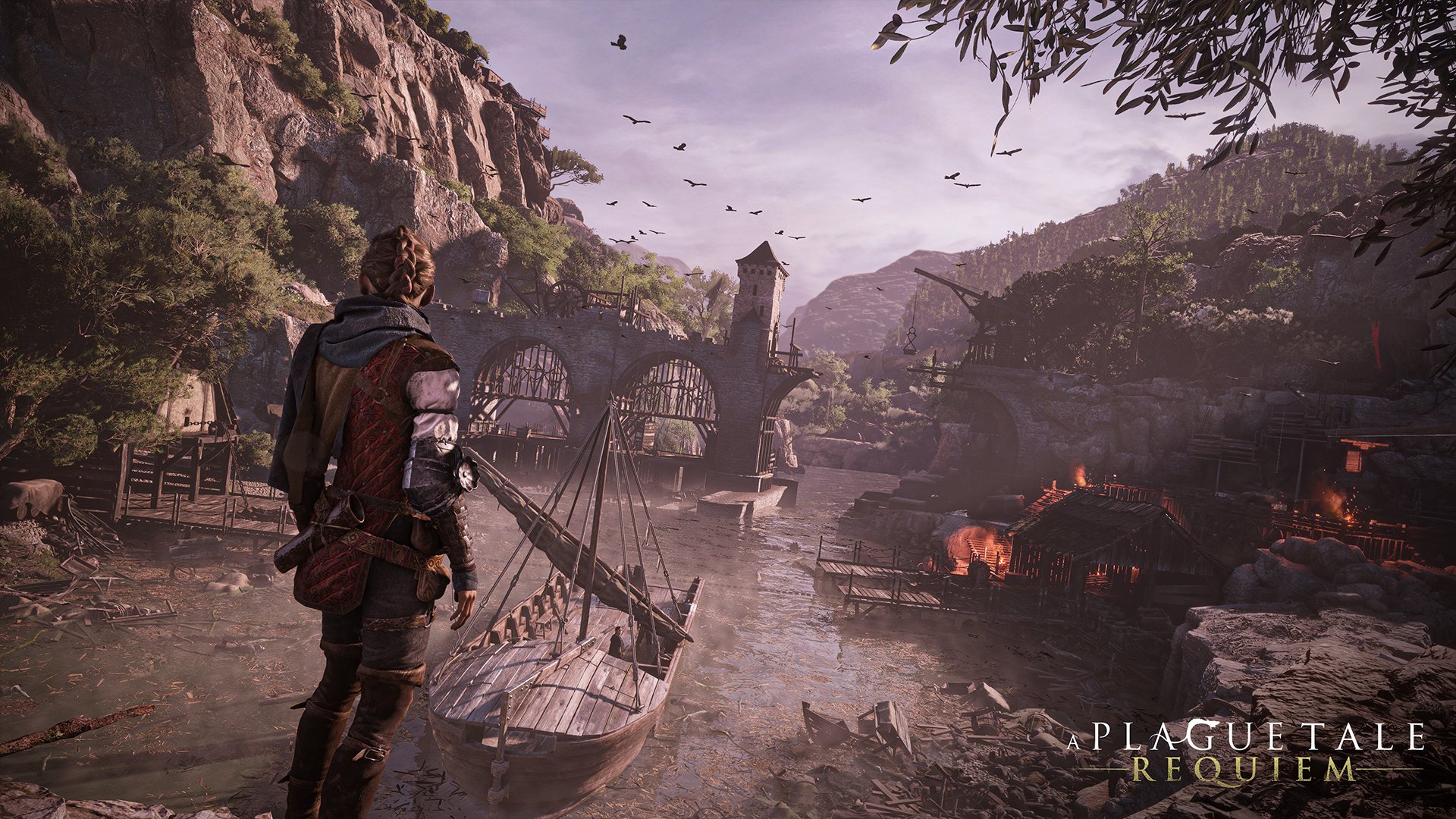
The correct a plague tale game order is first playing A Plague Tale: Innocence, followed by A Plague Tale: Requiem.
So, you’re keen to dive into the grim world of Amicia and Hugo, navigating plague-ridden France with swarms of rats? It’s a great series with a compelling narrative, but getting a plague tale game order right is key for the full impact. You wouldn’t want to jump into the sequel without experiencing the siblings’ initial harrowing journey.
Starting with Innocence will introduce you to the core mechanics and characters. This experience will make the events of Requiem far more meaningful. You’ll witness how their story unfolds over time.

A Plague Tale Game Order: Navigating the Dark Ages
So, you’re ready to dive into the grim and gripping world of A Plague Tale? That’s fantastic! This series, known for its emotional storytelling and unique blend of stealth and puzzle-solving, has captured the hearts of many players. But with two games currently available, knowing where to start your journey can be a little confusing. Don’t worry, we’re here to guide you through the correct A Plague Tale game order, so you experience the story as it was intended.
The Correct Chronological Order
There’s only one right way to play A Plague Tale if you want to follow the story properly: by release date! This ensures you see the events unfold in the order the developers planned and avoid any spoilers or confusion. Let’s break it down:
- A Plague Tale: Innocence (2019) – This is where it all begins. It introduces you to Amicia and Hugo de Rune, the siblings at the heart of this narrative.
- A Plague Tale: Requiem (2022) – This sequel directly continues Amicia and Hugo’s story, building on the events and characters from the first game.
Playing these titles in the correct sequence will give you the deepest understanding of the narrative and character development. Jumping into Requiem before experiencing Innocence is like starting a book in the middle – it just won’t make sense and you will miss crucial context.
A Plague Tale: Innocence – Where the Journey Begins
Let’s explore what makes the first game, A Plague Tale: Innocence, so special.
The Premise and Setting
A Plague Tale: Innocence plunges you into 14th century France during the height of the Black Death. You play as Amicia de Rune, a young noblewoman forced to protect her younger brother, Hugo, after their family is targeted by the Inquisition. The game does a wonderful job of setting the scene with haunting landscapes and a pervasive sense of dread. You can almost smell the sickness and feel the desperation in the air.
Gameplay Mechanics
The gameplay in Innocence is a mix of stealth, puzzle-solving, and resource management. You are not a mighty warrior; instead, you must rely on your wits and cunning to navigate dangerous areas. Here are some of the mechanics you will encounter:
- Stealth: Avoiding guards and other enemies is crucial. You’ll be using shadows, tall grass, and distractions to move unnoticed.
- Puzzle Solving: You’ll encounter various environmental puzzles that require you to use your sling and other tools effectively.
- Resource Management: Ammunition for your sling is scarce, so you need to scavenge carefully. You will collect items and learn to craft items on your journey.
- Rat Hordes: The plague isn’t just a disease in this game; it manifests as huge swarms of flesh-eating rats. They are deadly and require specific strategies to navigate. You will use light and fire as your primary defenses.
Story and Characters
The game’s strongest point is its emotional and compelling story. You will witness Amicia’s transformation from a somewhat naive noble to a fiercely protective older sister. Her relationship with Hugo is central to the story. Hugo, in turn, is a complex character with a mysterious connection to the plague. Supporting characters also play their important roles, with both allies and enemies encountered on your journey, all with their own unique motivations.
A Plague Tale: Requiem – Expanding the World
Once you’ve experienced the events of Innocence, it’s time to continue the siblings’ harrowing tale with A Plague Tale: Requiem.
Building upon Innocence
Requiem isn’t just a rehash of the first game; it significantly builds upon the foundation of Innocence. Everything – the environments, story, gameplay, and scale – are expanded. You will experience a richer world, more complex characters, and more involved gameplay.
Refined Gameplay Mechanics
While the core gameplay loop remains similar to the first game, Requiem adds a number of advancements that refine the experience:
- Enhanced Stealth: You now have a greater range of tools at your disposal for sneaking around, including the ability to use vegetation as cover, and more ways to distract enemies.
- New Combat Options: While stealth is still the primary focus, you can engage in combat more directly now, with some enhanced melee options.
- Crafting and Upgrades: The crafting system is more complex, offering a variety of new equipment and upgrades to help you survive.
- Expanded Environments: The game features larger, more varied locations, including coastal towns, sun-drenched countryside, and darker more sinister places.
- More terrifying rat swarms: The scale of the rat hordes has increased exponentially, making them even more terrifying and creating a lot more intense scenes.
Story and Character Development
Requiem’s story is more mature and delves deeper into the psychological toll of the plague and the siblings’ journey. The bond between Amicia and Hugo is again central to the story, but now it’s challenged in new and profound ways. You’ll meet new allies and enemies, each impacting the narrative with their own unique struggles and purposes.
The Importance of Playing in Order
The narrative connection between Innocence and Requiem is so strong that playing the games out of order would be a big mistake. Here is why:
- Character Arcs: You’d miss out on how the siblings grow and change, particularly Amicia’s journey from reluctant protector to fierce warrior.
- Plot Progression: Key plot points in Requiem hinge on the events that occurred in Innocence. Playing them out of order would spoil the surprises and make certain events meaningless.
- Emotional Impact: The emotional weight of Requiem relies on your connection with the characters formed in Innocence. Skipping it would lessen the emotional impact of the story’s more dramatic moments.
- Gameplay Understanding: Requiem expects you to have a basic understanding of the gameplay mechanics introduced in Innocence. Jumping straight in might make gameplay harder to grasp.
A Tale of Two Games: Key Differences
While Requiem is a direct sequel, there are some major differences between the two titles. Here’s a look:
Scale and Scope
Innocence is more intimate and contained, focusing on the siblings’ immediate struggles to survive and their interactions with a few select characters. Requiem, on the other hand, has a much broader scope. You will travel to various locations, interact with a wider cast, and the stakes are much higher.
Narrative Focus
Innocence focuses on establishing the characters and their relationships while introducing the dark world and their dangers. Requiem is more concerned with exploring the consequences of their actions and what happens when they learn more about Hugo’s powers and their family history.
Gameplay Complexity
While both games utilize similar stealth and puzzle-solving mechanics, Requiem adds more layers, with new tools, combat options, and even more complex puzzles. The rat swarms are far more dangerous and require you to adapt your tactics.
Visual and Technical Upgrades
Visually, Requiem is a significant step up from Innocence. It features more detailed character models, enhanced environments, and improved animations. The game also makes better use of lighting to create a more immersive and often terrifying world.
Is there a third A Plague Tale game?
As of right now, there are no official announcements about a third A Plague Tale game. Both games tell the story of Amicia and Hugo, so it’s unclear where the series would go next. The ending of Requiem does leave the possibility open, but nothing is confirmed. We just have to wait and see.
Playing A Plague Tale on Different Platforms
Both A Plague Tale: Innocence and A Plague Tale: Requiem are available on multiple platforms. Here is where you can find them:
Consoles
- PlayStation 5
- PlayStation 4
- Xbox Series X/S
- Xbox One
- Nintendo Switch (Cloud version)
PC
- Steam
- Epic Games Store
- Microsoft Store
Which platform should you play on?
The best platform for you will depend on your own hardware and preferences.
- PC: If you have a powerful gaming PC, you will likely experience the games with the highest graphical fidelity.
- Current Generation Consoles (PS5, Xbox Series X/S): These consoles are capable of great graphics and offer smooth gameplay at 60 frames per second.
- Previous Generation Consoles (PS4, Xbox One): These consoles can still play the games, though at lower graphical settings.
- Nintendo Switch: The cloud version of the game is available on Switch, allowing you to enjoy the game on the go, if you have a stable internet connection.
Choose the platform that suits you best and makes sure you play the games in the proper order!
Starting with A Plague Tale: Innocence and then moving onto Requiem is the only way to experience the full narrative and appreciate the journey of Amicia and Hugo. Remember to take your time, explore the environments, and immerse yourself in this unique and thought-provoking world. You won’t be disappointed!
A Plague Tale: Innocence – Before You Buy
Final Thoughts
Playing the series in release order is essential. The first game, Innocence, introduces the characters and world. Requiem continues their story, building upon the established lore and mechanics. This chronological approach ensures you fully appreciate the narrative and character development. Following a plague tale game order enhances the overall experience.
It is vital to play Innocence before Requiem for the story to land properly. The emotional weight of Requiem relies heavily on your investment from the first title. This order presents the tale as intended.

