
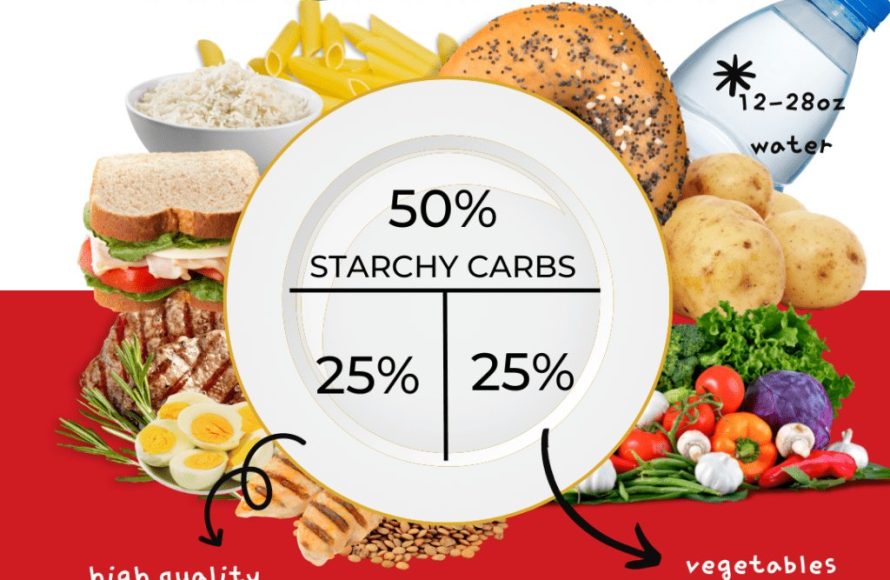
A pre-game meal should provide sustained energy, be easily digestible, and include carbohydrates for fuel and some protein for muscle support.
Fueling up before the big game is crucial, isn’t it? You want to feel strong and ready, not sluggish and weighed down. A pre-game meal should be carefully considered to optimize your performance.
Think of it as the foundation for your athletic endeavors. It sets the stage for your success, providing the energy you need to compete at your best. It’s all about choosing the right foods that will work for you.

A Pre-Game Meal Should Fuel Your Performance
Imagine your body is like a car. To go fast and far, it needs the right kind of fuel. A pre-game meal is that fuel for your body when you’re getting ready for a game or any big physical activity. It’s not just about filling your stomach; it’s about giving your muscles the energy they need and helping you perform at your very best. But, what exactly should this magical pre-game meal include? Let’s dive in and find out!
The Importance of Timing
When you eat before a game is almost as important as what you eat. You don’t want to eat too close to game time, or you might feel sluggish, heavy, or even experience stomach problems. Eating too far out might leave you feeling hungry and weak when you need to be at your strongest. So, finding that sweet spot is key.
The 2-3 Hour Window
Typically, eating a full meal about 2 to 3 hours before the start of your game or activity works best. This allows your body enough time to digest the food and convert it into usable energy. This timing also helps prevent that uncomfortable “full” feeling when you’re running, jumping, or swimming. Think of it like this: you want the energy available when the whistle blows, not still sitting in your stomach.
Snacking Closer to Game Time
If you have less than two hours before your game or activity, a smaller snack might be a better option. You’ll want to stick to things that are easy to digest, such as a piece of fruit or a small sports bar. Avoid foods that are high in fat or fiber, as these take longer to digest and can make you feel uncomfortable during your game.
Choosing the Right Foods
The next thing you need to consider is the type of food you eat. You need a mix of things that will give you quick energy and sustained power. It’s all about balance and choosing the foods that will benefit your performance the most. Let’s break it down:
Carbohydrates: Your Main Energy Source
Carbohydrates are your body’s preferred fuel for activity. They break down into glucose, which your muscles use to keep you moving. Choose complex carbohydrates for a steady release of energy, rather than simple sugars that can lead to a quick crash. Let’s look at the right and wrong type of carbs for your pre-game meal.
Good Sources of Complex Carbohydrates
- Whole grain bread or toast
- Brown rice
- Oatmeal
- Whole wheat pasta
- Sweet potatoes
- Quinoa
Simple Carbs to Avoid
- Candy
- Sugary drinks like soda or juice
- White bread
- Pastries
Protein: For Muscle Power
While carbs give you the immediate energy, protein is important for muscle repair and growth. It also helps keep you feeling full. Include a moderate amount of lean protein in your pre-game meal. It helps to support your muscles during performance and aid recovery after the activity.
Good Protein Sources
- Grilled chicken or turkey
- Fish (salmon, tuna)
- Eggs
- Lean beef
- Beans
- Lentils
- Tofu
- Greek yogurt
- Nuts and seeds (in moderation)
Fats: In Moderation
Fats are essential for overall health, but too much fat in your pre-game meal can slow digestion and make you feel heavy. Stick to healthy fats in small amounts, rather than relying on deep fried foods. This is a great time to keep your fats low.
Healthy Fat Sources in Small Amounts
- Avocado
- Olive oil
- Nuts
- Seeds
Fiber: Just Enough
Fiber is important for digestion, but you don’t want a huge amount of it right before a game. Too much fiber can cause bloating and stomach upset. Choose foods that are moderate in fiber for your pre-game meal.
Moderate Fiber Options
- Fruits (berries, banana, orange)
- Cooked vegetables
- Oatmeal
- Whole grains
Hydration: Don’t Forget the Water
Drinking enough water before, during, and after your game is just as crucial as eating the right foods. Dehydration can lead to fatigue, cramping, and reduced performance. Begin hydrating well before your game, and continue to drink water at regular intervals throughout your game.
How Much Water
It’s hard to give an exact amount of water everyone needs. The amount varies depending on your weight, the temperature, and the length and intensity of your activity. A good rule of thumb is to drink a glass or two of water a few hours before the game, and sip water during the activity. After the game, make sure to rehydrate to replenish the fluids that you lost.
Foods to Avoid Before a Game
Just as important as knowing what to eat, is knowing what to avoid. Certain foods can cause digestive problems and hinder your game time. Stay away from these leading up to your activity:
- Fried foods
- High-fat meats
- Processed snacks
- Spicy foods
- Excessively sugary snacks
- Carbonated drinks
Sample Pre-Game Meal Ideas
Now that we know what to eat and when, let’s look at some specific meal ideas. Remember to choose the one that best fits your preferences and the amount of time you have before your game.
Meal Ideas for 2-3 Hours Before Activity
If you have more time (2-3 hours) to eat, try some of these options:
- Grilled chicken or turkey with brown rice and steamed vegetables.
- Oatmeal with fruit and a sprinkle of nuts.
- Whole wheat pasta with marinara sauce and lean ground turkey.
- A turkey sandwich on whole grain bread with a side of sliced vegetables.
- Scrambled eggs with a side of whole grain toast and avocado.
Snack Ideas for 1-2 Hours Before Activity
If you have less time, choose one of these snacks:
- A banana
- A small sports bar.
- A small bowl of plain yogurt with a little fruit
- A handful of berries
- A small portion of applesauce
Adapting Your Pre-Game Meal
It’s crucial to keep in mind that everyone is different. What works wonders for one person might not be the best choice for another. This is all about finding what works best for you! Here are a few points to help you personalize your meal:
Listen To Your Body
Pay attention to how you feel after eating certain foods. If something makes you feel sluggish or gives you stomach cramps, avoid it before games. Keep a food log to track what foods work best for you.
Consider Your Sport
The intensity and duration of your game or activity will change your energy needs. If you are participating in a long-endurance event, you may need to focus more on long-lasting carbohydrate rich foods. If you are doing a short burst of high intensity activity, you may focus more on quick carbohydrates.
Practice Before Game Day
Don’t try new foods on game day. Experiment with your pre-game meals during practice sessions. This gives you time to adjust and figure out what fuel plan helps your performance the most.
Individual Needs
Remember, everybody is different and what works for your friend might not work for you. If you have any dietary restrictions, allergies or medical conditions, it is important to always consult with a doctor or registered dietitian for advice.
Why This Matters
A well-planned pre-game meal can give you the energy, focus, and stamina to compete at your best. By focusing on timing, the right food choices, and hydration, you set yourself up for victory. A pre-game meal is not just about eating. It’s a strategy that makes you a better athlete, and it can be fun to see how it helps your game.
Remember, fueling your body well is a key step towards achieving your goals, whether it’s on the field, court, track, or in the pool. So, make your pre-game meal work for you!
MATCH-DAY NUTRITION For Football | What To Eat Pre-/Mid-/Post-Game
Final Thoughts
A pre-game meal should primarily focus on easily digestible carbohydrates for quick energy. It must also include some protein to aid muscle function, but avoid excessive fat. These fuel choices prepare your body efficiently.
Timing is also crucial; consume your meal around 2-3 hours before activity. This allows for proper digestion. a pre-game meal should also avoid foods that can cause digestive upset or discomfort.

