
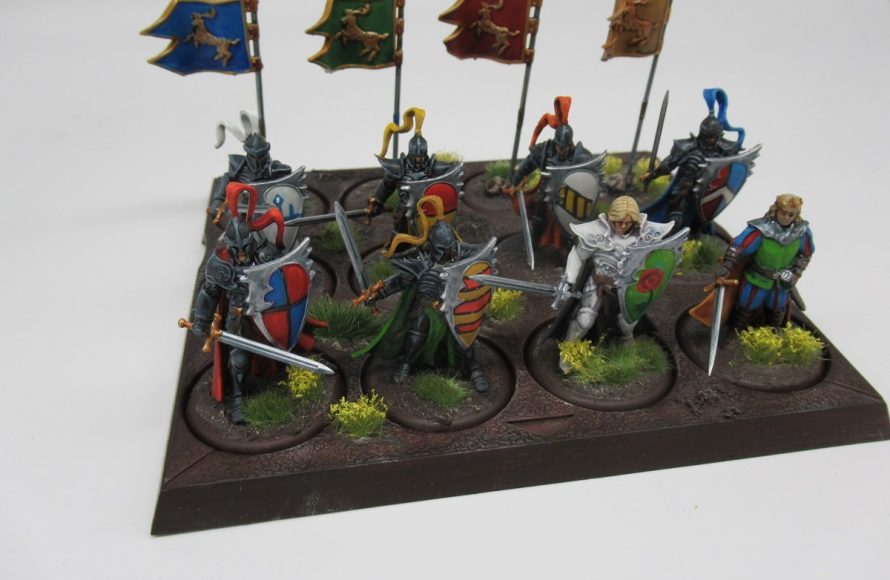
A Song of Ice and Fire tabletop miniature game allows players to command armies from the novels, engaging in tactical battles on the game board.
The clash of steel, the roar of dragons – these aren’t just things found in the novels. A Song of Ice and Fire tabletop miniature game brings George R.R. Martin’s epic world to your table. You will directly control the forces of Westeros.
This game lets you recreate famous battles or create entirely new conflicts. It involves strategic movement and engaging in combat, using detailed miniatures of your favorite characters.
It’s a great experience for fans of the books and miniatures wargamers alike. Get ready to fight for the Iron Throne.

A Song of Ice and Fire Tabletop Miniature Game
The world of Westeros, with its clashing houses and epic battles, is not just for books and TV shows anymore! You can now bring the struggle for the Iron Throne to your tabletop with the A Song of Ice and Fire: Tabletop Miniatures Game. This game lets you command armies of your favorite houses, like the Starks, Lannisters, or Targaryens, and play out battles of cunning and might. It’s not just about moving little plastic soldiers around; it’s about strategy, tactics, and managing your resources to outwit your opponent. Let’s dive deep into what makes this game so exciting and how you can start playing.
Getting Started with the Game
Before you can command your troops to victory, you need to know what this game is all about. Let’s break down the basics of getting started with A Song of Ice and Fire: Tabletop Miniatures Game.
What’s in the Box?
The core set is your gateway to Westeros warfare. Inside, you’ll typically find:
- A bunch of unpainted miniatures representing different units from various factions,
- Dice,
- Measuring tools,
- Rulebooks,
- Game boards
- Cards for characters and units.
- Tokens for keeping track of various effects during the game.
These components, especially the miniatures, are of high quality and have great details that bring the characters from the book to life. You’ll have to assemble and paint the miniatures yourself, which many consider part of the fun. Don’t worry if you’re not a master painter; there are tons of tutorials online, and getting them looking even just okay adds to the immersion.
Choosing Your Faction
One of the most appealing aspects of the game is the range of factions you can play. Each faction feels distinctly different, and their play styles can vary wildly. Here’s a quick rundown of some of the main ones:
- House Stark: They are known for their strong infantry and close-combat capabilities, relying on their resilience and honorable nature. They play a very direct, head-on style of warfare.
- House Lannister: Lannisters focus on tactics and manipulation. Their strategies involve using gold and well-trained soldiers to get advantages. Expect to see tricky maneuvers and some sneaky tactics.
- House Targaryen: They command powerful dragons and fire-based units. If you like playing aggressive, they are very potent, but you have to know when to deploy your more powerful assets as these can be a double edged sword.
- Night’s Watch: A faction focused on defense and holding ground. They also have some very unique units which makes them fun to play.
- Free Folk: A horde faction with many lower cost infantry options, they rely on sheer numbers and aggressive attacks, they can overwhelm other factions.
Each of these factions have unique units, tactics, and abilities, creating a diverse game experience for all player. Picking your favorite house is a great way to start, but you might find yourself wanting to try them all eventually.
The Core Gameplay Loop
At its heart, A Song of Ice and Fire: Tabletop Miniatures Game is a strategic game played over several rounds. Here’s the general flow:
- Order Phase: Each player secretly assigns orders to their units, deciding which troops will move, attack, or perform special actions. This adds a layer of prediction and counter-prediction to the gameplay.
- Activation Phase: Players alternate activating their units and resolving their orders. This includes moving troops across the board, attacking enemy units, or using special abilities.
- Combat Phase: When units engage in melee, the game uses dice rolls, unit stats and a combination of special abilities to resolve the combat.
- Morale Phase: Units that have taken losses must check their morale and they may suffer additional penalties or become routed if the suffer too much.
- End Phase: Check conditions and clean up the board for next round.
It’s a game that rewards careful planning and anticipating your opponent’s moves. The simultaneous order selection each turn adds a fun dimension, where you have to try to get into your opponent’s head and predict their moves.
Diving Deeper into the Mechanics
Now that you have a basic idea of how to play, let’s explore some of the core game mechanics that make this game so interesting. It’s not just about pushing your miniatures forward; there’s a lot more to it.
The Importance of Unit Cards
Every unit has a card that details all of its relevant stats and abilities. Understanding these cards is key to playing well.
- Movement: How far the unit can move each turn.
- Attack: The number of dice they roll in combat and their combat prowess.
- Defense: How difficult they are to hit in combat.
- Morale: How well the unit handles losses and pressure.
- Special Abilities: Each card has unique abilities that can change the course of a battle.
You have to understand each of your units and what they are good at. Some are great for direct combat, some are good at flanking, and some are better at defending a location. Knowing when to use which unit is a big part of the game.
Tactics and Combat
Combat is a complex interplay of dice rolls, unit abilities and positioning. The game uses a d6 system where higher rolls are typically better, but unit stats and bonuses greatly affect combat outcome. Some concepts you should understand are:
- Positioning: Where you place your units can give you an advantage in combat. Flanking an enemy gives a bonus, while being surrounded can be a big problem.
- Unit Types: Some units are stronger against certain other types of units. Learning the rock-paper-scissors nature of different unit types is key.
- Terrain: The type of terrain that units are fighting on, can also affect their fighting ability and movement.
- Morale: When a unit takes heavy losses, their morale can suffer and impact the game.
- Special Abilities: These can make all the difference in combat. Some units might cause extra damage, some might have an extra defensive bonus.
The game is less of a hack-and-slash experience and more of a tactical battle. Carefully planning your movements and picking your engagements can make all the difference.
The Tactics Board
One of the unique features of A Song of Ice and Fire: Tabletop Miniatures Game is the tactics board. This board represents the political machinations and strategic options outside of the direct battlefield. Here are some of its uses:
- Claiming Zones: Each round players claim a spot on the Tactics board which grant various bonuses to units on the battlefield. This could be anything from extra movement to better combat effectiveness.
- Adding Orders: Players can also add more orders to their unit pool, which increases tactical flexibility.
- Strategic Actions: Various strategic actions are available through the tactics board which can impact the course of the battle.
It’s an important part of the game that requires planning and anticipation. Ignoring the tactics board is often a fast way to lose.
Expanding Your Game
Once you’ve mastered the basics, there’s a whole world of possibilities to make your experience more exciting. Here’s some ways you can expand the game
Buying Expansions
There are numerous expansions for A Song of Ice and Fire: Tabletop Miniatures Game. These expansions typically include:
- New Units: Add more diversity to your army. Each house has new units which opens up new strategic possibilities.
- New Heroes: Many characters from the books and TV series are available for play, each with unique abilities.
- New Factions: Some expansions include entirely new factions, allowing you to experience more of Westeros.
- New Scenarios: Different play scenarios that can change your games experience
Adding expansions is a great way to keep your games fresh and exciting, you can add to the factions you like most or start playing different houses.
The Community
The A Song of Ice and Fire: Tabletop Miniatures Game community is active and supportive. There are many ways to get involved with fellow players, some are listed below:
- Online Forums: Many communities online that provide forums for people to ask question, trade tips, or share their painted miniatures.
- Gaming Clubs: Look for local game stores that host game nights for players. This is a great way to meet new players and learn from their play styles.
- Tournaments: Participating in tournaments is a fun way to test your skills against other players.
Being a part of the community can enhance your experience. Sharing ideas, looking at peoples collections of painted miniatures, and generally interacting with players will enhance your gaming experience.
Painting and Customizing
Many people who play the game enjoy painting their miniatures and customizing their armies. There are lots of resources to help you improve your painting skills:
- Online Tutorials: There are many resources online with tutorials that teach you the basics or advanced painting techniques.
- Gaming Stores: Many gaming stores often host painting workshops, where you can learn new skills.
- Sharing your Work: Online communities love to see pictures of people’s painted miniatures, so feel free to show off your painted armies!
Painting miniatures is an art form and it can add a whole new dimension of enjoyment to your experience, even painting them badly makes them feel more “yours”.
Tips for Beginners
Starting something new can feel difficult, so here’s a quick rundown of tips to help get you started playing effectively:
- Read the Rules: Familiarize yourself with the rulebook. This can seem daunting, but knowing the rules well will let you strategize better.
- Start Small: Don’t try to learn everything at once. Focus on learning the basics first, then add more advanced rules slowly.
- Choose a Faction: Pick a faction that interests you and stick with it for the first few games. Understanding one faction really well makes learning easier.
- Watch Tutorials: Many online tutorials will help you understand the basic tactics and rules of the game.
- Practice: Play as many games as possible. Even small games are good for practicing and learning.
The most important part is to have fun! Don’t worry too much about winning at first. The goal is to learn the game and enjoy the process of commanding armies on the table top.
This tabletop game is more than just moving plastic figures around a board; it’s about developing strategies, making critical decisions, and feeling the weight of each battle. The game lets you immerse yourself in a world where every move has consequences. It captures the tension and drama of George R.R. Martin’s novels perfectly. Whether you’re a fan of the books, the TV show, or just a lover of tabletop games, this game is sure to provide a challenging and rewarding experience. With its rich lore, engaging mechanics, and the ever-growing possibilities, A Song of Ice and Fire Tabletop Miniatures Game has plenty to offer. So, gather your army, prepare your strategy, and get ready to battle for the Iron Throne!
Learn to Play: A Song of Ice and Fire Miniatures Game!
Final Thoughts
Ultimately, the ‘a song of ice and fire tabletop miniature game’ offers a deep, strategic experience. The game’s focus on unit tactics and character abilities makes each battle a fresh challenge. Players must carefully consider their options during the game.
The intricate rules, combined with detailed miniatures, result in a rewarding play. This game truly brings the world of Westeros to life on your table. A must for fans of the books or strategic miniature wargames.

