
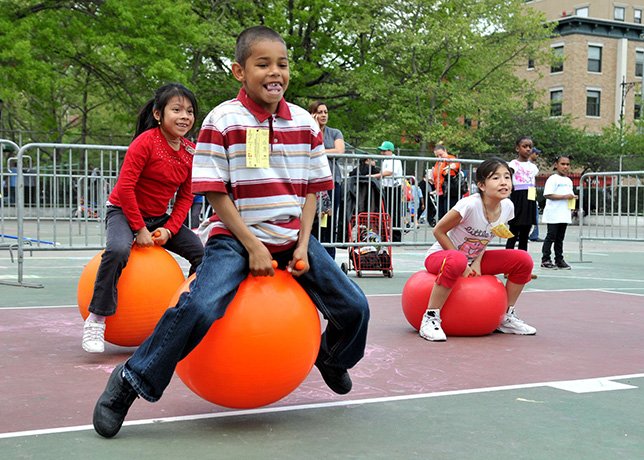
Street games are informal, often spontaneous activities played in public spaces, using minimal equipment and relying heavily on creativity and social interaction.
Remember the pure joy of playing outside with friends? Those simple, everyday moments, filled with laughter and friendly competition, often revolved around a street games. These games didn’t require fancy equipment or organized fields; just a bit of imagination and a group of willing participants. They were the heartbeat of neighborhoods.
A street games offered an easy way to exercise and have fun for kids and adults. We remember the games we played when we were kids. These memories shaped our social skills and gave us some fun exercise.

A World of Fun: Exploring Street Games
Remember those days when the biggest adventure was just stepping outside your front door? Before video games and fancy gadgets, kids found joy in the simplest things, right there on the street! Street games are more than just ways to pass the time; they’re a way of life, a tradition passed down through generations, and a whole lot of fun. They teach us important stuff, like teamwork, strategy, and how to get really good at dodging a fast-moving ball. Let’s dive into the fantastic world of street games and see what makes them so special.
Why Street Games Are Awesome
Street games offer a bunch of benefits that might surprise you. They’re not just about running around and getting sweaty (though that’s definitely part of the fun!). Let’s explore the magic behind these simple pastimes.
Physical Activity Made Fun
In today’s world, kids often spend a lot of time indoors looking at screens. Street games are a fantastic way to get them moving! Think about it – running, jumping, skipping, and throwing are all essential activities that help us grow strong and healthy. Games like tag, hopscotch, and Red Rover get our hearts pumping and our muscles working, making exercise feel like play, not a chore.
Social Skills in Action
Street games are all about teamwork and interaction. To play, you need to communicate with your friends, figure out strategies together, and learn to cooperate. These are all vital social skills that help us in school, in our families, and throughout our lives. You learn to share, to take turns, to negotiate, and to be a good sport, whether you win or lose. Games like capture the flag and kickball are brilliant for building these skills.
Creativity and Imagination
Many street games involve very little equipment. This is great because it forces kids to use their creativity. A chalk drawing on the sidewalk can become a hopscotch court, a simple ball can be used for dodgeball or a game of wall ball, or a couple of sticks can become anything the kids imagine. Street games help you think outside the box and make the most of what you have.
Simple and Accessible
One of the most amazing things about street games is that they’re available to almost everyone. You don’t need expensive equipment or a special field. A street, a park, or even a backyard can become your playground. This makes street games an activity that many people from different backgrounds can easily participate in. They’re democratic and inclusive, allowing everyone to join in on the fun.
Building Traditions
Street games have been played for hundreds of years and are passed down from one generation to the next. They become part of a community’s culture and bring people together. Many of these games have local variations, making them even more unique. They often remind people of their childhood, creating warm, nostalgic feelings.
Popular Street Games Around the World
The beautiful thing about street games is that they’re everywhere! Although some names or rules might differ, the spirit of play remains consistent across countries and cultures. Let’s take a look at some awesome games you can find around the globe.
Tag and Its Many Versions
Tag is one of the simplest and most popular street games. One person is “it” and tries to tag the others. Once someone is tagged, they become “it.” This simple concept has countless variations, including:
- Freeze Tag: Once tagged, you must freeze in place until another player unfreezes you by tagging you.
- Shadow Tag: You must tag another person’s shadow instead of their body.
- TV Tag: Players call out the name of a TV show they can imitate when tagged, if they don’t have a TV show to call out they become it.
These small rule changes can completely alter the playing experience and make an already-fun game even more enjoyable.
Hopscotch: Jumping Through the Squares
Hopscotch is a classic game played by drawing a sequence of numbered squares on the ground with chalk. Players throw a marker (usually a small stone) into the first square, and then they hop through all the squares, picking up their marker along the way. It’s a great game for developing coordination and balance. There are so many variations of hopscotch, with different grid shapes and rules depending on where you are.
Some variations include:
- Spiral hopscotch: Instead of a linear sequence, the squares form a spiral shape.
- Snail hopscotch: The hopscotch shape looks like a snail’s shell.
- Number variations: Some versions add multiple markers to be collected in a single turn.
Hide-and-Seek: A Classic Game of Stealth
One person closes their eyes and counts to a certain number while everyone else hides. Once the seeker is done counting, they go looking for the hidden players. Hide-and-seek is a classic game that can be played anywhere, and it never gets old. Different hiding strategies and teamwork are a must, which keeps this game interesting. Some local variations even include a base or safe area. Other versions of hide-and-seek are:
- Sardines: Instead of one seeker, everyone hides and the first player that finds the seeker hides with them, it keeps going until every player has found the hidden player and they are hiding in the same space like sardines.
- Kick the can: The game includes a can in a designated spot, and once the seeker finds you, you have to go to a designated “jail”. You can be released from jail by your teammates when they kick the can to release you.
Marbles: A World of Small Spheres
Marbles is a game of precision and skill played with small, glass balls. There are many ways to play, but often players try to knock other marbles out of a circle or area drawn in the dirt or on the pavement. There are different types of marble games. Some involve aiming and shooting from a distance while others are all about strategic movements within a small space.
Popular variations include:
- Ringer: Players flick their marble to try and knock other marbles out of a ring.
- Poison ring: Players knock out marbles from a ring with the objective of being the last to knock a marble from the circle.
- Triangle: Players try to knock each other’s marbles out of a triangle drawn in the ground.
Jump Rope: Rhythmic Exercise
Jumping rope is a classic game that is not only excellent exercise, but also a lot of fun. It can be done alone or in groups, with one or two ropes. The goal is to jump over the rope without getting tangled in it. Jumping rope is great for developing coordination, rhythm, and timing. The game can be varied with different jumps and speeds.
Some cool jump rope moves are:
- The basic jump.
- High knees.
- Jump turns.
- Double unders
- Speed jumps
- Criss-cross
Kickball: A Simple Sport
Kickball is a variation of baseball, but instead of using a bat, players kick a large rubber ball. It’s a simple game that doesn’t require a lot of equipment, making it a perfect street game. Teams take turns kicking and fielding, making it a good team sport that works on those fundamental skills. There are several variations of kickball that are popular, like:
- Wall ball
- Four square
- Dodgeball
Red Light, Green Light: Stop and Go
One person is the “traffic light” and stands with their back to the others. When the light says “green light,” the players move towards the traffic light. When the light says “red light,” the players must freeze. If the traffic light catches anyone moving on “red light,” they go back to the starting line. This game helps to practice listening and self-control. The game has many variations, like:
- Statues: Everyone poses as a statue when the light says “red” and tries to move as quickly as they can when the light is “green.”
- Musical statues: Instead of “red light,” music is used, when the music stops, everyone freezes.
Capture the Flag: A Game of Strategy
Capture the Flag involves two teams, each with their own flag. The goal is to capture the other team’s flag and bring it back to your base, while also defending your own flag. This game requires cooperation, strategy, and quick thinking, making it both physically and mentally engaging. It’s a great team sport that teaches teamwork and planning.
Keeping Street Games Alive
With the rise of technology, it’s sometimes easy to forget about the simple pleasures of street games. However, these games are an important part of our cultural heritage and offer invaluable benefits for children. How can we keep the spirit of street games alive?
Organize Neighborhood Game Days
One way to encourage street games is to set up regular neighborhood game days. Gather kids in your area and teach them some of the classic games. Organize tournaments, reward good sportsmanship, and make it a fun, regular event. Adults can also join in, helping younger players to learn and adding to the fun.
Teaching Games to Younger Generations
Share these games with younger siblings, cousins, or children in your community. Take the time to explain the rules, demonstrate how to play, and emphasize the importance of good sportsmanship. By passing the tradition on to new generations, we ensure that these games continue to be played for many years to come. Make a day of it; invite family and friends to play. Show them some cool games you remember.
Adapt and Create New Games
While traditional games are awesome, there’s always room for creativity! Why not come up with your own street games? Use the basic rules of your favorite games and give them a unique twist. Adapt to your environment by using your local park or yard space. It’s a fantastic way to engage your imagination and keep the tradition of play alive.
Encourage Outdoor Play
Encourage your family to put away their electronic devices and step outside. Suggest a game of tag, hopscotch, or kickball and lead by example. Show them that having fun outside can be just as exciting as playing video games. Outdoor time is essential for mental and physical health, and street games are the perfect way to combine them.
Make It Inclusive
When organizing a game, make sure everyone is welcome. Remember that not all kids might be as athletic as others, and it is not a problem. Focus on having fun and getting involved. Make your games accessible to all different ages, sizes, and abilities, focusing on good sportsmanship over competition. Modify the rules if necessary so everyone can participate. It is important to make sure that nobody is left out of the fun.
The Joy of Simple Play
Street games are more than just childhood fun and games. They teach us essential life lessons, get us moving, and create lasting memories. These simple games connect us to our past, build strong communities, and bring people together through the universal language of play. So, grab some chalk, a ball, or just your friends and head outside for a good, old-fashioned game of tag! You might be surprised by how much fun you have.
Los and Nutty – Street Games (Official Visualizer)
Final Thoughts
Street games offer simple, accessible fun. Children develop crucial social and physical skills. These activities need minimal equipment. Playing outside fosters a healthy lifestyle.
These games also build community. They encourage creativity and problem-solving. a street games provide a fantastic opportunity for active play. We must cherish and promote them.

