
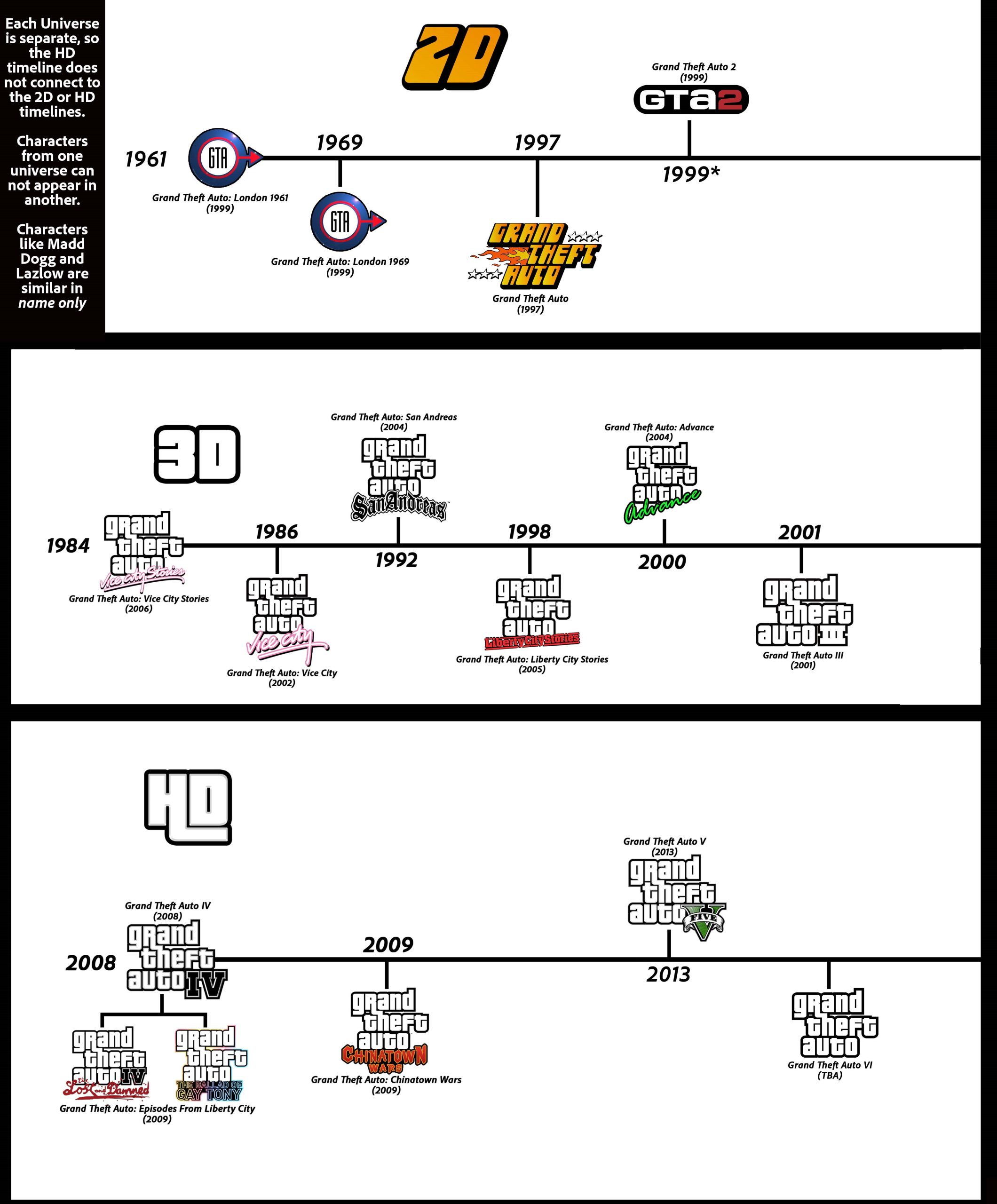
No, not all GTA games are directly connected, though they exist within a shared universe containing recurring characters and locations.
Have you ever pondered the intricate web of the Grand Theft Auto world? It’s easy to get lost in the sprawling cities and compelling narratives, making you wonder: are all gta games connected? While not a single continuous story, they do share a fascinating relationship.
These games exist within a defined universe. Specific locations like Liberty City and Vice City appear across titles, and some characters make cameo appearances. So, while there isn’t a linear narrative linking every single game, there are threads and connections.

Are All GTA Games Connected?
The world of Grand Theft Auto, or GTA as most people call it, is vast and exciting. We’ve all probably spent hours driving stolen cars, causing chaos, and completing missions in these games. But have you ever stopped to wonder if all these adventures are taking place in the same world? Are all the GTA games connected? It’s a question that has fascinated fans for years, and the answer is a bit more complicated than a simple yes or no. Let’s dive into the details and explore the different ways the GTA games are linked, or sometimes, not so linked.
The Different Universes of GTA
Instead of one big, continuous story, the GTA series actually operates within a few different universes. Think of it like different playgrounds for the characters to play in. These universes aren’t connected directly by characters moving between games all the time, but they share a lot of common elements that make you feel like you are still in the world of GTA.
The 2D Universe
This is where it all began! The original Grand Theft Auto, along with its expansions, London 1969 and London 1961, and Grand Theft Auto 2 are all part of this 2D universe. These games are very different from the modern, open-world 3D GTA games. They have a top-down perspective, and they are set in various fictional US cities. The connection between these games is minimal, mostly just the general theme of crime and similar city layouts. You won’t find any characters from the 2D era making a cameo in, say, GTA V. While the gameplay is totally different from newer GTA games, it’s important to acknowledge these as a very early foundation of the GTA franchise. They introduced many elements that would later become iconic in the series, even if they aren’t part of the same interconnected stories.
The 3D Universe
Here’s where things get a little more interesting. The 3D universe games are where the GTA franchise started to get its reputation for expansive worlds and complex characters. This includes:
- Grand Theft Auto III
- Grand Theft Auto: Vice City
- Grand Theft Auto: San Andreas
- Grand Theft Auto: Liberty City Stories
- Grand Theft Auto: Vice City Stories
These games share a lot of common threads. They are all set in the USA, with locations based on real-life cities like New York, Miami, and Los Angeles (although with fictional names). Characters and events from one game can be mentioned or even appear in others. This is where the idea of a shared GTA world really starts to take shape.
Recurring Characters and Connections in the 3D Universe
Several characters appear, or are referenced, across these games. Here are a few examples to help show you just how connected this universe is:
- Ken Rosenberg: This shady lawyer is a recurring character in both Vice City and San Andreas. He is always causing some kind of trouble and acts as a middle-man between the players and some big mob figures.
- Donald Love: This media mogul appears in both GTA III and Liberty City Stories. He has some interesting business ventures in both locations.
- Kent Paul: A sleazy record producer who you can meet in both Vice City and San Andreas. He is always found around people who are up to no good.
These reappearances and callbacks make the 3D Universe feel like a living, breathing world. It is as though the characters are living out their lives in different locations and that their lives are in some way connected by the events that take place across the games.
The Shared World Map of the 3D Universe
While each game in the 3D Universe takes place in a specific city, these cities are part of a larger fictional version of the United States. The states in the 3D Universe are:
- Liberty State: This is where Liberty City (based on New York City) is located. This is the location of GTA III and Liberty City Stories.
- Vice State: The fictional state where Vice City (based on Miami) resides. This is the playground for Vice City and Vice City Stories.
- San Andreas: This is its own state made up of 3 cities. The state of San Andreas is the location of the game by the same name. This includes Los Santos (based on Los Angeles), San Fierro (based on San Francisco), and Las Venturas (based on Las Vegas).
Although you can’t actually travel freely between these states in the games, their interconnected existence within the same fictional United States adds to the feeling of a shared world.
The HD Universe
After the 3D Universe, the series took a leap forward into high-definition, with even bigger cities, more detailed characters and further advanced graphics and gameplay. The games in the HD universe are:
- Grand Theft Auto IV
- Grand Theft Auto: The Lost and Damned
- Grand Theft Auto: The Ballad of Gay Tony
- Grand Theft Auto V
- Grand Theft Auto Online
These games are set in the same shared world as the 3D universe, but it’s been significantly upgraded to a much higher level of detail, with even more expansive maps and far more interactive elements. The HD Universe also includes the same fictional cities that were in the 3D Universe, but reimagined with modern graphics. The location of GTA IV is a much more detailed version of Liberty City. GTA V is set in and around a highly-detailed version of Los Santos, as well as Blaine County. Also, GTA V has many subtle hints towards events that happened in GTA IV, showing a common timeline for the two games. It shows a world where the events of GTA IV are canon to GTA V, which is something that the other games have not been able to claim.
Characters from the HD Universe
The HD Universe does not have characters that span multiple games, like the 3D Universe does. Most of the characters are contained to single games, with minor characters that sometimes share stories in the main games and expansions. Some of the key differences are:
- The storyline in GTA IV is self-contained, with few (if any) references to previous games. The expansions for GTA IV, The Lost and Damned and The Ballad of Gay Tony, take place at the same time as GTA IV but introduce different characters and storylines.
- GTA V is also self-contained for the most part, with the three main characters being the main focus of the game’s narrative. It does, however, include small references to GTA IV, which sets a canon timeline that many fans believe will be carried on into the next installment of the series.
- GTA Online, which is part of the GTA V game, takes place in the same shared universe, but after the events of GTA V, making the timeline follow through.
The HD Universe games are connected in the sense that they take place in the same world, but the connections are much more subtle and less focused on recurring characters as was the case in the 3D Universe.
Radio Stations: A Constant Link Across Games
One of the most enjoyable parts of any GTA game is tuning into the radio stations while you drive around. The radio stations help to build the atmosphere of each location and bring in the culture of the region. While the tracklists will change from game to game, the radio stations act as a continuous link across all of the GTA games, in the 2D, 3D, and HD Universes.
What makes Radio Stations a recurring link?
- Many radio stations exist across different games, although the tracklists may change. For example, Flash FM appears in Vice City and Vice City Stories.
- The radio hosts or DJ’s are sometimes the same people, or related to each other. This helps to build the world even more.
- Each radio station has a specific genre or style, which helps define the culture of the region in which the game is set.
The radio stations help to create a sense of continuity across the series. This helps with connecting the games, although they are not part of the main storyline, many fans use these radio stations to build the GTA world in their heads.
Common Brands and Businesses
Another fun way that the GTA games are connected is through the presence of the same fictional brands and businesses throughout the series. These companies appear in multiple games, acting as an Easter egg for the players, but also making the world more believable. When a company like Burger Shot appears across multiple games, it makes it easier to believe that these games are set in the same world.
Examples of Recurring Brands:
- Sprunk: This parody of the soft drink Sprite can be seen in all of the main GTA games, as well as many other titles by Rockstar games.
- Burger Shot: This fast food chain is a parody of Burger King, and appears in multiple games.
- Ammu-Nation: The go-to place to purchase weapons in any GTA game, this fictional gun store is an important constant in the games.
These small details help connect the various worlds of GTA, even when they are technically in different “universes.” They give the games a familiar feel, reminding us that we are always in a GTA world, no matter which game we are playing.
The Importance of Shared Themes
Even when the locations, characters, and storylines are not directly connected, there are some core themes that help tie the GTA games together. These shared themes act as an invisible thread that weaves through the entire series.
Key Shared Themes:
- Criminal Underworld: Every GTA game focuses on the life of a criminal, exploring themes of organized crime, violence, and the pursuit of wealth.
- Social Satire: GTA games are known for their social commentary and satirical take on modern American culture. They poke fun at everything from media and politics to consumerism and the entertainment industry.
- Open World Freedom: All GTA games offer a large open world to explore, allowing players to roam freely, cause chaos, and engage in a variety of activities, from driving around the city to starting random fights with pedestrians.
These common themes help the GTA games feel similar even if they are not all directly linked by the same story or characters.
So, Are All GTA Games Connected?
The simple answer is: yes and no. The games are not all part of one single, continuous narrative. Instead, they are organized into different “universes” with their own sets of characters, locations, and storylines. However, these different universes still share a lot of elements that connect them. Whether it’s recurring characters (especially in the 3D Universe), radio stations, brands, or overall themes of crime and social satire, the GTA games are interconnected in a variety of exciting and engaging ways. They are all part of a bigger, cohesive whole that forms the massive world of GTA.
It’s clear that while the developers have chosen to explore different locations and time periods, they always do so under the umbrella of what it means to be a Grand Theft Auto game. Each game offers something new and unique while still retaining that unique feeling that only GTA can offer.
How EVERY GTA Game is Connected to the Next (CJ, Tommy, Claude Secret Cameos)
Final Thoughts
Ultimately, the ‘GTA universe’ contains multiple timelines, not a single, interconnected story. While some characters and locations reappear, they exist in their own established continuities. Therefore, are all gta games connected? No, they aren’t connected within one singular universe. Instead, think of them as parallel worlds sharing some common elements.
This means you can enjoy each entry’s narrative individually, rather than searching for a unified, overarching plot. This structure provides Rockstar with narrative flexibility.

