
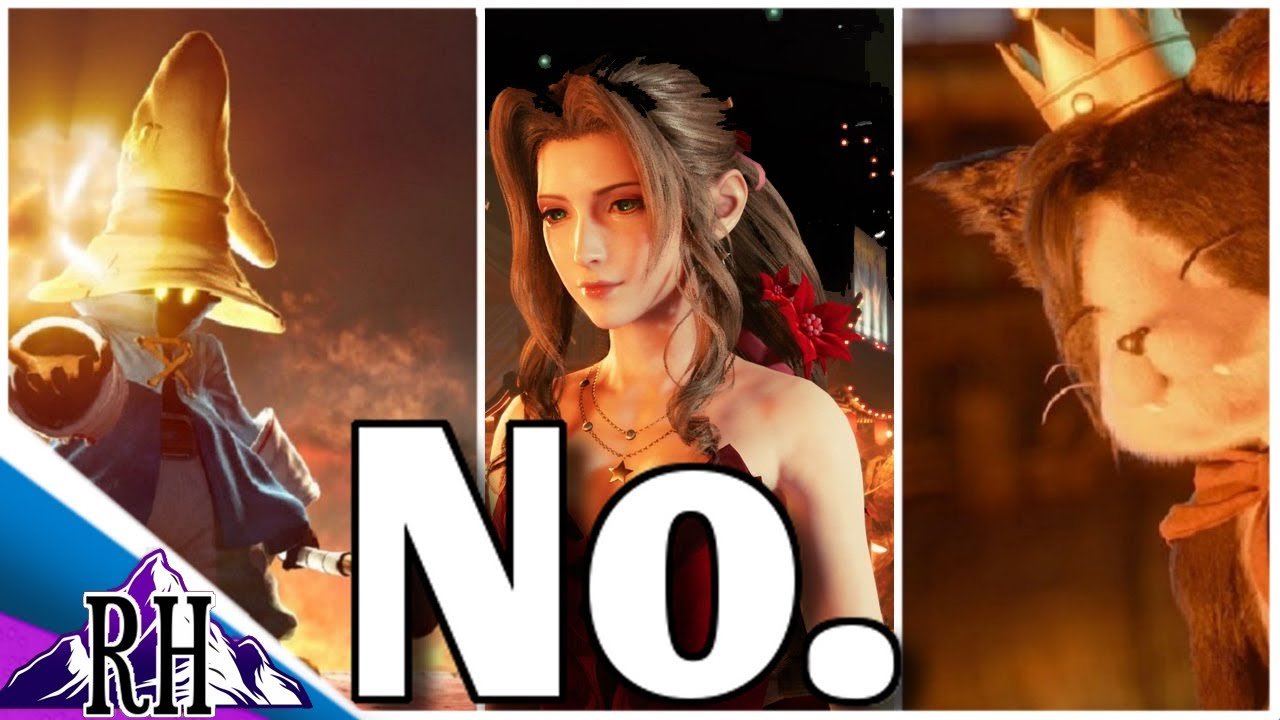
While most Final Fantasy games exist as standalone stories, some share direct sequels or have subtle thematic connections, but no overarching narrative truly ties all Final Fantasy games together.
Have you ever wondered if there’s a hidden thread that binds all those incredible Final Fantasy worlds? Many fans ask, are any final fantasy games connected? The truth is a bit complex than a simple yes or no answer.
Each numbered entry typically presents a unique setting, cast, and story. However, occasional sequels or prequels exist. Certain recurring themes and motifs appear throughout the series, sparking fan theories about deeper connections, but they are not interconnected narratives.

Are Any Final Fantasy Games Connected?
That’s a question many fans of the Final Fantasy series have asked, and the answer isn’t as straightforward as a simple ‘yes’ or ‘no.’ Unlike some other game franchises where every game directly follows the last, Final Fantasy takes a different approach. It’s more like an anthology, a collection of stories told in different worlds, with different characters. Each mainline Final Fantasy game, typically numbered from I to XVI (and beyond), is a separate adventure. However, that doesn’t mean they are completely isolated! Let’s dive into what connects these seemingly unrelated games.
The Shared DNA of Final Fantasy
While each mainline game boasts a unique story, characters, and world, they all share certain common threads, similar to how different books by the same author might have a similar style, even with different characters and plots. These connections are more thematic and stylistic than literal. They are like a family of stories, where members share some common traits, but each member is an individual.
Recurring Elements
These are elements that appear across multiple Final Fantasy games, sometimes with variations, sometimes almost exactly the same:
- Chocobos: These lovable, large yellow birds are the series’ mascot. They appear in almost every game as mounts, companions, or just cute creatures in the world. They also usually make the trademark sound ‘kweh!’
- Moogles: These fluffy, usually white, creatures often serve as merchants, messengers or just simply friendly characters. They are often associated with a signature ‘kupo!’ sound.
- Cid: This name appears in almost every game. Cid can be a scientist, an inventor, a pilot, or some other kind of genius. He usually has some key role to play in assisting the main characters.
- Summons (Espers/Eidolons): These powerful creatures, often based on mythology, are summoned to fight by the player. Examples include Ifrit, Shiva, Ramuh, and Bahamut, and they show up in many games with unique abilities and looks each time.
- Magic: Core magic spells like Fire, Blizzard, Thunder, Cure, and Teleport are frequently present, albeit sometimes in a modified form.
- Airships: These flying vessels are often a vital part of the story, giving characters the ability to explore the world. They’re recurring motif that is very common in most of the entries.
- Job Classes: Many character classes such as the warrior, white mage, black mage, monk, dragoon, etc. appear in various games, although they are sometimes tweaked with different unique abilities.
- Crystals: Crystals are often a central plot device, being a source of power and the key to the world’s balance or fate.
These recurring elements create a sense of familiarity and comfort for the fans, giving a similar overall experience despite different settings and storylines.
Thematic Similarities
Beyond the concrete, repeating items, there are themes that pop up in multiple games:
- The Struggle Against Oppression: Many Final Fantasy stories involve characters fighting against a tyrannical empire or some sort of injustice.
- Environmental Themes: The games often explore the conflict between human progress and nature, often highlighting ecological themes.
- Friendship and Loyalty: The bonds between characters, the value of teamwork, and the strength of friendship are very common focal points.
- Sacrifice: Often, characters will have to make big sacrifices for the greater good, showcasing the heavy cost of their battles.
- Balance of Light and Dark: The struggle between opposing forces, and finding the balance between them, is a recurring narrative element.
These recurring ideas provide emotional and intellectual depth, allowing players to relate to the stories in various ways. It’s like listening to an album by a musician; you can feel their unique style and voice even if each song is completely distinct.
Direct Connections: Where Worlds Collide
While the mainline games are largely independent, there are a few instances where characters and storylines are directly linked, or share same world. These connections usually occur in sequels, spin-offs, or games that are part of a connected ‘sub-series’.
Sequels and Direct Continuations
Some Final Fantasy games receive direct sequels. This is where you will find the most obvious connections. Here are some of the most notable ones:
- Final Fantasy X and Final Fantasy X-2: X-2 is a direct sequel to X, continuing the story of Yuna and her companions in the same world of Spira. They share locations, many characters, and continue the narrative from where X left off.
- Final Fantasy XIII, Final Fantasy XIII-2, and Lightning Returns: Final Fantasy XIII: This trilogy follows the story of Lightning and her friends, all set in the same universe. The games build directly upon each other, evolving the storyline. Each entry uses the same characters, locations and expands the lore of the universe.
The Compilation of Final Fantasy VII
Final Fantasy VII has many related entries that are interconnected which make up the Compilation of Final Fantasy VII. These are not just direct sequels, but they greatly expand the story and background of the original game.
- Final Fantasy VII: Advent Children: This is a full-length CGI movie that takes place two years after the events of the original game, continuing the story of Cloud and the rest of the crew. It shows how events of original game affects the characters in later timeline.
- Dirge of Cerberus: Final Fantasy VII: This action RPG centers on Vincent Valentine and takes place a year after the events of Advent Children, focusing on a new threat to the world.
- Crisis Core: Final Fantasy VII: This prequel tells the story of Zack Fair and gives more background on the events leading to Final Fantasy VII. It explains events, characters and elements from original game and gives a context to why it’s happen.
Spin-offs and Shared Universes
Some Final Fantasy titles that are not part of the main numbered series may share universes or characters with other games:
- Final Fantasy Tactics series: While each Tactics game has its own story, there are some recurring themes, characters, and settings that connect them. For example, Final Fantasy Tactics Advance is tied to a larger story in Final Fantasy XII. They are mostly set in a world that is different than numbered series, but share common elements and themes.
- Dissidia Final Fantasy series: This series bring together characters from all across the Final Fantasy games in a crossover fighting style. They directly connect the main characters across different titles, although they exist outside of those game’s main story, acting as more of a celebratory ‘what if?’ storyline.
The “Crystal Mythos” Theory
One popular fan theory that tries to connect all the different Final Fantasy games is the “Crystal Mythos” theory. It is not an official explanation, but it suggests that all Final Fantasy games are connected through the existence of crystals. Fans speculate that the crystals might be from the same source, and different worlds are variations or different versions of the same original world. This is not directly stated by the developers, but it is fun theory that some fans subscribe too.
How the Theory Works
The theory notes that crystals appear in almost every Final Fantasy game and are usually connected to the life, balance, or fate of the world. Some games even have their own version of crystal mythology, that differ slightly, but still share similar fundamental principles. The theory propose that each world with a different mythology is just a different facet of same universe, with each facet having slightly different details that gives the illusion of each game having a unique, different world. It attempts to explain the recurring elements (like the spells, monsters, and items) across all games as a result of that shared connection. It basically posits that there might be a single “source” for all things, which takes a different form in different worlds, like a river dividing into several streams, but all originate from same place.
Why it is not officially Canon
Square Enix (the company that makes Final Fantasy) has not officially confirmed this. The developers often stated that each Final Fantasy game is designed to be a standalone experience, so the players do not need to have knowledge of prior games before picking one up. They want each game to be a new, different experience for the player. Therefore, the “Crystal Mythos” theory is fun to think about, but fans should treat it more like a fun fan theory than a confirmed fact.
The Benefits of Standalone Stories
There is a good reason for the Final Fantasy series having so many different worlds and stories, instead of just one continuing narrative. This approach allows:
Flexibility and Creativity
Because each game is separate, the developers can experiment with different stories, settings, gameplay styles, and characters without being constrained by the previous games. This lets the series have a wide range of games that cater to different tastes. One entry might be steampunk themed, while next might be set in a medieval fantasy world, with each entry offering something distinct.
New Entry Points for Players
New players don’t need to have any background of previous entries to enjoy a new release. They can pick up any new game and enjoy a full story experience from beginning to the end without worrying about missing anything. That makes it easier for anyone to jump into the series at any point. If someone hears of the new Final Fantasy XVI, they do not need to play the previous 15 games in order to understand what’s going on.
A Wide Range of Experiences
Each game offers a distinct story, setting, and cast of characters, ensuring that the players get a different experience each time. This keeps the series fresh and appealing to players who like different stories. This diversity ensures that there is something for almost every type of player, allowing the series to cater to a huge audience.
In conclusion, while the mainline Final Fantasy games aren’t directly connected in a continuous storyline, they are interconnected through recurring elements, shared themes, and the occasional direct sequel. This unique approach allows for a vast and varied franchise where each game can be enjoyed as a new adventure, yet still feel like a part of the larger, beloved Final Fantasy family. The question of whether they’re all truly connected is a fun one to ponder, but ultimately, each story shines on its own.
Are Final Fantasy Games Connected? This is Dumb!
Final Thoughts
Final Fantasy games largely exist as individual stories with unique worlds and characters. Although certain recurring elements like chocobos and Cid appear, these are thematic links. They don’t indicate a shared narrative universe.
Therefore, the answer to “are any final fantasy games connected” is primarily no. Each title offers a fresh experience. There are some exceptions with direct sequels, but the main line entries are standalone.

