
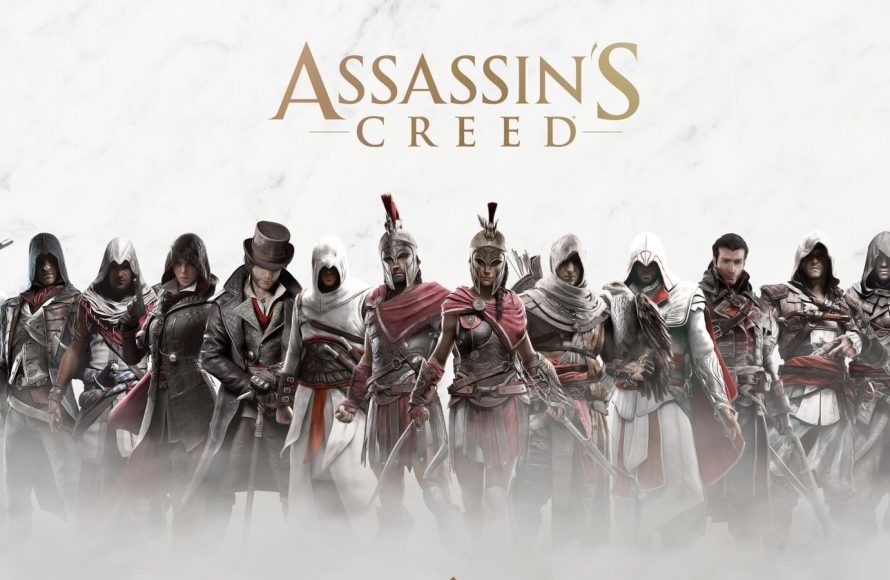
No, Assassin’s Creed games are not strictly historically accurate; they blend real historical settings and figures with fictional narratives and gameplay elements.
Ever wondered about those cool parkour moves across ancient rooftops? The question of whether Assassin’s Creed games are historically accurate sparks lively debate among players and historians alike. The games vividly place you in different historical periods, from ancient Egypt to the Victorian era.
They feature recognizable landmarks and often portray key historical events. However, the central conflict between Assassins and Templars is purely fictional. Therefore, while the series draws inspiration from the past, they do take creative liberties with historical accuracy.

Are Assassin’s Creed Games Historically Accurate?
Assassin’s Creed games take us on amazing adventures through history. We get to climb ancient buildings, meet famous people, and fight in big battles. But how much of what we see in the games is actually true? That’s a great question! Let’s dive into the details and see how Assassin’s Creed blends fact and fiction.
The Core Idea: Historical Fiction
First, it’s important to remember that Assassin’s Creed is a series of historical fiction games. This means the games use real historical settings and events as a backdrop for a fictional story. The basic idea of a secret war between Assassins and Templars is not real, but the places, time periods, and many of the characters are based on actual history. Think of it like a history book brought to life with a really exciting story and cool action.
Setting the Stage: Recreating the Past
One of the coolest things about Assassin’s Creed is how detailed the game world is. The developers at Ubisoft put in a lot of effort to make the cities and environments look like they did in the past. For instance:
Ancient Egypt in Assassin’s Creed Origins
In Assassin’s Creed Origins, the game shows ancient Egypt with its pyramids, temples, and bustling cities like Alexandria and Memphis. The game creators researched the architecture, clothing, and daily life to make it look as authentic as possible. You can walk through marketplaces, see the way people farmed, and even swim in the Nile river.
However, there are some slight adjustments. The game world is often compressed to make it easier to explore and play, and some buildings that no longer exist or whose details are not known were reconstructed based on archeological theories. While the overall feel is very Egyptian, the fine details sometimes rely on educated guesses.
For example, the size of certain monuments might be a bit off, and they might not be located precisely where they would have been. Yet, the overall experience of exploring this ancient world remains very immersive.
Paris During the French Revolution in Assassin’s Creed Unity
Assassin’s Creed Unity takes us to Paris during the French Revolution. The game gives us a very detailed version of the city, complete with famous landmarks like Notre Dame Cathedral (before the fire!) and the Bastille. You get a sense of the unrest and chaos that the real people of Paris experienced. The game shows you the streets filled with angry crowds, the execution of King Louis XVI, and the intense political atmosphere.
While they show real events, not every character you meet was real, and not every detail of the revolution is presented perfectly. The gameplay of running, jumping, and fighting across the rooftops is certainly exaggerated, but they do try to capture the real feeling and tone of the French Revolution.
Vikings in England in Assassin’s Creed Valhalla
Assassin’s Creed Valhalla plunges us into the world of Vikings in England. You get to explore the countryside, build your settlement, and raid monasteries. The game shows the longships, the clothing, the weapons, and the culture of the Vikings. It’s a very different setting than the other games, filled with landscapes and towns that are specific to that era. The game tries to show the daily lives of Vikings and their interactions with the Anglo-Saxons, although it also takes some creative liberties with their beliefs and customs.
Again, while the spirit of the Vikings is there, the game sometimes plays with the facts. The specific details about specific battles and political events may not always align perfectly with history. The overall look and feel, however, are very reminiscent of the Viking period in history.
Real Historical Characters vs. Fictional Characters
Assassin’s Creed games mix real people with fictional characters. You’ll often interact with historical figures like:
- Cleopatra in Assassin’s Creed Origins
- Leonardo da Vinci in Assassin’s Creed II
- George Washington in Assassin’s Creed III
- Queen Victoria in Assassin’s Creed Syndicate
These characters are often portrayed in ways that are true to their historical reputation and actions. You can see them dressed like they would have dressed, and they engage in activities that align with what we know about them. However, the story lines and relationships you have with them in the game are fictional. For example, Leonardo da Vinci really was an inventor but in Assassin’s Creed games, his role in the Assassin’s/Templar conflict is a piece of storytelling not based on fact.
Many of the characters you interact with are completely made up. They are there to drive the story forward and give your character a mission, so they might fill roles that were not actually filled by anyone in real history. The story of the Assassins and Templars is a big work of imagination, blending seamlessly with the real historical backdrop.
Daily Life and Culture
Assassin’s Creed also tries to show us what daily life was like for everyday people in these time periods. You can see:
- People working in the fields
- Craftsmen making goods
- Children playing in the streets
- Merchants selling items
- Religious practices of the time
These details help to make the games feel more real and immersive, giving us an idea of the culture of the time period. The games include dialogues and stories that reflect the social norms and customs. While not every detail is perfectly accurate, they present a picture that is pretty close to how things might have been.
For instance, the games might show you some elements of the fashion, like how people dressed for work or special occasions. They may also incorporate common social practices like religious ceremonies or town celebrations. They also showcase architectural styles, so you get a sense of how the buildings were constructed in each time period.
The Action and the Exaggeration
While Assassin’s Creed games try hard to be historically accurate, it is important to remember that these are action games! The parkour (running and climbing) that the assassins do is very exaggerated. Jumping from rooftops and scaling walls with such ease is not something that was likely done by anyone in real history. The way they use hidden blades to assassinate their targets is also more dramatic than most historical accounts of assassination.
The combat in the games also tends to be over the top. People would not have been able to take on so many enemies at once and would not have been able to survive multiple attacks in a single combat. It’s meant to be fun and exciting, but that’s not how historical battles were actually fought. The game developers exaggerate these elements to make the games more fun to play. Think of them like how action movies might show car chases, those are not exactly what happen in real life.
Even the idea of climbing up tall buildings with your hands and feet, or moving through crowds without ever getting noticed is dramatized for gameplay. The developers of the game take things that would have been very difficult or impossible in real life and make them commonplace in the games so that it is engaging for you to play.
Specific Examples of Accuracy and Inaccuracy
Let’s look at some more specific examples of how the games mix real history with fictional additions:
The Accuracy of Architecture
In many Assassin’s Creed games, the architectural renderings are very impressive. Take for example, the great cathedrals and mosques of the cities in the series. They are built using realistic methods and materials. The game developers worked with historians, so they can make the buildings as authentic as possible.
However, there are some creative differences. Some buildings might be slightly smaller or placed slightly differently to better accommodate the game’s mechanics. For instance, some buildings are re-scaled slightly, to fit into a more game-friendly environment, even though they may have been bigger in real life.
The Accuracy of Weapons and Technology
The weapons and technology used in the game generally fit the time periods. They include swords, daggers, axes, and bows. Later in the series they add firearms as they come into widespread use. The games also feature some inventions from the historical period, some of which are not real but fit the overall theme. These inventions often come from the minds of characters like Leonardo Da Vinci, but might have been more experimental in reality. The historical weapons were researched and designed based on how they would have been constructed and used at that time.
However, some weapons are changed slightly to make them more suitable for gameplay. The hidden blade, for instance, is a major element of the assassin’s arsenal but is not always presented in a historical manner. Other examples could be some of the ranged weapons or bombs. These elements are exaggerated for the purpose of gameplay and story, but still mostly stay within the overall feel of the time period.
The Accuracy of Historical Events
The Assassin’s Creed games touch on actual historical events like the French Revolution, the American Revolution, and the fall of the Roman Empire. You can see real battles and important political happenings through the games. However, in the game, the Assassins and Templars usually play a big part in influencing these events, which is not something that happened in real life. The games often have the Assassins and Templars at the heart of many of the historical moments you see in the games.
For example, the games might show you the battles and sieges, but with the main character playing a critical role in the victory. This is not meant to be an exact history lesson, it’s meant to tell a story. The games use the real setting, and then create a whole other story involving this secret struggle between the Assassins and Templars to enhance your gameplay experience.
The Educational Value of Assassin’s Creed
Even though they are not entirely accurate, the Assassin’s Creed games can be educational. They spark an interest in history. Because they are fun to play, kids and adults might find themselves more interested in the historical setting and the events they see in the game. When you are playing the game you may feel interested to know more about the real historical events, real historical characters, or the time period. The games often include in-game codex entries and historical facts which will give you more knowledge about the real history and cultural setting.
The games can make you want to do further research on your own, learning about the historical time periods and events. They help you visualize the past and understand the kinds of environments and societies people lived in. It is important to remember the difference between the history as depicted by the game developers for entertainment value, and that real history can be very different. So you should not use the games as your main source of information.
A Fun Way to Learn About the Past
Assassin’s Creed games offer a unique way to interact with history. They combine real places, events, and people with an exciting and imaginative story. While some things are exaggerated, the games do a great job of making you feel like you are experiencing a different time period. So, are Assassin’s Creed games historically accurate? They are a fun and interesting mix of historical fact and entertaining fiction.
They are a jumping off point to learn more about real history, and also a fun way to experience an alternate take on the past.
The 10 Most Historically Accurate Assassinations in Assassin's Creed
Final Thoughts
Assassin’s Creed games blend fiction with real historical periods. They take creative liberties for gameplay and narrative purposes. This means that, while inspired by the past, they are not perfectly accurate representations.
The settings, architecture, and some events are based on historical accounts. Character actions and plot lines, however, are largely fictional. Therefore, assessing whether are assassins creed games historically accurate involves acknowledging both their factual roots and their fictional nature.

