
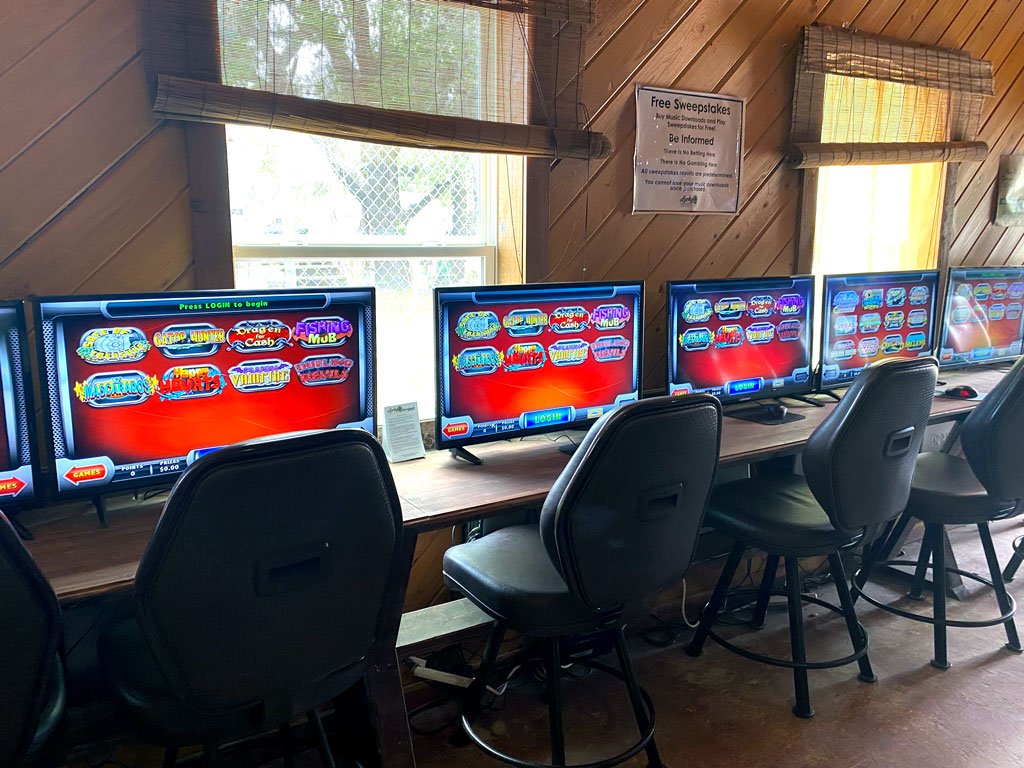
Game rooms are not inherently illegal in Texas, but they must adhere to specific state and local regulations to operate legally.
Ever wondered if those vibrant game rooms you see around Texas are operating within the law? The question, ‘are game rooms illegal in texas’, is surprisingly common. It comes up a lot when people see some establishments popping up with various games and machines.
Texas has laws surrounding these types of businesses that owners must follow. These rules are about how the games work and the payouts that they offer. So, it’s not a simple yes or no answer.

Are Game Rooms Illegal in Texas?
Let’s dive deep into the question that’s on the minds of many Texans: are game rooms actually legal? The answer isn’t a simple yes or no. It’s more like a “it depends,” and that’s because Texas law is a bit complicated when it comes to these establishments. These places, sometimes called “eight-liners,” “sweepstakes parlors,” or “mini-casinos,” operate in a gray area, which means understanding the rules is key. This part will explain the ins and outs of game rooms and Texas law, helping you understand if they’re playing fair or crossing the line.
Understanding the Basics: What Exactly is a Game Room?
Before we figure out if they are legal or not, we first need to understand exactly what we are talking about. A game room, in this context, isn’t your typical family game room with board games and video consoles. Instead, we are talking about commercial businesses that offer electronic games of chance. These games look and sound a lot like slot machines found in casinos, often featuring colorful screens and spinning reels. But there are key differences that dictate whether they’re considered legal or not in the eyes of Texas law.
These businesses often use different names like:
Eight-liner arcades
Sweepstakes parlors
Amusement redemption centers
But no matter what you call them, it’s the type of games and how they operate that determines if they are legal. Most of them use software that simulates a chance of winning some kind of reward, it might be gift cards, cash or merchandise. The catch? Texas law has strict regulations about gambling and what constitutes an illegal “gambling device”.
Texas Gambling Laws: A Look at the Legal Framework
Texas has a reputation for having pretty strict rules against gambling. Unlike states with large casinos, Texas mostly prohibits gambling. It’s a big part of understanding the issue with game rooms. The basic law says that a person can’t:
Make a bet on the result of a game.
Receive a profit for operating a place where gambling happens.
The state law defines “gambling” as betting money or something of value on the result of a game of chance. It is this “chance” part that makes the issue of game rooms complicated. There is an exception for some amusement places but they need to be operating within certain restrictions. So, the law says that while there are amusement redemption machines, they need to be fair and offer only small prizes to winners. These prizes should not include cash, gift cards or merchandise that is worth too much money. When game rooms go over these rules, it can cause them problems with the law.
The ‘Bona Fide Amusement Exception’
There is one main exception to these strict rules, and this exception is what most of these game rooms try to operate under. It is called the “bona fide amusement exception.” This exception allows places to operate certain types of amusement devices, but only if they follow very specific rules. Here are some of the rules:
The games must primarily be for amusement.
Prizes must be for “reasonable” amounts of value and are considered merchandise prizes, typically less than $5.
The prizes cannot be things like gift cards, cash, or alcohol.
The operation must not involve any gambling.
The law tries to draw a line between a legitimate game of skill with a small prize and a high-stakes gambling operation. Game rooms need to follow these guidelines carefully or they face serious consequences.
Why Game Rooms Often Face Legal Challenges
With these rules in place, you might wonder why game rooms often face legal problems. The issue is, that a lot of them push the rules as far as they can go. Here are some common ways in which they go against the law:
Excessive Prizes: They sometimes award large prizes, far beyond what the “bona fide amusement” exception allows. These prizes are sometimes cash, large gift cards, or high-value merchandise.
Games of Chance vs. Skill: They operate games that are mainly based on chance. The exception is for games of skill which allow people to improve with practice, but most of the time in game rooms, it doesn’t matter how good someone is they will still win or lose depending on luck.
Lack of Amusement Value: The game should not be the only part that the person is looking at. The main focus should be fun and entertainment. If they only focus on the value of the reward and are not there to play and have fun, it can indicate an illegal gambling operation.
Operation as an Illegal Gambling Operation: If a game room primarily makes money from illegal activities such as games of chance that offer high value prizes, that makes it illegal.
These violations can get these places in trouble with local and state law enforcement agencies. It’s not unusual to see police raids on game rooms that go too far.
Local Authority: Cities and Counties Step In
It is not just the state that deals with game rooms, local governments can also create their own rules. They are given power to do that by the state and it means that game rooms will face different rules depending on where they are located. Cities and counties can create their own regulations to make sure that the state laws are applied, but they might also create their own rules.
These rules might include:
Zoning Rules: Cities can restrict where game rooms can be located. They might have a special rule saying they can’t be near schools, residential areas, or churches.
Permitting and Licensing: Local governments require that these places get a permit to operate and must meet certain criteria, such as background checks on owners, security measures, and limits on operating hours.
Fees and Taxes: Cities and counties also charge fees to game rooms to make sure they are following the rules.
Increased Enforcement: Local authorities can increase the number of checks on game rooms to make sure that they are not going against the law.
Closure: If a game room is found to be breaking rules, local governments can have the power to close the game rooms down.
These local regulations add another layer to the already complex problem of the legality of game rooms.
The Penalties for Operating Illegal Game Rooms
Operating an illegal game room comes with serious consequences. These penalties depend on how severe the violation is but they can include things such as:
Criminal Charges: Owners and operators can face serious criminal charges. Operating an illegal gambling business is a felony, meaning the person can be charged with a serious crime. The severity depends on the extent of the operation, such as the amount of money being made illegally.
Fines: The game room can also receive big fines. They might need to pay these fines to the city, county, or state. These fines can sometimes be in the thousands of dollars.
Seizure of Property: The game room’s equipment, money, and property can be taken by law enforcement. This can include things like gaming machines, cash, computers, and sometimes even the buildings they operate in.
Closure of the Business: The game room might have to be permanently closed down. If they are found to be operating illegally, the authorities can prevent them from operating again.
Jail Time: The people operating the game room might face jail time and serious prison sentences depending on the severity of the crime.
These penalties show how serious the government is about enforcing gambling laws and making sure that game rooms follow the rules.
Navigating the Gray Area: How Game Rooms Try to Stay Open
Some game rooms are operating in a gray area of the law. They try to stay open by using some strategies, but whether or not these strategies are legal depends on how closely they adhere to the rules. Here are some tactics that these places might use:
Gift Cards instead of Cash: Rather than giving out cash prizes, they might give out gift cards that can be redeemed at stores or other places. This is often considered a way of getting around the cash prize rule, but the value of these gift cards are still considered illegal if they are above a certain amount.
Points Systems: They might use point systems that customers collect which they can exchange for prizes. It is like giving gift cards, if the points are worth too much they can also be seen as an illegal form of reward.
“Pre-reveal” Games: These types of games try to get around gambling laws by showing people the result of the game before they even start it. But the law is still very strict and if it doesn’t have enough amusement it will be considered illegal.
Membership Clubs: Some game rooms call themselves “membership clubs” to try and get around the laws by saying they are a private club instead of a public place. This strategy does not have any standing in law because you are still offering gambling opportunities to the public.
These tactics sometimes create a confusing legal situation. Courts and authorities often look closely at these practices to determine if they are just trying to get around the law, or if they are truly following it.
What to Look Out For: Identifying a Potentially Illegal Game Room
It is important to know how to spot a game room that might be breaking the law. If you’re unsure about a game room, here are some signs to watch for:
High-Value Prizes: Are they offering prizes like gift cards, cash, or electronics? It might mean that they are not following the amusement exception.
No Focus on Amusement: Do the people just focus on getting the prizes instead of enjoying the games? It can mean that it is a gambling operation and not an amusement center.
Pushy Tactics: If the business seems to be very focused on getting people to spend more money or if they are aggressive, it might mean they are not following the law.
Shady practices: If they hide the rules or are not upfront about them, it is not a good sign.
No Visible Licensing: If they do not have visible permits or licenses, they might not be operating legally.
If you spot any of these things, you might be in a potentially illegal place.
The Future of Game Rooms in Texas: What’s Next?
The legal landscape surrounding game rooms in Texas continues to be a battleground. There are frequent changes in how laws are interpreted, and there is a constant challenge between game rooms and law enforcement.
Here’s what we might see in the future:
More Court Cases: More legal battles could take place between the authorities and game room businesses. These battles could set new standards for what is legal and what is not.
Changes in the Law: The laws about gaming might be changed or clarified. These changes can be to make the laws easier to understand.
Increased Enforcement: Local and state authorities could increase their enforcement activities to prevent illegal game rooms from operating.
New Technologies: New technology used in gaming machines might create new challenges for laws. It will become harder to define what is legal and what is not if new ways of gaming appear.
The future of game rooms will continue to be watched, and it will be something to keep an eye on as things change in the future.
In conclusion, the legality of game rooms in Texas is a complex issue and there is no simple answer, it is not black and white. While these places try to operate under an exception to gambling laws, many of them push the rules too far. This leads to constant legal challenges from law enforcement. The line between a legitimate amusement and an illegal gambling operation is very thin, meaning game room operators must be very careful to follow the specific rules. Texas state and local authorities will continue to be watching closely to make sure the laws are followed. For the community members, understanding these issues is important so they can make informed decisions.
What makes a gameroom illegal?
Final Thoughts
In Texas, game room legality is complex and depends on specific circumstances. Laws address gambling, not just owning machines. These laws can vary by local jurisdiction.
Therefore, are game rooms illegal in texas? It depends on compliance with local and state regulations regarding prizes and gambling. Operators must adhere to these specific statutes to avoid legal issues.

