
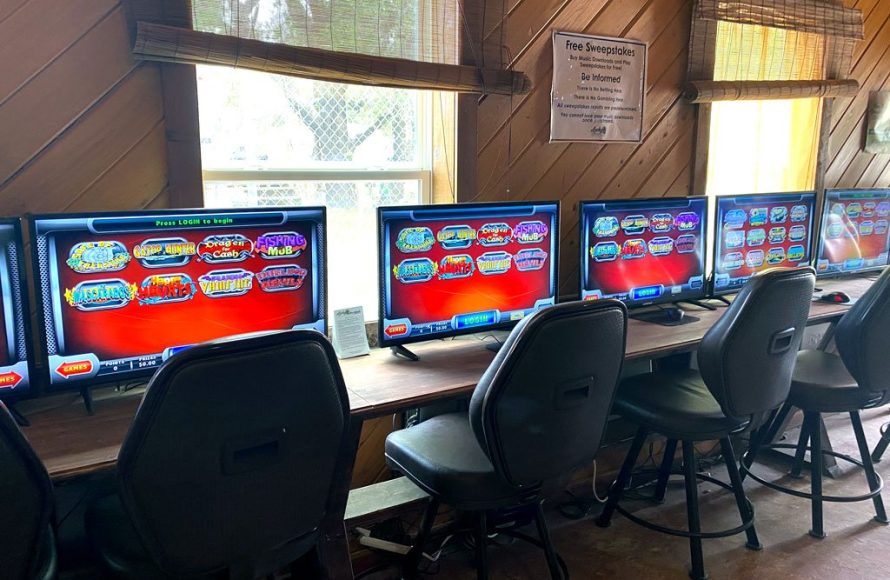
Game rooms are legal in Texas, but they must adhere to specific state and local regulations, particularly concerning gambling and alcohol sales.
Ever wondered about those brightly lit establishments popping up, filled with gaming machines? The question on many minds is: are game rooms legal in Texas? It’s a common question, and navigating the answer requires understanding various laws.
The legality isn’t a simple yes or no. It involves detailed rules and guidelines that game room operators must follow. These regulations often focus on preventing illegal gambling and ensuring responsible business practices.

Are Game Rooms Legal in Texas? Unpacking the Laws
Texas, with its wide-open spaces and love for fun, might seem like the perfect place for game rooms. But, things aren’t always as simple as they appear. When we talk about “game rooms,” we aren’t just thinking about your home’s basement with a foosball table. We’re talking about places that have multiple machines where people play for prizes, and that’s where things get a bit tricky with Texas law. Let’s take a closer look at what exactly makes a game room legal or illegal in the Lone Star State.
The Basics: What Makes a Game Room a Game Room?
Before we dive into the legality, it’s vital to understand what constitutes a game room in the eyes of Texas law. It’s not just any place with games. A key factor is the presence of what are known as “amusement redemption machines” or “eight-liners.” These are the machines that look like slot machines, where players can win prizes based on chance. A place with several of these machines, offering prizes that are typically not just toys but also include things like merchandise or even cash equivalents, is what we’re generally talking about when we say “game room” in a legal context. The legal landscape surrounding these kinds of establishments is complex, and it’s important to understand the regulations.
Understanding Amusement Redemption Machines
Amusement redemption machines are those that, after you play, give out tickets or points that you can then exchange for prizes. These machines are the core of many game rooms. The trick is that Texas law wants to make sure they’re actually for amusement, not for gambling. If the machines become too much like slot machines where people primarily play to win big money, the game room could cross the line into illegal gambling territory.
- Key Feature: They award non-cash prizes like toys, merchandise, or gift cards.
- Purpose: Designed for amusement and entertainment, with prizes meant to be a bonus.
- Legal Status: Their legality hinges on specific regulations to prevent gambling activities.
The Difference Between Amusement and Gambling
The key distinction that is critical is the difference between a game of skill and a game of chance. In Texas, games of skill, where your skill affects the outcome, are generally legal. But games of chance, where the result depends mainly on luck, are often considered gambling, which is heavily regulated and often illegal. Amusement redemption machines exist in the middle. They have an element of chance, but they are designed to be used for entertainment. The line is thin, and that is why there are regulations. Here’s a simple comparison:
| Feature | Amusement Game | Gambling Game |
|---|---|---|
| Primary Purpose | Entertainment with prizes | Winning money |
| Prizes | Merchandise, toys, small gifts | Cash or cash equivalent |
| Emphasis | Fun and Skill with chance | Luck and chance |
| Legal Status | Legal with regulations | Regulated, often illegal |
The Legal Framework: What Texas Says
Now, let’s get into the nitty-gritty of what Texas laws say about these game rooms. Texas Penal Code Chapter 47, which focuses on gambling, is where a lot of the key rules are located. Here, you find definitions of “gambling,” “bet,” and “gambling device.” Understanding these definitions is the first step to understanding whether a game room is operating within the law. Also, Texas Administrative Code Title 16, Part 3, Chapter 101 is also pertinent, which includes regulations and compliance rules.
Key Texas Gambling Laws
The Texas Penal Code makes it unlawful to bet or gamble on games of chance. This is why the line between amusement and gambling becomes critical. If the machines in a game room seem too much like slot machines with payouts that are primarily cash based, they can get into legal trouble for illegal gambling. The state of Texas defines gambling in such a way that is important to grasp to understand how Texas determines whether something is unlawful or not.
- Prohibition of Gambling: Texas law forbids betting on games of chance, where the outcome is largely dependent on luck.
- Definition of Gambling: Texas defines gambling as a situation where someone risks something of value (a bet) on the outcome of a game of chance or on the happening of an event that is beyond their control.
- Gambling Devices: The state also defines what constitutes a gambling device and machines that are designed for gambling are not allowed.
The “Fuzzy Animal” Exception
There’s a common term that is talked about when discussing the legality of game rooms, the “fuzzy animal exception.” This comes from the way prizes are generally issued. If a game room is giving out tickets or points that can only be used to get low-value prizes like stuffed animals or small toys, it’s often seen as an amusement operation. However, if the prizes are easily converted to cash or are high-value items, the game room could be seen as engaging in illegal gambling, even if the machines are technically “amusement” devices. This part of the law is a bit more complicated.
Here is what game rooms need to keep in mind to avoid running afoul of the law:
- Low-Value Prizes: Prizes should have a low cash value, like small toys or stuffed animals, rather than cash, gift cards, or other cash equivalents.
- No Cash Payouts: Direct cash payouts from the machines are strictly prohibited.
- Point Redemption: Points or tickets should be used solely for low-value merchandise prizes in the game room, and not anything that can be easily turned into money
Local Ordinances
Another important thing to keep in mind is that, beyond the state laws, there are local laws and rules. Many Texas cities and counties have their own ordinances that are even more strict than the state laws. These local laws can add more rules about where game rooms can be located and how they operate. It’s essential to check both state laws and local regulations to be sure a game room is compliant. In some instances, a game room may be legally operating based on state law, but a specific local law might forbid the operation of such a business in that specific place.
- City and County Rules: Local ordinances can impose stricter regulations on game room operations than state laws.
- Zoning Restrictions: Some local laws restrict where game rooms can be located, often keeping them away from residential or school areas.
- Operating Permits: Local governments may require permits or licenses to operate game rooms.
Navigating the Gray Areas: Common Challenges
Even with clear laws, there are still several issues that make game room legality a challenge. The biggest problem is that the line between amusement and gambling is blurry. This can lead to confusion about how to operate a game room lawfully. Sometimes, game rooms may try to skirt around the rules, creating situations that can land them in legal trouble. Also, a game room that might seem legal today may later be found illegal because a court ruling made changes to the interpretation of Texas laws. Here are some points that can be issues:
“Sweepstakes” and Creative Prize Systems
Some game rooms might try to get around the rules by setting up “sweepstakes” or elaborate prize systems. For instance, instead of giving away cash, they might give out gift cards or some items that can easily be turned into cash, or operate a system where points are accumulated in a database to then be redeemed. Texas courts and law enforcement agencies have become very astute at looking at the actual operation of a business, instead of just relying on how the business describes itself. The key is to not try to create an operation that tries to mimic gambling or provide a pathway for people to get cash equivalent. Any approach that is a work around to allow people to essentially gamble is more likely than not to get into trouble.
Enforcement Challenges
Enforcing the laws can be difficult because game rooms are often found operating in areas where there may be limited law enforcement oversight. Many times, the game rooms may operate in a gray area. For example, if there are not enough police officers in an area, or if the police officers are unaware of the actual rules, then some game rooms may operate under the radar of law enforcement for a period of time. It requires an active effort on the part of local and state agencies to ensure compliance and the game rooms don’t have a loophole.
How Game Room Owners Can Stay Compliant
If you are someone who wants to open a game room or are currently operating one, there are several steps to take to make sure you are operating within Texas law and local ordinances. It’s always best to talk with a lawyer and to consult the most updated resources of the state agencies in charge of enforcing these laws.
Seek Legal Advice
The first and most important step is to talk to a qualified Texas lawyer who is familiar with gambling and amusement laws. They can provide guidance tailored to your specific operation and local laws. A lawyer may tell you whether your game room is compliant or is likely to draw scrutiny.
- Experienced Attorneys: Get advice from a lawyer specializing in Texas gambling and amusement laws.
- Personalized Advice: Lawyers can advise on your game room’s specifics.
Follow State Rules and Regulations
Stay up to date with the state rules in the Texas Penal Code and Administrative Code. These rules can be updated, so checking back regularly is critical. Do not assume that a past understanding of the rules is still applicable.
- Texas Penal Code: Be aware of the definitions for illegal gambling, especially as they relate to machines.
- Texas Administrative Code: Know the regulations relating to the operation of amusement redemption machines.
- State Agency Website: Check out the state agencies in charge of enforcing the laws. They may have additional guidance documents.
Understand Local Ordinances
Check with your city and county to learn about any local regulations or zoning restrictions that might apply to your game room. Local rules can add additional restrictions.
- City Hall: Contact your local city government for ordinance information.
- County Clerk: Get information from the county clerk or local court regarding applicable county rules.
Focus on Legitimate Amusement
It is always a good practice to operate your game room with the intent of legitimate amusement, not as an avenue for gambling. The focus should be on fun, entertainment, and low-value prizes. The intent is as important as following the rules.
- Low-Value Prizes: Make sure that the prizes are low in value.
- Fun-Focused Atmosphere: Make your game room a place for family fun and not an avenue for people to come and make money.
Regular Audits and Reviews
Regular audits of your game room operation can help to ensure compliance with all the applicable laws. Regular reviews of the laws are also vital because these laws are subject to change.
- Internal Audits: Regularly review your own operation to check for compliance.
- Lawyer Check-Ups: Periodically meet with your lawyer to keep up-to-date with any law changes and their impacts.
Game rooms can be a fun source of entertainment in Texas, but understanding the laws is important to avoid any legal issues. By following the guidelines and working to stay compliant, game room owners can operate within the laws and provide safe entertainment. Always stay informed and consult with qualified professionals.
Texas gambling laws in gray area on poker rooms
Final Thoughts
Texas game rooms operate within a complex legal framework. Local regulations vary greatly, impacting their legality. Zoning laws and permit requirements play key roles in determining if a game room can open or continue operation.
The question of ‘are game rooms legal in texas’ is not easily answered. Businesses must meticulously check city and county rules before starting up. Compliance with state law and these local rules is essential to avoid penalties. Ignoring these legal constraints can lead to significant issues for owners.

