
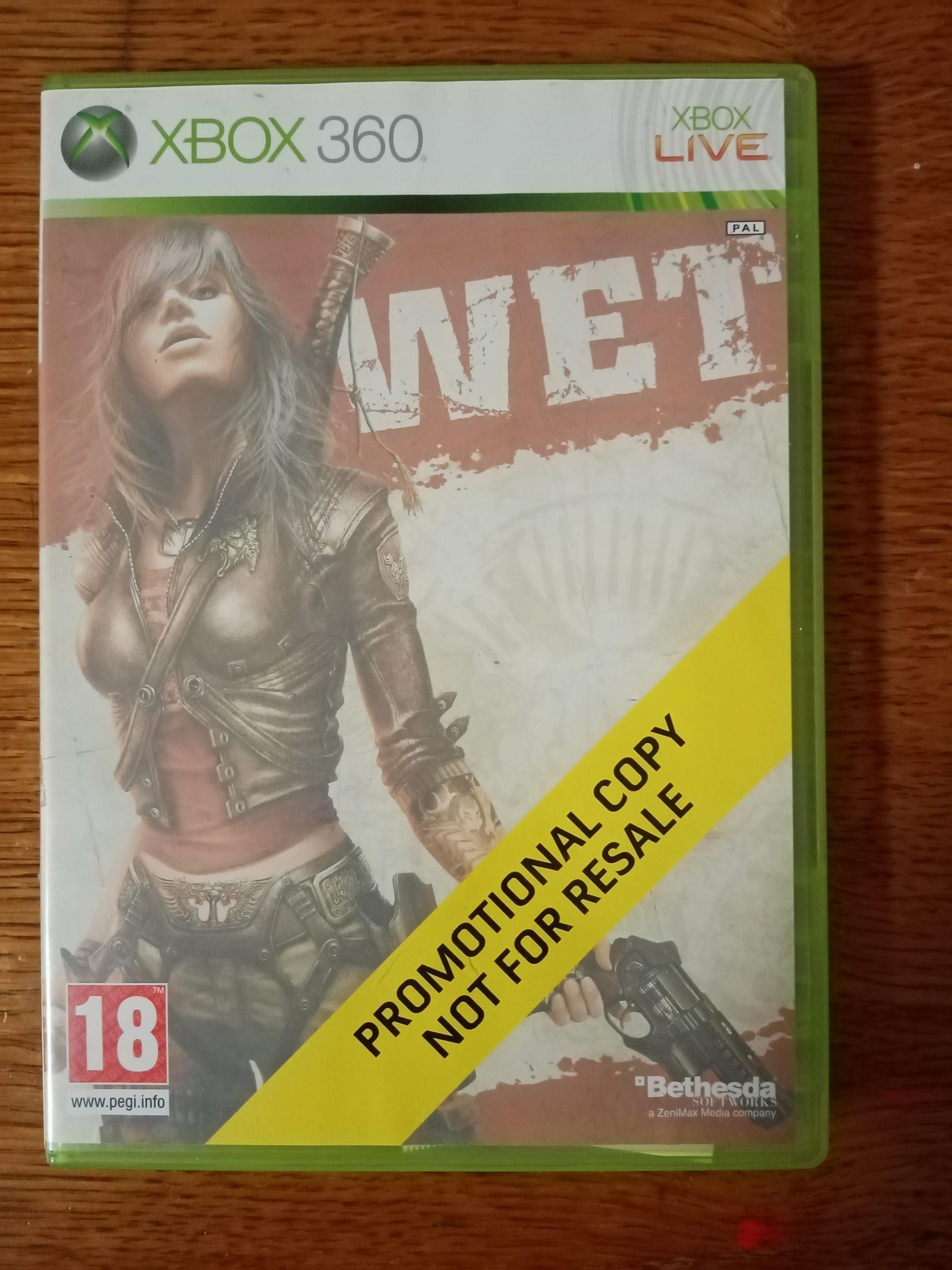
No, PEGI versions of games are generally not worth less than non-PEGI versions in the secondary market.
Have you ever wondered if the PEGI rating on a game impacts its value? Many gamers often ask are PEGI versions of games worth less when they consider trading or selling their old titles. The PEGI rating system indicates the age suitability of a game, but does this translate to a difference in pricing when games change hands?
This question pops up a lot in online forums and game trading communities. Let’s dive into the factors that influence game value and explore whether this rating system actually plays a significant role in determining a game’s worth.

Are PEGI Versions of Games Worth Less?
When you’re buying or selling video games, you might hear people talk about “PEGI versions.” But what does that mean, and does it change how much a game is worth? Let’s explore this topic in detail. It’s like comparing two identical toy cars, but one has a special sticker on it. Does that sticker make one car less cool or worth less money?
Understanding PEGI Ratings
First, let’s figure out what PEGI actually is. PEGI stands for Pan European Game Information. It’s like a movie rating system, but for video games. PEGI is used in most of Europe to tell people if a game is okay for kids of different ages. The ratings use numbers like 3, 7, 12, 16, and 18, and sometimes special symbols like a scary face or a picture of fighting.
Think of it like a set of traffic lights for video games. Green means go, games rated 3 are usually okay for most people. Yellow means caution, games rated 12 or 16 may have content that some kids shouldn’t see. Red means stop, games with a rating of 18 are only for adults. These ratings help parents choose games that are appropriate for their children.
How PEGI Ratings Work
PEGI ratings consider the kinds of things that happen in the game, not just how much violence is shown. They also look at things like bad language, fear factors, gambling, and any use of drugs or alcohol. It is a thorough system designed to give helpful information about the game’s content.
- PEGI 3: Suitable for all age groups. It means the game is simple, child-friendly, and usually has no scary or violent scenes. Think of games like puzzles, or ones with happy characters.
- PEGI 7: The game might have some scenes that could scare or upset younger children. But it won’t be too violent or inappropriate for children over 7.
- PEGI 12: Games might show more violence than a PEGI 7 game, but it’s not usually too graphic. It might have things that can be intense for younger children.
- PEGI 16: Games with a PEGI 16 rating are for teenagers and adults. These games might have more mature themes, realistic violence, or use of bad language.
- PEGI 18: These games are strictly for adults. They might have graphic violence, sexual content, or promote illegal activities.
So, the PEGI rating is just an informational sticker designed to help people make good choices. But, does it make a game less valuable? Let’s find out.
The Perception of PEGI Versions
Now, let’s get to the heart of the question: do PEGI versions of games have less worth? The answer, like many things, isn’t simple “yes” or “no.” It depends on various factors, including the region, the collector, and the platform.
For many people, especially in Europe, PEGI versions are just normal. They’re the standard. When a game comes out, it will usually have a PEGI rating on the packaging. These ratings are important because shops and families use these to guide purchases. This means, if you want a game in Europe, it will usually be the PEGI version you buy.
Regional Differences and Game Collectibility
The big twist in the story comes when you start thinking about different regions. In North America, for example, video games use a different rating system called ESRB (Entertainment Software Rating Board). ESRB ratings work pretty similar to PEGI but they are marked with different symbols and age categories. ESRB ratings are used in the US and Canada. And, in Japan, they use a system called CERO (Computer Entertainment Rating Organization). Each region has a way to show people what kind of content the game holds.
This can be the key to value. If someone from the United States collects games, they might prefer to have an ESRB version of a game, since that is what they are used to seeing. A collector in Europe, however, will be looking for a PEGI version. It comes down to personal preference, which can affect a game’s value. Think of it like collecting coins – some people want coins from certain countries, and others are interested in specific years.
Here is a table that shows the main differences between rating systems:
| Rating System | Region | Purpose | Typical Ratings |
|---|---|---|---|
| PEGI | Europe, Middle East, and some other regions | To inform about the suitability of games by age | 3, 7, 12, 16, 18 |
| ESRB | North America | To inform about the suitability of games by age and content | EC, E, E10+, T, M, AO |
| CERO | Japan | To inform about the suitability of games by age and content | A, B, C, D, Z |
Factors Influencing Game Value
Lots of things can change how much a game is worth, even if it’s the PEGI version. Here are some of the important things:
- Rarity: A very rare game will always be more expensive. For example, a limited edition copy, or a game that was only produced in a small number might sell for more. It doesn’t always matter if it is a PEGI version or not.
- Game Condition: Is the game in a box, with the manual, and does the game disc or cartridge work? If the game looks almost new, it will be more valuable than a damaged or incomplete copy. Think about it, if you want to buy a comic book, you will want a comic book that looks very good. This is how it goes for games too.
- Demand: If many people want a certain game, the price goes up. It works like any other product. If a lot of people want a toy, it will be more expensive. The same goes for video games.
- Platform: Games on older, classic game consoles like the original Playstation or Nintendo Entertainment System might be more valuable to collectors, regardless of region or rating system.
- Completeness: A game that has all of its original packaging and manuals tends to hold more value than a game that has just the disc or cartridge.
PEGI and Used Game Markets
In the world of buying and selling used games, PEGI versions don’t really cause a big difference in value, most of the time. A PEGI rated copy of a popular game is just as likely to sell as a ESRB copy, so long as the game itself is in good condition. When we are talking about older games, that have a high collector’s value, the small details, like region or the rating sticker, can play a big role in determining the price.
Think about it like buying a used car. A red car is just as valuable as a blue car if both cars are the same year, make, and model, in the same condition. Similarly, a PEGI version of a game is usually as good as an ESRB version if they are both in the same good condition.
The Role of Game Collectors
Game collectors can be really specific about what they want. Some collectors might only want sealed copies of the games, while others might only want a particular region. And, some collectors will specifically want the version that is sold in their own country. A PEGI rating, for some, may actually increase the value, particularly if the PEGI version has different packaging, or if the game is particularly rare.
Are PEGI Versions of Games Worth Less? A Detailed Breakdown
So, let’s break down the question once more, with all of the information we have discovered. Are PEGI versions of games worth less? Here is a more detailed analysis.
PEGI Games in Europe
For most of Europe, a PEGI version is the normal version. So they are not worth less in Europe, or in other regions that also use the PEGI rating system. If you are selling in Europe, there will be very little difference between selling a PEGI copy, or an ESRB copy, if the game is the same in every other way.
PEGI Games in North America
Here, things can get a little more tricky. If you are trying to sell a PEGI version of a game in North America, it can be a little more difficult to sell it. If a game collector in America is looking to complete a collection, they might be looking for the ESRB version of the game, not the PEGI version.
However, this might be different for very rare games. If you have a very rare game, and it is the PEGI version, you might still be able to sell it to a collector who is looking for that specific rare game, even if it’s not an ESRB version. It all comes down to the details of the game in question.
Online Marketplaces and PEGI Versions
When you are buying and selling online, on websites like eBay, it might be harder to sell a PEGI version of a game in a region that uses a different rating system. This is because the buyer might prefer a copy of the game with the rating system they are used to. And this can also happen with the box itself. Sometimes, PEGI rated games have the PEGI rating sticker on the game box, or on the artwork. This can also make it harder to sell to a North American buyer who prefers the plain box, without any markings.
Comparing Price and Resale Value
Let’s look at a real-world example of how PEGI and ESRB versions of games might compare, when it comes to prices. Let us say you want to sell a Playstation 5 copy of a popular video game that is rated 12. Both games are in great condition and have the same artwork. Here is how it might look if we compare a PEGI version with an ESRB version:
- Scenario 1: The PEGI version of the game will be very easy to sell in Europe. Most people would not even worry about the PEGI rating sticker. The price will be about the same price as a new copy of the game, or slightly lower.
- Scenario 2: The ESRB version of the game, will also sell at the same price, as many people in North America are only familiar with the ESRB rating system.
- Scenario 3: If you try to sell the PEGI version of the game in North America, it might take longer to sell. The price might also be a little bit lower, as many people prefer to buy the ESRB version.
- Scenario 4: If you try to sell the ESRB version of the game in Europe, it can also be more difficult. It will not sell as easily as a PEGI copy. So, the price might have to be reduced slightly.
As we can see from the above examples, there is very little difference in price when both versions are being sold in the right regions. But there might be a slight decrease in price if you try to sell the game in a region where that version is not commonly seen.
In Conclusion
So, are PEGI versions of games worth less? The answer is complicated and depends on a few different things. Usually, in the PEGI region, PEGI versions are the normal and expected ones, and they are just as valuable as any other game. However, if you try to sell a PEGI version of a game in a region that is more familiar with another rating system, you might find it slightly more difficult to sell or you might have to drop the price a little. The big message is, if you are a collector and have a very specific thing you are looking for, like a specific rating system for your games, the rating may affect the value of the game for you. But for most people, a PEGI version is just a normal copy of a video game.
Why is my PS4 worth more then a PS5? 🤯🤯
Final Thoughts
The market generally dictates value, and condition is crucial. PEGI ratings themselves do not intrinsically lower a game’s worth. However, collector preference may sometimes affect pricing.
Ultimately, perceived value plays a significant role. Collectors may favor certain regions, and this influences price. Therefore, asking “are pegi versions of games worth less” requires a case-by-case analysis.
It isn’t a straightforward yes or no. The must factors include the specific game, condition, and buyer interest which all play major roles.

