
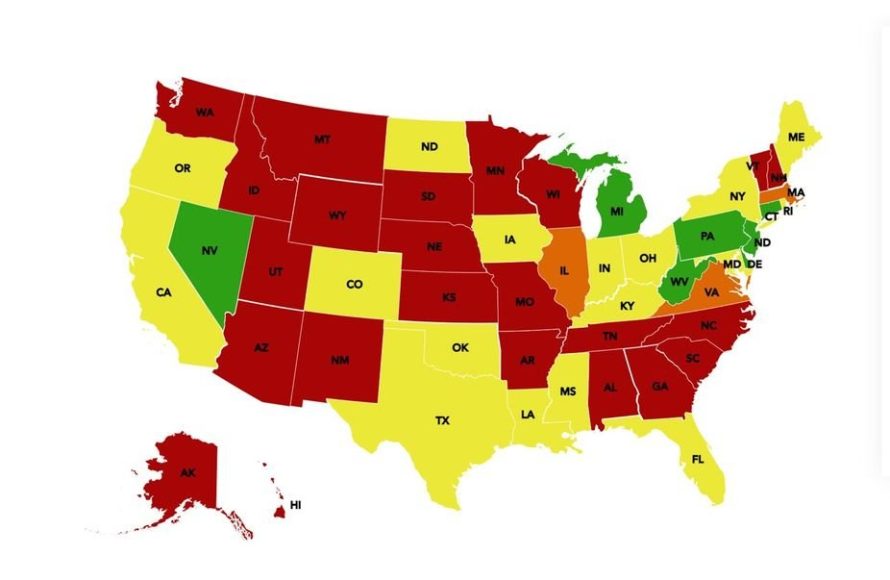
Whether poker home games are legal depends heavily on local laws and regulations. Generally, if no one profits beyond their winnings, and it’s a social event amongst friends, they’re often permitted.
Gathering around a table with friends for a friendly poker night sounds appealing, doesn’t it? But before you deal the cards, a crucial question arises: are poker home games legal? It’s a topic with many nuances, and the answer isn’t always straightforward.
The legality surrounding these gatherings can vary significantly from one location to another. Understanding the rules can prevent unwanted legal complications for you and your friends. Always check local laws to be sure.

Are Poker Home Games Legal? Let’s Break It Down
So, you and your friends love a good poker night. Chips are clinking, cards are flying, and the banter is flowing. But then, a question pops up – are these friendly home games actually okay? The answer isn’t always a simple yes or no. It depends on a bunch of things, like where you live and how you’re playing the game. Let’s explore all the details together to make sure your poker nights stay fun and safe.
The Basics: What Makes a Home Game?
Before diving into the legal stuff, let’s define what we mean by a “home game.” Generally, a poker home game is a casual game that takes place in a private residence. It’s not held in a casino or a public place. The people playing usually know each other – friends, family, or coworkers. These games are typically for fun and small stakes, not for big money.
Key Characteristics of a Home Poker Game
- Location: Played in a private residence (house, apartment, etc.).
- Participants: Usually a group of people who know each other.
- Purpose: Primarily for entertainment and social interaction.
- Stakes: Typically involve small amounts of money or low value prizes.
The Big Question: Is Gambling Allowed?
Now, here’s the tricky part. The legality of your home poker game hinges on whether it’s considered gambling and whether that gambling is legal where you live. Gambling laws vary quite a bit from place to place, even within the same country. Here’s a closer look at some concepts that influence the legal status of poker games.
Understanding Gambling Laws
Gambling usually involves three key elements:
- Consideration: Players must put something of value at risk (like money).
- Chance: The outcome of the game is determined, at least partially, by luck.
- Prize: There is something of value that can be won.
Poker, in its essence, fits this definition. While skill plays a large role, there’s always an element of chance involved in the cards you’re dealt. This brings us to the main difference to determine if home games are legal, that’s, state, county or country.
State Laws: A Patchwork of Regulations
The legal landscape for poker home games is different depending on where you are. Some areas have very strict laws against any form of gambling outside of regulated casinos, while others are more lenient. Here’s how states often approach it.
Types of State Laws
- Prohibition: Some states have laws that prohibit all forms of gambling, including home poker games, unless they are specifically authorized.
- Tolerance: Other states have laws that are more vague and tolerant of social gambling, often turning a blind eye to casual home games.
- Regulation: A few states might regulate home poker games by setting limits on stakes or requiring a permit.
It is important to check your local and state laws to know what the rules are in your specific area. You can often find this information on official government websites or by talking to a lawyer.
Example Scenario: Consider that you live in a state where they have a law about ‘social gaming’. Many states have exemptions for social gaming, meaning that if you are in a social game (such as a friendly game with your family), you might not be subjected to any gaming violations. There might be a limitation to how many people can play at the table or how much money you can wager, so you have to be aware of those rules.
The ‘House’ and the Profit
One key factor in determining whether a home game is legal is whether the ‘house’ (the person hosting the game) is making a profit. This usually means taking a “rake” – a percentage of each pot – or charging players a fee to participate.
Why Rake Matters
- Rake is illegal: If the host profits directly from the game, it is much more likely to be seen as illegal gambling.
- Social vs. Business: Taking a rake changes a home game from a social event into a form of business, which is subject to stricter rules.
- Legal risks: Charging a fee, even a small one, could make your game subject to more serious legal consequences.
In most places, home games are legal as long as they remain casual and friendly, and the host does not take a cut. If you want to keep your games in the safe zone, it’s best to make sure that any funds collected are for the game itself (such as the initial buy-in), and that no one earns money by hosting.
The Scale of the Game
The size of your home poker game can also matter. A small game with friends is different from a huge poker tournament with dozens of people.
Factors Influencing Scale
- Number of players: Small games (a few friends) are usually seen as more casual and less likely to be an issue than large gatherings.
- Publicity: If you promote your games on social media or invite strangers, you can run into bigger problems.
- Regularity: A one-time game might be seen differently than a regular weekly poker night.
If your game feels more like a business with lots of players, then you’ll be under closer scrutiny. If you are starting to get regular, consider reaching out to a local lawyer or consultant in gaming laws, just to ensure you are in line with the local legislation.
Stakes: How Much Money is at Risk?
The amount of money involved in a poker game can affect its legality. States often have rules about the size of the stakes allowed in a social game. This varies a lot based on locations, but generally, the low and friendly stakes are ok, whereas higher bets and prizes might be problematic.
Why Stakes Matter
- Low Stakes: Small stakes games are generally tolerated better because they’re seen as entertainment.
- High Stakes: High stakes games, especially with large pots, can draw more attention and might be considered commercial gambling.
- Variable amounts: Be aware that even a very low bet on a repeated basis can end up being more of a concern than an isolated high stakes game.
It’s advisable to keep the stakes low and casual. This can also help keep your game fun, relaxed, and low-pressure.
Age Matters
In most areas, there are specific age restrictions for gambling. If you are hosting a home game, make sure that all participants are of legal age to gamble in your area.
Consequences of Underage Gambling
- Legal issues: You could face legal trouble if you allow underage people to gamble in your game.
- Ethical concerns: There are also ethical issues involved in permitting underage gambling.
- Loss of game: Your game can be forcefully stopped if there is underage gambling present.
Always be mindful of the age of your participants to keep your game both legally safe and responsible.
Social Gambling vs. Illegal Gambling
The key difference between a legal poker home game and illegal gambling often comes down to whether it’s considered “social gambling.” The term “social gambling” is used to describe casual games between friends or family that are primarily for entertainment, not for profit. However, the exact definition and legality of social gambling vary from place to place.
Characteristics of Social Gambling
- Friendship and fun: Social games are meant for fun between familiar people.
- No Profit: The host doesn’t profit from the game, other than possibly playing the game itself.
- Low stakes: The stakes are typically small and considered casual.
The more your game veers away from these characteristics, the more likely it is to be classified as illegal gambling, so be careful not to cross the line.
The Role of Intent
The intent behind your home game can also affect its legal status. If the game is simply a casual gathering of friends, it’s less likely to be seen as illegal than if you are trying to turn a profit or attract strangers to a regular high-stakes game.
Factors that demonstrate good intent
- Casual setting: If the environment is casual and friendly, it will help prove it’s just for fun.
- No advertising: You are only inviting people from your close circle, not promoting it publicly.
- Fair games: There are no tricks or schemes to influence the outcome unfairly.
The general intent of a social game is to play a game of skill and luck, for the fun of it. When the intent becomes profiting off of other people, you can run into legal problems.
Potential Legal Consequences
Even if you don’t think your home game is a big deal, there can be legal consequences for running a game that violates local laws. The severity of these consequences varies depending on your jurisdiction, and your specific actions.
Potential Penalties
- Fines: You could be fined for operating an illegal gambling activity.
- Jail Time: In serious cases, jail time might be a possibility, though uncommon in the context of friendly home games.
- Seizure of assets: Money and equipment used in the game could be seized.
- Legal Records: An arrest or conviction could affect your background.
It’s important to be aware of these risks and take them into account when you plan your games. It’s usually best to stay within the realm of what is permitted by law, to avoid any unnecessary hassle.
Practical Tips for a Legally Safe Game
Want to keep your poker home games safe and legal? Here are some practical tips to help you.
Tips for Safe Poker Nights
- Know local laws: Always check the gambling laws in your area.
- Keep it social: Host games with friends and family in a private residence.
- No rake: Don’t take a percentage of the pot or charge a fee for playing.
- Low stakes: Keep the bets small and casual.
- Legal age: Make sure everyone is of legal gambling age.
- Private: Don’t publicize your games or invite strangers.
Following these guidelines can help make sure your poker night is fun and within the legal framework.
Seek Local Legal Counsel
If you are unsure about your specific situation, it’s a good idea to seek legal advice. A lawyer who specializes in gaming laws can give you the most specific and up to date information for your area, which will give you peace of mind as you plan a poker game with your friends.
When to Consult a Lawyer
- If you are unsure: Anytime you are not sure of what the local laws and regulations entail, you should consult with a lawyer.
- If you plan a big game: For a big or regular event, it is always advisable to consult a lawyer.
- If you are concerned: If you feel worried or uncertain about the legality of your game, consult with legal counsel.
It’s always best to be safe, and talking to a lawyer can provide clear guidance.
In short, the legality of poker home games depends heavily on where you live and the specific details of your game. By understanding the laws, keeping your game casual, and avoiding actions that could be seen as commercial gambling, you can usually enjoy your poker nights without legal worries. Remember, always check local regulations and, when in doubt, seek legal advice. Now, shuffle up and deal responsibly!
Is It ILLEGAL to Play Poker for Money at Home? [In Canada and the U.S.]
Final Thoughts
Ultimately, the legality of poker home games varies greatly by location. Some jurisdictions permit them under specific conditions, often requiring no rake or profit for the organizer. Others strictly prohibit any form of gambling outside licensed venues.
Therefore, before organizing or participating in a home game, thoroughly investigate local laws. Understanding your specific area’s regulations is crucial to avoid legal repercussions. This ensures that your casual card game remains fun and within the bounds of the law.
The key question of “are poker home games legal” is answered differently based on where you play.

