
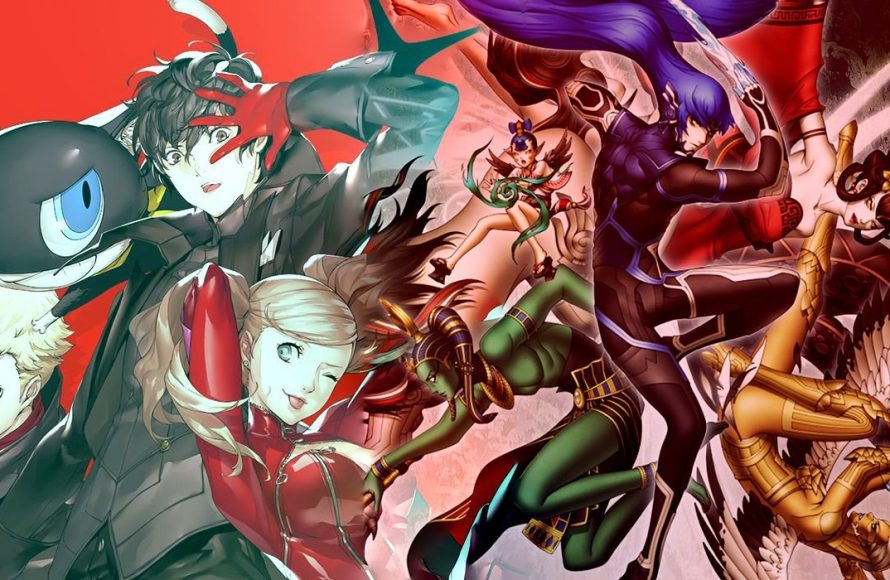
Most Shin Megami Tensei (SMT) games are not directly connected narratively; they often feature standalone stories with recurring themes and elements.
Have you ever pondered the intricate world of Shin Megami Tensei? Many players ask, “are SMT games connected?” It’s a fair question considering the recurring demons and similar gameplay.
The series largely employs a multiverse approach. While some spin-offs might link, the core numbered titles typically present unique, self-contained narratives with their own characters and settings.
These games share a common DNA, but they do not follow one continuous plotline. This allows new players to easily jump in without needing extensive prior knowledge.

Are SMT Games Connected? Unraveling the Shin Megami Tensei Universe
The world of Shin Megami Tensei (SMT) is vast and mysterious, filled with demons, gods, and complex stories. Many players wonder if the various games are all part of one big connected universe. It’s a great question! The answer is a bit complicated, like trying to solve a tricky puzzle. Let’s explore this together.
The Many Worlds of Shin Megami Tensei
First off, it’s important to understand that “Shin Megami Tensei” isn’t just one single series. It’s actually an umbrella term that covers lots of different games. Think of it like a big family with many branches. Some of the main branches include:
- The main numbered Shin Megami Tensei titles (like SMT I, II, III, IV, and V)
- Persona series games (like Persona 3, 4, and 5)
- Devil Summoner series games (like Raidou Kuzunoha vs. King Abaddon)
- Devil Survivor series games
- Digital Devil Saga games
Each of these branches often has its own unique stories and characters, making it seem like they are not connected at all. But, if we look closer, there are themes and elements that link them, like threads in a giant tapestry.
The Core Concepts: Themes That Connect
Even if the stories don’t directly connect, many SMT games share common ideas and themes. These recurring elements help create a sense of a larger, interconnected universe.
Law, Chaos, and Neutrality
One big theme in almost all SMT games is the conflict between Law, Chaos, and Neutrality.
- Law often represents order, rules, and a strict hierarchy.
- Chaos stands for freedom, individuality, and breaking down existing structures.
- Neutrality often represents a path that tries to balance these two extremes, sometimes opting for self-determination and human will.
You’ll often find yourself making choices that push you toward one of these three paths, and your decisions directly impact the world and story. The specific groups that represent these ideologies may change throughout different games, but the core concepts remains. This central conflict provides a shared experience across seemingly unrelated games.
Demons and Mythology
Demons are a vital part of nearly every SMT game. These are not just random monsters; they are often based on figures from mythology and folklore from all over the world. You might encounter gods from ancient Egypt, demons from Christianity, or mythical creatures from Japan, such as Jack Frost. These demons are not exclusive to one game; many reappear in multiple titles, creating a link through shared characters, even if their roles and stories differ. This use of recurring mythological figures creates a sense of shared history.
The Power of Choice and Consequences
SMT games are famous for letting you make impactful choices. Your decisions can change the world, affect your character, and determine the game’s ending. The fact that your choices matter so much is a common experience in almost all SMT games. It is a key part of the SMT formula, creating a feeling of relatedness even when the specific worlds and stories are different.
Direct Connections: When Games Share a World
While many SMT games share thematic connections, some are indeed directly related with clear ties to the same timeline or world. These are the more straightforward links within the SMT universe.
The Mainline Shin Megami Tensei Series
The main numbered SMT titles, like Shin Megami Tensei I, II, III: Nocturne, IV, and V, often have subtle and sometimes not-so-subtle connections. These connections include mentions of past events, recurring characters (or their counterparts), and the same underlying world.
- For example, SMT II is a direct sequel to SMT I.
- Shin Megami Tensei III: Nocturne explores the aftermath of an event from the previous games, albeit with major twists and changes.
While they’re not all strictly a continuing saga in terms of characters, they all exist within a similar reality, and the choices and their outcomes of past games can sometimes have consequences in the future. The same core ideas are explored but in different ways.
Devil Summoner and Raidou Kuzunoha
The Devil Summoner series, especially the Raidou Kuzunoha games, features a world that feels connected to the main SMT series, particularly the world presented in Shin Megami Tensei If…. Raidou is a character that has been referenced in other SMT games. These games share demons, concepts, and occasionally even have plot details that link them to the wider SMT universe. While the setting is different (Japan during the Taisho Era), the presence of demons and the struggle between Law and Chaos are very clear connections.
Digital Devil Saga’s Unique Place
The Digital Devil Saga series, while seemingly far removed from other SMT games, does have elements that tie it into the larger world. These games do not feature the familiar world map system but do involve a concept similar to the Demi-fiend transformation of SMT III, where the characters transform into demon-like beings. Some characters from the DDS series have also appeared or are referenced in the main SMT series, indicating their place in the larger universe, even if their world seems separate from other timelines.
Indirect Connections: Shared DNA
Many games within the SMT family, while not having direct connections in terms of timelines or characters, share very similar mechanics and themes. These indirect connections make the SMT family feel interconnected.
Persona’s Ties to Shin Megami Tensei
The Persona series, now incredibly popular in its own right, started as a spin-off from Shin Megami Tensei. While the gameplay of Persona shifted to a high school setting, the core mechanics of negotiating with demons and the use of social links evolved from the systems found in early SMT games. Concepts like Personas, Shadows, and the Velvet Room, are all linked to the fundamental concepts found in other SMT titles. Also, some characters from the Persona series have been referenced or made small appearances in other SMT related titles. While the stories are separate, they exist in a space where they share the same DNA.
The Devil Survivor Series
The Devil Survivor games feature a tactical RPG approach, but they still play with common SMT ideas. The themes of law vs chaos, demon summoning, and making choices that impact the narrative are all present here. Also some demons and characters might be familiar from other SMT games even if the world and story are completely separate.
Shared Gameplay Mechanics
Many of the SMT games share key gameplay mechanics. Here are a few:
- Demon Negotiation: You don’t just fight demons, you can also talk to them, and attempt to recruit them to your side. This feature appears in almost all SMT games, and is one of its defining features.
- Fusion System: The ability to combine demons to create new, stronger demons is a key part of the series. While the exact fusion system might change from game to game, this feature is a staple.
- Turn-Based Combat: While some have a more tactical approach, the SMT family usually utilizes a strategic, turn-based combat system where you must carefully manage your team and exploit enemy weaknesses to win.
- Alignment System: The idea that your choices have significant consequences on the game’s world and the ending you get is central to SMT. The core Law/Chaos/Neutrality alignment system, although it evolves throughout the series, is still a very important part of the game design.
The Idea of a Multiverse
Rather than a single, linear timeline, many fans believe the SMT universe is more like a multiverse, with many similar but separate realities, all interconnected by the core concepts of Law, Chaos, and Neutrality. Some games are directly linked, while others echo similar themes and elements, creating a shared universe that is connected by concepts and common mechanics. The shared history and the common characters are often recycled for various reasons, which further makes the universe feel interconnected.
Think of it like different versions of a story, with some variations, similar themes and similar cast, but set in different worlds and scenarios. Each game, even if it’s not a direct sequel, can be considered part of the larger SMT tapestry.
So, are SMT games connected? The answer is yes, and no. Some are directly linked, some share a common DNA through themes and gameplay mechanics, and others are more distantly related, all existing within the vast, intriguing space of the Shin Megami Tensei multiverse. This makes each new game both a familiar experience and an entirely new adventure.
The connections aren’t always obvious, requiring careful observation and contemplation, which makes exploring the world of Shin Megami Tensei all the more exciting.
In essence, the connections within the SMT series are not just about plot points and characters, but about the themes, ideas, and gameplay experience that make them part of the same family. It’s a universe that rewards exploration and keeps you thinking long after the credits roll.
Persona's Shared Universe Timeline (feat. @Macca) | A Line Through Time
Final Thoughts
Many Shin Megami Tensei games share recurring demons and themes, creating a sense of familiarity. This often leads players to wonder, “are SMT games connected?”.
While not always directly sequential, many titles exist within their own sub-universes, sometimes with minor crossovers. Certain plot elements or characters might be referenced, but rarely are they direct sequels.
Ultimately, the connections are loose, focusing more on shared thematic elements rather than a singular overarching storyline. So while you may find similarities, each game functions well on its own.

