
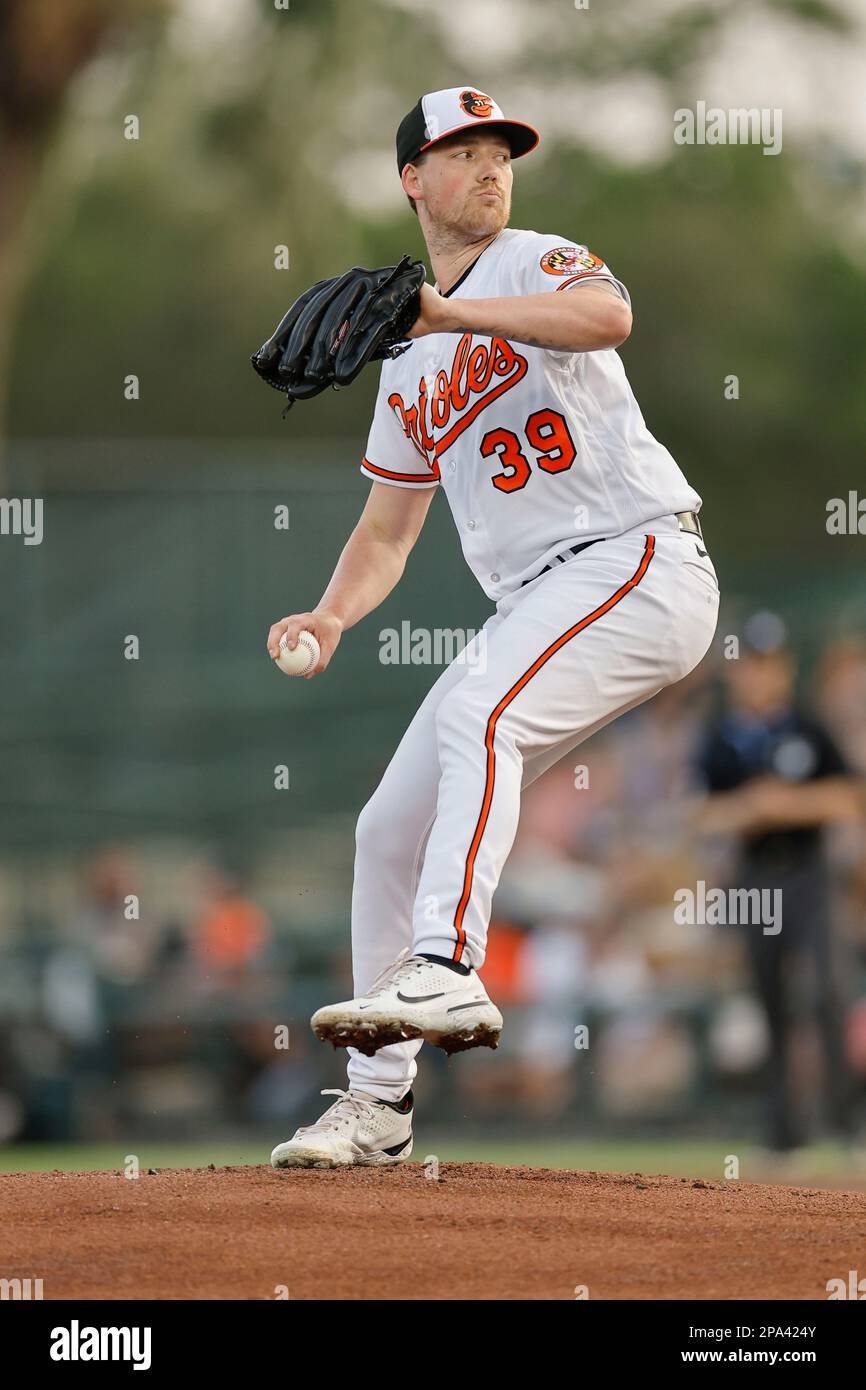
No, spring training games are not always 9 innings; they often vary in length.
Ever wondered about the pace of baseball before the regular season begins? It’s common to ask, are spring training games 9 innings? The answer isn’t a simple yes or no.
These games often serve as a testing ground for players. Teams prioritize evaluating talent and player conditioning over strict game length.
Therefore, don’t be surprised if you see a seven-inning game, or even a game called early. Spring training adopts flexibility.

Are Spring Training Games 9 Innings? Exploring the Length of Spring Baseball
Spring training, that magical time of year when baseball fans eagerly await the start of the regular season, brings with it a unique set of rules and traditions. One common question often pops up: are spring training games 9 innings? The answer, like many things in baseball, isn’t a simple yes or no. Let’s dive deep into the fascinating world of spring training game lengths and see what makes them different from regular season matchups.
The Standard Nine Innings: A Regular Season Tradition
Before we get into the nuances of spring training, it’s important to remember that during the regular Major League Baseball (MLB) season, almost all games are scheduled to last nine innings. This has been the standard for over a century, and it’s a cornerstone of the game. The goal is always to play a full nine-inning game, with extra innings added as needed to determine a winner if the score is tied at the end of the ninth. This consistency allows for comparison between different games and provides a level playing field for all teams. The nine innings provide enough time for various strategies to play out and for players to showcase their skills. However, spring training operates a bit differently.
Spring Training: Flexibility and Player Evaluation
Spring training serves a different purpose than the regular season. It’s primarily a period for teams to assess their players, test out different lineups, and prepare for the long season ahead. The focus isn’t necessarily on winning; instead, coaches are more interested in evaluating the performance of their players. This includes seeing how well they are physically conditioned, how they handle different situations, and their overall level of skill after the off-season. Due to this evaluation-focused approach, spring training games often have rules that are significantly different from regular season games, including the length of the games. This flexibility is key to allowing teams to maximize their preparation.
The Variable Length of Spring Training Games
So, are spring training games 9 innings? The answer is: not always. While many spring training games do reach the full nine innings, it is not a guarantee and teams agree to play specific number of innings before the game begin. The length of games can vary, usually from 7 to 9 innings. The decision on how many innings to play usually occurs before the game, often through a mutual agreement between the two opposing managers. This flexibility helps teams manage their pitching rotations, allows for a diverse range of player appearances, and protects players from overexertion early in the season. These practices are a departure from the strict rules of the regular season.
Why the Change in Length?
Several factors contribute to why spring training games might be shorter than the standard nine innings:
- Pitcher Management: Spring training is a time to get pitchers ready for the season. Instead of focusing on throwing as many innings as possible, managers use spring training to gradually increase pitcher workloads, giving a chance to many players in the same game. This might involve limiting a starter to three innings in one game, then four innings in the next game, and so on. Shorter games allow for controlled exposure of multiple pitchers rather than stretching out just a few.
- Roster Evaluation: Teams carry much larger rosters during spring training compared to the regular season. They need to evaluate a large number of players, including non-roster invitees and minor league prospects. Shorter games mean that more players get a chance to appear in games. They use these opportunities to show their skills and try to secure a spot on the Opening Day roster.
- Injury Prevention: After a long off-season, players need time to get back into game shape. Playing full nine-inning games too early could increase the risk of injuries. Shortening the games reduces the risk of overexertion and allows players to slowly adapt to the demands of competitive baseball. The focus here is on the player’s well-being, not necessarily the final score of the game.
- Experimentation: Spring training provides an environment for managers and coaches to experiment with different lineups, strategies, and player positions. It’s a low-stakes setting where they can try new things without worrying about the consequences of losses. A flexible game length allows for a variety of these experiments.
- Logistics and Travel: Spring training usually involves teams playing multiple games in a short period of time, and sometimes in locations with long travel time. Having variable game lengths can make it easier to manage schedules and travel plans. A shorter game may mean a team can return home at a reasonable hour and be ready for the next game.
The Common Lengths of Spring Training Games
While not every game is the same, we can look at some of the common lengths of spring training games.
- 7-Inning Games: Early in spring training, it’s not unusual for teams to play 7-inning games. These shorter contests allow the team to evaluate players and focus on developing and refining their skills.
- 8-Inning Games: As spring training progresses, some games might be played over 8 innings. This allows for slightly more playing time, without committing to a full 9 innings.
- 9-Inning Games: Many spring training games will reach the full 9 innings, particularly as the start of the regular season gets closer. This offers a more realistic look at the kind of challenges they’ll face in a full game. Even during these 9-inning games, managers can still make liberal substitutions and manage their lineups as they see fit.
The Importance of ‘Rolling Innings’
Another unique aspect of spring training games, is the ‘rolling innings’. Unlike regular season games where an inning ends when a team records three outs, teams can decide to end an inning early if they’ve gotten to a desired number of batters or pitches. For instance, a team might agree to end an inning even before three outs are made, so long as they’ve seen all the batters they wanted. This is designed to allow for more specific training and player development rather than focusing on winning. The use of rolling innings further reinforces how the rules are designed to help the teams get ready for the season and prioritize player development rather than a competitive environment. This practice is extremely common in the beginning of the spring training.
What about Extra Innings in Spring Training?
Unlike the regular season, extra innings are not common in spring training games. If a game is tied at the end of the scheduled innings, the game typically concludes as a tie. Again, this emphasis the fact that the goal of the game isn’t to win, it’s to provide playing time for as many players as possible and work on specific aspects of the game before the regular season begins. Because teams agree to play a specific number of innings beforehand, these tie games are not perceived as a negative.
The Impact on Fans
For fans, attending spring training games is a fantastic way to get an up-close look at players and to enjoy the relaxed atmosphere of baseball. Understanding that spring training games are not always the full nine innings can help manage expectations. The focus of these games is different than a regular season game, so you might see more substitutions, and unusual positions for some players. It’s a great way to enjoy the game in a more relaxed and intimate setting. You might see the next great star in action and also see some of the current stars as they get ready for the season.
How to Know the Length of a Spring Training Game
If you’re planning to attend a spring training game, here’s how you can find out how many innings it is scheduled for:
- Team Schedules: Check the team’s official website or schedule. They will often specify the game’s intended number of innings.
- Pre-Game Announcements: If you’re at the game, listen for announcements about the game length. These are usually made before the first pitch.
- Game Day Programs: Some spring training venues might have game-day programs that include details about the game length.
The Key Differences Between Spring Training and Regular Season Games
To summarize, here are the primary differences between spring training games and regular season games with respect to game length:
| Feature | Spring Training | Regular Season |
|---|---|---|
| Length | Variable; Usually 7-9 innings, agreed upon beforehand. | Standard 9 innings. |
| Extra Innings | Rare; games usually end in a tie if the score is tied after the scheduled innings. | Common; played until a winner is determined. |
| Purpose | Player evaluation, preparation, experimentation, building player stamina, trying out new things. | Competition, winning games, playoff positioning. |
| “Rolling Innings” | Common; innings can end before three outs for specific player evaluation and pitch management purposes. | Never used, each inning is completed with three outs per side. |
Spring training games, with their flexible formats and varied innings, help teams get their players prepared for the rigors of the season. The focus on player development and evaluation gives coaches the opportunity to put their players in the best possible position to succeed when the regular season starts.
So, the next time someone asks, “Are spring training games 9 innings?”, you’ll know the answer isn’t always a straightforward one! The varied lengths of these games, along with other unique rules, make them an exciting and different part of the baseball calendar. It’s all about getting ready for the exciting season ahead and seeing some great baseball along the way.
Highlights Spring Training 2.0 | July MLB 2020
Final Thoughts
Spring training games don’t always adhere to the traditional nine innings. Often, managers agree to shorten games, especially early in the schedule. They prioritize player health and evaluations over strict inning counts. This adjustment allows for wider participation.
The length of games can vary based on specific needs. Sometimes, they may be seven innings, other times maybe five. Therefore, are spring training games 9 innings? The answer is not always. The focus remains on preparing players, not completing a full game every time.

