
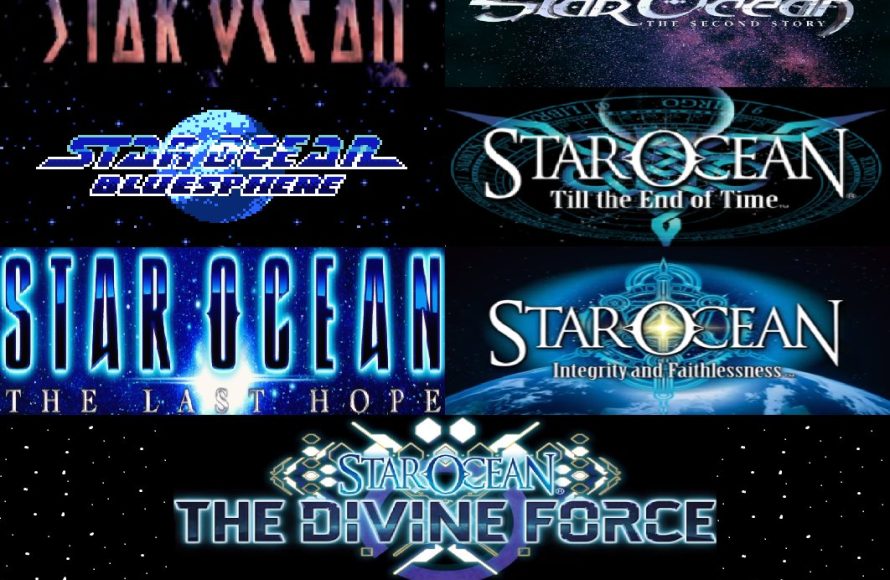
No, the main Star Ocean games are not directly connected in terms of a continuous storyline. Each title generally features a new cast and a mostly separate narrative, although they share a universe and certain recurring elements.
Ever wondered about the vast cosmos and the stories within it? Many fans ponder, are Star Ocean games connected? This question often comes up, considering the series’ long history and the various planets we visit.
While these games occur within the same overarching fictional universe, they do not share the same ongoing plot. Instead, each entry provides its own distinct experience and narrative. You might see familiar faces or similar technologies, yet the overarching stories are not sequentially related.

Are Star Ocean Games Connected?
That’s a question many of us have wondered about while exploring the vast worlds of Star Ocean! It’s easy to get lost in the exciting stories, cool characters, and space-faring adventures. But are these adventures all part of one giant, connected story? The short answer is: yes and no. It’s a little more complex than a simple yes or no, so let’s dive into the details of how the Star Ocean games are linked (or not linked!).
The Main Timeline: A Universe of Shared History
While not every game directly continues the story of the previous one, most Star Ocean titles are connected through a central timeline. Imagine it like a big history book where each chapter focuses on different characters and events but within the same overall history of the universe. This shared history includes several key elements that reappear throughout the series, providing the connective tissue that ties these seemingly separate stories together.
The Pangalactic Federation
A crucial element is the existence of the Pangalactic Federation. This organization plays a huge role in several games, acting as the unifying power across the galaxy. We see them at various stages of development and influence throughout the timeline. Characters might work for them, come into conflict with them, or the story might revolve around their impact on different worlds. The Federation acts as a sort of constant presence, a reminder that these stories take place within a shared universe. Think of it like Earth in many science fiction stories – its existence and history are consistent even when different stories are being told in different parts of the world.
The Origin of Energy and Technology
Another recurring element is the source of technology and energy, particularly the use of specific energy sources like mana and other cosmic energies. The series frequently touches upon the origins of advanced technology and how it is discovered, adapted, and sometimes misused by different civilizations. Each game might explore these aspects differently, but the underlying concepts remain consistent. For example, the use of symbol technology is a recurring theme, showing how advanced civilizations have shaped the universe’s history.
Recurring Races and Species
You’ll also find familiar races and species across the games. The Nedians, for instance, are one of the most important recurring races, with a rich history that ties into multiple games. Seeing these races, their homeworlds, and cultures provides a sense of continuity and makes the universe feel cohesive. Other recurring species, like the Felpools and other types of aliens, all contribute to the feeling of a shared world.
How Each Game Fits Within The Timeline
Let’s explore how each main Star Ocean game fits into the overall timeline. We’ll see that some games are directly linked, while others are more like historical side-stories within the same universe.
Star Ocean: First Departure / Star Ocean: First Departure R
This is the very beginning of the timeline and tells the story of the original game. The game focuses on a group from a rural planet who are caught up in a larger galactic conflict, meeting folks from other planets. It’s where we first encounter the Pangalactic Federation and the concepts of space travel and advanced civilizations. It introduces the very basic elements of the universe and the core themes that are used throughout the series. This game is a critical starting point, setting up everything that comes after.
Star Ocean: The Second Story / Star Ocean: Second Evolution
This game takes place a few decades after the events of the first game. It follows either Claude C. Kenni or Rena Lanford, as they venture out and deal with their own galaxy-wide problems. This game builds upon the previous title, showing how the galaxy has evolved since the events of First Departure. It introduces new technologies, races, and conflicts within the established timeline. While some characters from the original might not directly appear, their actions have shaped the world that the second story takes place in.
Star Ocean: Blue Sphere
A direct sequel to the Second Story, Blue Sphere focuses on what happens after the main game’s ending, showing the further adventures of the characters we have learned to love. This one is directly connected to the Second Story and is a good example of how some games build directly on each other, but only the second game was officially released in english. It continues the story of Claude and Rena after they saved the world.
Star Ocean: Till the End of Time
This one moves forward many years from the previous games and takes place much later in the timeline. It focuses on a new cast of characters and introduces new concepts like the “Enemies from the Fourth Dimension” and the implications of “higher” existence. The game explores themes of destiny, purpose, and the nature of reality within the Star Ocean universe. This game expands the scope of the universe further and adds more to the mysteries of existence. This game shows the progression of science and civilization over the years in the same universe. This is also a great example of how the events of earlier games have influenced the events of this game, while also presenting its own fresh plot.
Star Ocean: The Last Hope
This game serves as a prequel to the entire series, taking place before the events of First Departure. It shows the origins of space travel and the early days of the Pangalactic Federation. This entry offers a look at the genesis of the universe as we know it in the other games, explaining the events that happened before the main timeline’s start. It shows a pivotal period where humans are first discovering the potential of space travel, and also presents the forming of the Federation, and the key reasons for its creation. This game helps to put all other games in perspective, providing a base upon which all other stories build upon.
Star Ocean: Integrity and Faithlessness
This game takes place between Star Ocean: The Second Story and Star Ocean: Till the End of Time, but there’s a long time gap between this game and those two games. It doesn’t heavily rely on the previous plots, this one is a bit more standalone, and it focuses on a new cast of characters. The story revolves around a planet that falls behind in development, where the hero comes into contact with the outside world. It does feature a lot of world elements, and themes familiar to the other games, but is a very standalone adventure in comparison to the others.
Star Ocean: The Divine Force
This is the most recent game in the series and is quite a standalone story. While it’s set within the same universe as the other games, it doesn’t have many direct connections or references to previous storylines. This one features new characters and a new story while keeping with the series’ themes of exploring the galaxy. Even though it’s not directly connected, fans can still enjoy it because of the familiar themes and concepts. It shows how the writers continue to create new stories and expand the Star Ocean universe.
The Web of Connections: Direct vs. Thematic Links
Now that we have a better understanding of where each game fits, let’s break down the types of connections you’ll find in the Star Ocean series:
Direct Connections
- These are the most obvious links where events in one game have a clear impact on the story or setting of another.
- Star Ocean: Blue Sphere is a direct sequel to Star Ocean: The Second Story.
- Star Ocean: The Last Hope is a direct prequel to Star Ocean: First Departure.
Thematic Connections
- This is where the series truly shines. Even when games aren’t directly connected by story, they often share common themes, like:
- The struggle between civilizations and the impact of advanced technology.
- The importance of friendship and cooperation.
- The exploration of the nature of the universe and the mysteries within it.
- Recurring concepts like Symbol Technology or the use of Mana.
- These thematic connections create a sense of unity across the whole series.
World Building Connections
- This is what ties everything together. Many familiar locations, like the planet Roak, re-appear throughout the games.
- The consistent use of the Pangalactic Federation shows how this organization impacts different eras.
- The races, species, and history that appear again and again make the universe feel real and lived-in.
Do You Need to Play Every Game?
The question that always comes up, is it important to play every game in the series? The great part about Star Ocean is, you can start with any game and enjoy it. Because the games do feature a more-or-less stand-alone story, each game is enjoyable as a stand-alone title. While playing them in release order can give a deeper understanding of the overall timeline, there is no requirement to play them in order.
However, playing the games in order, according to the timeline, can offer a deeper understanding of the larger universe and appreciate those subtle references or connections in later titles. Each game is a great entry point into the series and can help you determine whether the series is for you. It’s all about the joy of exploring a well-crafted universe.
To sum it all up, while not all Star Ocean games are direct sequels or prequels to each other, they share the same universe, history, themes, and many of the same concepts. Each game adds something unique to the overall experience, and this allows players to jump into the series from any of the games, and still have a very fun time playing. The connections, both big and small, create a really engaging universe that you’ll want to explore and learn more about.
Is Star Ocean: The Divine Force Worth Buying for $10?
Final Thoughts
The games share a universe with recurring themes and species. However, direct narrative connections are minimal. Each Star Ocean title mainly tells its own complete story, allowing for new entry points.
Therefore, the answer to ‘are star ocean games connected’ is nuanced. They exist in the same universe but usually do not require knowledge of previous entries. You can absolutely jump into any game without missing a crucial plot point from another.

