
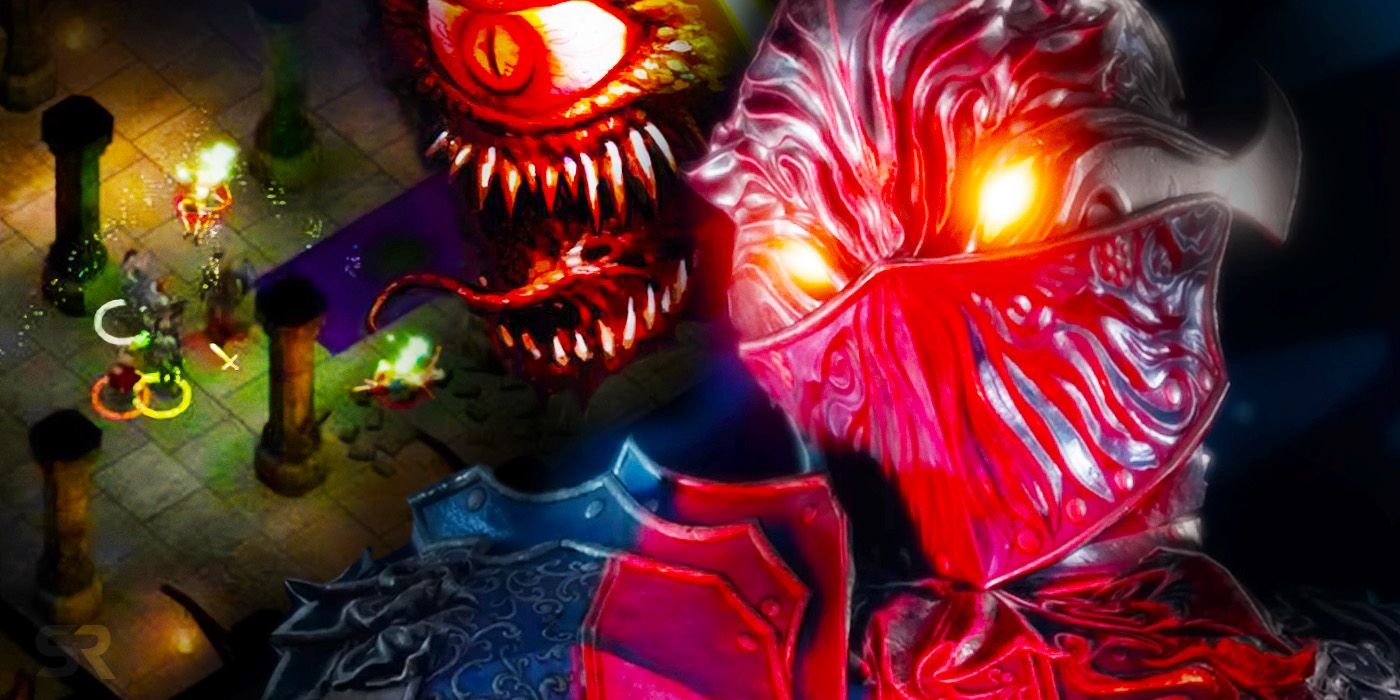
The Baldur’s Gate games are connected through a shared world, characters, and overarching storyline, although each entry presents its own self-contained narrative.
Are the Baldur’s Gate games connected? That’s a question many new players have when diving into this fantasy RPG universe. It’s easy to wonder with each new title.
Each game stands on its own, with distinct stories and gameplay mechanics. However, they all weave into a larger narrative that involves familiar faces and recurring themes. These threads of connection make the experience richer.

Are the Baldur’s Gate Games Connected?
So, you’re diving into the world of Baldur’s Gate, a place filled with swords, magic, and amazing stories! Maybe you’ve heard about Baldur’s Gate 1, Baldur’s Gate 2, and the newest adventure, Baldur’s Gate 3. A common question pops up: are these games all part of one big story? The answer is yes, they are connected, but it’s not always a simple straight line. Let’s explore how these fantastic games link together.
The Core Connection: Setting and Lore
The most important connection between the Baldur’s Gate games is the shared world. They all take place in the Forgotten Realms, a land with rich history, diverse cultures, and lots of interesting creatures. Think of it like a big playground where all the games are being played, but sometimes the kids playing in one corner don’t see what’s happening in another. The area around the city of Baldur’s Gate itself serves as the primary setting for some games, while others branch out to different regions within the Realms. This means you’ll see familiar locations, characters, and even pieces of history crop up throughout the series.
What are the Forgotten Realms?
The Forgotten Realms is a vast and detailed fantasy world that has been the setting for many books, games, and adventures. It’s a world filled with powerful magic, ancient gods, and dangerous monsters. Some key elements that connect the games through the Forgotten Realms include:
- The Sword Coast: This is the main area where Baldur’s Gate is located, a coastal region that is both beautiful and dangerous.
- Faerûn: This is the continent where the Sword Coast exists. So, when you hear about the game happening in Faerûn, know that it’s the same big place as the Sword Coast.
- Gods and Deities: Characters in the games will often talk about or worship different gods, and these same gods appear throughout the entire series. It gives the world a consistent feeling, like we are in the same world.
The Importance of Baldur’s Gate City
The city of Baldur’s Gate itself is a vital link between the games. It’s a bustling city with a long history and political intrigue. While the games may take place at different times, the city often serves as the central point of the adventures. Characters might refer to events that occurred in other games or visit landmarks that are familiar from prior titles. The overall feeling of the city, its look and the vibe, gives a great feeling of cohesion between the games.
It’s not just a map location either. It’s a hub for trade, politics, and adventure. Throughout the games, you’ll get to know its different districts, meet important figures, and see the city evolve. It’s also a location that gives fans a common point to connect to the different games.
Character Connections: Returning Faces
Beyond the shared world, characters are a big part of how the games link together. Some characters make appearances throughout multiple games, acting as a living timeline. Seeing a familiar face can be really exciting and provide a direct link between the games. These characters might be in the background, offering advice, or they might play key roles in the story.
The Impact of Protagonists
While the main characters you control change from game to game, their actions often shape the world around them, creating a cause-and-effect relationship that persists through the series. In Baldur’s Gate 1 and 2, you play as the “Child of Bhaal,” a character with a very specific and important destiny. Even though you don’t play the same specific character in Baldur’s Gate 3, the actions and results of the Bhaal plotline are deeply connected with the events of Baldur’s Gate 3.
- Legacy: Even when the protagonist does not make a physical appearance in later games, their impact and the results of their adventure are still felt and referenced.
- Mentions and Rumors: Characters in later games may speak of the heroes from the past, giving a feeling of a world that evolves in a continuous timeline.
Notable Recurring Characters
Here are a few examples of recurring characters you might encounter:
- Jaheira: This tough half-elf fighter/druid is a loyal companion throughout the earlier games and also appears in Baldur’s Gate 3. Seeing her again feels like reuniting with an old friend.
- Minsc and Boo: The lovable ranger and his miniature giant space hamster, Boo, are iconic characters that make appearances in multiple games, usually with comedic flair.
- Volo: Known as the flamboyant explorer and writer, Volo often pops up to offer his… unique brand of help. You may love him, or hate him, but seeing his familiar face, again, brings a sense of continuity.
- Elminster Aumar: He is one of the most powerful wizards and one of the most important individuals in the Forgotten Realms, often guiding and influencing events behind the scenes.
Seeing these characters makes the games feel interconnected, like the world has continued on, after your story. It’s cool when familiar faces make a cameo or play a vital role in the new adventure, because that makes you feel like your old decisions and gameplay had a real consequence on the world.
Story Threads and Themes
Beyond the setting and characters, the games share common story threads and themes. These are like the big topics that the games like to explore. The way the stories are built, makes all games feel very related.
Good vs. Evil and Moral Choices
One of the most common themes across all the games is the struggle between good and evil. You’ll find yourself making many choices that have lasting consequences, and these choices affect the story, characters, and the world around you. These choices give the game depth and allows for many different ways to play the game. In many cases, the weight of those choices are explored in subsequent games, making sure that the feeling of cause and consequence remains consistent throughout the series.
- Consequences: Actions in one game often have direct or indirect effects on later games, reinforcing that the world evolves based on the player’s decisions.
- Moral Ambiguity: The games do a good job of exploring the gray areas of morality, making your choices all the more significant.
The Legacy of Bhaal
The legacy of Bhaal, the god of murder, is central to the first two Baldur’s Gate games. The protagonist’s connection to Bhaal is a big part of the plot, and its consequences can be seen in the later games. The lingering effects of the events in Baldur’s Gate 1 and 2 are also felt in Baldur’s Gate 3 and shows how all the games fit together.
- The Seed of Evil: The influence of the “Child of Bhaal” is felt through the game universe.
- Long-lasting Effects: The results of that conflict with evil continue to shape the world for the later games.
Other Important Story Themes
Beyond the Bhaal plotline, there are a number of other themes that are explored in the games, further connecting them:
- The Power of Magic: How magic can be both beneficial and destructive.
- The Nature of Good and Evil: Are they truly opposites? What is the correct thing to do?
- The Price of Power: What are people willing to do to achieve their goals?
- The Importance of Choices: Your actions always have consequences, no matter how small they might seem.
Chronological Order and Plot Progression
While all the games share a world and many elements, they do not all occur at the same time. Understanding the order can help you see how the stories connect in the timeline.
Baldur’s Gate: The Order of Play
The main series follows a specific order:
- Baldur’s Gate: This is where it all starts. You play as the “Child of Bhaal” and begin your journey along the Sword Coast.
- Baldur’s Gate II: Shadows of Amn: The story continues from the first game as you move south into Amn. You are still the Child of Bhaal.
- Baldur’s Gate III: This game picks up many years later and has a new cast of characters, but many elements of the world are shaped by the events of the earlier games, including the Bhaal plotline.
Other Baldur’s Gate Games
There are also a few other titles that exist in the Baldur’s Gate universe, some might even feel as a spin-offs:
- Baldur’s Gate: Dark Alliance and Baldur’s Gate: Dark Alliance II: These are action-focused games that are not as connected to the main plot but take place in the same world.
Timeline Considerations
The stories of the first two games are more closely linked, while the third game is set sometime after. This does not mean they are disconnected, but that Baldur’s Gate 3 is more of a continuation than a direct sequel. The games are set in different points in time, but the events of the earlier games create the world you play in during Baldur’s Gate 3.
How to Experience the Connections
If you’re new to the series, you might wonder how to best experience these connections. Here are some tips:
- Play in Order: If you want the full story experience, play the core games in order. Start with Baldur’s Gate, then Baldur’s Gate II, and finish with Baldur’s Gate 3.
- Don’t Worry Too Much: Each game is a full experience on its own. While playing the games in order will enrich the experience, you don’t have to do that to understand the story.
- Pay Attention to Details: The world, characters and their dialogues often hint at previous events and the history of the Forgotten Realms.
The connections in the Baldur’s Gate series enrich the experience. They make the games feel part of a larger epic. It’s really cool when a character from an earlier game shows up in a newer game, as it brings a sense of history and continuity. These connections deepen the games and makes the Baldur’s Gate games a really special experience.
In short, the Baldur’s Gate games are a series of connected stories within the expansive world of the Forgotten Realms. While they feature different main characters and focus on different events, there is consistency in their setting, recurring characters, shared themes, and long term impact on the game world that help make a cohesive series. That is what makes the games such an amazing experience.
Baldur’s Gate 1 + 2 Recap (Updated)
Final Thoughts
Yes, the Baldur’s Gate games are connected, sharing a world and some characters. Baldur’s Gate 3 acts as a direct sequel, continuing the story many years after the events of the first two games. Certain narrative threads from the past games influence this new title.
Playing the prior games will give you much more context, but it is not absolutely essential. The story of Baldur’s Gate 3 stands on its own. Though familiarity with the previous titles provides a must of enriched experience. So, are the Baldur’s Gate games connected? Absolutely, but each game has its own unique story.

