
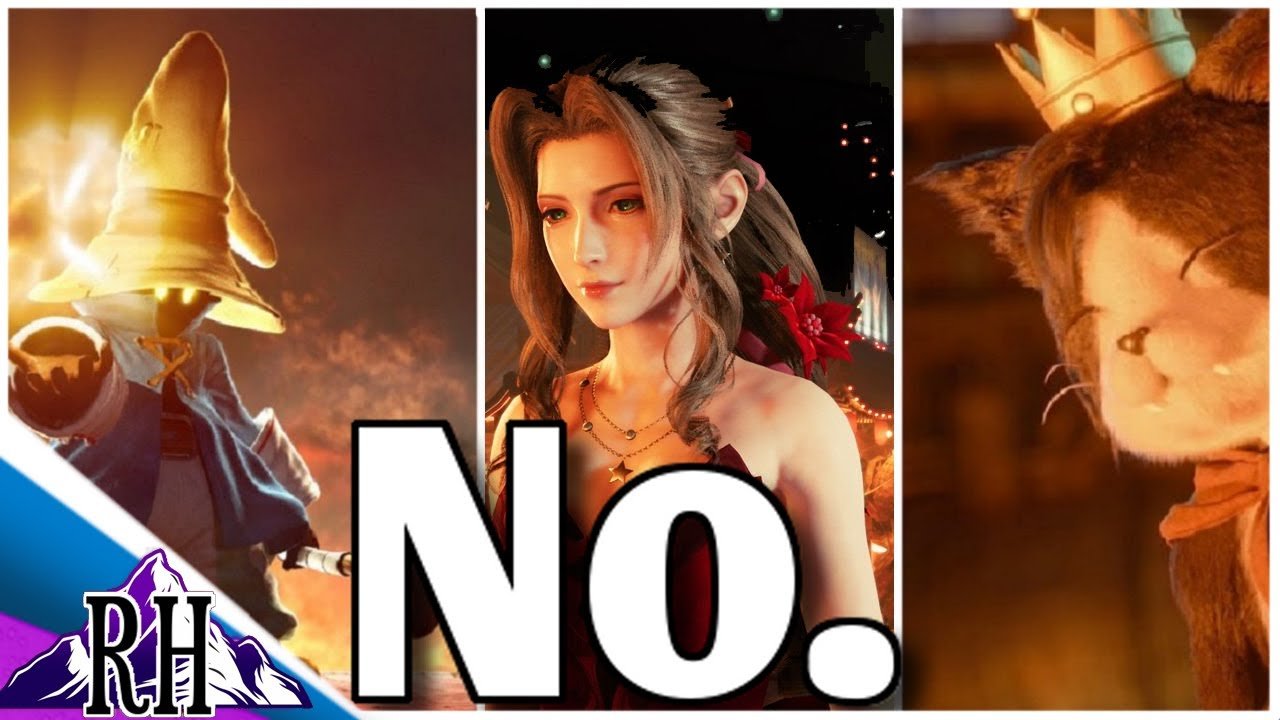
The Final Fantasy games are not directly connected through a shared universe or storyline; they are mostly standalone titles with recurring themes and elements.
Ever wondered if the fantastical worlds of chocobos and summons all exist in some grand, interconnected tapestry? Many fans ponder, are the final fantasy games connected? The short answer is, for the most part, no.
Each game, while featuring familiar concepts like magic and crystals, typically presents a unique narrative and set of characters. Therefore, you can jump into almost any game without needing prior knowledge.

Are the Final Fantasy Games Connected?
The question of whether the Final Fantasy games are connected is one that has sparked countless debates and theories among fans. It’s easy to see why. We’ve got these amazing, epic stories, all carrying the “Final Fantasy” name. So, are they all part of one giant universe, or are they separate worlds? Let’s dive deep into this topic and explore what really ties these games together (or keeps them apart).
The Anthology Approach: Separate Stories, Shared Themes
For the most part, the Final Fantasy series takes an “anthology” approach. This means that each numbered game, such as Final Fantasy VII, Final Fantasy X, and Final Fantasy XV, is its own self-contained story with its own world, characters, and lore. Think of it like a series of books where each book has a completely new plot but might share similar writing styles and ideas.
Different Worlds: Each game presents a unique world, often with different geographies, histories, and cultures. For example, Spira in Final Fantasy X is vastly different from the futuristic Midgar in Final Fantasy VII.
New Characters: The heroes, villains, and supporting characters are all unique to their own games, with their individual struggles and backstories. You won’t find Cloud Strife hanging out with Tidus and Yuna.
Distinct Lore: The creation myths, magical systems, and political landscapes are almost always specific to each title. Each game has its own detailed history and rules governing their worlds.
While the stories aren’t directly linked, they do often share recurring elements, which is what can lead some fans to wonder if there’s a bigger picture.
Recurring Elements: Familiar Faces and Ideas
Even though the main stories are independent, several recurring themes, ideas, and character names pop up throughout the series. These aren’t meant to suggest a single universe, but rather as homages, easter eggs, or just familiar elements that are fun for players to spot. These elements help create a “Final Fantasy feel” that carries from game to game.
The Names We Know and Love
Some of the names like Cid, Biggs, Wedge, and Gilgamesh appear many times.
Cid: Often, Cid is a brilliant engineer, researcher, or airship pilot. He’s rarely the same person, but his role as a helpful inventor is a constant. He’s a character you can always count on for technical expertise and a bit of quirkiness.
Biggs and Wedge: These two usually appear as minor characters, often as comic relief or as part of an organization. They are usually associated with Cid. They add familiar presence, almost like cameos in a long running TV series.
Gilgamesh: This sword-obsessed, dimension-hopping warrior shows up across multiple games in various forms. He’s always looking for the ultimate sword and usually provides some engaging side quest encounters.
These are not the same people across different games. Think of them as actors taking on new roles in each Final Fantasy production. They carry a familiar name and often, a familiar function.
Shared Concepts and Themes
Apart from character names, many of the games share themes and concepts, such as:
Crystals: Crystals are fundamental in many games, often holding great power or serving as the source of magic. They’re usually tied to the world’s creation or its survival. This theme emphasizes the importance of balance and nature’s power.
Summons: Powerful, god-like beings that can be called upon in battle are a staple of the series. Each game may have its own unique roster of Summons, but the idea of using powerful forces is a common thread. Some summons like Ifrit, Shiva, and Bahamut appear many times.
The Struggle Between Good and Evil: At its core, each Final Fantasy story often revolves around a battle against forces that threaten the world. This might involve powerful empires, corrupt gods, or monstrous creatures, which creates a timeless struggle that we can easily relate to.
Environmentalism: Several games explore the impact of technology on the environment and the importance of respecting nature. This theme often adds depth to the story and encourages us to think about our own choices.
These shared concepts are what give the series a cohesive feel, even if the stories themselves aren’t directly connected.
Gameplay Mechanics: A Familiar Feel
The basic gameplay mechanics often feel familiar across different titles, making it easy for players to pick up a new entry and feel at home.
Active Time Battle (ATB): A system where characters perform actions based on their speed. It made its first appearance in Final Fantasy IV.
Turn-Based Combat: Many games stick to traditional turn-based battle system, where characters take turns attacking.
Magic Systems: While the exact spells and names vary, the core ideas of offensive, defensive, and healing magic remain consistent, providing a comfortable structure for players to explore.
These similarities in gameplay give a sense of continuity to the series.
Exceptions: Games That are Directly Connected
While most of the mainline numbered games stand alone, there are exceptions where games are directly connected. These games are often sequels or prequels and carry over characters, worlds, and storylines.
Sequels
Final Fantasy X and Final Fantasy X-2: Final Fantasy X-2 directly follows the events of Final Fantasy X, continuing the stories of Yuna and the world of Spira. This is a direct sequel and provides closure to unresolved plot points and character development from the previous game.
Final Fantasy XIII, Final Fantasy XIII-2, and Lightning Returns: Final Fantasy XIII: This trilogy tells a continuous story, following the characters from Final Fantasy XIII through different timelines and events. The sequels build upon the established world and lore of the first game.
These sequels clearly tie into their respective predecessors.
Spin-offs That Connect
Some non-numbered games tie into the main numbered entries in the series.
Compilation of Final Fantasy VII: This includes Crisis Core: Final Fantasy VII, Dirge of Cerberus: Final Fantasy VII, and Advent Children. All these games expand on the story, lore, and characters from Final Fantasy VII, providing greater detail and character insights.
Fabula Nova Crystallis: While not a direct series, this collection of games includes Final Fantasy XIII, Final Fantasy XV, and Final Fantasy Type-0. They share some lore and ideas and are set in different universes. However, the common themes and some elements indicate a shared development and vision.
These spin-offs add depth to the core story.
The Multiverse Theory: A Different Way to Think
Some fans have proposed a “multiverse” theory to explain the connections. In this theory, each Final Fantasy game takes place in its own parallel universe or alternate timeline. Certain recurring elements act as bridges between these universes, where names, creatures, or concepts appear across different worlds. This theory allows for both individuality and the feeling of a wider, overarching story.
Similar Ideas, Different Realities: This theory can explain why certain ideas appear repeatedly but in different contexts.
Dimension Hopping Characters: It accounts for characters like Gilgamesh, who seem to move between different worlds.
This is not an official theory, but rather a fan-made idea.
The Development Process: A New Vision with Each Game
Part of why the Final Fantasy games tend to have independent stories comes from their development cycle. Each numbered title is usually designed and created by a separate team. This team is given the creative freedom to build a completely new world and story while keeping in mind core Final Fantasy values.
Creative Freedom: This allows for variety and innovation.
Different Styles: Each title has its unique style of art, design, and gameplay.
New Directions: This approach ensures that the series always has something fresh to offer.
This creative approach often leads to very unique and different games.
The Magic of Final Fantasy: What Truly Connects Them
While the plots may not often intertwine, there’s a common thread of heart that binds all the Final Fantasy games together. It’s in the emotional storytelling, the relatable characters, the grand quests, and the epic battles. It’s this feeling that stays with you long after you’ve finished a game, and the anticipation you feel for the next release. These games all evoke similar powerful feelings.
Emotional Depth: They all explore complex themes such as loss, love, and redemption.
Memorable Characters: Characters that stay with you, making each journey special.
Immersive Worlds: Each game transports you into a new world filled with beauty and danger.
Epic Music: The soundtracks of each game are unforgettable and contribute to the overall experience.
It’s this shared “Final Fantasy feeling” that makes each game special, even without a direct story connection.
While most Final Fantasy games don’t share direct storylines, they are united by thematic connections, recurring characters, and gameplay similarities. Each game offers a unique experience but with a familiar feel, creating a beloved series that has captivated fans for decades. The connections we find often come from the shared “spirit” of the games, rather than from specific plot points. Each game can be enjoyed on its own while still being a part of a larger, more magical experience.
Are Final Fantasy Games Connected? This is Dumb!
Final Thoughts
Ultimately, each Final Fantasy game presents a unique world and narrative. While recurring themes and elements exist, they don’t definitively prove a direct connection. Some games might have subtle nods to others, but they function as standalone experiences.
The core question, ‘are the final fantasy games connected’, doesn’t have a simple answer. The must appreciate their individual tales. They share a similar spirit, rather than being linked by a shared timeline. Each game offers its own compelling adventure.

