
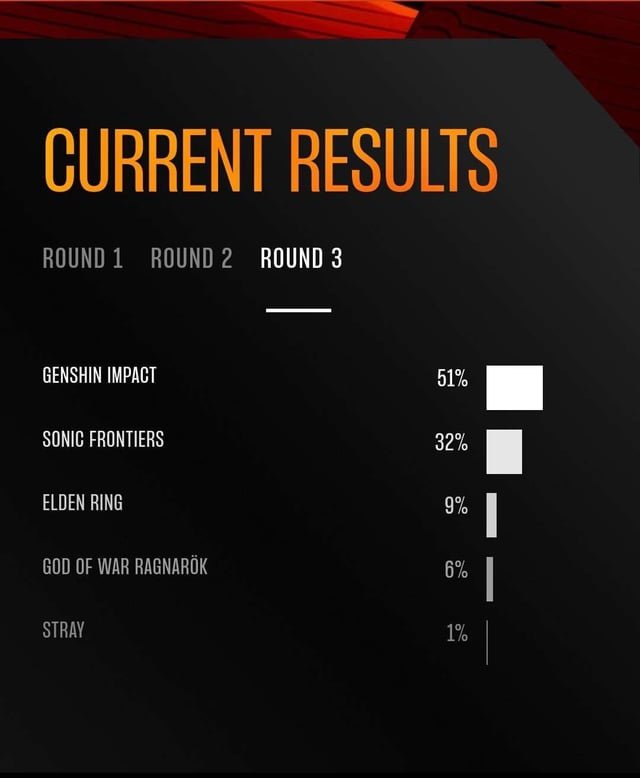
It’s impossible to definitively say the game awards are rigged without concrete evidence, but various factors like jury composition and voting processes can create biases.
Whispers and speculations always circle major award ceremonies, and the game awards are no exception. The question, “are the game awards rigged?” often pops up after each show. Fans scrutinize the winners, examining the process for potential unfairness.
Some believe favoritism plays a role, while others point to the complex voting systems. This ongoing debate fuels passionate discussions among the gaming community and observers. The truth likely lies somewhere in the gray area of subjective opinions and procedural intricacies.

Are the Game Awards Rigged? Unpacking the Controversy
The Game Awards. It’s the night where the video game world celebrates its best and brightest. Shiny trophies, tearful acceptance speeches, and exciting new game reveals – it’s a spectacle that millions tune into. But behind the glitz and glamour, a question often surfaces: are the Game Awards rigged? It’s a debate that’s been bubbling for years, with fans and critics alike questioning the fairness and transparency of the voting process. Let’s delve into this topic, look at all sides, and try to understand what’s really going on.
Understanding the Voting Process
Before we can even begin to discuss whether the awards are rigged, it’s crucial to understand how the voting actually works. The Game Awards aren’t decided by a popularity contest where anyone can vote for their favorite. Instead, it uses a jury-based system for the majority of the awards, with public voting contributing to a limited number of categories. This is a key difference that often gets overlooked.
The Jury: Who Decides?
The heart of the selection process lies with a group of over 100 international media and influencer outlets. This jury is composed of journalists, critics, and influencers from various gaming publications and platforms. Each jury member gets to vote on the nominations and the final winners in most of the categories. This jury is meant to bring expert opinion and knowledge of the games, considering factors like gameplay, story, graphics, innovation, and overall impact.
Public Voting: Your Voice Counts (Sometimes)
While the jury holds the majority of the power, the public does have a say in a few categories. These are often fan-voted categories, and they’re a chance for players to directly support their favorite games and creators. However, these fan-voted categories are a small slice of the overall awards pie and don’t impact the main categories.
The Role of the Advisory Board
To help guide the process, there’s an advisory board. This board consists of game industry veterans who provide their insights and expertise. They help shape the overall direction of the show and also assist in selecting the jury members. However, the advisory board does not vote on the winners.
Arguments for Rigging: Common Accusations
The suspicion that the Game Awards are rigged isn’t just random grumbling. It stems from specific observations and concerns. Let’s explore some of the most frequent arguments:
Bias Towards Big Publishers
One of the most common accusations is that the Game Awards favor games published by major studios and publishers. This can be caused by various factors, including close relationships between the show organizers and these larger companies. Some feel that smaller, independent titles are less likely to get the recognition they deserve, even if they are critically acclaimed. Critics argue that a bigger budget and marketing campaign can overshadow a more innovative game with less funding.
- Marketing Power: Big publishers can afford extensive marketing campaigns, which can lead to greater awareness among the jury.
- Relationships: Close ties between organizers and big publishers might influence the show.
- Production Value: The glitz and glamor of big-budget titles can sometimes sway opinions subconsciously.
The “Popularity Contest” Perception
Even though the jury is meant to vote based on merit, some believe that it can still devolve into a popularity contest. Familiar titles or those with bigger fan bases could be perceived to gain an edge, irrespective of their quality in comparison to others. The hype and the media narrative around a game could potentially influence the voters, even if subconsciously.
- Familiarity Bias: Games that are well-known might receive more votes simply because they are recognizable.
- Hype Culture: Games with significant pre-release hype might be favored.
- Fan Influence: Although public voting is separate, fan enthusiasm can spill over into jury opinions.
Conflict of Interest Concerns
The backgrounds of some of the jury members can raise eyebrows. Some individuals may have previously worked with or for the companies whose games they are judging, creating a potential conflict of interest. These conflicts can lead to the perception of unfairness or bias.
- Past Affiliations: Some jury members might have worked for companies whose games are nominated, raising concerns about bias.
- Undisclosed Relationships: The level of transparency surrounding jury member relationships is not always clear.
- Industry Dynamics: The small and interconnected nature of the games industry can make conflicts difficult to avoid.
Lack of Transparency
Transparency is key when it comes to judging fairness. Many people have expressed concerns about the lack of transparency in the voting process. Details regarding how jury members are selected, how votes are tabulated, or why specific choices were made are not fully disclosed, leading to speculation and mistrust.
- Selection Process: How jury members are chosen and vetted remains somewhat unclear.
- Voting Data: The raw vote counts for each category are never released, making it difficult to verify results.
- Behind-the-Scenes Decisions: There’s little insight into how decisions beyond voting are made.
Counterarguments: Why the Game Awards Might Not Be Rigged
While the arguments for rigging have merit, there are strong counterarguments. The Game Awards aren’t perfect, but they’re not necessarily designed to be corrupt. Here’s why they might not be rigged:
The Expertise of the Jury
The jury is composed of individuals who make a living from playing, analyzing, and writing about video games. They bring a wealth of experience and knowledge to the judging process. Their expertise may sometimes lead them to a different conclusion than the general public. They are more aware about the nuances of game design, technical performance, storytelling, and innovation. These professionals are likely to evaluate games with a critical eye.
- Professional Experience: Jury members are trained to evaluate games critically.
- Depth of Analysis: They tend to look at aspects beyond graphics and surface-level features.
- Wide Perspectives: The international and diverse jury provides a range of opinions.
The Drive for Credibility
The Game Awards aims to be the video game industry’s version of the Oscars. Rigging the results would tarnish its reputation and reduce its credibility. The organizers have a vested interest in maintaining the integrity of the awards to make sure it is an important event for the industry. To do so, they need to convince the audience that the awards are legitimate and not influenced by external factors.
- Reputational Stake: Rigging would seriously harm the credibility of the awards.
- Long-Term Goals: Maintaining trust is crucial for the long-term success of the show.
- Industry Respect: The awards need the respect of the industry to remain relevant.
Public Disagreement Doesn’t Equal Rigging
Just because the public doesn’t always agree with the winners doesn’t mean that the results are rigged. People have differing opinions on what makes a game “the best,” based on personal preference, genre preference, and individual experience. The jury’s choices often reflect a different set of criteria. Differences in opinion are a natural part of the voting process.
- Subjective Taste: Different people like different games for different reasons.
- Critical Evaluation: Jury members are looking at criteria that casual players may overlook.
- Diverse Opinions: Variety in opinions is normal.
The Limited Scope of Public Voting
Remember, the public vote only accounts for a small portion of the final results. The jury’s vote, as it should, is far more impactful on which games take home the trophy. The public’s influence is deliberately limited, making it less likely that mass fan votes can control the outcome of the important categories.
- Limited Impact: Public voting influences only a small percentage of the overall results.
- Jury Authority: The jury’s vote holds the majority of the power.
- Balance of Power: This is done to balance public opinion with expert evaluation.
Case Studies and Examples
To further understand the debate, let’s consider a few specific instances that have stirred controversy:
The Last of Us Part II‘s 2020 Sweep
In 2020, The Last of Us Part II won several awards, including Game of the Year. While critically acclaimed by many, the game also generated significant backlash, with some players criticizing its story and characters. The results led to accusations of bias towards Naughty Dog, the game’s developer, and perceived disregard for player preferences. This created a heated debate that showed the tensions between critical praise and audience reaction.
- Critical Acclaim: The game received high scores from critics.
- Player Discontent: Some players strongly disliked the game’s story.
- Debate on Objectivity: This highlighted the difference between critics’ and public preferences.
Independent Games Snubbed?
Many have argued that indie games are frequently overlooked in favor of AAA titles. While some indie games have received nominations, they rarely win the main awards. This leads some to believe that the jury is biased towards big-budget productions, despite the independent scene’s strong contributions to the overall industry. This creates the perception that the awards system does not fully recognize smaller innovative games.
- Limited Recognition: Indie games often receive less attention at major awards.
- Lack of Marketing: Indies struggle to compete with the marketing power of major publishers.
- Impact on Small Studios: Snubs can affect the visibility and sustainability of these studios.
Popularity of Specific Genres
Certain genres, such as narrative-driven single-player games, seem to be favored over others. Games that are experimental or try new things might find it difficult to gain recognition. This perceived preference for specific types of games can lead fans of other genres to question the fairness of the awards. This raises questions about the jury’s understanding and appreciation of the variety of game types.
- Genre Bias: Some genres appear to be favored over others.
- Innovation vs Familiarity: Games pushing boundaries might get less attention.
- Audience Preference: Many players favor a diverse gaming landscape which should be recognized.
The Impact of Perception
Whether or not the Game Awards are actually rigged, the perception of unfairness is itself a significant issue. When a large segment of the gaming community feels that the awards don’t accurately reflect the best games of the year, it can reduce engagement with the event and create cynicism toward the process. The perception is just as important as the reality when it comes to maintaining the reputation of the awards.
- Reduced Engagement: If viewers do not believe in the results they may not tune in.
- Increased Cynicism: The belief that the awards are unfair can erode trust in the system.
- Community Divisiveness: Perception of bias can lead to heated arguments within the player base.
How to Improve the Game Awards?
Instead of focusing solely on whether the awards are rigged, let’s consider what could make them better. Transparency, diversity, and inclusivity are important. Here are a few ideas:
- More Transparent Voting: Release more details about how jury members are selected, how votes are counted, and why certain games are chosen.
- Expanded Jury: Include more diverse voices on the jury, representing different gaming communities, regions, and backgrounds.
- Enhanced Indie Recognition: Create additional categories specifically for indie games and ensure they are judged fairly.
- Involving the Community: Increase the scope and influence of public voting and engage more directly with fan communities.
- Clear Conflict-of-Interest Guidelines: Establish clear rules and guidelines to prevent potential conflicts of interest for jury members.
Continuing the Conversation
The question of whether the Game Awards are rigged is not something that can be definitively answered with a simple yes or no. There are valid points on both sides of the debate. The conversation itself is valuable. It pushes the organizers to improve their process, encourages transparency, and ensures that the awards program remains meaningful for the whole video game industry. Keeping the discussion alive will be the best thing we can do as a community to keep the awards honest.
Ultimately, the Game Awards are a celebration of a vibrant and ever-evolving medium. While the arguments and skepticism around the process may persist, they also encourage an industry wide conversation to continue pushing for higher standards and make the awards better and fairest.
The Game Awards Situation is Crazy
Final Thoughts
Ultimately, allegations of bias always swirl around award shows. Some fans believe popularity unduly influences the winners. While specific proof is usually absent, the feeling persists.
The question of “are the game awards rigged” surfaces every year. Many factors beyond pure merit can impact voting outcomes. Perceptions, marketing efforts, and personal preferences all play a role.

