
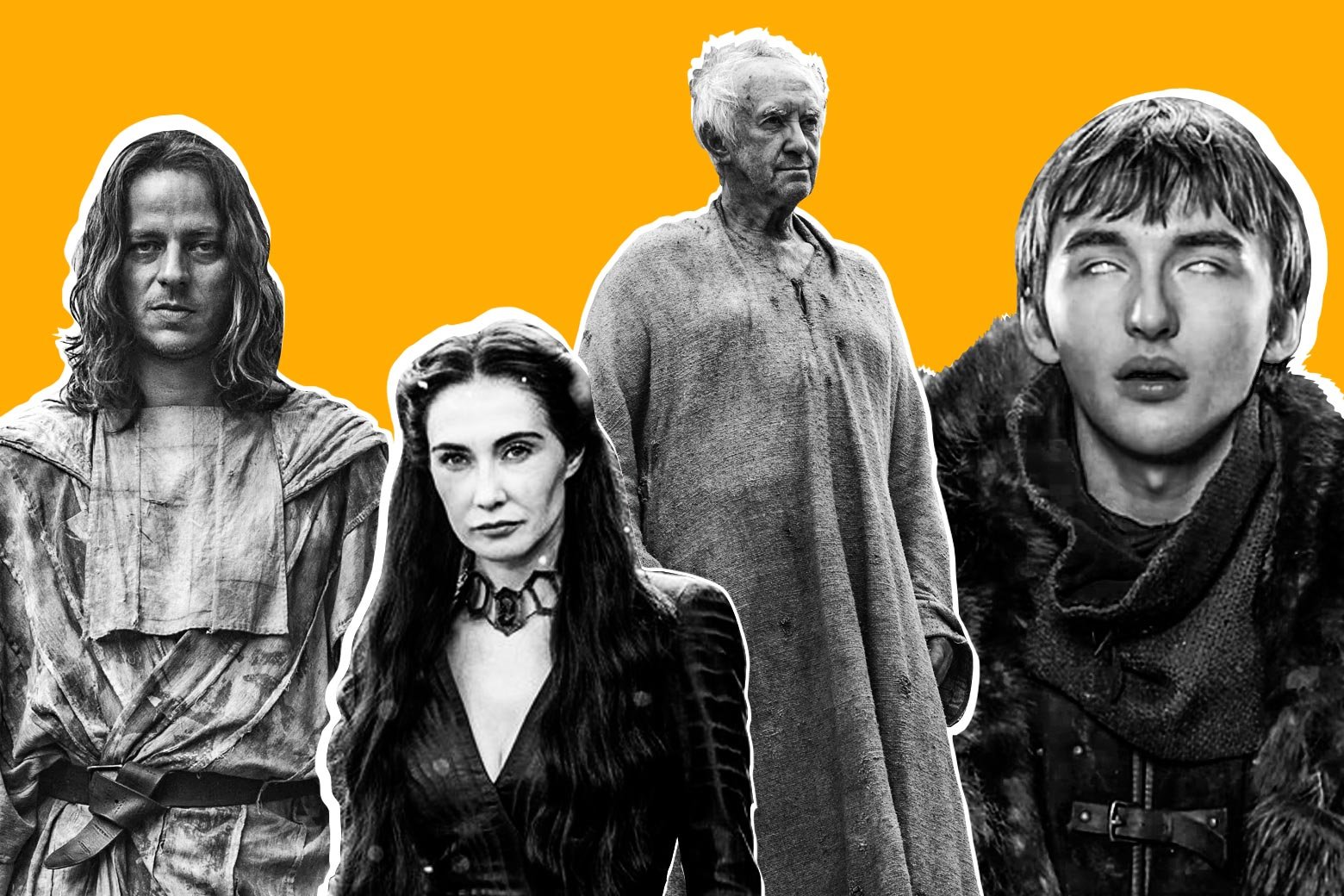
The existence of gods in Game of Thrones remains ambiguous; while characters believe in and are influenced by them, direct, verifiable proof of their reality is absent.
Do the gods truly meddle in the affairs of Westeros and beyond? The characters certainly act as if the gods are real, following their tenets and attributing events to divine intervention. But are the gods real in Game of Thrones, or are they just constructs of faith, conveniently placed for narrative purposes?
The world presents magical events like resurrections and visions, which could point towards a divine hand. Yet, such occurrences can also stem from other mysterious forces within the world’s established lore, leaving the actual influence of the gods questionable.

Are the Gods Real in Game of Thrones?
The world of Game of Thrones is full of amazing things: dragons, direwolves, and epic battles, but one question often pops up: are the gods real? It’s not as simple as a yes or no. Unlike our world, where belief is mostly based on faith, the gods in Westeros and Essos seem to have a more direct impact. Let’s explore the different religions and see if we can figure out if these higher powers are actually at work or if it’s all just magic and coincidence.
The Faith of the Seven: Gods of Westeros
The most common religion in Westeros is the Faith of the Seven. They believe in seven different aspects of one god. There’s the Father, who represents justice, the Mother, for mercy, the Maiden, for innocence, the Crone, for wisdom, the Warrior, for courage, the Smith, for crafting, and the Stranger, who represents death.
Are the Seven Actually Gods?
The Faith of the Seven is really interesting because unlike other religions in the world, it doesn’t have big, obvious miracles. There aren’t priests lighting up in flames or walking through walls like we see with some other beliefs. Instead, the Faith is about following a code of behavior, being good and honest and seeking justice. This has led many to believe the Seven are more of an idea rather than real gods that interact with the world. The septons and septas teach people how to live a good life, and their teachings shape society and how people act towards each other.
But if you’re hoping for clear signs of the Seven, you might be waiting a long time. The faith is about inner beliefs and how you live, not a god handing out miracles every Tuesday. They are more about the symbolic ways that people connect with a higher ideal. People often pray to them for guidance or help in a particular part of life. The Faith of the Seven shapes everything in Westeros, like weddings, funerals and how nobles live their lives. These traditions and rituals are important and show how deeply the Faith is embedded into their culture.
The Old Gods of the Forest: Whispers in the Weirwood Trees
North of the Neck, and in some old places, the people follow the Old Gods of the Forest. These are not gods with names or faces. Instead, they’re tied to the ancient trees called weirwoods. These trees have white bark, red leaves, and faces carved into their trunks. People believe the trees listen and that the Old Gods speak through them.
Evidence of the Old Gods?
The weirdwood trees play an important role in the world. The greenseers, people like Bran Stark, can connect with the trees and see past, present, and future. This magic seems to be linked directly with the Old Gods and hints there’s something else going on in the world. This connection to nature makes their powers seem natural, almost elemental.
Greensight: Bran’s ability to see through the weirwoods is a pretty big clue that the Old Gods have actual power. It is through these trees that he can see events happening in other places or even times.
Children of the Forest: These non-human beings who lived in Westeros before the First Men worshipped the Old Gods, and their magic was closely linked to the natural world. It’s stated that they were able to live for centuries, and performed a lot of magic.
These are the reasons that some fans might think the Old Gods are real gods that have an actual impact. They don’t interfere like the fire god, R’hllor, but their influence seems subtle and deeply ingrained in the magic of the world. The Old Gods are also very interesting, because their belief is about how to live peacefully with nature and live in harmony with it. It is not like the structured religion of the Faith of the Seven.
The Lord of Light: R’hllor and His Power
In Essos, and gaining popularity in Westeros, is R’hllor, the Lord of Light. This god is all about fire, light, and battling darkness. His followers, like Melisandre, perform incredible feats of magic, including bringing people back from the dead.
Proof of R’hllor’s Power
It is a lot easier to think that R’hllor might be a real god, because his followers can do some pretty incredible things:
Shadow Assassins: Melisandre and other priestesses of R’hllor can create shadow creatures that kill their enemies. That is some pretty strong magic right there.
Resurrection: The power to bring someone back from the dead like Beric Dondarrion and Jon Snow, which is something that is very hard to explain.
Prophecies: Melisandre’s visions in the fire, though often unclear, sometimes come true and show future events, especially in battles.
Fire Magic: The red priest’s power to do incredible things by using fire, like burning things and summoning shadows and other dark arts, is pretty convincing magic, but is it the power of a god?
Divine Intervention: One of the most compelling events that points towards the existence of this god is the case of Stannis Baratheon, who drew a sword from a burning statue. This could be seen as a message from the Lord of Light that he was the true heir.
R’hllor is different from the other two religions we have talked about because his presence is very obvious. His followers have undeniable powers, which lead many to think there is a very real and powerful god behind it all. It is difficult to think that R’hllor is not involved, but there are still some other possibilities that can be discussed.
Other Religions and Beliefs
Besides the big three, there are lots of other smaller religions and beliefs in Game of Thrones:
The Drowned God: Worshiped by the Ironborn, this sea god believes in strength and raiding. They are not big on miracles but on their lifestyle of being tough.
The Many-Faced God: The assassins in Braavos believe in this god who is associated with death. They change their appearance to become someone else, which is some very strong magic.
The Great Shepherd: People in the grasslands of Essos worship this god of the sun and sky.
Various Local Gods: Across Essos and even Westeros, local traditions and gods exist, showing the wide range of beliefs.
These diverse beliefs add to the complexity of the world and hint that there may be more powerful forces at play. They also point to the fact that people need to believe in something, even if it is just in their local or regional tradition.
Magic vs. Gods: What’s Really Going On?
Now, the big question: are these gods real, or is it just magic? This is where things get tricky:
Magic as a Force: Many fans think the “magic” in Game of Thrones is a kind of natural power that anyone can use with the right knowledge. It doesn’t necessarily mean there are gods causing the magic, instead magic is just there and it can be tapped into.
Gods as Interpretations of Magic: It might be possible that the gods are just different names for this magic. R’hllor followers see fire and light, Old Gods followers see nature, the Many Faced god followers see death. Perhaps they’re all tapping into the same powerful force but call it different things.
Belief Influences Power: It could be that belief itself makes the magic stronger. When someone deeply believes, perhaps that makes the magic they use more powerful. The stronger the faith, the more powerful the magic?
Ancient Forces: There could be ancient forces, like the magic the Children of the Forest used, that are not gods but still very powerful and not understood by the common people.
Let’s have a look at a table to see the different approaches to the gods:
| Religion | Possible Source of Power | Miracles/Magic | Impact on the World |
|---|---|---|---|
| Faith of the Seven | Moral code, cultural identity, good behavior | None | Shapes Westerosi society and traditions |
| Old Gods of the Forest | Nature, magic connected with weirwood trees | Greensight, connection to the past and future | Connected with ancient magic and nature |
| Lord of Light (R’hllor) | Fire, light, powerful divine intervention | Shadow assassins, resurrection, prophecy | Directly influences the world with obvious magic |
| Drowned God | Toughness, bravery and lifestyle | None | Influences the Ironborn culture of raiding |
| Many-Faced God | Death and transformation | Shape shifting, skills of the Faceless Men | Shapes the power of the Faceless Men |
The Role of Belief
It is very important to think about how belief plays a big role in the world of Game of Thrones. The power people believe in is sometimes very evident, and the magic seems linked to it. But is that actual power from the god, or is that how people are able to tap into it? This makes it unclear if the gods are real or if it is all tied to some magic that is unknown by the people of this world. The way that people believe, especially with the followers of the Lord of Light, sometimes seems to give them extra power. This makes the question of the gods very interesting and complex, since it could be both.
So, Are the Gods Real?
After looking at everything, we still don’t have a clear answer. In Game of Thrones, the idea of “gods” could be a way for people to understand the powerful forces in their world. It’s possible that:
The gods are real beings who interact with the world in different ways.
The gods are just names for powerful magic that people are tapping into.
Belief makes magic stronger.
The truth is, it’s not a clear yes or no. The world of Game of Thrones likes to make things complicated, and it doesn’t always give us the easiest answers. This is one of the things that makes the series so interesting and what keeps us talking about it even after all these years.
Ultimately, the question of whether the gods are real in Game of Thrones is something that each viewer must decide for themselves. It’s not about having one correct answer; it’s about exploring the different possibilities and thinking about what it means to believe in something bigger than yourself. The ambiguity surrounding the gods adds depth to the series, and it encourages us to look beyond the surface of what we see. The magical elements could be gods, but it might not be. And that’s what makes the world so incredible.
George RR Martin on Whether the Gods are Real in Game of Thrones
Final Thoughts
Ultimately, the question of “are the gods real in game of thrones” remains ambiguous. The show presents miracles and magic, but whether these stem from divine intervention or other forces is never explicitly stated. The characters certainly believe, and their faith influences their actions deeply.
We witness events attributed to the old gods and the Lord of Light. However, a definitive answer escapes us. The presence of magic certainly makes things complex, we must also accept this as a key part of the narrative, and accept that we may never know for sure if gods are really behind it all.

