
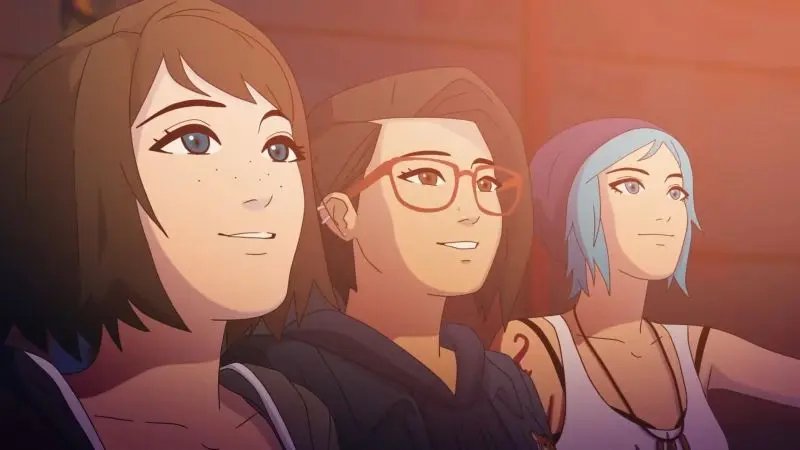
Yes, the Life is Strange games are connected through recurring themes, characters, and the overarching concept of supernatural abilities, although each game largely presents a standalone narrative.
Have you ever finished a Life is Strange game and wondered if it ties in with another story in the series? It’s a valid question, given the emotional impact these games have, and it’s natural to want to explore the wider narrative. The core question, really, is: are the Life is Strange games connected?
Each installment introduces new protagonists and conflicts, but subtle links create a sense of a shared universe. While they don’t share central plots, they share some characters and the notion of unique powers affecting lives.

Are the Life is Strange Games Connected?
That’s a question many fans ask! The Life is Strange universe is a really cool place, full of interesting stories and characters. It might seem like each game is its own little world, but are they secretly linked? Let’s dive in and explore the connections between all the Life is Strange games, so we can see the big picture of this amazing series.
The Core Concept: Choices and Consequences
Before we look at specific characters or places, it’s important to understand what connects all Life is Strange games: the idea of choices and consequences. Each game makes you, the player, decide what the characters do, and these decisions have a big impact on how the story goes. Whether it’s a small choice, like how you talk to someone, or a huge choice, like saving a town or not, your decisions matter. This core concept is the same across all games. It’s like each story is a different branch on a tree, growing from a root of tough choices.
Direct Connections: Characters and Places
Okay, let’s look at the specific things that link the games. This is where things get really interesting! While each Life is Strange game features a brand-new protagonist and setting, there are some places and people you might recognise:
Arcadia Bay and Blackwell Academy
The most obvious connection is Arcadia Bay and Blackwell Academy. This is where the first game, Life is Strange, takes place. You play as Max Caulfield, and the story revolves around her and Chloe Price. But, Arcadia Bay shows up again in another game, though it’s not the main place. We see it in a photo in Life is Strange: Before the Storm, giving us a small peek back into where Max and Chloe’s story began.
Life is Strange: Before the Storm also shows us Blackwell Academy before the events of Life is Strange, allowing us to see some locations that are familiar. It helps us understand more about where the first game’s characters came from and the school where everything happened.
Characters Appearances
One of the ways these games link up is through the reappearance of certain characters, or references to them:
- David Madsen: David, Chloe’s stepfather from Life is Strange, is a recurring character. We see him in Before the Storm as well, giving us more insight into his life and how he became the way he is in Life is Strange.
- Steph Gingrich: Steph first appeared in Before the Storm as Chloe’s D&D buddy. She returns as a main character in Life is Strange: True Colors. Though she doesn’t mention Chloe directly, her presence suggests the stories exist in the same universe.
- Minor Character Mentions: Characters in Life is Strange: True Colors mention places, people or events that happened in previous games. There are little hints, Easter Eggs, that connect the game world together. These mentions aren’t always big, but they reward players who are familiar with the whole series.
Thematic Links: Beyond the Tangible
Even when characters or places aren’t directly in a game, there are still big themes that connect them all. Think of it like a family having similar traits:
Supernatural Abilities
Most Life is Strange games center around someone who has some kind of special ability.
- Time Rewind: Max’s power to rewind time in Life is Strange is a key element. She can fix her mistakes, or mess up everything more.
- Empathy: Alex Chen’s power in Life is Strange: True Colors allows her to feel the emotions of others. It’s a different ability than Max’s, but it shows us that supernatural forces affect these characters.
- Other Minor Abilities: Before the Storm does not feature a main character with superpowers, but some people believe Rachel has some power.
These powers and how they impact the user’s life are essential to the narrative of these games. They add a layer of complexity to the story and connect all the games together.
Coming-of-Age Stories
Each Life is Strange game focuses on young people. They are finding out who they are and dealing with the challenges of growing up. This is another recurring theme:
- Friendship: Each game explores the strong bonds of friendship between characters. They help each other through tough times.
- Self-Discovery: The main characters are always going through a journey to understand themselves better. They learn about who they are as they face problems.
- Dealing with Loss and Change: Many of the characters have to learn how to deal with loss and changes in their lives. That makes the game relatable to real-life situations.
The Universe as a Whole
So, are these games all part of one big story? Not exactly. They’re more like stories that share a common universe, connected by ideas and emotions. Think of it like different books in the same series that tell unique stories, but all share the same core message and themes.
The Absence of Overarching Narrative
Unlike some series, Life is Strange doesn’t rely on a single main character or plot to connect every game. There is not one villain or a set of events that the main characters all have to deal with. Each game is primarily a unique journey. You might get little mentions or Easter Eggs, but they don’t have to be in sequence. The developers have gone on record saying that each story will remain self-contained.
The Intentional Design
The developers have said that they want the freedom to explore different kinds of stories, but within the same world. This allows them to tell different kinds of stories. They are not locked into telling one single story, with the same characters or settings. This freedom allows the series to stay fresh and exciting.
How These Connections Impact the Player
As a player, knowing these connections enhances the gameplay experience. It’s like finding hidden clues in a mystery.
Recognizing Familiar Elements
When you see the location of Blackwell or recognize a name from a previous game, it gives you a sense of being part of a wider narrative. These easter eggs make you think about other games, and the other stories.
Understanding the Themes
Because you are aware of core themes, you might be able to understand the stories better. You can see how the different stories relate to each other, even when the characters and plot are totally different. You can see what the game wants you to think about when you make your choices.
Emotional Impact
Because these games are emotional, you might have an even bigger response. You’ve become invested in the series and you know the pain and the joy of the other stories. This can enhance the emotions of a new story. It feels like visiting with familiar friends, even if those friends are in a new story.
Life is Strange Titles and Their Connections: A Closer Look
Let’s examine each main title and look at the specific ways they connect:
Life is Strange (2015)
This is where it all started! Max’s time-rewinding power and her bond with Chloe are the focus. It establishes Arcadia Bay and Blackwell as a central part of the game world. This is where the core game mechanics were also introduced to the players.
Life is Strange: Before the Storm (2017)
This prequel shows Chloe and Rachel’s relationship before the events of the first game. It offers more context to familiar locations and characters in Life is Strange, like David Madsen. You learn more about why he and Chloe were so tense.
The Awesome Adventures of Captain Spirit (2018)
This is a short, free game that gives you a glimpse of Chris and his alter-ego Captain Spirit. It has some small connections to Life is Strange 2, but it’s very easy to miss if you have not played that game yet.
Life is Strange 2 (2018)
This game has a new protagonist, Sean Diaz, and his younger brother Daniel. You follow them on a road trip. It shows how their actions affect the world around them, including some areas you may recognize from the first game. You are no longer in the same town or state, but things that happened in the first game impacted these characters.
Life is Strange: True Colors (2021)
You play as Alex Chen, who has the ability to feel and influence the emotions of others. This is the game that includes Steph Gingrich as a main character, who originally appeared in Before the Storm. It’s also a game that features some mentions and references to past games, giving the players some small rewards for following the whole series.
By looking at each title like this, it becomes very clear how this series of games are connected and it creates a shared universe where choices matter.
The world of Life is Strange is a collection of individual stories, each with its own main character and themes. These characters find themselves in challenging and emotional situations, and the choices that the player makes impacts their lives. The connections are often subtle, with recurring characters, locations and themes which bind them together. This creates a cohesive experience for players who are invested in the entire series. Rather than telling a singular narrative, each Life is Strange story adds to a bigger picture, with each story being something new but related. It’s a series about big choices and the effect of our decisions, and it’s really wonderful.
A Guide to the Life is Strange Timeline (Playing in Timeline Order)
Final Thoughts
Ultimately, while each Life is Strange game features distinct characters and narratives, they exist within the same universe, hinting at potential interconnectedness. Subtle references and easter eggs suggest a shared timeline. Characters from one game might make a cameo in another.
Therefore, the answer to “are the life is strange games connected” is yes, in a subtle yet significant way. The core narrative remains centered on the choices of each main character, but their worlds do overlap. These connections make exploring the entire series must more compelling.

