
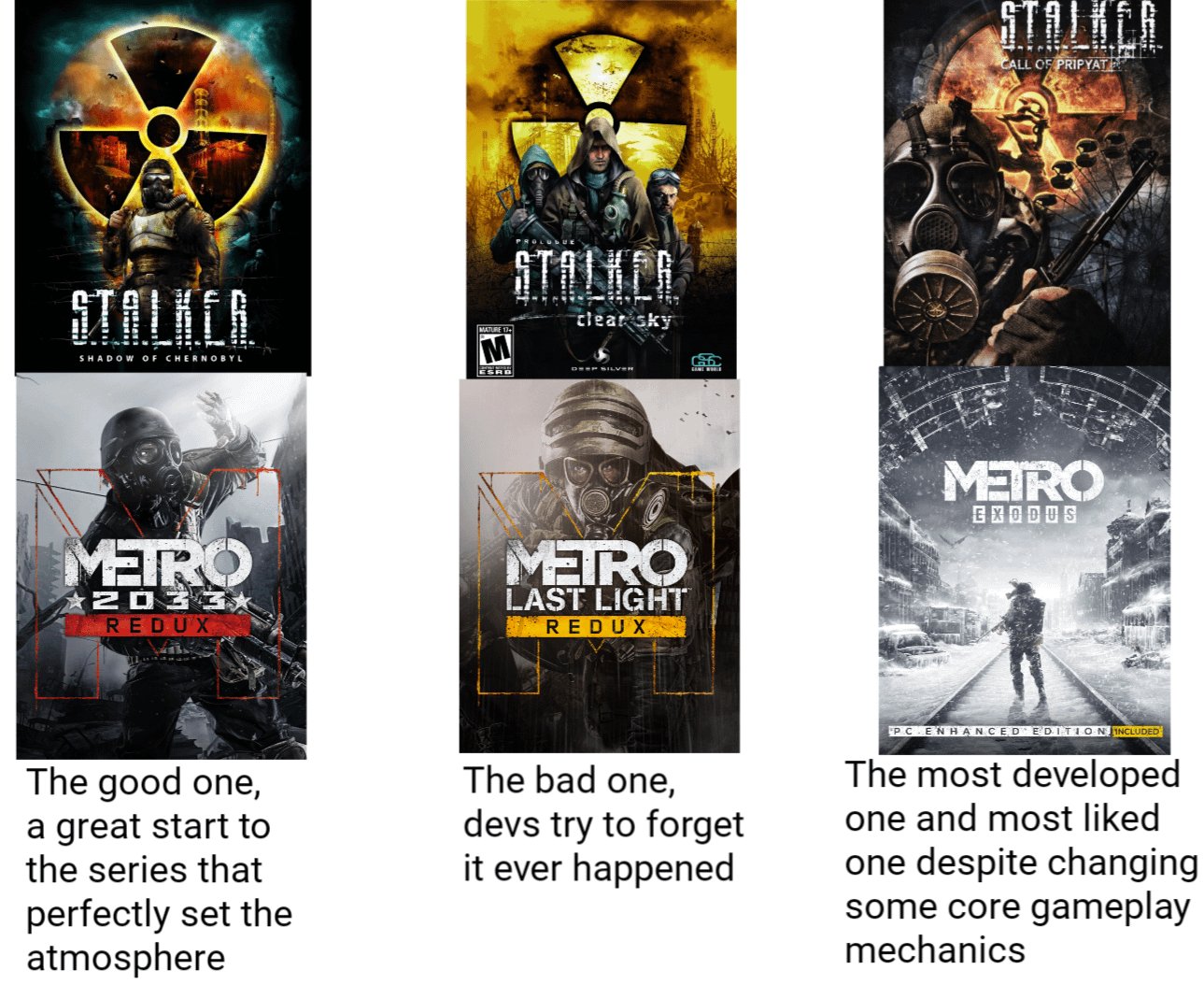
Yes, the Metro games are connected through a shared narrative and setting, with characters and events carrying over between installments.
Ever wondered if the desolate tunnels of the Moscow Metro in one game have any bearing on the next? The question, “are the metro games connected,” often comes up for new and seasoned players alike. This series weaves a tight story.
Each entry in the Metro series builds upon the previous one, crafting a continuing narrative within post-apocalyptic Russia. You’ll find familiar faces and locations popping up across the games.

Are the Metro Games Connected? Exploring the Post-Apocalyptic World
The Metro game series, with its dark and gritty atmosphere, has captivated players for years. We’ve all ventured into the tunnels beneath Moscow, faced terrifying mutants, and wrestled with the moral dilemmas of a post-nuclear world. But a question that often pops up is: just how connected are these games? Are they a continuous story, or are they more like separate tales within the same universe? Let’s dive into the details and explore the connections between Metro 2033, Metro: Last Light, and Metro Exodus.
The Core Narrative: Artyom’s Journey
At the heart of the Metro games is the character Artyom. He’s not just a silent protagonist; he is the thread that ties these games together. Metro 2033 introduces us to a young Artyom living in the Moscow metro system after a nuclear war devastated the surface world. He’s tasked with delivering a message to the legendary Polis station, and this sets the stage for his long and perilous journey.
The events of Metro 2033 directly lead into Metro: Last Light. This isn’t a new story; it’s a continuation of Artyom’s struggles and the political turmoil within the Metro. The consequences of Artyom’s actions in the first game impact the world and the story in the second, establishing a clear line of connection. He’s dealing with the fallout of his decisions and is drawn back into the center of conflict, specifically between the different factions within the metro.
Finally, Metro Exodus takes a significant leap, moving Artyom and his group outside of Moscow and onto a train called the Aurora. Although the change in location is huge, the game still directly builds upon the established story. Artyom’s motivations and the relationships he has formed with other characters are crucial components that bring all three titles into one cohesive saga.
Chronological Order: Playing the Games in Sequence
If you’re wondering about the best order to play the Metro games, it’s quite straightforward:
- Metro 2033: This is where it all begins. You’ll learn about the world, Artyom’s background, and the threats that exist both within the tunnels and on the surface.
- Metro: Last Light: This game continues Artyom’s story, picking up from where Metro 2033 leaves off, expanding upon the lore and the conflicts within the metro.
- Metro Exodus: This game shifts the focus to a broader exploration of post-apocalyptic Russia, but it carries on the established narrative and builds on the world from previous games.
Playing the games in this order will let you experience the full story arc, from Artyom’s initial journey to his trek across a ruined Russia. The developers intended for the story to be viewed in this chronological sequence, and doing so allows the player to experience the best character arc and world evolution.
Recurring Characters: Familiar Faces in a Harsh World
Beyond Artyom, several recurring characters appear throughout the series, solidifying the links between each game. These characters include:
Khan: The enigmatic philosophical character who is found in multiple games with his unique understanding of the world and its spiritual side. His presence often guides Artyom in moments of uncertainty.
Miller: The leader of the Spartan Order, a military group that provides guidance and support to Artyom at multiple times in the series. He is a strong figure whose presence is integral to Artyom’s journey.
Anna: Artyom’s wife and a skilled sniper, Anna’s personal development and growth is a major component of the series’ story, and her relationship with Artyom forms a cornerstone of the emotional core of the story.
These characters not only help maintain consistency between the games, but they also develop alongside Artyom. The way they grow and change, their bonds and personal histories, all enrich the overall narrative experience and make the series more connected. They provide a sense of continuity and establish a shared history within the game world.
The Shared Lore: A World Ravaged by War
Beyond characters, the world of Metro is also a crucial element in the connection between the games. The post-nuclear Moscow, the mutated creatures that roam the surface and the tunnels, the different ideologies of the factions, and the technology of the pre-war civilization; all of these aspects add layers of complexity to the story. The games explore the fallout of the nuclear war, focusing on the different types of dangers that players encounter in the ruined world, such as:
- The Dark Ones: These mysterious creatures play a huge role in the world of the metro and impact the story of the series, especially in Metro 2033.
- The mutants: The mutated creatures that roam both the surface and the tunnels of Moscow are a constant threat that shape the day-to-day life of the characters.
- The political landscape: Different factions with conflicting agendas constantly struggle for power in the metro tunnels, showing how even amidst the apocalypse, societal issues remain.
- The remnants of the old world: Players often come across traces of the pre-war civilization that adds context to the downfall of human society.
The consistent rules and setting of the metro world make each game feel connected. Even though Metro Exodus shifts the location, it doesn’t depart from the core established elements of the world and this enhances the sense of consistency across the series. These recurring elements and themes make the games a true set of adventures within the same shared world.
Story Arcs and Plot Threads
Each game introduces new story elements and plot threads that are further developed in the following games. For instance, the events of Metro 2033, such as Artyom’s interaction with the Dark Ones, have significant repercussions in Metro: Last Light. In turn, Metro: Last Light’s events directly lead to the circumstances of Metro Exodus. This isn’t a situation where each game is a standalone story; they’re interwoven pieces of a larger, evolving narrative.
Here is a quick breakdown of how the plot threads evolve:
Metro 2033: Introduces the world and the main threat of the Dark Ones. It focuses on Artyom’s journey to deliver a message and save his home.
Metro: Last Light: Focuses on the consequences of Artyom’s actions in the first game, further exploring the conflict of the factions within the metro.
Metro Exodus: Takes Artyom and his group on a journey across post-apocalyptic Russia, moving beyond the confines of the metro, dealing with the consequences of the events in the last games.
The careful expansion of the story and building on previous games creates an amazing sense of continuity that makes the series a cohesive narrative.
Gameplay Mechanics: Consistent Yet Evolving
While the stories are interconnected, the gameplay mechanics also tie these games together, although they also evolve over the course of the series. The core survival elements, the resource management, and the stealth mechanics are consistent across all three games, but each game brings new features or tweaks to the gameplay.
Survival elements: Resource management is a huge factor across all games. You need to scrounge for supplies, crafting is a key part of the gameplay, and ammunition is always scarce.
Combat: The games present a mix of stealth and combat elements. In all three titles you can approach a situation stealthily, but can also go guns blazing if you want. The game offers a range of weapons, which players can customize and use to their advantage.
Exploration: The games place a heavy emphasis on exploration. Whether you’re exploring the tunnels beneath Moscow or traveling across Russia, you’ll always find hidden areas and encounters.
Moral choices: Your choices will have an impact on how the story progresses, which makes the choices feel more weighty and meaningful.
Though Metro Exodus expands on these elements, by introducing things like an open world, the core gameplay mechanics that are present in the previous titles remain to ensure consistency and a familiar feel for fans of the series.
Visual Design and Atmosphere
Another significant aspect that helps connect the games is their distinct visual design and atmospheric qualities. The dark, claustrophobic tunnels of the metro, contrasted with the harsh and desolate surface world are very consistent across all three games. The games use lighting and sound to emphasize the bleak nature of the post-apocalyptic world, with each environment having its own set of unique dangers and hidden areas.
Each game maintains a sense of oppressive atmosphere, with the lighting, the sounds, and the overall artistic style contributing to the feelings of danger and dread. Even in the open areas of Metro Exodus, the tone and style continue to reflect the established world, making sure that it still feels like a part of the series. The consistency in art direction ensures that players can easily recognize the distinct aesthetics of the metro world no matter which game they play.
Impact of Decisions Across Games
The choices players make throughout the Metro series have a lasting impact. In the first two games, these choices contribute to different endings, with each ending having its own repercussions. Even if the choices do not impact the story in a major way, they make a big difference in how players perceive the world and the character’s development.
Metro 2033: The ending you receive depends on the moral choices you make throughout the game, impacting Artyom’s view of the Dark Ones.
Metro: Last Light: Your actions affect the ending, including whether or not you spare or kill specific characters.
Metro Exodus: Certain choices will affect the well-being of other members of the group, leading to different results for the final outcome.
These lasting impacts of decisions enhance the connected experience, giving players a real sense that their choices really matter within the story.
Adaptations and Expansions: Beyond the Core Games
The Metro universe has expanded beyond the three core games. The Metro novels by Dmitry Glukhovsky, on which the games are based, provide much more lore and story material. While they don’t all directly coincide with the stories in the games, they enhance and expand the universe, filling in gaps in the history. Additionally, the Metro games have been remastered for different platforms and even bundled into different collections, allowing players to experience the series in an efficient way.
These different versions and expansions show how connected and popular the Metro universe really is, highlighting that the series is an intricate story with a consistent timeline.
In summary, the Metro games are absolutely connected. They share a main character, recurring characters, a shared world with its own history and rules, a continuous story arc, similar gameplay mechanics, and a unique atmosphere. The connections are clear, building upon each other in a way that provides a deep and cohesive narrative experience. The games are best played in chronological order to experience the complete story arc and how Artyom’s story evolves. From the dark tunnels to the vast open landscapes, the games provide a journey that is interconnected at every level.
If you are a fan of post-apocalyptic story, immersive gameplay, and rich narratives, you’ll find the Metro series to be an unforgettable adventure, where each game contributes to a larger, more complex narrative. These games are not individual stories in the same world, they are an integral part of one grand saga.
METRO 2033 and METRO: Last Light – Should You Play Them First?
Final Thoughts
The Metro game series presents a connected narrative. Each game builds upon the previous one’s events, following Artyom’s journey. While each title has its self-contained story arc, major plot points carry over.
The world and characters are consistent, making the experience feel cohesive. Therefore, the question ‘are the metro games connected’ has a simple yes.
You must play the games in order to fully understand the overarching storyline. Skipping a title might leave you confused. Each game continues the development of metro world.

