
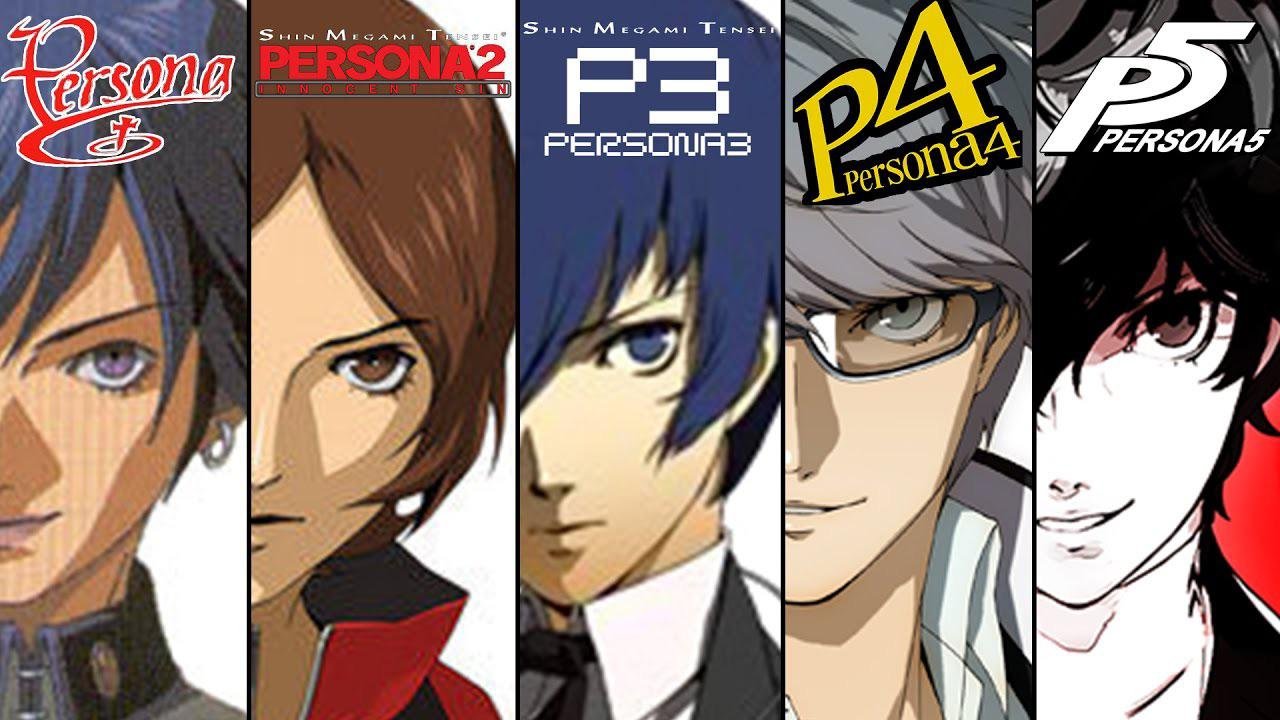
While not directly connected in terms of a single overarching narrative, the Persona games share thematic elements, recurring characters, and a similar game system, suggesting a strong connection despite existing in separate stories.
Have you ever wondered if the different Persona games share more than just a name? It’s a question that many new fans grapple with after diving into the series. Are the persona games connected or is each title its own self-contained experience? The answer is more nuanced than a simple yes or no.
While each game tells its unique story with fresh characters and settings, certain elements weave throughout the series. We can observe clear links in the lore and gameplay mechanics from one title to the next. This creates a sense of cohesion even without a direct storyline connection.

Are the Persona Games Connected?
So, you’ve been diving into the world of Persona, battling shadows, making friends, and maybe even romancing a few characters. It’s an amazing series, but a question might pop into your head: are all these Persona games connected? Do the stories all take place in the same world, or are they completely separate adventures? The short answer is: it’s complicated! While there isn’t one big, continuous story, there are definitely connections between the games. Let’s explore how these amazing games link up.
The Velvet Room: A Common Thread
One of the most noticeable connections between all the Persona games is the Velvet Room. Think of it like a mysterious, otherworldly place that exists between dreams and reality. Each time the main characters awaken their Persona abilities, they find themselves visiting the Velvet Room. This place, with its unique décor and even more unusual residents, serves as a sort of hub for the protagonists. It’s where they can manage their Personas, learn new skills, and get advice on their adventures.
Key Figures of the Velvet Room
The Velvet Room is always staffed with interesting characters. Let’s take a look at some of the recurring faces:
- Igor: This long-nosed gentleman is the master of the Velvet Room. He’s always there to guide our heroes on their journey. His presence is constant throughout nearly every Persona title, offering consistent support to the protagonists.
- Attendants: These characters vary from game to game, but they always serve as Igor’s assistants. They help the protagonist with Persona fusion and provide a range of services. For example, in Persona 3, Elizabeth and Theodore are the attendants, while in Persona 4 it is Margaret. Each attendant has their distinct personality which gives the Velvet Room a unique character in each game.
The consistent presence of the Velvet Room and its inhabitants shows that there’s some continuity within the Persona universe, even if the main stories of the games don’t always directly overlap.
The Persona Lore: Shared Concepts and Mechanics
Beyond the Velvet Room, many of the core concepts within the Persona series are consistent throughout all the games. These shared elements contribute to the feeling of a cohesive universe, even when stories differ.
Personas: Manifestations of the Soul
The central mechanic of Persona involves the use of Personas. These are powerful beings that are created from a person’s inner self, their personality, and even their repressed desires. Every character with the potential to be a Persona user can call forth these beings to battle shadows. Although the appearance and powers of Personas differ from user to user and title to title, the underlying concept remains the same: using the power of one’s self to battle inner and outer darkness. This common thread is at the very heart of each game.
The Shadows: Dark Reflections
Shadows are the other half of the Persona coin. These monsters are manifestations of negative emotions and repressed feelings that exist within a person’s heart. They are usually the main enemies in the Persona games. While the way the shadows operate is slightly different in each game the core concept that they represent the darker sides of human hearts is consistent and fundamental to the overall Persona lore.
Social Links/Confidants: The Power of Bonds
Another main focus of the Persona games are the relationships between the main character and the people around them. Building these bonds increases the strength of the character’s Personas. This social link system, called “Confidants” in Persona 5, is found in some variation in every game. These relationships not only provide character development for the main characters but also add a strategic advantage in battles by boosting the strength of Personas through building stronger bonds, which helps to illustrate how interconnected human relationships are in the Persona universe.
Subtle Connections and Easter Eggs: A Web of References
While the main stories of each Persona game are mostly self-contained, the series is full of small connections, references, and Easter eggs that link the games together. These are more like nods to the other games rather than being necessary to understand the current story. It’s like a wink from the developers, rewarding longtime fans who have played through multiple titles.
Character Cameos and Mentions
Sometimes, characters from previous Persona games might show up in small ways. For instance, a character might be mentioned in passing, or a familiar face could be seen in a background scene. A popular example is that, in Persona 4, you can find posters and magazines related to Persona 3, and characters can talk about events that happened in previous titles. Though these cameos aren’t crucial for understanding any particular story, they help build a richer, more connected world. These appearances are not always direct interactions with the main cast, but instead usually serve as acknowledgments of previous events and figures from the series. This method allows the games to maintain their unique narratives, while simultaneously providing a sense of shared continuity.
Location Parallels
Certain locations might have the same name, or look familiar, adding to the sense of connection. While each game is set in a different location like different cities or rural areas, there are occasionally location names that are shared across titles, such as the specific hospital or school. These common locations can spark a sense of recognition and shared history among players. These subtle links don’t always mean the same building from one game is being reused in another, but they provide a sense of a shared universe. These parallels enrich the gaming experience and give a sense of familiarity for players who have visited these places before in other Persona titles.
Music and Sound Design
The Persona series is known for its fantastic music, and a few recurring musical themes sometimes appear throughout the series. This can be a single track, or even just the same melody used in different contexts. These musical connections are a treat for long time fans, giving a nod to previous installments of the series, which helps the games feel like they are all a part of the same universe. This gives players a sense of nostalgia and connection with their past experiences in the series.
The Absence of a Direct Timeline: Why the Stories Don’t Fully Intertwine
Despite these connections, it’s important to understand that there isn’t a strict chronological order to the Persona games, at least not in a way that directly affects the main storylines of each title. While the games are set in the same world, they generally occur in different places and time periods, focusing on different groups of characters. Each game tells its own complete narrative. There’s no need to have played one Persona game to enjoy another. They are generally designed to be played independently from each other. The subtle interconnections don’t require previous game knowledge, making each game as accessible to new players, as for veteran fans.
Focus on Standalone Narratives
Each Persona game centers around a new group of high school students in a different Japanese location and a completely separate set of problems. While there are underlying themes and gameplay mechanics that are consistent across the series, each game tells its own self-contained story, that doesn’t rely on the events of other titles. This design choice has allowed each entry in the series to have its own identity, atmosphere, and distinct cast of characters, while still making sure they feel like they are a part of the larger Persona universe. This allows each game to be a full experience in itself without the necessity to play other games before hand.
Avoiding Complex Continuity
The Persona developers have generally avoided creating complex interconnected storylines to ensure that each game can be enjoyed without requiring knowledge of other Persona titles. Keeping the main stories independent gives the series freedom in telling fresh, exciting tales each time without feeling restricted by the past. Avoiding a tightly knit timeline ensures that the developers can introduce new concepts and themes, while retaining what makes the series special. This allows new players to engage with the series at any point, while rewarding long-term players with the subtle connections and recurring themes.
Spin-offs and Alternate Universes: Further Expanding the Persona World
The Persona series also has a number of spin-off games that add more layers to the connections in the series. These spin-offs explore different genres and storylines, sometimes providing more direct connections to the main games. The spin-offs such as Persona Q and Persona Q2 bring together characters from multiple Persona titles, creating a cross-over scenario. Persona Arena games are a series of fighting games that involve characters and plot elements from Persona 3 and Persona 4.
Expanding the Lore
These spin-offs, while not always part of the main storyline, sometimes explain more about the Persona universe, providing details that expand on the core themes, and also explore what happens after the main stories conclude. Some of these spin-offs focus on character development while some explore other aspects of the Persona world that the main series does not delve into. This expanding universe gives a broader perspective of how the different games fit in the greater Persona world. These extra elements create a rich and intricate world that goes far beyond the primary narrative of each main game.
Alternative Takes on Characters and Stories
Some spin-offs offer alternative takes on familiar characters and plots, such as different situations and different styles of play for the main series characters. For example, games like Persona 4 Arena, explore the characters and their interactions outside the main narrative. These provide an opportunity to see more of fan-favorite characters in different scenarios. These alternative stories give players different perspectives of their favorite characters in different scenarios. This not only helps to expand the universe, but also allows for further character development in the games.
So, are the Persona games connected? Yes, absolutely! They share a core universe, recognizable elements like the Velvet Room, recurring concepts like Personas, and even subtle nods to each other. However, each story is designed to stand on its own, allowing you to jump in at any point in the series. This creates a rich and engaging world, that allows long time fans to feel a connection, and welcoming for new fans to jump in. Whether it’s your first Persona game or your tenth, the series ensures a unique experience that is still in the same world.
Persona's Shared Universe Timeline (feat. @Macca) | A Line Through Time
Final Thoughts
Each Persona game presents its own unique cast and story, but recurring themes and items exist. Subtle connections, like the Velvet Room and Igor, appear consistently. This leads fans to ponder deeper, must these threads mean a unified world?
The debate rages; are the persona games connected? The answer remains nuanced, not a simple yes or no. While not direct sequels, shared elements hint at some level of interconnectedness, even if not fully explained.

