
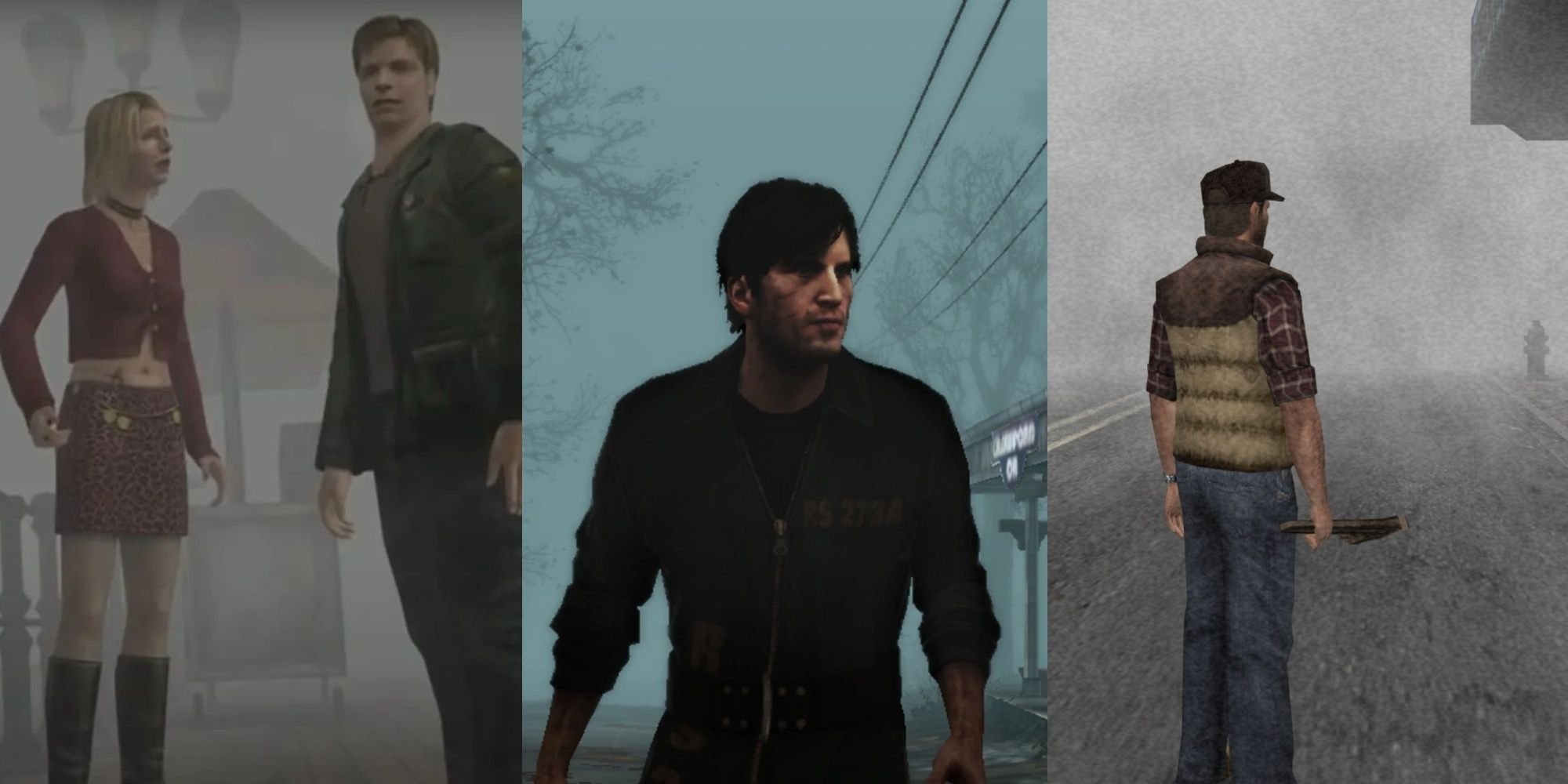
Yes, the Silent Hill games share thematic and narrative connections, often featuring recurring symbols and monsters, but they primarily function as individual stories within the same nightmarish universe.
The fog rolls in, familiar sirens wail, and you’re left wondering once more about those eerie towns. Are the silent hill games connected? It’s a question many fans ponder as they navigate through the unsettling landscapes and disturbing narratives. These games share a universe, with common elements weaving through them.
They each explore psychological horror through unique protagonists and terrifying personal demons. Although not direct sequels most of the time, you will find recurring themes and monsters which make you feel everything is related in a disturbing way.

Are the Silent Hill Games Connected?
The spooky town of Silent Hill has haunted gamers for years. With creepy monsters, twisted stories, and an atmosphere thick with dread, the games have become classics. But a big question often pops up: are the Silent Hill games connected? It’s not always a clear “yes” or “no.” Let’s dive deep into the fog and try to unravel the mysteries of this eerie series.
The Many Faces of Silent Hill
When we talk about the Silent Hill games, we’re not just talking about one continuous story. Think of it more like a collection of scary tales, all taking place in or around the same strange town. While some games have direct ties to others, many stand on their own, exploring new characters and their personal nightmares. This makes it a little tricky to definitively say they are all “connected.” It’s more like they are all part of a larger, interconnected web of psychological horror.
Exploring Different Types of Connections
There are various types of connections we see in the Silent Hill universe. These include:
- Direct Sequels and Prequels: Some games pick up right after the events of another. These are the most straightforward connections.
- Shared Setting: Many games take place in the same town, Silent Hill, but with different areas and different characters, offering a sense of continuity.
- Recurring Themes: Even when not directly linked, games often explore similar ideas about guilt, trauma, and the power of the subconscious.
- Recurring Characters: Some characters reappear in different games, sometimes in major roles, sometimes as cameos, offering subtle links between stories.
- Mythology and Lore: A deeper layer of shared connections exists in the recurring lore, religious beliefs, and the history of the town itself.
Understanding these different kinds of links helps us understand how the Silent Hill games are “connected.” It’s not one big, continuous storyline; it’s a shared world with consistent and recurring elements.
Games with Strong, Direct Ties
Let’s look at the games with the most obvious connections:
Silent Hill 1 and Silent Hill 3: A Family’s Nightmare
Silent Hill 3 is a direct sequel to the first game. It follows Heather, the adopted daughter of Harry Mason, the protagonist of the original game. The plot is interwoven with the consequences of the first game’s ending. Heather has to confront the cult’s lingering influence and her own mysterious past. This connection is very clear, making Silent Hill 3 essential for understanding the larger narrative of Silent Hill 1. It continues some of the themes and plot points initially introduced and expands on the lore. It also deals with the cult, called The Order, and their plans for the town and their god.
Silent Hill: Origins and Silent Hill 1: The Beginning of a Cycle
Silent Hill: Origins serves as a prequel to the first game. It tells the story of Travis Grady, a truck driver who gets pulled into the mysteries of Silent Hill. While Travis is not a directly related character to Harry Mason, his journey reveals key information about the town’s history. We get to see events that directly lead to the situation in Silent Hill 1. We see the rise of Alessa Gillespie, a young girl with tremendous psychic powers who is being used by The Order. It also shows the circumstances surrounding the fire that led to the events that begin the first game.
Through gameplay, it also reinforces the idea of how certain events in Silent Hill, can trigger personal manifestation of individuals, so it isn’t just the same town for everyone.
Games With More Subtle Connections
Many other Silent Hill games are not direct sequels or prequels, but they still share links to the world and overall themes:
Silent Hill 2: Exploring Personal Demons
Silent Hill 2 is arguably the most popular game in the series and is almost completely self-contained. The story follows James Sunderland, a man who goes to Silent Hill after receiving a letter from his deceased wife. The game is a deep dive into themes of guilt, repression, and the consequences of one’s actions. While not tied directly to the events of other games, it very much exists in the overall Silent Hill universe, using similar monsters and an oppressive atmosphere. It also shows how the town preys on the emotions and mental state of the person visiting it. Instead of a cult or an organization, it focuses completely on the individuals struggles and what they bring to the town. This makes the game feel connected thematically even though it does not have a connection in the plot.
Silent Hill 4: The Room: A Different Kind of Horror
Silent Hill 4: The Room, takes a unique spin on the series. You play as Henry Townshend who becomes trapped in his apartment and has to deal with the supernatural phenomena occurring in his world. Although the majority of the game does not take place within the town of Silent Hill, there are connections. We see the town in short bursts and a number of the monsters are the same as those seen in other games. The connection is less about the characters and more about the underlying themes and lore. We learn more about Walter Sullivan, a character tied to the cult who carries out many ritual killings and has an obsession with the room he grew up in. The overall tone and psychological aspect are completely in line with the other games, ensuring it’s still a part of the same overall universe.
Silent Hill: Homecoming and Silent Hill: Downpour
These later entries, Silent Hill: Homecoming and Silent Hill: Downpour, attempt to tell new stories but still pull from the established lore. Homecoming focuses on Alex Shepherd, a soldier returning home to find his family and town embroiled in a mysterious and terrifying situation. It involves a religious cult, a town with a history, and a family with secrets, all things we’ve seen in previous installments.
Downpour, meanwhile, follows Murphy Pendleton, a convict who gets stranded in Silent Hill. The town itself is very similar in design, and the game plays with similar themes of guilt and punishment. While not directly related to other games, these titles carry the spirit and feel of Silent Hill, and still explore a personal hell manifested by the town.
Thematic and Symbolic Connections
Beyond the direct plot links, the Silent Hill games share a lot of thematic ground:
The Power of the Subconscious
One of the most important aspects of Silent Hill is how the town reacts to the minds of the people who enter it. Each individual’s personal guilt, fears, and unresolved trauma, become the physical manifestations of monsters and the reality of the town. This makes the experience unique for everyone, and ties the games together. This theme is apparent in almost every game, although there are a few instances where the manifestations are coming from the town itself, due to the cult influence and the god-like entity.
Religious Cults and Disturbing Rituals
The religious cult, called The Order, is a recurring element in many of the games, especially Silent Hill 1, 3, and Origins. Their rituals, beliefs, and their search for the “god” are the focal points of the underlying lore. These recurring plot points give the games a sense of continuity and connection, even when the main characters and their stories aren’t directly linked. The cult is very much tied to the history of the town and is responsible for many of the events that play out.
Recurring Monsters and Imagery
Many of the creatures and visual elements are recurring throughout the series, even in games where the storylines are not directly connected. For example, the nurses, the Pyramid Head, and the foggy streets of the town, these become symbols of the series and give it a consistent aesthetic. These monsters are representations of each character’s personal demons and are not just random creatures that live in the town. This consistency in visual style connects all the games and helps tie them into a single universe.
The Otherworld
The shifting nature of Silent Hill, the way it can transform into a dark, rusted, nightmarish version of itself, is another recurring theme. This otherworld, is a manifestation of the subconscious, a place where the characters’ hidden fears and traumas become tangible. This concept adds a very strong psychological element to the games and adds to the overall creepiness and unsettling nature of the series.
The Silent Hill Universe: More Like a Web Than a Straight Line
So, are the Silent Hill games connected? The answer is nuanced. It’s not a single narrative that plays out in a strict order. Instead, it is more like a shared universe with interwoven plots, characters, and themes. Some games are directly tied through sequels or prequels, while others explore new corners of the same world. The real connection comes from the shared themes of personal struggle, psychological horror, and the ability of a place to manipulate the mind.
The town itself, Silent Hill, acts as a sort of anchor for all these games, a place of dread and mystery that draws in those with troubled pasts and hidden demons. Whether the connection is a direct sequel or a more subtle thematic resonance, the games all share a common thread in the way they explore dark themes and unsettling narratives. It is ultimately about the psychological impact the town and its monsters have on characters. This is the real link that connects all the Silent Hill games.
The Silent Hill series is like a tangled web, where each game is a thread that adds to the overall picture. To truly appreciate the series, you must look at the connections, big or small, and see how each game contributes to the overarching horror.
The Silent Hill series presents a fascinating case of interconnected storytelling. While not all games are direct sequels, they are all bound by the shared setting, thematic elements, and recurring symbols that create a cohesive and haunting universe. It’s a world where personal demons manifest into grotesque monsters, where the past haunts the present, and where the line between reality and nightmare is constantly blurred. This unique blend of psychological horror and eerie atmosphere is what defines the Silent Hill experience and makes its connections so compelling.
The Complete SILENT HILL Timeline Explained! | FULL STORY RECAP
Final Thoughts
The connections between Silent Hill games are loose, mostly thematic and symbolic. Each title explores similar psychological horror, but features distinct protagonists and towns. Recurring monsters and locations sometimes appear, suggesting a shared universe.
These shared elements don’t necessarily make a direct narrative connection. The concept of “are the silent hill games connected” is more about shared fears and lore than a single continuous story. They work well as stand-alone experiences with common thread.

