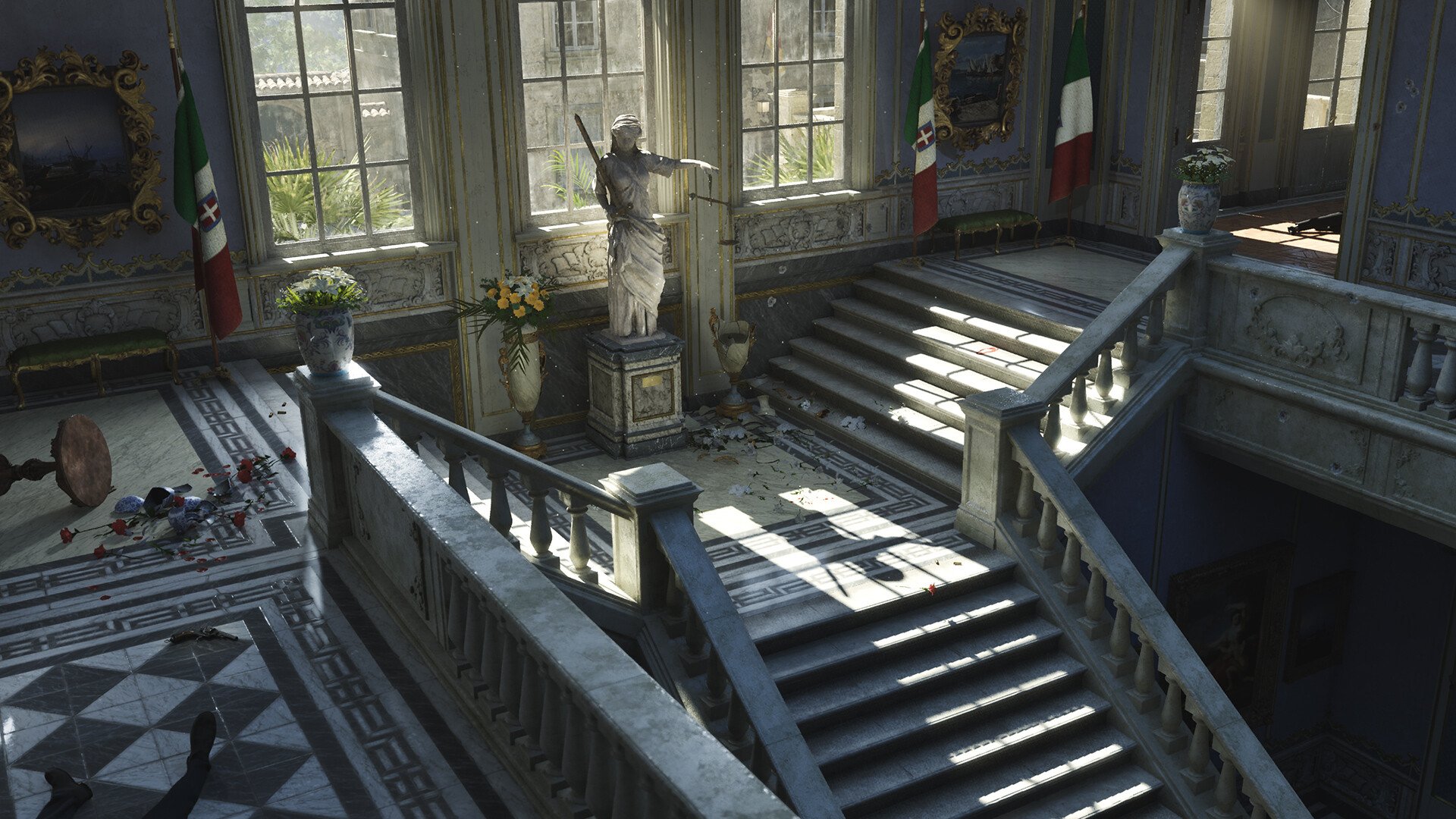
While Mafia: The Old Country captures a stylized version of Mafia life, the depicted social hierarchies within the Mafia family are generally accurate reflections of the real-world Cosa Nostra structure, albeit with some dramatic license.
Ever wondered how close video game portrayals come to real life? We’re diving deep into Mafia: The Old Country to see how well it represents the infamous Cosa Nostra.
Specifically, we’re asking the big question: are the social hierarchies within the Mafia family in Mafia: The Old Country accurate?
Let’s explore the game’s depiction of capos, soldiers, and bosses and compare it to what we know about the historical Mafia. We’ll find out where the game hits the mark and where it takes creative liberties.

Are the Social Hierarchies Within the Mafia Family in Mafia: The Old Country Accurate?
The Mafia: The Old Country video game depicts a complex social hierarchy within its fictional Mafia families. The accuracy of this depiction is a topic of great interest for players and those interested in Mafia history and culture. Let’s examine the game’s portrayal and compare it to historical and sociological accounts of real-world Mafia structures.
The game strives for authenticity in its representation of these structures. It is important to determine if it succeeds.
The Basic Ranks in Mafia: The Old Country
The game features a clear hierarchy. This structure is central to the gameplay and narrative.
- Associate: This is the entry-level position. Associates are not yet official members of the family.
Associates perform tasks for made men. They prove their loyalty and worth.
- Soldato (Soldier): A fully initiated member of the Mafia. Soldiers are the foot soldiers of the organization.
Soldiers carry out orders from their superiors. They participate in criminal activities.
- Caporegime (Captain): A captain is responsible for a crew of soldiers. Caporegimes manage their crew’s activities.
Caporegimes report to the higher-ranking members of the family. They ensure their crew meets its obligations.
- Consigliere (Counselor): An advisor to the boss. The Consigliere offers counsel and acts as a mediator.
The Consigliere is a trusted figure. They often have significant influence.
- Underboss: The second-in-command of the family. The Underboss assists the boss and is often the heir apparent.
The Underboss handles day-to-day operations. They step in when the boss is unavailable.
- Boss: The head of the Mafia family. The Boss makes all the major decisions.
The Boss has ultimate authority. They control the family’s activities and resources.
Comparing Game Representation to Real-World Mafia Structures
The game’s hierarchy closely mirrors real-world Mafia structures. This is based on research and historical accounts.
However, there are some simplifications. The game aims for accessibility.
Similarities
- Rank Names: The game uses authentic rank names. Soldato, Caporegime, Consigliere, Underboss, and Boss are all terms used in real Mafia families.
The use of these terms adds to the game’s authenticity. It shows an awareness of Mafia culture.
- Chain of Command: The game accurately depicts the chain of command. Orders flow from the Boss down to the soldiers.
This hierarchical structure is crucial to the Mafia’s operations. It ensures discipline and control.
- Importance of Loyalty: Loyalty is a central theme in the game. This reflects the importance of loyalty in real Mafia families.
Betrayal can have severe consequences. This is a constant threat in the game and in reality.
- Emphasis on Respect: Respect is another key element. It’s crucial for maintaining order and authority.
Disrespecting a superior can lead to punishment. Maintaining respect is vital for the family’s stability.
Differences and Simplifications
- Oversimplified Crew Structures: The game may simplify crew structures. Real-world crews can be more complex.
The game might not fully capture the nuances of crew dynamics. This is likely for gameplay reasons.
- Reduced Number of Families: The number of families depicted in the game may be limited. Real-world Mafia organizations can involve a network of interconnected families.
The game might focus on a few key families. This simplifies the narrative and gameplay.
- Simplified Initiation Rituals: The game might not fully explore initiation rituals. Real-world initiation ceremonies are often elaborate and symbolic.
The game might only hint at these rituals. The focus remains on the core gameplay mechanics.
The Role of the Boss in Mafia: The Old Country
The Boss is the supreme authority. Their decisions shape the family’s destiny.
- Decision-Making Power: The Boss makes all major decisions. They decide on criminal activities, alliances, and punishments.
This power gives the Boss a significant influence. They control the family’s resources and direction.
- Maintaining Order: The Boss must maintain order. This requires enforcing rules and punishing dissent.
Keeping everyone in line is crucial for stability. The Boss must be strong and decisive.
- Dealing with Rivals: The Boss must deal with rivals. This can involve negotiation, intimidation, or violence.
Rivalries are a constant threat. The Boss must protect the family’s interests.
The Importance of the Consigliere
The Consigliere is the Boss’s trusted advisor. Their counsel is invaluable.
- Providing Advice: The Consigliere provides advice on important matters. They offer a voice of reason and experience.
This advice can help the Boss make informed decisions. The Consigliere’s insights are crucial.
- Mediating Disputes: The Consigliere mediates disputes within the family. They help resolve conflicts and maintain harmony.
Resolving disputes peacefully is essential. The Consigliere’s mediation skills are vital.
- Representing the Boss: The Consigliere represents the Boss in important meetings. They act as the Boss’s emissary.
This role requires trust and discretion. The Consigliere must be a skilled negotiator.
The Underboss’s Responsibilities
The Underboss is second-in-command. They handle day-to-day operations.
- Overseeing Operations: The Underboss oversees daily operations. They ensure everything runs smoothly.
This requires strong organizational skills. The Underboss must be efficient and effective.
- Acting as a Liaison: The Underboss acts as a liaison. They connect the Boss to the lower ranks.
This communication is crucial. The Underboss ensures orders are carried out effectively.
- Preparing to Take Over: The Underboss is often being groomed to take over. They learn the ropes and prepare for leadership.
Succession planning is important. The Underboss must be ready to step up when needed.
The Caporegime’s Role in Crew Management
Caporegimes are crucial middle managers. They oversee crews of soldiers.
- Managing Soldiers: Caporegimes manage soldiers. They assign tasks and monitor their performance.
This requires strong leadership skills. The Caporegime must be able to motivate and control their crew.
- Collecting Tribute: Caporegimes collect tribute. They pass a portion of their crew’s earnings up the chain of command.
This tribute ensures the family’s financial stability. It is a crucial part of the Caporegime’s responsibilities.
- Recruiting New Members: Caporegimes recruit new members. They identify promising candidates and bring them into the fold.
Recruiting is vital for the family’s growth. The Caporegime must find loyal and capable individuals.
The Soldato’s Life and Duties
Soldatos are the foot soldiers. They carry out the family’s dirty work.
- Following Orders: Soldatos follow orders without question. They are expected to be obedient and loyal.
Disobedience can have severe consequences. Soldatos must be reliable and disciplined.
- Engaging in Criminal Activities: Soldatos engage in criminal activities. These can include extortion, violence, and theft.
This is the core of their role. Soldatos are the muscle of the organization.
- Earning Respect: Soldatos earn respect through their actions. They prove their worth and loyalty to the family.
Respect is crucial for advancement. Soldatos must demonstrate their commitment.
The Associate’s Path to Membership
Associates are outsiders. They aspire to become made men.
- Proving Loyalty: Associates prove their loyalty. They perform tasks for made men and demonstrate their reliability.
This is a crucial step. Associates must earn the trust of the family.
- Participating in Criminal Activities: Associates participate in criminal activities. They gain experience and show their willingness to break the law.
This involvement is a test of their commitment. Associates must be willing to cross the line.
- Waiting for an Opportunity: Associates wait for an opportunity. They hope to be sponsored by a made man and inducted into the family.
Patience is key. Associates must prove themselves over time.
Factors Affecting Social Mobility in the Mafia Hierarchy
Social mobility within the Mafia is limited. Several factors influence advancement.
- Loyalty: Loyalty is paramount. Betrayal is severely punished.
Those who are loyal are rewarded. They are more likely to rise through the ranks.
- Competence: Competence is essential. Individuals must be capable of performing their duties effectively.
Incompetence can lead to demotion or even death. The Mafia values efficiency and skill.
- Connections: Connections matter. Having influential sponsors can accelerate advancement.
Networking is crucial. Knowing the right people can open doors.
- Violence: A willingness to use violence is often necessary. The Mafia is a violent organization.
Those who are willing to commit violence are often rewarded. This is a brutal reality.
Potential for Corruption Within the Hierarchy
The Mafia hierarchy is vulnerable to corruption. Power can corrupt.
- Abuse of Power: Individuals can abuse their power. They might exploit their position for personal gain.
This can undermine the family’s stability. Corruption can erode trust and loyalty.
- Internal Conflicts: Corruption can lead to internal conflicts. Rivalries can erupt over power and resources.
These conflicts can weaken the family. Internal strife can be devastating.
- Informants: Corruption can create opportunities for informants. Disgruntled members might turn to the authorities.
Informants can bring down entire families. The threat of betrayal is ever-present.
The Game’s Accuracy in Depicting Power Dynamics
The game accurately depicts power dynamics. Players experience the consequences of their actions.
- Respect and Fear: The game captures the importance of respect and fear. Players must earn the respect of their superiors.
This creates a sense of tension and danger. Players must be careful not to offend anyone.
- Consequences of Disobedience: The game shows the consequences of disobedience. Players who defy orders are punished.
This reinforces the importance of loyalty. Players must follow the rules or face the consequences.
- Rewards for Loyalty: The game rewards loyalty. Players who are loyal are given more opportunities and responsibilities.
This motivates players to stay in line. Loyalty is the key to success in the Mafia.
Impact of Media Portrayals on Public Perception of Mafia Hierarchies
Media portrayals shape public perception. Movies, TV shows, and games all influence how people view the Mafia.
- Glamorization of Crime: Some media glamorizes crime. This can create a distorted view of the Mafia.
The reality of Mafia life is often brutal and unpleasant. Media portrayals may not always reflect this.
- Stereotypes: Media often relies on stereotypes. This can perpetuate harmful misconceptions about Italian-Americans.
Stereotypes can be damaging and inaccurate. It’s important to be aware of these biases.
- Educational Value: Some media offers educational value. Documentaries and well-researched fictional works can provide insights into the Mafia’s history and culture.
These portrayals can help people understand the complexities of the Mafia. It’s important to seek out accurate and informative sources.
Conclusion on Accuracy
Overall, Mafia: The Old Country strives for accuracy. The game’s depiction of Mafia hierarchies is generally consistent with historical accounts. However, some simplifications are necessary for gameplay purposes.
Mafia: The Old Country
Final Thoughts
Ultimately, Mafia: The Old Country simplifies the complex realities. While some core elements like the boss and soldier structure exist, the game likely prioritizes narrative over strict historical accuracy.
Many nuances of real Mafia families, such as varying levels of influence and regional differences, are smoothed over. The game presents a functional but possibly idealized portrayal.
Therefore, the answer to ‘are the social hierarchies within the Mafia family in Mafia: The Old Country accurate’ is a qualified yes. The game provides a simplified representation, and a must consider it more entertainment than a precise historical document.