
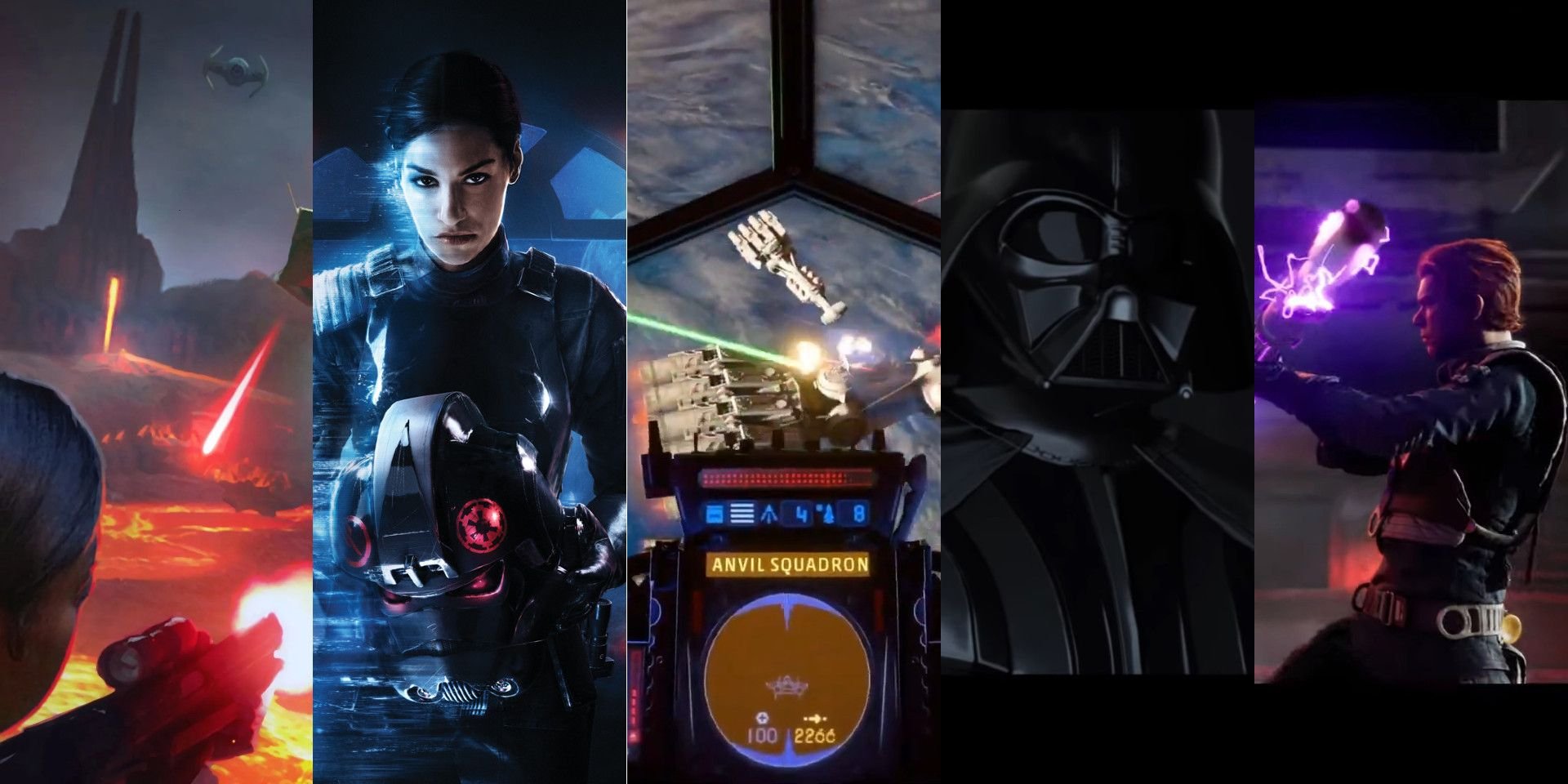
Many Star Wars games are considered canon when they are directly connected to the main story by Lucasfilm, others are part of Legends.
The question of what’s real within the expansive galaxy far, far away often arises, especially when we consider the wealth of content outside the films and shows. A common query, and one that sparks much debate, is this: are the Star Wars games canon? This seems simple but has many layers.
Some games, like Jedi: Fallen Order and Star Wars Squadrons, have a defined place within the current narrative. These tie directly into the known timeline and characters.
Other titles, however, fall under the “Legends” banner, meaning they are not part of the current canon. It’s an interesting distinction that shapes how we experience the Star Wars universe.

Are the Star Wars Games Canon?
Okay, let’s dive deep into the galaxy far, far away and talk about something that gets Star Wars fans buzzing: are the video games actually part of the official Star Wars story? It’s a bit like trying to figure out if the toys you played with as a kid are real artifacts from space! The answer isn’t a simple yes or no, so let’s break it down, like a Jedi Master explaining the Force to a young Padawan. The short answer is: some Star Wars games are considered canon, and some are not. But what does “canon” even mean in this context? That’s where we’ll start our journey.
What Does “Canon” Actually Mean in Star Wars?
Imagine the Star Wars universe as a big, interconnected storybook. “Canon” refers to the official chapters of this story, the ones that Lucasfilm, the company that owns Star Wars, has said are the real deal. These stories all connect to each other and help us understand what truly happened a long time ago, in a galaxy far, far away.
Think of it like a timeline. The canon stories are the main events on that timeline. Other stories, while fun and enjoyable, might be considered “Legends,” meaning they’re not officially part of that main timeline. This idea of canon helps keep the Star Wars story consistent, so that the characters and events all fit together. This way, we avoid having a character from one story show up in another without explanation. It allows us to have a coherent galaxy-wide narrative.
The Old Expanded Universe: Legends
Before Disney bought Lucasfilm, there was a ton of Star Wars content out there – books, comics, and lots of games! This was called the Expanded Universe (EU). Many of us grew up with those stories, playing games like Knights of the Old Republic and reading novels about Luke Skywalker’s adventures. These were considered canon at the time.
However, when Disney acquired Lucasfilm, they decided to create a new, more unified canon timeline. This meant that most of the Expanded Universe, including many of those beloved games, became “Legends”. They still exist, they’re still fun, but they’re not part of the official, continuing Star Wars story. They are now considered alternate timelines, and can be still enjoyed.
The New Canon: What Makes a Game Official?
So, if the old Expanded Universe is mostly Legends, what makes a Star Wars game part of the new canon? The biggest factor is Lucasfilm’s stamp of approval. They work closely with the game developers, giving guidance and making sure the story fits within the official Star Wars timeline. If a game tells a story that connects with the movies, TV shows, or other canon materials, there’s a good chance it will be considered canon.
This close collaboration is important because it ensures that the game’s story feels like a true part of the broader universe. It also means that events and characters introduced in these games can potentially show up in other canon materials, like books or tv shows, making the Star Wars story all the more engaging.
Key Elements of Canon Star Wars Games
What else makes these games canon besides Lucasfilm’s approval? Here are some things that help a Star Wars game make the cut:
Story Consistency: The game’s story has to align with the established timeline and events of the main Star Wars storyline. No messing with major moments from the movies or TV shows.
Character Integration: The game may introduce new characters but, it has to make sense within the context of the universe. And they must interact with the already existing characters seamlessly and logically.
Theme Alignment: Canon games keep the core themes of Star Wars intact, like the struggle between good and evil, the importance of family, and the power of hope.
Art Direction and Style: Canon games match the visual style and aesthetics of the movies and TV shows, making them feel like they are all part of the same world.
Examples of Canon Star Wars Games
Now, let’s get into the exciting part: which Star Wars games are actually canon?
Here’s a look at some of the most notable canon Star Wars games:
Star Wars Jedi: Fallen Order and Star Wars Jedi: Survivor: These games tell the story of Cal Kestis, a Jedi Padawan who survived Order 66. These are huge parts of canon, expanding upon the years between Episode III and Episode IV. Cal’s journey is now part of the official narrative, and who knows if we will see him in more Star Wars adventures.
Star Wars: Squadrons: This game puts you in the cockpit of starfighters during the Galactic Civil War. While the story focuses on new pilots, it’s firmly set within the canon timeline and connects with the events of that era. This game adds to the overall war story, even if it is from the perspective of less well-known characters.
Star Wars: Battlefront II (Single-Player Campaign): While the multiplayer aspects are more game focused, the campaign tells the story of Iden Versio, an Imperial special forces commander. It delves into the end of the Empire after Return of the Jedi and also shows us the perspective of the imperial side, which is not so often explored.
These games, among others, are all officially part of the canon, meaning their stories are as real as the events in the movies and shows. They help expand our understanding of the Star Wars universe.
Why Are Some Games NOT Canon?
Okay, so we know what makes a game canon. But why are some games, even really popular ones, not part of the main timeline? Here are some common reasons:
Timing: Some games were made before the current canon rules were put in place. This is why so many games from the old Expanded Universe are now Legends.
Story Conflicts: Sometimes a game’s story might not fit well with the overall storyline of the new canon. For example, some games might change important character details or add events that conflict with what is established in the movies or other shows.
Focus on Gameplay Over Story: Some games are more about fun gameplay and less about telling a specific story that aligns with the main canon. That doesn’t make the game less enjoyable, it just means the stories don’t fit in the official narrative.
How Does Canon Affect the Games?
Being canon isn’t just a label; it impacts the games themselves in significant ways. Developers working on canon games need to:
Stick to the Established Rules: They can’t change major character details or plot points that are already set in stone in movies or tv shows.
Work Closely with Lucasfilm: The developers collaborate with Lucasfilm story teams to ensure everything fits into the official timeline.
Create New Characters and Stories That Fit: They have to introduce new elements in a way that enriches, and doesn’t disrupt the canon narrative.
All of these restrictions are what makes it an engaging process for all the creators working on any of the canon games. The results are something that fans can appreciate.
The Impact of Legends Games
Even though Legends games aren’t part of the main canon, they still have a huge impact on the Star Wars universe.
Inspiration for New Content: Many characters and storylines from Legends have inspired new canon content. For example, the planet Rakata Prime, first introduced in the game Knights of the Old Republic, is now referenced in canon stories.
Fan Favorites: Many games, like Knights of the Old Republic, are still beloved by fans, and their stories are celebrated by the community.
Exploring Different Timelines: Legends allows for exploration of different, non-canon timelines, giving creators more freedom to experiment.
Navigating the Star Wars Games Landscape
So, how can you, as a Star Wars fan, navigate the different types of Star Wars games? It’s simple. Just keep an eye out for official announcements from Lucasfilm. When a new Star Wars game is released, it’s typically very clear if it’s considered canon. And remember, just because a game is Legends, it doesn’t mean it’s less fun. It just means it isn’t officially a part of the main story.
Here’s a quick guide:
| Game Type | Canon Status | Examples | What To Expect |
| :———- | :———– | :——————————————————————————– | :—————————————————————————————————————————————- |
| Canon Games | Official | Star Wars Jedi: Fallen Order, Star Wars: Squadrons, Star Wars: Battlefront II | These games tell stories that officially fit within the main Star Wars timeline. They are consistent with the movies and TV shows. |
| Legends Games| Not Official | Knights of the Old Republic, The Force Unleashed, Star Wars Galaxies | These games tell great stories, but they are not part of the main canon timeline. They offer different takes on the Star Wars universe. |
It is still fun to enjoy the Legends games, and to experience the overall expanded universe. They are equally amazing and can be fun to play.
Why Canon Matters for Some Fans
For some fans, the idea of canon is really important because it helps the story feel unified and consistent. It’s like being able to follow one clear path through a vast, exciting universe. It helps us understand, and connect with the characters in a consistent way.
Knowing what is canon helps fans piece together the big picture and allows them to speculate on upcoming events. The official canon also helps the creators focus their energies on the stories that matter to most of the fans.
The Star Wars gaming landscape can be as varied and vast as the galaxy itself. Some games are officially part of the canon, while others exist as “Legends,” alternate stories from the same source. Each type offers its own unique experience. The important thing is to enjoy the many adventures that Star Wars has to offer, whether they’re officially part of the main timeline or not. It’s an epic ride, wherever you choose to go in the Star Wars universe.
With a clear understanding of canon, one can appreciate the different facets of this beloved franchise, and immerse themselves fully in the Star Wars experience. Whether it is exploring new planets, flying spaceships, or meeting unique characters.
5 Star Wars Video Games That Should Still Be Canon
Final Thoughts
The canon status of Star Wars games is complex. Some games, like Jedi: Fallen Order, are definitively part of the official timeline. Other titles, specifically older ones, usually fall under the “Legends” banner.
Generally, if a game was released after Disney’s acquisition of Lucasfilm, it must be reviewed individually to determine its canon placement. So, are the star wars games canon? It depends entirely on the specific game.

