
Generally, the Sword Art Online games are connected through shared characters, settings, and plot elements, but each follows a mostly unique storyline.
Have you ever jumped into the virtual world of Sword Art Online and wondered if all those game adventures tie together? It’s easy to get lost in the different timelines and unique stories. So, are the sword art online games connected?
Well, that’s the question many fans ponder as they explore Aincrad or venture into new VRMMORPGs. While each game presents a self-contained narrative, common threads run through them. This shared universe makes experiencing each title a richer experience, despite the largely independent story lines.

Are the Sword Art Online Games Connected?
The world of Sword Art Online (SAO) is vast, spanning anime, manga, light novels, and a whole host of video games. With so much content, it’s natural to wonder: are the Sword Art Online games connected? The short answer is: it’s complicated! They aren’t all one big continuous story, but they do share a lot of common threads and references that make them feel part of the same extended universe.
Understanding the Different SAO Game Timelines
Instead of a single, straightforward timeline, the SAO games branch out into several separate, but interwoven, storylines. This can be a little confusing, so let’s break it down:
The Main Game Timeline
This is where most of the games fit, and it often expands on the core narrative established in the anime and light novels. It focuses on the adventures of Kirito and his friends, and usually includes these game titles:
- Sword Art Online: Infinity Moment (PSP)
- Sword Art Online: Hollow Fragment (PS Vita, PS4)
- Sword Art Online: Lost Song (PS Vita, PS3, PS4)
- Sword Art Online: Hollow Realization (PS Vita, PS4, PC)
- Sword Art Online: Fatal Bullet (PS4, Xbox One, PC, Nintendo Switch)
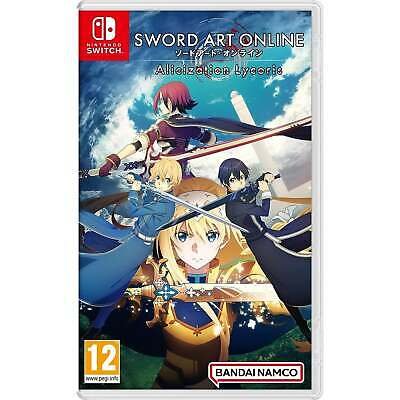
- Sword Art Online: Alicization Lycoris (PS4, Xbox One, PC, Nintendo Switch)
This timeline usually starts with an alternative ending to the original Aincrad arc, or picks up afterwards, creating new possibilities and challenges for the characters. It’s like a “what if?” scenario that allows for original stories while still keeping core elements of the SAO world.
Key Characteristics of the Main Timeline:
- Continuity: The games in this timeline usually acknowledge events from previous entries, meaning there’s a sense of progression.
- Character Development: Characters evolve through the game series, often growing in power and personality, and forging deeper bonds.
- Altered Story Arcs: Expect to see familiar plot points with twists and deviations, offering fresh perspectives on the original SAO narrative.
The “Alternative” Game Timelines
There are a few games that don’t quite fit into the main timeline but also exist within the extended Sword Art Online Universe. These games often feature alternate stories or focus on entirely new characters. Examples of these include:
- Sword Art Online: Integral Factor (Mobile)
- Sword Art Online: Memory Defrag (Mobile – Service Ended)
- Sword Art Online: Rising Steel (Mobile – Service Ended)
These often present unique experiences, sometimes retelling familiar story arcs from the anime or providing original content with different gameplay mechanics and characters, without necessarily tying directly to the main game timeline.
Key Characteristics of the “Alternative” Timelines:
- Self-Contained Stories: These games often have plots that are separate from the main timeline, sometimes using the same characters but with different scenarios.
- Mobile Focus: Many of these titles are mobile-based, aiming for shorter bursts of gameplay rather than extensive, console-based adventures.
- Gacha Elements: Often includes gacha mechanics for obtaining characters, weapons, and items.
Spin-off Games
Finally, there are games that are clearly spin-offs, not following the mainline story and offering a distinct experience:
- Accel World vs. Sword Art Online: Millennium Twilight (PS Vita, PS4, PC)
- Sword Art Online: Lycoris All-Stars (Mobile)
These games will crossover characters and elements, but might sit in their own little bubble rather than forming a chain. The big crossover game, Accel World vs. Sword Art Online, is fun but it exists in a separate world, combining the SAO universe with the Accel World anime series.
Key Characteristics of Spin-Off Games:
- Crossover Content: Games like Accel World vs Sword Art Online bring together characters and worlds from different series.
- Unique Gameplay: These games often experiment with different mechanics, offering a fresh experience for those familiar with SAO games.
- Limited Connection: While they often reference the main series, these games do not necessarily contribute to the overall canon of the main game timeline.
How the Games Connect: Shared Elements
Even if not all the games are in one single story, they still connect with some very interesting ways:
Recurring Characters
Kirito, Asuna, and their friends are the core of the SAO universe, and they are present in almost every game, whether the main timeline or alternative ones. While their roles may be altered slightly, their presence ties the entire game series together. Recurring faces and relationships create a strong sense of familiarity, making you feel part of a larger, connected world. Even in mobile titles or spin-offs, you can usually find your favorite characters in some form.
Shared Game Mechanics
Many games share similar gameplay mechanics, such as combat systems, skill trees, and item crafting. These shared mechanics help create a consistent experience across different titles. For example, the focus on action-RPG combat is present in most games, helping to make them all feel like they belong to the same extended universe. Even if some titles have more traditional RPG elements and others lean towards action, the overall feeling of being in an SAO game is usually present.
Consistent Visual Style
The visual style and art direction are consistent across the games, helping to tie everything together. Characters, environments, and menus all share a similar aesthetic, making it easy to recognize the SAO universe. The designs are usually based on the anime and light novels, creating a cohesive visual experience for the player, wherever they choose to jump into the game series. This common visual style gives a sense that you are experiencing different parts of the same world.
Lore and Worldbuilding
Each game expands on the lore of the SAO universe, often adding new details about in-game worlds, systems, and technologies. This consistent expansion of the world’s knowledge helps to solidify the connection between the different games. Even if not directly linked story-wise, each title adds a piece to the overall puzzle of the world, and how it operates. This worldbuilding makes it easier to see the whole collection of games as part of a larger, richer experience.
References and Easter Eggs
Developers often include references to other games in the series, or to events from the anime and light novels. These little Easter eggs and nods to the broader SAO universe make the games feel connected and rewarding for long-time fans. They aren’t always essential, but they are delightful when you notice them, further cementing the idea of a shared experience. This also encourages players to explore other titles in the series to understand the various callbacks fully.
Character Relationships and Development
While each game has its own storyline, the core relationships between characters are maintained. Their bonds evolve from game to game, even in alternative storylines. This creates an emotional connection between titles and gives a sense of continuation for the characters’ personal stories. It’s fun to watch characters grow and change across different games, even if the overall plot is different.
Playing Order: Where to Start?
Given the complex connections, where should you begin if you want to get into the SAO games? Here are some suggestions:
For the Main Timeline Focus
If you want to experience the core game timeline, it’s best to start with:
- Sword Art Online: Hollow Fragment (or the enhanced Re: Hollow Fragment) This is a good starting point that expands upon the events of the original Aincrad arc and the “Hollow Area”.
- Sword Art Online: Lost Song This is the second game in the main timeline, bringing the characters to the magical realm of ALfheim Online (ALO).
- Sword Art Online: Hollow Realization This is the third entry and continues the adventures of the core cast, adding new characters and introducing a new virtual world.
- Sword Art Online: Fatal Bullet This game changes gears with the world of Gun Gale Online (GGO), with new characters and action-focused combat, but still has strong ties to the core series.
- Sword Art Online: Alicization Lycoris This is the latest in the core series, exploring the expansive “Alicization” arc and its related world.
This order will give you a sense of the story unfolding. Keep in mind that the games have an in-universe order of release that they generally follow, so this list goes in a way that provides a sense of story progression.
For Experiencing Different Stories
If you prefer self-contained stories or exploring alternate timelines, you can pick up games like:
- Sword Art Online: Integral Factor (Mobile): A very cool game where you play as a beta tester, and even though the story doesn’t continue from game to game, it still offers fun content.
- Accel World vs. Sword Art Online: Millennium Twilight: A fun crossover game that doesn’t fit in the main timeline, but is a blast to play for fans of both franchises.
These titles offer unique gameplay experiences, without necessarily requiring knowledge of other games in the series.
A Note on Accessibility
The availability of older SAO games may vary depending on the platforms you have access to. Some are available on multiple platforms, while others are exclusive to older consoles. Make sure to check compatibility before making a purchase.
In conclusion, while the Sword Art Online games aren’t all part of a single, straightforward narrative, they’re intricately connected through shared characters, mechanics, visual styles, and worldbuilding. Each game adds its own layer to the vast SAO universe, creating a rich and rewarding experience for fans. Whether you’re a seasoned player or new to the series, there is an SAO game out there for you to enjoy, and a large world to explore. It is best to look at the main games as a connected story, and the others as nice additions that can be played anytime for enjoyment of the different takes on the same characters.
Which Sword Art Online Game Should You Get First?
Final Thoughts
The Sword Art Online game series presents a mostly separate narrative experience from the anime. Some games do include characters or elements from others, creating a sense of a shared world but not a direct, interconnected storyline. It’s best to view each title as its own self-contained adventure.
While there are callbacks and some overlapping themes, a player does not require playing prior games to enjoy the later ones. This makes them more like individual stories within the universe. Therefore, the answer is no, are the sword art online games connected in a crucial way.

