
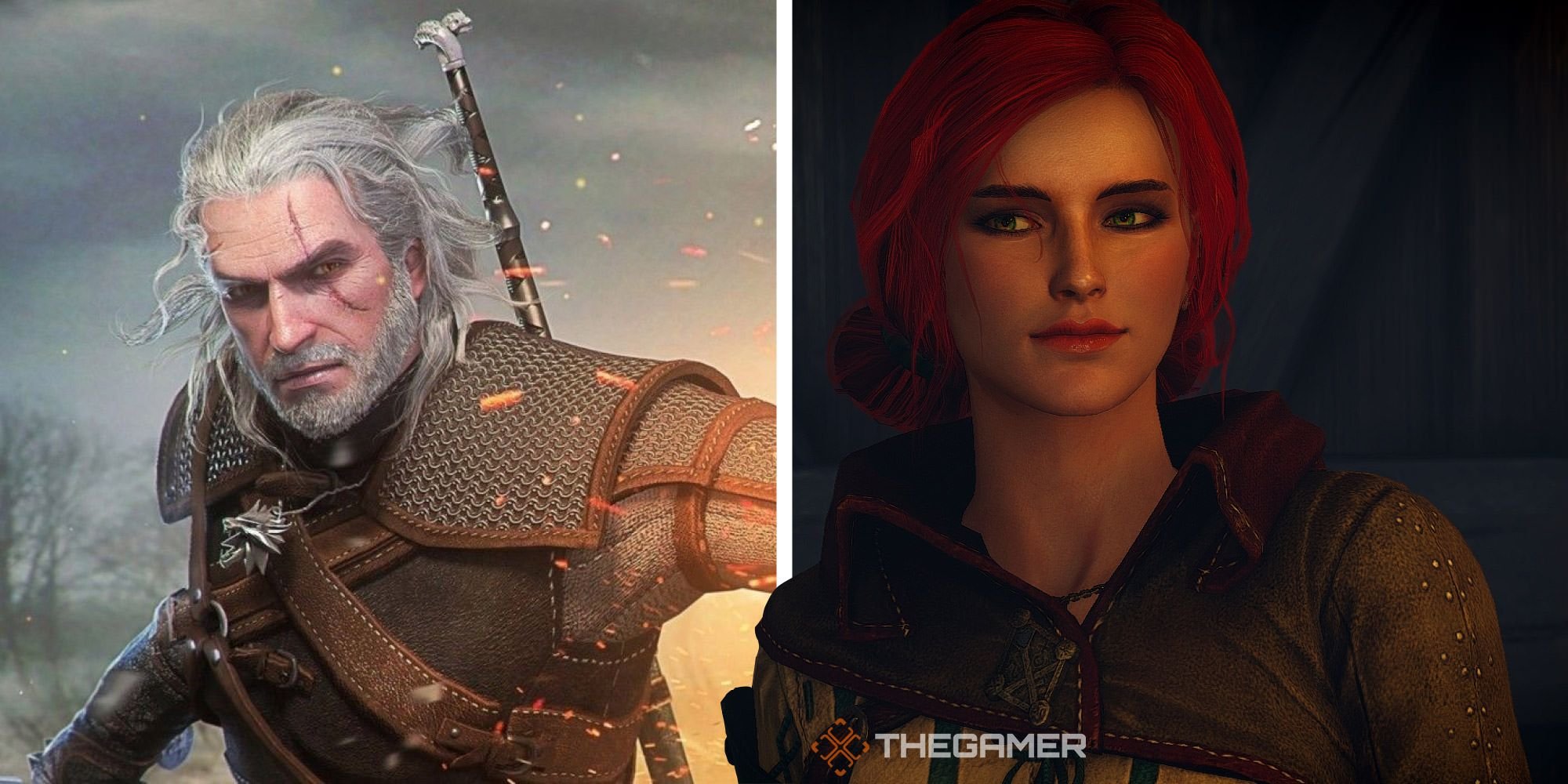
The Witcher games are considered non-canon to the main book series narrative but do exist within their own separate continuity.
The debate rages on among fans: are the witcher games canon? It’s a question that often pops up after a deep dive into Geralt’s world. Many new players experience the games first, then wonder how it fits within the source material.
This question stems from the fact the games’ story continues after the book’s events. The writers of the games took inspiration from the books, creating their own unique path for Geralt. This creates an interesting situation for fans.

Are the Witcher Games Canon? Untangling the Timeline
The world of the Witcher, created by Polish author Andrzej Sapkowski, is vast and intricate. It’s not just the books that have captured our imaginations; the video game series by CD Projekt Red has also become incredibly popular. This leads to a big question for many fans: are the Witcher games actually part of the official story, or are they just a fun side-adventure? This is a topic with many layers, so let’s dig into it and try to make it clear.
Understanding Canon in The Witcher Universe
Before we can decide if the games are canon, it’s important to understand what “canon” even means in this context. Think of canon as the official storyline, the real events that “actually” happened in the Witcher world. It’s like the backbone of the entire story, and all the other elements should connect to it.
The Author’s Perspective: Andrzej Sapkowski’s Stance
Andrzej Sapkowski, the author of the Witcher book series, has a very specific idea about what’s canon. For him, the books are the only real story. He sees the games as a fan-made creation based on his books, rather than an extension of the official narrative. He’s even said things that suggest he views them as a sort of ‘fanfiction.’ While he acknowledges their popularity and impact, he doesn’t view them as part of his own canon.
This means that events in the games – even the big choices Geralt makes – are not considered by Sapkowski to be official story events. It’s like an alternate reality, following the rules of the book world, but not really part of its primary timeline.
CD Projekt Red’s Interpretation and Approach
CD Projekt Red, the studio that created the Witcher games, took a different approach. They have enormous respect for Sapkowski’s books, and they created the games as a continuation of the story after the book series ends. They wanted to keep the same feel and tone as the books, and made sure to bring back characters that fans loved. However, they also wanted to craft a unique story and make games that were fun for players to play.
The game developers never said the games are exactly a direct adaptation of the book’s timeline. Instead, they aimed to craft what they call ‘sequel,’ but not a completely canon one, it is more like a very close story that fits the world perfectly. That’s why they made some new characters and added storylines. They were telling their own story, set within the world of the books, but not part of the author’s official timeline.
The Games as a “What If” Scenario
Instead of thinking of the games as 100% canon, it’s helpful to think of them as a “what if” scenario. The games explore what could have happened to Geralt and his friends after the events of the books. It’s like a fantastic fan-made story that has amazing writing, fantastic graphics, and plenty of choices for the player to make.
Why the Games Feel So Canon
Here are some of the main reasons why many fans consider the games a part of the Witcher’s story, even if not officially canon:
- Faithful World Building: CD Projekt Red put a lot of effort into keeping the world of the games true to the books. They used the same descriptions for places, people and monsters, so everything feels familiar for readers.
- Character Continuity: Characters act the way they would in the books. Geralt is still a grumpy but good-hearted witcher, and characters like Yennefer and Triss still have their own unique personalities.
- Themes and Motifs: The games deal with a lot of the same themes found in the books, like racism, choices, consequences, and the gray areas between good and bad.
- Extensive Lore: The games introduce new and exciting things into the lore. While the story is new, many of the details about the world, such as different creatures and places, are very lore-accurate.
Key Differences and Conflicts Between the Books and Games
While the games feel like a natural continuation, there are some important differences that make it clear they are not 100% aligned with the books:
Character Departures
Certain characters’ fates in the games do not line up with their fate in the books. Some characters who die in the books show up alive in the games, and some characters act in a way that seems different from their book personas. These inconsistencies show that the games are going off in their own direction, taking a different path than the books.
Storyline Divergences
The main storyline of the games, especially The Witcher 3, contains many big plots that did not happen in the books. These storylines often involve political intrigue and personal choices that can affect the fate of the game world. These storylines have never been mentioned or hinted in the books.
Choice and Consequence
The games are all about choice. Players get to make decisions that can have big effects on how the story plays out. This makes the game experience different for each person playing the game, which is impossible to reconcile with a single, fixed canon. While the books do portray choices, they are not as dramatic and do not have such a significant effect on the events like in the game.
Fan Theories and the Multiverse Concept
Some fans have come up with creative ideas to try and combine the books and the games into one big story. One popular theory involves the concept of a multiverse, a set of infinite universes existing alongside each other.
The Idea of Alternate Realities
The multiverse theory proposes that the games are set in a separate reality from the books. In this theory, each reality follows the same rules and history of the Witcher’s world but can have different key events and different stories. This can explain why some characters die in the books and live in the games and why some events are different between the two. It allows both stories to exist without contradicting each other.
How the Multiverse Idea Works
Here’s how the idea might fit together:
- The book series represents the “main” reality, where events happened the way Andrzej Sapkowski wrote them.
- The games are an alternate reality that starts where the books end but takes a slightly different turn.
- Characters in the games are similar to the book versions but can still have different personalities and different fates.
- The decisions players make in the game define that specific reality, leading to multiple different outcomes.
This is a creative way to view both the books and the games and allow fans to enjoy both without having to say one is more important than the other.
The Impact of the Games on the Witcher Community
Even if the games aren’t considered canon by the creator, they have greatly affected the popularity and recognition of The Witcher world. It’s hard to imagine the world today without the games, and they have made a lot of people into fans of The Witcher.
Introducing New Fans
Many people got to know The Witcher series through the video games. The games acted as a great introduction to the world, and made many players read the books. They made the Witcher a global phenomenon. This has helped the books and the overall franchise to gain more popularity.
A Bridge to Other Adaptations
The success of the games has likely had an effect on the creation of other adaptations of The Witcher story, including the Netflix series. The Netflix show has characters and storylines from the books, but the popularity of the games may have played a part in the Netflix series success.
Community Engagement
The games have created a vibrant and devoted community of fans. People talk about their favorite parts of the books and games and create their own art, videos, and stories related to this fascinating world. This is something that shows how important both the books and games are to fans of the Witcher series.
So, Are They Canon or Not? A Summary
To sum it up, here is a simple way to understand the idea of canon in the Witcher series:
- Books are Canon: For Andrzej Sapkowski, the books are the only official story.
- Games are Not Canon (Officially): The games by CD Projekt Red are not considered a part of Sapkowski’s official timeline.
- Games as “What If”: The games can be viewed as a unique story set in the same world, exploring what could have happened, but not what officially happened in the book’s story.
- Fan Interpretations: Many fans, especially game fans, will have their own views, theories, and opinions on how the story should fit together.
In the end, it is up to each fan to decide how the games fit into the world of the Witcher. There isn’t a right or wrong answer, and the most important thing is that you enjoy the different stories in the Witcher series.
Ultimately, the games provide a rich, engaging, and emotionally resonant experience that expands the world of the Witcher. While not strictly canon, their impact and contribution to the franchise cannot be denied. They serve as a testament to the power of storytelling and the way different creators can bring a story to life in unique ways, offering new ways for fans to experience the characters and the world we have come to love.
Are the Witcher Games Canon to the books?
Final Thoughts
The Witcher games present an alternate path for Geralt after the books. They don’t strictly follow the novel’s ending but build upon the established world. Therefore, the games exist within their own separate canon.
Many fans treat them as a ‘what if’ scenario rather than direct continuations. This is important for understanding character development across different mediums. So, ultimately, the question of ‘are the witcher games canon’ has no simple yes or no answer.
They are canon in their own interactive, video game universe but must not be viewed as direct sequels to the books.

