
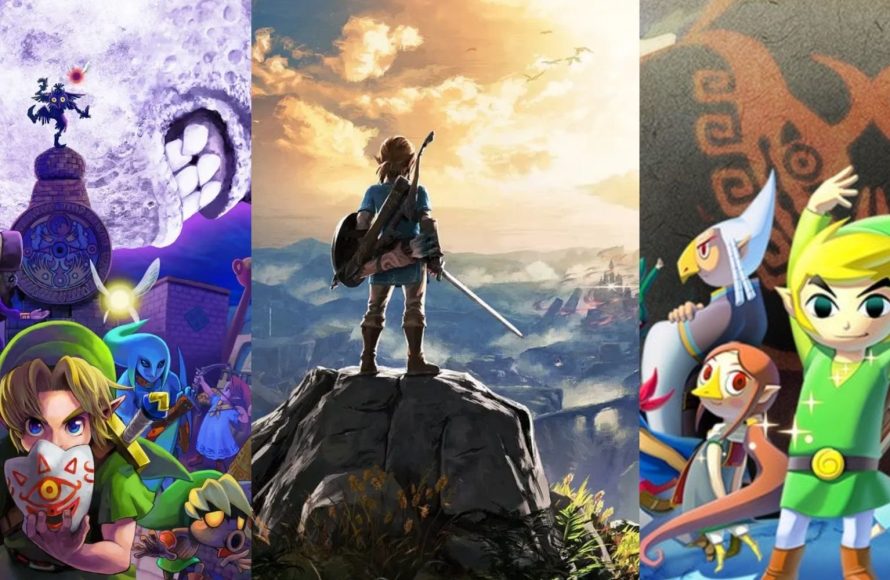
The Zelda games are connected, but not in a simple, linear way; they often exist within various timelines and cycles of reincarnation and recurring themes.
The sprawling world of Hyrule, with its heroic Link and Princess Zelda, has captivated gamers for decades. But a question constantly echoes among fans: are the zelda games connected? The answer, while not straightforward, involves a complex web of timelines and shared lore.
Different eras, versions of characters, and cyclical narratives shape the Zelda universe. These interconnections make it a fascinating topic for discussion and speculation. Figuring out where each game fits can sometimes feel like a puzzle.

Are the Zelda Games Connected?
The world of Hyrule, with its brave hero Link, the wise Princess Zelda, and the ever-present evil of Ganon, has captured the imaginations of gamers for decades. But one question often pops up among fans: are all the Zelda games connected? It’s a puzzle with many pieces, and piecing them together is a big part of what makes the Legend of Zelda series so fascinating. The answer is not a simple “yes” or “no,” but more like a “it’s complicated!” Let’s dive into the lore, timelines, and different stories that make up this beloved franchise, and see if we can find the threads that tie them all together.
The Official Zelda Timeline
For many years, fans debated how the different Zelda games fit together. Nintendo finally stepped in and released the official Zelda timeline in the book Hyrule Historia in 2011. This book outlined the official order and placement of the games. It wasn’t exactly a straight line; instead, it presented a complex branching timeline. It’s important to understand that not all Zelda games happen one after the other. The timeline is split due to the events that happen at the end of Ocarina of Time, the first 3D Zelda game. It is very important to know, many believe Ocarina of Time is the pivotal point in the entire series. How Link uses the power of the ocarina, ultimately decides the fate of Hyrule, and its timeline.
The Split Timelines: What Happened in Ocarina of Time
At the conclusion of Ocarina of Time, Link is sent back in time by Zelda to his childhood to prevent Ganondorf’s rise to power. What happens after this is the core of timeline splits:
- The Child Timeline: In this timeline, Link travels back in time and warns the royal family about Ganondorf’s treachery. Ganondorf is captured and there is a long period of peace. This timeline leads to games such as Majora’s Mask, Twilight Princess, and Four Swords Adventures. In this path, Link’s childhood continues, he never returns to the future as an adult.
- The Adult Timeline: In this timeline, Link succeeds in the future, but Ganondorf has already done a lot of damage, and the land of Hyrule gets flooded because of his actions, which leads to the game The Wind Waker. This timeline also leads to Phantom Hourglass, and Spirit Tracks.
- The Downfall Timeline: This timeline occurs when Link fails in his mission during the final battle of Ocarina of Time. Ganondorf defeats Link, and this leads to several classic games like the original Legend of Zelda, A Link to the Past, Link’s Awakening, and Oracle of Seasons/Ages.
The existence of these timelines can be difficult to understand because many games happen in different timelines and time periods. This is why, the official Zelda timeline is so interesting and complex.
Key Elements that Connect the Games
Even with the split timelines, there are many recurring themes and elements that connect all the Zelda games. Think of them as the glue that holds everything together, even when the stories go in different directions.
Recurring Characters
- Link: Although there are many Links, each is a reincarnation of the hero. He’s always courageous and always destined to fight evil. Sometimes, he is the same Link from the previous games, but most of the time, he is a new hero with the same spirit.
- Zelda: Like Link, Princess Zelda is reincarnated. She is always wise, and she is always the princess of Hyrule. She often has to use her powers and knowledge to help Link. Her role varies from game to game.
- Ganon/Ganondorf: The main villain is Ganon, and sometimes he appears as his human form, Ganondorf. He is the source of evil in Hyrule. He is constantly seeking the Triforce and the power that comes with it.
The Triforce
The Triforce is a golden relic of three triangles. It’s a symbol of ultimate power, and its pieces are often a major focus of the story. Each triangle represents a powerful concept:
- Power: Represented by the golden triangle, the Triforce of Power is usually associated with Ganon.
- Wisdom: Also a golden triangle, the Triforce of Wisdom belongs to Zelda.
- Courage: Again, the golden triangle, this represents Link.
The Triforce is not always whole in the games. Sometimes its pieces are scattered, and Link or Zelda, or both must come together to find them. When used together, the Triforce holds immense power that can shape the world.
The Master Sword
The Master Sword is a magical sword that Link often uses to defeat evil. It’s a blade that only the hero can wield and it usually contains the power to banish or harm evil.
Recurring Locations and Races
- Hyrule Castle: The center of Hyrule, the castle has been in the series from the very beginning.
- Kakariko Village: A small village that appears in many games. It’s often a peaceful place with a few secrets.
- Kokiri Forest: A place where forest children are protected. This location appears in the Child Timeline.
- Zora’s Domain: Home of the Zora, a race of water people who are peaceful and helpful to Link.
- Goron City: Home of the Goron, a race of strong rock people who are typically kind and helpful to Link.
These recurring locations help the series feel connected, and they give a sense of familiarity to the players, even though the games are placed in different timelines.
Similarities in Gameplay
While each Zelda game has its own unique story and charm, many gameplay elements remain consistent across titles. These similarities help make each game feel like part of the same overarching series.
Dungeons and Puzzles
Each Zelda game features several dungeons. They are filled with puzzles, monsters, and a big boss at the end. Solving puzzles and figuring out how to get through the dungeons is a major part of the game. Every dungeon ends with you getting an item that will help you with the puzzles and enemies, both in the current dungeon, and the dungeons in the future. This system gives the players a sense of progress and reward.
Equipment and Items
Link collects equipment and items like bows, bombs, and boomerangs. These items are essential to beating the game and solving the puzzles. While the specific items may vary from game to game, they all serve a similar purpose, and give a sense of recognition to the players. For example, the hookshot that allows Link to grapple from distance is a must-have item in almost all the games.
Combat System
The combat system is usually easy to pick up, and each new game builds upon previous ones. Link often uses a sword and shield and has to learn different combat moves to beat the enemies. Fighting the enemies and learning to fight better, is a big part of the Zelda series.
Differences and Exceptions
While there are many things that connect the Zelda games, there are also some differences and exceptions. These differences make each game unique and special.
Standalone Games
Some Zelda games don’t seem to fit neatly into any of the official timelines. This includes games like Link’s Awakening, The Minish Cap, Tri Force Heroes, and Four Swords. Although they have common elements, their place in the timeline is difficult to pinpoint. Some argue that they are located in the timeline somewhere after the other Zelda games, while some argue, they are placed before some of the other Zelda games. The timeline placement of each of these games is always a big topic of discussion amongst the community.
Art Style Changes
The visual style of the Zelda series has changed a lot over the years. From the pixel art of the early games to the cel-shading of The Wind Waker to the detailed worlds of Breath of the Wild and Tears of the Kingdom. These changes show how the series has grown and developed over time, but, they sometimes make it difficult to connect the games, and their worlds in our minds. However, these visual changes make the series special and keep them fresh.
New Interpretations of the Legend
Each new Zelda game introduces new ways to tell the story of Link, Zelda, and Ganon. The overall narrative is consistent, but many details can change and give new interpretations of the legend. For example, the Sheikah race and its technology are very important in Breath of the Wild and Tears of the Kingdom, and not that much in other titles.
The Zelda Timeline: A Living Document
The Zelda timeline is not set in stone. Nintendo is always adding new games to the series. Each new game changes the established timelines. This makes the discussion even more interesting. Breath of the Wild and Tears of the Kingdom are good examples of this. They have introduced some new mysteries in the lore, and how these games fit in the timeline is something the community is still debating. But, these changes and mysteries only make the series more interesting and give the fans something to think about. The mystery keeps the community engaged.
Why the Connection Matters
The question of whether the Zelda games are connected isn’t just for die-hard fans. The complex timeline and the shared elements give the series a sense of depth and history. Every game, whether it’s set in the past, present, or future, feels like it is part of something bigger. The connections in these games make the series more engaging, because it allows the players to make connections between the different games and understand the recurring story.
The connected stories add to the charm of the series. The timeline provides an extra layer to be understood, but even if the players are unaware of the timeline, they can still understand that they are part of something larger.
The Zelda Timeline Explained in 15 Minutes
Final Thoughts
The Zelda timeline presents a complex web. Nintendo provides a fragmented history. They suggest games branch into different paths.
Despite these divergences, a core spirit connects them. Shared characters and items recur. Certain themes always reappear, creating a sense of continuity.
Ultimately, ‘are the Zelda games connected’ is a matter of interpretation. Players can see a single narrative or several distinct ones. The interconnectedness must be explored individually to grasp the whole picture.

