
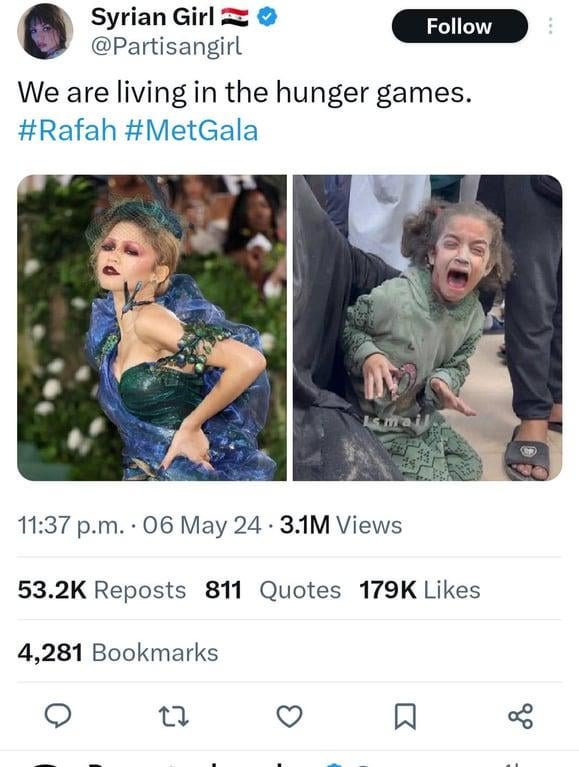
No, we are not living in the Hunger Games; while social and economic disparities exist, we don’t have televised child gladiatorial contests.
The question lingers, are we living in the hunger games? It’s a dramatic thought, fueled by anxieties about inequality and the struggles some face. We see stark divisions in society, and the fight for resources often feels intense.
However, drawing a direct parallel to Suzanne Collins’ dystopia oversimplifies complex issues. While elements of struggle are real, our world, fortunately, lacks the literal brutal entertainment found in Panem.

Are We Living in the Hunger Games?
The Hunger Games, a story about kids fighting to the death in a televised spectacle, is a pretty scary thought. It’s easy to get caught up in the action and the drama. But, sometimes, we might stop and wonder: are there any pieces of that world in our own? Are we, in some ways, living in the Hunger Games? Let’s dig into that big question and see what we find. It’s important to remember that we’re talking about similarities, not saying our world is exactly like Panem. But exploring these connections can help us think about our society.
The Divide: Rich vs. Poor
One of the most noticeable things about the Hunger Games is the huge difference between the wealthy Capitol and the poor districts. The Capitol folks live in luxury, with amazing food and technology. Meanwhile, the people in the districts struggle to find enough to eat and have very little control over their lives. This gap between the super-rich and those just trying to get by, is that something we see today too?
Income Inequality Today
In many parts of the world, a small percentage of people control a big portion of the wealth. This leads to some people having access to the best education, healthcare, and opportunities, while others face lots of challenges just meeting their basic needs.
- Think about housing. In some cities, houses are so expensive that many people can’t afford to live there, even if they have good jobs.
- Healthcare can also be a big problem. People in poorer areas often don’t have the same access to doctors and medicine as people in wealthier areas.
- And education? Schools in rich neighborhoods often have much better resources than schools in poor neighborhoods.
These differences in opportunity create a real gap in life chances, similar to the divide we see in Panem. This economic disparity is a huge topic of discussion for many economists, politicians, and community leaders who believe its crucial to find more sustainable ways for people of all classes to thrive.
Control and Surveillance
In the Hunger Games, the Capitol is always watching. They use technology to track everything the districts do. They control information and make sure people follow the rules. Do we see any echoes of that in our world?
Surveillance in Modern Life
We’ve all heard about security cameras in public places, and many of us carry devices with us that track our location. Our online activity is also frequently monitored. Governments and companies often collect data about us – our preferences, our spending habits, where we go, who we talk to. This data helps them tailor things to us – things like the advertisements we see online, or even the news we are presented with. But is it ever too much?
- Think about social media. When you use social media, you are sharing information that is often collected and stored.
- Facial recognition technology is used more and more often.
- Many of us use apps that track our movements and shopping patterns.
Some people worry that this kind of surveillance can limit our freedoms. It can make us feel watched and like we need to behave in a certain way. There’s always an ongoing debate about how much is too much surveillance and if it’s necessary for safety, or a way to control. This debate continues to evolve in the digital age.
The Power of Media
The Hunger Games are broadcast for everyone to see. The Capitol uses the games to show its power and to keep the districts in line. The media plays a big role in how people think and act in that world. How does media influence us?
Media’s Influence Today
In our world, media – including TV, the internet, and social media – plays a huge part in how we see the world. News channels can shape the information we receive, and social media can create echo chambers where we mostly see and hear from people who think like us. This can lead to us having incomplete or biased information and difficulty engaging in productive conversations with others who have different views.
Think about:
- How news channels choose which stories to focus on.
- How much social media algorithms filter our feeds to show us certain content.
- The impact of influencers on our views and spending habits.
We are living in the information age, and many media outlets are competing for viewership and revenue. It is up to each individual to become a critical consumer of information to ensure they are viewing multiple sides to any issue. This makes it important to consider the sources of our information and to think critically about what we hear and see.
Competition and the Struggle for Resources
In the Hunger Games, the districts are forced to compete for survival. Every year, tributes fight each other in a brutal contest. This idea of intense competition isn’t just in the fictional world. Do we see competition like this in our own lives?
Competition in Our World
Yes, we see competition in many aspects of our lives, but not at the life or death stakes of the games. We compete in schools for grades, in sports for championships, and in the job market for positions. While competition can be healthy, it can also create stress and pressure. And for those who do not have the resources to compete effectively, it can become quite difficult to climb the social ladder.
Think about:
- The pressure students face to get into top colleges.
- The way companies compete for market share.
- The competition for resources like clean water and food in some areas.
In many aspects of life, especially when it comes to survival, we are all fighting for our share of the resources. And this competition can sometimes be very fierce, just like it is for those in Panem.
The Power of Hope and Rebellion
Even in the bleak world of Panem, there is hope. The characters are not entirely controlled. They try to find ways to resist the Capitol and fight for a better future. Do we see acts of resistance or people striving for change in our world too?
Standing Up For Change
People all around the world are standing up for what they believe in and working towards change. People organize protests, create movements, and use their voices to advocate for a better future. They have a vision for a world where inequality, environmental destruction, and injustice are not the norms.
Consider these examples:
- Activism against climate change.
- Movements for social justice and equality.
- People working to create more sustainable communities.
Even though our world isn’t the same as the Hunger Games, seeing these moments of hope and change can inspire us. It reminds us that even in the face of challenges, people can work together to make things better. There are many examples throughout history of societies evolving and improving as people came together for a shared purpose.
Are We Truly Living in the Hunger Games?
It’s clear that there are some interesting similarities between our world and the world of the Hunger Games. We see gaps between the rich and poor, surveillance, the power of media, competition, and the hope for change. However, it’s important to remember that we aren’t actually fighting to the death on live television. Our world is more complex than a single dystopian story. The comparisons help us think about our own world and maybe make some of our own changes.
The key takeaways are:
- While the scenarios of the Hunger Games are exaggerated, some of the core themes are reflected in our society.
- These themes are important areas of concern that require dialogue and work to solve.
- We are not powerless, and we can all work towards creating a world that’s more fair and just for everyone.
By looking at these similarities, we can learn more about the world we live in and maybe even become more engaged in shaping a better future.
So, are we living in the Hunger Games? Maybe not in the most literal sense, but the story encourages us to think critically about the world we live in, its systems, and the roles we play. It prompts us to question, to learn, and most importantly, to act.
we’re slowly turning into the capitol- | hunger games | #shorts #fyp #hungergames #shortsfeed
Final Thoughts
Escalating wealth disparity and resource competition echo dystopian themes. The gap between the ultra-rich and struggling populations grows, mirroring districts within the fictional Panem. A fierce fight for survival, while maybe not literal arena combat, becomes the norm for many.
Power structures tightly control access and opportunity, reminiscent of the Capitol’s grip. The media shapes narratives and distracts from systemic inequalities, quite like the propaganda presented in the books. This makes one wonder, are we living in the hunger games? These systemic issues must be addressed.

