
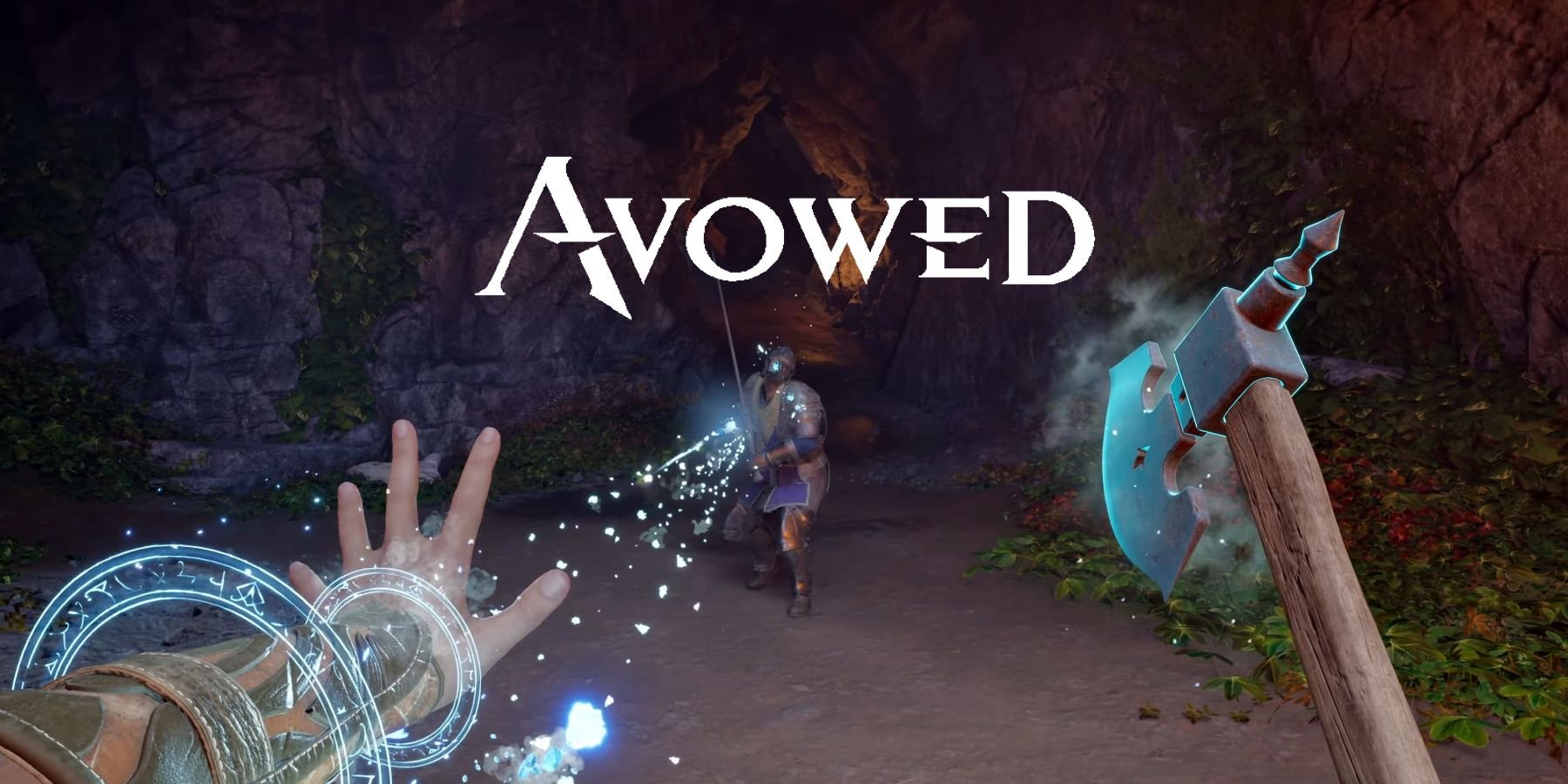
Avowed combat enemy strategies require players to understand enemy attack patterns and elemental weaknesses, using a mix of spells and melee to exploit those vulnerabilities.
Facing enemies in Avowed can feel overwhelming at first, but understanding how they behave is key. Each enemy type has its own unique attack style and elemental affinity, making a strategic approach crucial to survival. Avowed combat enemy strategies are all about adaptation.
Knowing when to block, dodge, or interrupt attacks makes a huge difference in your success. Learning to identify an enemy’s weakness—be it fire, ice or another element—will allow you to deal massive damage. It’s about exploiting those chinks in their armor.

Avowed Combat Enemy Strategies
Okay, adventurers, let’s talk about how to handle the baddies you’ll face in Avowed. It’s not enough to just swing a sword or cast a spell; you need a plan! We’re going to dive deep into the different types of enemies you’ll encounter and how to beat them. Knowing their tricks is half the battle, so let’s get started!
Understanding Enemy Archetypes
Before we get into specifics, it’s important to know the general kinds of enemies you’ll find. Think of them like different roles on a team. Some are tough tanks, some are quick attackers, and others support their allies. Knowing these roles helps you pick the right strategy.
The Brutes
These are the big, strong enemies. They hit hard and can take a lot of damage. Think of them as the heavy hitters. Brutes often have slower attacks, but those attacks pack a punch.
Key Characteristics: High health, slow attacks, powerful melee damage.
How to Beat Them: Use ranged attacks to keep them at a distance. If you have to go toe-to-toe, dodge their slower swings and attack when they’re open. Don’t try to trade blows; you’ll lose that fight.
Example: Imagine a heavily armored ogre swinging a giant club.
The Skirmishers
These enemies are quick and agile. They dart in and out of combat, making them hard to pin down. They often have lower health but can be annoying if you let them harass you.
Key Characteristics: Low health, fast attacks, good at dodging.
How to Beat Them: Use area-of-effect attacks or abilities that can slow them down. A well-timed block can leave them vulnerable for a follow-up attack. Predict their movements and attack where they are going to be, not where they are at.
Example: Think of a nimble rogue dodging around you with two daggers.
The Spellcasters
These foes use magic to cause havoc. They might heal their allies, launch fireballs, or debuff you. Spellcasters are usually found at the back of a group, protected by other enemies.
Key Characteristics: Ranged attacks, ability to buff or debuff, can be fragile if cornered.
How to Beat Them: Prioritize taking them out first. If you have an ability to silence or interrupt spells, now is the time to use it.
Example: A mage casting spells from a distance while protected by their warrior companions.
The Support Units
These enemies don’t always deal direct damage. They might buff their allies, heal them, or lay traps. They’re often just as dangerous as the damage dealers because they can make other enemies harder to kill.
Key Characteristics: Healing, buffs, debuffs, traps.
How to Beat Them: Like spellcasters, eliminate them quickly to disrupt enemy strategies. Focus them down to make your fights easier.
Example: A priest healing his allies or a shaman boosting their damage.
Individual Enemy Tactics and Counters
Now, let’s look at some specific enemy types and how to counter their particular tactics. Remember, understanding how each enemy fights is the key to victory.
The Feral Hound
These creatures are fast, attack with a rapid flurry, and can sometimes knock you off balance.
Tactics: They attack in packs, using their speed to overwhelm you. They circle you quickly, making single targets difficult to attack.
Counters: Area-of-effect attacks are good for hitting multiple hounds at once. A well-timed block will leave them vulnerable, or if you have the abilities that knock back, this will help.
Tip: Keep moving to prevent being surrounded. Try using abilities that slow down their movement.
The Armored Warrior
These enemies are usually slow but extremely tough to defeat. They have high damage resistance and powerful melee attacks.
Tactics: They’ll try to close the distance and hit you hard. They often use a shield to block your attacks.
Counters: Use attacks that ignore armor or abilities that bypass their shield. Dodge their attacks and strike at openings. Some abilities allow you to stagger them, creating a window for more attacks.
Tip: Don’t waste your powerful abilities on their shields. Use that ability when they are open.
The Corrupted Shaman
These enemies are tricky. They often stay at range, buffing their allies and weakening you.
Tactics: They might throw curses that slow you down or use magic that makes other enemies stronger. They often stand in a group for extra protection.
Counters: Try to get to them quickly. Use long-range attacks, stealth, or abilities that can pull them away from the group. If you can interrupt their casting, do it.
Tip: If you see a shaman buffing an enemy, focus on eliminating the shaman first or interrupting them before their buff takes effect.
The Twisted Knight
A formidable enemy clad in corrupted armor, they are often a mid-boss or mini-boss.
Tactics: They will use a mix of strong melee attacks and some dark magic abilities. They can block most attacks, and will use a powerful charge attack.
Counters: Wait for them to finish their attack or charge, and exploit the open moments they have while they recover. Use the right abilities that will do more damage to armor.
Tip: Be prepared to dodge, and use abilities that will do the most damage to their armor.
Advanced Combat Techniques Against Enemies
Now that you understand the different enemies, let’s talk about how to use your own skills to the fullest. Combat in Avowed isn’t just about hitting enemies; it’s about using the right attacks at the right time.
Staggering and Interrupting
Many enemies are vulnerable when they are staggered. A good stagger can stop an enemy attack or interrupt a powerful spell.
How it Works: Using certain attacks or abilities, you can cause enemies to lose their balance. Look for the opening and use your most powerful ability.
Why It’s Important: A staggered enemy is a sitting duck. It’s a great time to do your most powerful damage or heal yourself.
Example: Using a shield bash to interrupt a charging enemy or an attack that knocks an enemy off balance, leaving them open.
Exploiting Weaknesses
Every enemy type has weaknesses, whether it’s a vulnerability to a certain type of damage, elemental or a specific attack.
How to Find Weaknesses: Pay attention to what your abilities do and how they affect different enemies. Keep a note of these during the fight to help you in the future.
Why It’s Important: Exploiting weakness will shorten fights considerably. It allows you to maximize your damage.
Example: Using fire spells against ice enemies or using a mace against armored enemies.
Using Your Environment
The battlefield itself can be your greatest ally. Pay attention to your surrounding and use them to your advantage.
Environmental Attacks: Look for exploding barrels or high ground to attack from.
Why It’s Important: Using the environment can provide tactical advantages, deal extra damage, or give you a safe position.
Example: Kicking an explosive barrel near a group of enemies or pushing an enemy off a cliff.
Kiting and Range Management
Not every fight needs to be toe-to-toe. If you are facing a difficult or stronger enemy, sometimes you need to keep your distance.
How to Kite: Keep moving and attack while avoiding melee attacks.
When to Use: This is great against slow, hard-hitting enemies.
Why it is important: You can avoid taking large amounts of damage if you cannot stagger the enemy.
Example: You can keep circling around a large brute enemy using abilities that create space.
Adapting to Different Enemy Compositions
Sometimes, the toughest fights aren’t against one big boss, but when multiple enemy types show up. Adjusting your plan when you face many types of enemies at once is critical to survival.
Dealing with Mixed Groups
When a mix of enemies appear, you need to prioritize.
Target Selection: Always focus on the most dangerous enemies first, like spellcasters and support units.
Crowd Control: Use area-of-effect attacks or abilities to keep the mobs at bay and take out the smaller enemies.
Why It’s Important: Failing to prioritize can quickly overwhelm you. Taking out the healers or buffs will make the tougher melee fighters much easier to handle.
Example: A group of melee fighters protecting a spellcaster. Take the spellcaster out first.
Adapting your Build
Your character’s skills and abilities should match the challenges ahead.
Skill Variety: Experiment with different skills to have the flexibility to face different types of enemies.
Weapon Choices: Having multiple weapon types can provide the edge when fighting armor or magic.
Why it is Important: A character build that works well against armored opponents might fail against a large group of smaller enemies. Being able to adapt your build allows you to overcome more challenges.
Example: Having a mix of damage dealing and control skills for crowd control or a weapon to deal with armor and a weapon for damage.
Teamwork (If Applicable)
In some cases, you might have allies to work with.
Synergy: Work with your team to combine attacks and abilities.
Communication: If playing co-op, clear communication and strategy will help when facing multiple enemies.
Why it is Important: Working with your team will be more effective when tackling tougher enemies.
Example: One player might stagger enemies while the other does extra damage.
Using Specific Skills and Abilities Effectively
Let’s get into specific skills and abilities that you’ll likely acquire as you play through Avowed, and how they can aid you when dealing with challenging enemies.
Area of Effect Abilities
Abilities that affect multiple enemies at once.
Examples: Fire spells, whirlwind attacks, and ground-slam abilities.
How to Use: Great for large groups of smaller enemies, and can help keep melee types off your back.
Enemy Counters: This is extremely effective against skirmishers and melee enemies.
Tips: Aim for the largest group of enemies you can. If you can interrupt the enemy, that is a bonus.
Single Target Damage Abilities
Abilities that are focused on one enemy at a time.
Examples: Single target spells, powerful melee attacks, and abilities that deal bonus damage.
How to Use: When facing single powerful enemy types.
Enemy Counters: These are great against brutes, support units, and spellcasters.
Tips: These are especially effective when combined with stagger or interrupt abilities.
Crowd Control Abilities
Abilities that hinder or slow down enemies.
Examples: Stun, freeze, slow, knockback, and fear spells.
How to Use: Very useful when you are being overwhelmed or need to deal with the larger threats first.
Enemy Counters: Skirmishers are very vulnerable to these types of abilities.
Tips: Use crowd control abilities to focus fire on one specific enemy type and take out the big threats first.
Defensive Abilities
Abilities that will keep you alive.
Examples: Healing abilities, shield abilities, and dodge and dash abilities.
How to Use: When you are taking too much damage or want to make sure you can stay alive for longer to do damage.
Enemy Counters: This is great against all enemies, you should always have some of these available.
Tips: Defensive abilities are just as important as offensive abilities, and will keep you alive longer, and allow you to do more damage.
In conclusion, conquering enemies in Avowed requires more than just button mashing. Understanding the different types of enemies, their strengths and weaknesses, and knowing how to use your own abilities will be the key to victory. Remember to adapt, plan, and always be ready for the unexpected. Keep practicing and refining your strategies, and you will become a formidable adventurer.
Avowed Gameplay Deep Dive – Can it Top Pillars of Eternity?
Final Thoughts
Effective tactics in Avowed require exploiting enemy weaknesses. Players must adapt to diverse enemy types, utilizing elemental damage. Proper positioning and timing are vital components.
Avowed combat enemy strategies emphasize recognizing attack patterns. Successful engagements involve thoughtful skill combinations. Awareness of surroundings impacts overall effectiveness.

