
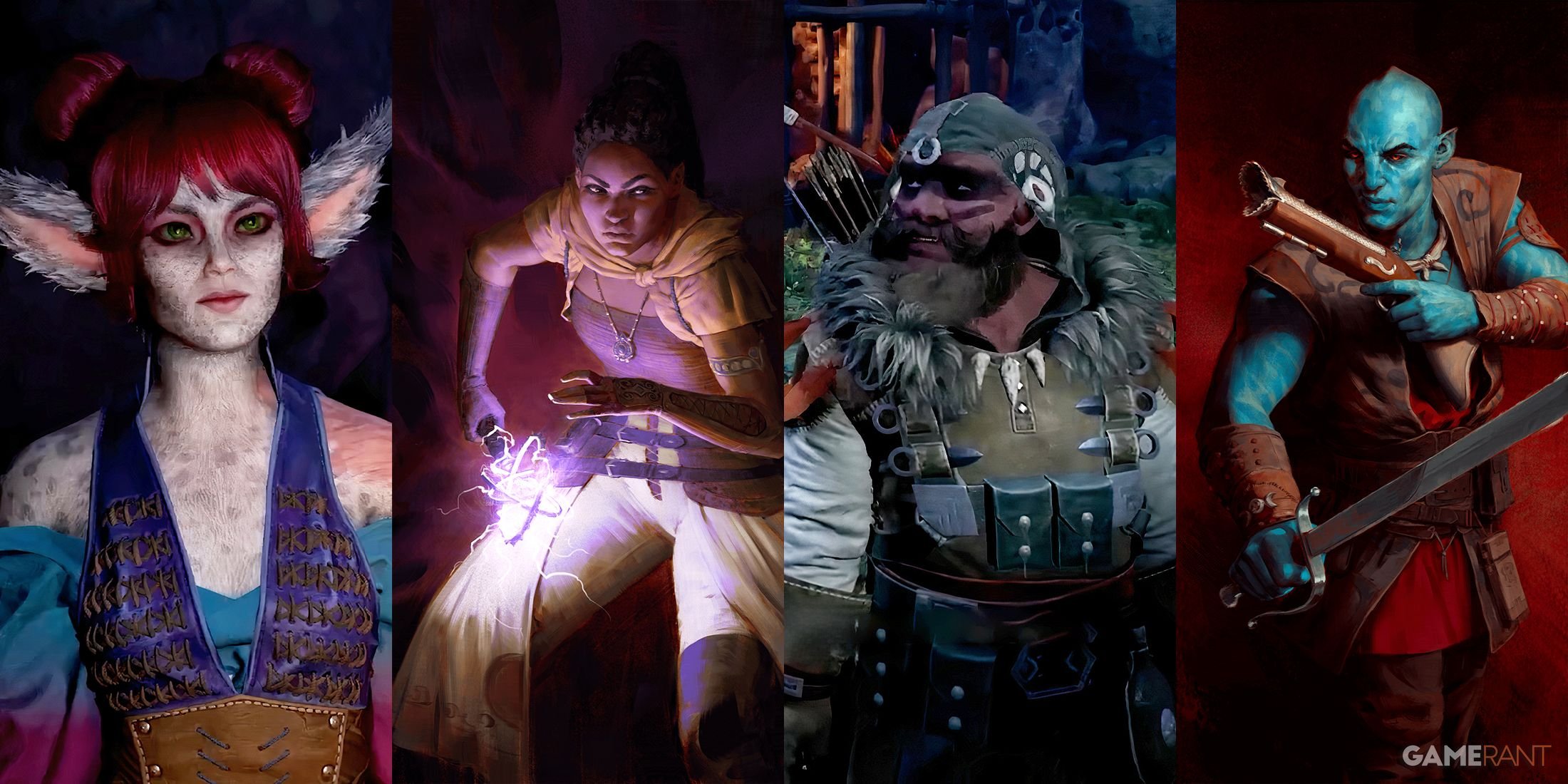
Avowed’s companion system features recruitable characters with unique skills and backstories, who fight alongside the player and contribute to the narrative.
So, we are diving into the Avowed companion system discussion today. Many players are curious about how companions will function in Obsidian’s upcoming RPG. It appears they will be more than just simple sidekicks.
These characters will bring their own fighting styles and personal stories to the game, heavily impacting your journey. The system aims to provide a more immersive experience than just having a silent follower tagging along.

Avowed Companion System Discussion
Alright, let’s dive deep into something really cool about the upcoming game, Avowed: the companion system! We’ve all played games where we have buddies along for the ride, right? Sometimes they’re super helpful, other times… well, they just kind of follow you around. But the way Avowed is handling companions seems like it’s going to be something special. It’s more than just having an extra sword swinging by your side; it looks like these companions will have their own stories, personalities, and ways to help you out. So let’s explore what we know and what makes it so interesting.
The Basics of Avowed Companions
At its core, the companion system in Avowed revolves around you forming relationships with certain characters you meet throughout your journey. These aren’t just random NPCs who pop up then vanish; they’re individuals with their own goals and motivations. Think of them as partners who choose to join you, not just hired help. Here are some key things we know about them:
- Unique Backstories: Each companion has their own history, where they come from, their past experiences, what motivates them, and what are their personal issues. This means they’re not blank slates; they bring their personal baggage along, too.
- Individual Skills: Companions are not all the same. Some will be good at fighting, some at magic, and others may be more focused on sneaky stuff or helping you in other creative ways. They have their own skill sets. This makes choosing the right companion for a particular situation very important.
- Relationship System: Just like in real life, your actions can affect how your companions feel about you. You can actually develop your relationship with them. Choosing certain dialogue options or taking certain actions might make your companions like you more… or less!
- Dynamic Interactions: Your companions will not just stand by quietly while you do everything. They will react to what’s happening in the game, they will give you their opinions, and they will share their thoughts on things you do. This is a very engaging feature that makes the world feel more alive.
- Personal Quests: Each companion is anticipated to have their own set of quests or missions that tie into their personal story. Completing them can help you build up your relationship, learn more about them, and even benefit in terms of skills or abilities.
How Companions Impact Gameplay
Okay, so we know companions are more than just extra fighters. But how do they really change how we play Avowed? Here are a few ways:
Combat Assistance
This is probably the most obvious. Companions can help in battles by fighting alongside you. They can provide extra damage, draw enemy attention, or provide important support. But it’s not just about more swords or spells. Since each companion has different skills, you have to think about who you bring to each fight. A magic user might be great against groups of enemies, while a heavily armored fighter is better against powerful bosses.
Solving Puzzles
Some companions might have special skills that help you in ways that are not always about fighting. Imagine needing to use a particular spell to open a door, or having a companion with expert knowledge of the local lore so they can give you clues you’d otherwise miss. The companion might have unique abilities that unlock new paths or solutions in puzzles. This might add a new layer of depth to the game’s exploration.
Dialogue Choices and Story Impact
The companion you bring with you can change the story and dialogue. When you’re talking to other characters, your companion can offer advice, give their opinion, or even react to what’s going on. They may agree with your decisions or voice their disapproval. In some cases, their presence could even lead to different paths or outcomes in the game. This creates a more personalized and engaging experience.
Building Relationships and Unlocking Perks
The relationships you build with your companions also have a tangible effect on the game. As you grow closer to a companion, they may unlock new abilities, give you special items, or simply offer more insightful advice. This feature encourages you to really invest time in getting to know them and building bonds, rather than just seeing them as tools for battle.
Companion Personalities and Lore
Now, let’s talk about what makes companions feel like real people. This is really important for an engaging companion system. Here’s how Avowed seems to be handling it:
Diverse Personalities
It looks like Avowed is trying to give each companion a distinct personality. One might be a brave, good-hearted knight, another a cynical mage, and yet another a sneaky rogue. The game will make these different personalities feel apparent in conversations and interactions. This variety of personalities should appeal to different player preferences.
Backstories Tied to Eora
Avowed is set in the same world as Pillars of Eternity, which means there is a lot of existing lore to build upon. The developers are weaving the companions’ backstories into the world, which is called Eora. This means that companions may have connections to important places, groups, or events, giving even more depth to the game. These ties make the companions feel like they truly belong in the world.
How Choices Affect Companion Perception
The game will track how your actions and decisions affect your companions. If you often do things that they disagree with, they might become less loyal or even leave. But if you are in harmony with their values and preferences, you might form a much stronger bond. This means that your decisions are not simply isolated choices; they have a direct and very meaningful impact on your relationship with your companions. This is how we can see the depth of the system.
Potential Companion Archetypes
Although we don’t have a complete list of companions yet, we can speculate about the different roles and types of characters we might encounter based on the lore and past Obsidian titles:
The Warrior
A heavily armored character whose main focus is melee combat. This kind of companion can be someone who is skilled with swords, axes or shields. The warrior will be dependable and a good tank that draws the enemies attention away from you and your more vulnerable companions. Maybe their story is about redemption, honor or proving their strength.
The Mage
A companion who specializes in using magic. They will be able to cast spells to help their team by attacking enemies, healing allies, or using helpful buffs. This kind of companion might have a connection to the mystical side of Eora, and they could have a past of being a student at some magical school.
The Rogue
A stealthy character that focuses on using speed, guile, and cunning. The rogue companion may be a sneaky character who can help to bypass traps, pick locks, or provide useful information from the shadows. Maybe their personal quest is about stealing something really valuable or avenging someone.
The Healer/Support
A companion who focuses on healing, buffing and overall support. This type of companion might not be a strong fighter but they can keep the team alive and buff their combat abilities. They might be a wise scholar, a devout priest, or someone who is good at herbalism.
The Off-beat Companion
This one’s for the oddballs. Maybe it is some strange creature that decided to stick with you or maybe just someone with very strange personal beliefs. They may be the wildcard of the party, but also the most interesting one. Their unpredictable nature might lead to the most interesting stories.
The Future of Companion Systems
The companion system in Avowed seems like a good step forward in how companions work in role-playing games. Instead of just being useful followers, they are characters that we have to get to know, to understand and build up a relationship with. If done well, this level of depth could set a new standard for how companions should be handled in video games.
These features in Avowed have the possibility of moving past the typical “follow-me” system. The companions’ backstories, personal quests, unique abilities and how our choices affect them are all very important to the game. It’s going to be more than just an extra sword in combat. It’s going to be about making real connections with the people who choose to fight by your side, which is something most role-playing gamers want. Avowed seems to be on the right track, and players are excited to see how all these different features come together.
The way Avowed is approaching its companion system is more than just adding another character to the party; it’s about making these characters feel like an actual part of your personal journey. We, the players, get to build actual relationships with them, where we see how our actions, the decisions we make, and the choices we choose all matter. From what we’ve learned, it seems like this is the type of companion system that’s meant to give us an even more immersive and exciting experience. Players can’t wait to explore Eora with these interesting characters by their sides and uncover their compelling stories.
Avowed – Thoughts After Playing For 10 Hours & Interviewing The Devs
Final Thoughts
Avowed’s companions enhance gameplay through unique abilities. Players will develop relationships influencing character interactions. The companion system is central to the game’s design.
Avowed companion system discussion highlights the importance of player choice. These relationships directly affect narrative paths. The impact of companion choices on gameplay cannot be understated.

