
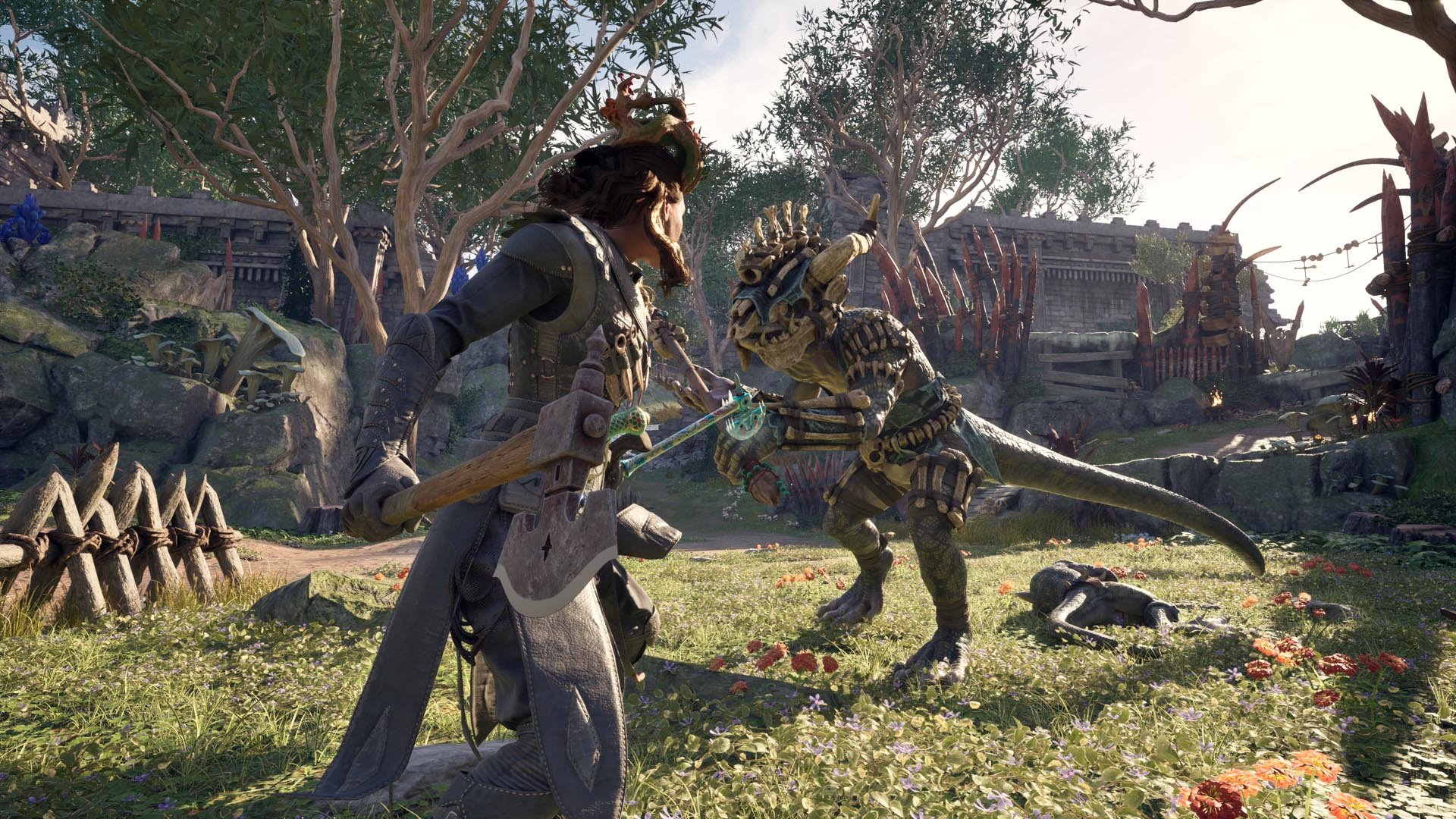
The Avowed game world design philosophy prioritizes player agency through interconnected, hand-crafted locations with meaningful choices.
Ever wondered what drives the creation of immersive game worlds? The Avowed game world design philosophy aims for a particular experience. Obsidian Entertainment builds a world where player choices genuinely matter. They focus on making each location feel purposeful and connected to the larger narrative. The aim is to empower you.
This means instead of vast, empty spaces, expect densely packed areas with secrets and varied pathways. Each decision will have a noticeable impact on your journey through this world. Obsidian crafted this specific approach, hoping it creates engaging experiences.

Avowed Game World Design Philosophy
Let’s dive deep into the fascinating world of how the game Avowed is built, specifically focusing on its game world. It’s not just about pretty graphics; it’s about creating a place that feels real, exciting, and encourages you to explore every nook and cranny. Obsidian Entertainment, the team behind Avowed, has some really interesting ideas about how to design a game world, and we’re going to look at what makes their approach special. From interconnected environments to the creatures you’ll meet, every element plays a part in making Avowed what it is.
The Living World Concept
Obsidian’s goal is to create a world that feels alive, and that’s a big job! They don’t want the world to feel like a static background; they want it to feel like things are happening with or without you. This “living world” concept is central to their design philosophy. It means that the characters you interact with have their own schedules and motivations, and the environment itself changes based on the story and the things you do.
NPCs with Purpose
Think about the people you’ll meet in Avowed. These aren’t just cardboard cutouts standing around waiting for you. Each character, big or small, will have a life of their own. They might be traders, guards, farmers, or even scheming villains. They have homes, jobs, and families, and they react to the game world and your actions. These aren’t robots that just stand there; they are part of the world. They have routines, they argue, they help each other, and sometimes, they need your help too. This creates an engaging experience where every interaction has meaning.
Dynamic Environments
The environments you explore in Avowed aren’t static. They change in response to the in-game story events and the player’s choices. Perhaps a village will flourish after you complete a quest, or a once-safe path will become dangerous because of a new threat. This dynamic nature keeps the world fresh and makes your decisions feel weighty. The weather, time of day, and even the seasons might impact gameplay, influencing everything from character behavior to combat.
Eora: The Setting
The game Avowed takes place in the world of Eora, which might sound familiar to fans of Obsidian’s previous game series, Pillars of Eternity. But this isn’t just a rehash. Eora in Avowed will show new locations and stories while building upon the established lore. It’s a place rich with history, different cultures, and a deep magic system. This world is not just for show; it’s a character in itself.
New Regions, New Experiences
While Pillars of Eternity gave us a good look at some areas of Eora, Avowed opens up new regions for exploration. We’ll get to see different landscapes, ranging from wild forests and deep caves to massive ruins and bustling settlements. Each area promises its own unique challenges and secrets to find. The game isn’t just about repeating the same gameplay loop; it’s about exploring new places with new stories.
A Deep Magic System
Magic in Eora isn’t just about flashy spells. It is a fundamental force in the world, and people interact with it in various ways. The magic system is deeply integrated into the world, impacting everything from the environment to the creatures and cultures of the land. Avowed will likely build upon the magic system established in Pillars of Eternity, allowing players to experience it in new ways. The way you interact with this system will play an important role in your character’s journey and the outcome of the game.
Narrative-Driven Design
Obsidian is known for creating games with strong stories, and Avowed is no exception. The story of Avowed is not a separate element; it’s woven into the very fabric of the game world. It feels like the world itself is telling a story. The characters you meet, the places you go, and the items you find are all pieces of this story. This is not just about completing quests; it’s about experiencing a story that unfolds through your interactions with the world.
Player Choice and Consequence
Your choices matter in Avowed. They shape your character’s path and have a direct impact on the world around you. This is a core aspect of the game’s design. The game encourages you to think about the consequences of your actions. When you make a decision, it affects the characters, storylines, and how other people see you. There are no right or wrong answers, only choices that will lead you to different results and shape your personalized story in the game.
Branching Storylines
The team behind Avowed wants you to feel like your character is a unique part of the story, and one of the ways they do this is by implementing branching storylines. The decisions you make don’t just change small details; they can alter the entire course of events. This means multiple playthroughs with different outcomes, which is great for people who love to explore every story angle. It’s a game where you have real influence over what happens. You won’t see everything in just one single playthrough.
Environmental Storytelling
Obsidian understands that a good story doesn’t always need characters saying every detail. The environment itself can tell a story. This is called environmental storytelling. Avowed is filled with details that help you learn about its history and what happened before you arrived. This could include old structures, abandoned settlements, and even the placement of items.
Details That Speak Volumes
Look closely at the game’s environments. You will see broken down buildings, ancient murals, or battle scars in the landscape. These details are not just there for looks; they offer insights into past conflicts, cultural shifts, and the events that have shaped the world. A ruined village may tell a story of invasion, while a hidden inscription might reveal forgotten lore. This creates a more engaging experience and makes you want to discover the hidden history of the game world.
Hidden Narratives
Avowed is designed to reward exploration. There are many hidden corners in the game world where you can find small, but important, pieces of information that will expand your understanding of the world. You might come across an abandoned diary that describes a tragic story or find an artifact that provides hints about the game’s lore. These extra narrative details aren’t critical to finishing the main story, but they certainly enrich your experience, making the world feel much more real. The more you explore, the more layers of the world you peel back.
Interconnected Spaces
The design of Avowed goes beyond just creating pretty scenery; it focuses on making spaces that feel interconnected. This means that different areas of the world are tied together logically, which creates a cohesive and believable world. When you travel through the world, it should make sense how different areas relate to each other. For example, a mountain path might lead to a mountain village, which then leads to a cave system. This helps create a sense of a realistic world.
Seamless Transitions
When you travel in Avowed, the goal is for the transition between different zones to feel natural. Instead of long loading screens that break your immersion, the transitions between regions should feel fluid. You might walk along a forest path that opens up into a wide open plain. These smooth transitions make the world feel like a single, continuous space, rather than a collection of separate levels. This adds greatly to the feeling of exploration and really makes you feel like you are moving through a real world.
Sense of Place
Each area of the game is meant to have its own unique identity. It’s not just a copy-and-paste of the same environment in different colors. Every region has a distinct feel and purpose, whether it’s a bustling city, an ancient forest, or a dangerous dungeon. This is achieved through different visual styles, different types of buildings, and even different music. These details work together to make each region memorable and gives you a reason to want to explore everywhere the game has to offer.
Creature Design and Encounters
The creatures you meet in Avowed aren’t just random monsters. They are all carefully designed to fit into the world of Eora and contribute to the game’s story and challenges. Their design and placement are very intentional, and they have their own behaviors and reasons for existing in this world.
Creatures with Lore
The creatures in Avowed are meant to be more than just something to fight. Many of them have their own backstory and place within the world’s lore. This gives them meaning beyond just being enemies. Understanding their place in the world, their behaviors, and their history adds another layer to the gameplay. It makes them feel like a natural part of the environment and not just random encounters.
Varied Combat Challenges
Each creature in Avowed has unique characteristics that will present different challenges to the player during combat. It’s not just about repeating the same strategies over and over. Some enemies might be fast and agile, while others might be slow but very powerful. They might also have special abilities or attacks that you need to learn in order to fight them. This variety in combat keeps the game exciting and ensures that you will have to adjust your strategy to each different foe.
Accessibility and Player Experience
While Obsidian wants to create a game with depth and complexity, they also want to ensure that Avowed is accessible to all types of players. This balance is a major part of their world design philosophy. The game needs to be easy to understand and play, but also challenging and engaging for experienced players.
Intuitive Navigation
Getting lost in a game world can be frustrating, but the world design of Avowed is meant to be easily navigable. The environment is designed in a way that makes it easy for the player to know where they are and where they need to go. There are obvious pathways, unique landmarks, and subtle visual clues that guide you throughout the game, reducing the frustration that comes with complicated or confusing maps. This makes exploration fun and rewarding.
Meaningful Exploration
The game world is designed to make exploration worthwhile. There should be secrets to find, hidden locations to uncover, and interesting places to discover. This is not just about wandering around randomly; it’s about knowing that the more you explore, the more you’ll be rewarded with new storylines, new quests, and maybe even valuable loot. This philosophy of rewarding exploration makes you want to spend your time exploring every corner of the world.
In summary, Avowed’s game world design aims to create a living, breathing environment that is rich with history, stories, and meaningful choices. The design principles emphasize interconnectivity, environmental storytelling, and player agency, all working together to create an engaging and unforgettable experience. It’s not just about going through a world, but living in it.
Avowed Obsidian's Sprawling RPG 2024 Release Approaches
Final Thoughts
Avowed prioritizes player agency within a detailed world. The design philosophy encourages exploration through interconnected environments. Obsidian makes sure your choices significantly alter the game world.
They aim for a believable experience that is both reactive and engaging. This approach underpins the core of Avowed game world design philosophy. We observe an emphasis on consequence and player-driven narratives.

