
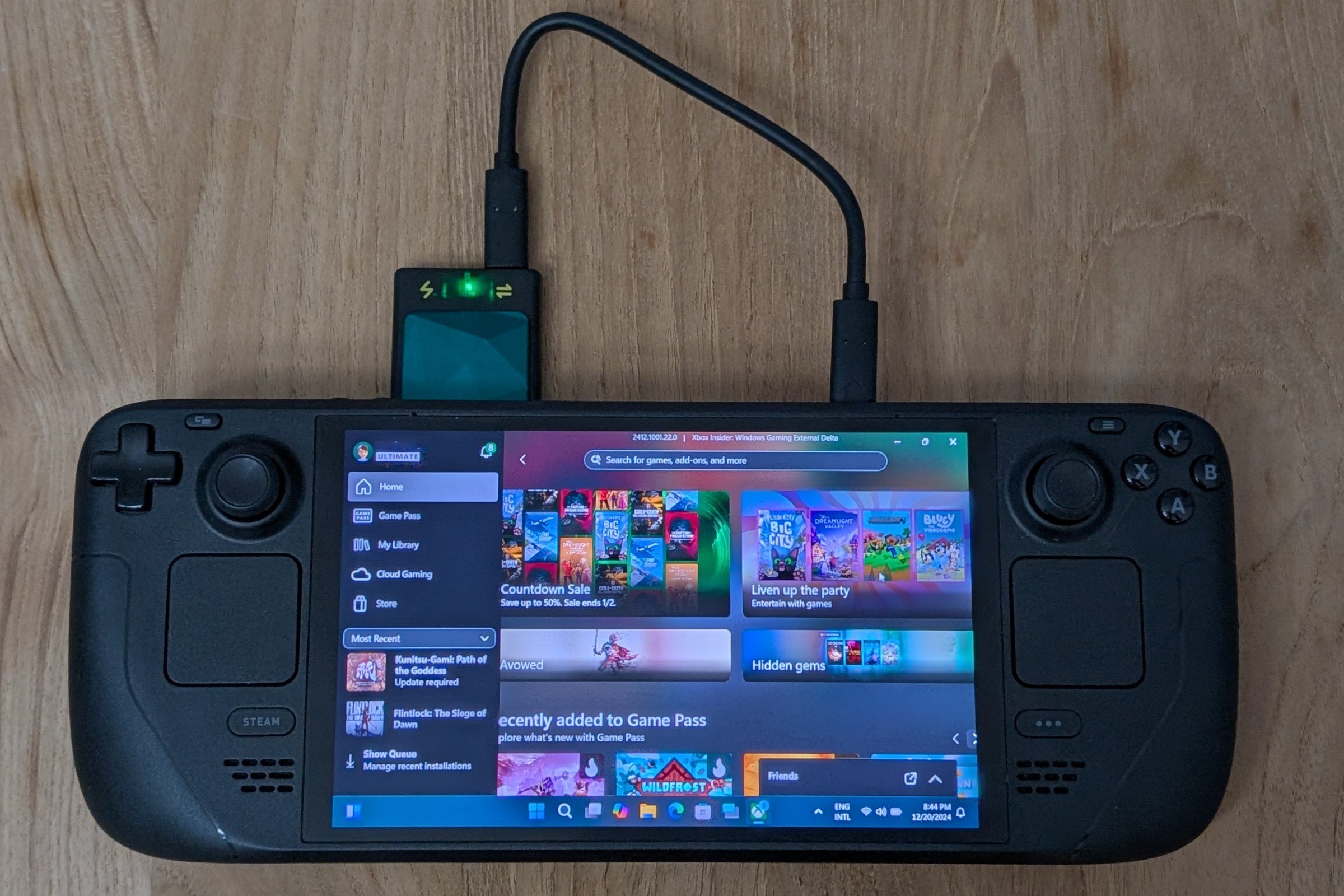
The Avowed overall game performance guide focuses on optimizing your PC settings, choosing appropriate graphical options, and maintaining updated drivers for a smoother gameplay experience.
Struggling with frame drops and stuttering in Avowed? Many players are facing similar performance issues, impacting their enjoyment of this new RPG. This guide provides tips to enhance your gaming experience.
The main goal of our Avowed overall game performance guide is to assist you in obtaining the best possible performance on your setup. We will cover a variety of adjustments, from in-game graphical options to hardware configuration. By applying these, you can enjoy a more fluid and responsive gameplay.

Avowed Overall Game Performance Guide
Okay, let’s dive deep into making Avowed run as smoothly as possible on your computer! We all want to explore the Living Lands without any annoying hiccups, right? This guide is designed to help you understand how different settings affect the game and how to fine-tune everything for the best experience. We will talk about everything from graphics settings and what they actually do, to hardware requirements, and ways to keep your system running like a champ. We want you to get the best visuals and a fast, smooth game. Let’s get started!
Understanding Your System
Before we mess with settings, it’s important to know what your computer is made of. Think of it like knowing what ingredients you have before you bake a cake! Different parts of your computer work together to run games, and some parts are more important than others when playing Avowed.
The Big Players: CPU, GPU, and RAM
CPU (Central Processing Unit): This is like the brain of your computer. It handles all the calculations, including things like game logic and how characters move. A strong CPU helps your game run smoothly, especially when lots of things are happening at once. Think of big battles with lots of enemies – the CPU handles it all!
GPU (Graphics Processing Unit): This is the artist of your computer. It’s responsible for making the beautiful scenes in Avowed look amazing. It renders everything you see, from the grass swaying in the wind to the fancy magical effects. If your GPU is weak, your game might look blocky or have low framerates.
RAM (Random Access Memory): Imagine RAM as your computer’s short-term memory. It keeps track of things the game needs to access quickly, like textures and level data. If you don’t have enough RAM, your game might slow down while loading new areas or might even crash. 8GB of RAM is a minimum, but 16 GB is the sweet spot for modern games like Avowed.
Storage (SSD vs. HDD): This is where your games and files are kept. SSDs (Solid State Drives) are much faster than HDDs (Hard Disk Drives). If you install Avowed on an SSD, the game will load way faster, and you will see fewer stutters.
How To Check Your Specs
Don’t worry if you are not a computer expert! It’s easy to see what parts your computer has. Here’s how on a Windows PC:
1. Press the Windows key.
2. Type “System Information” and click on the first option that appears.
3. Look for “Processor” to see your CPU, “Installed Physical Memory (RAM)” to see your RAM, and “BaseBoard Product” or “System Model” to figure out your Motherboard.
4. To find your GPU, click on “Components” on the left side, then select “Display.”
For Mac, click the Apple menu > “About This Mac”.
Knowing your specs helps you make smarter choices about the game settings. You can match your game settings to your hardware for best results.
Graphics Settings Explained
Okay, let’s talk about the fun part – tweaking the game’s graphics! Avowed has lots of options you can adjust. Some will make the game look amazing, while others can make it run much faster. Let’s explore them.
Resolution
This setting is about how many pixels are on your screen. A higher resolution means a sharper, clearer image. Common resolutions include:
1920×1080 (1080p or Full HD): A very common resolution. Most monitors are capable of this. It strikes a good balance between detail and performance.
2560×1440 (1440p or QHD): A step up from 1080p, providing sharper image quality. Needs a more powerful system to run smoothly.
3840×2160 (4K or UHD): The highest common resolution. Offers incredible detail but requires a very powerful GPU.
If you’re struggling with performance, try lowering your resolution. Going from 4K to 1080p can give you a big performance boost, but it will be less sharp looking.
Texture Quality
Textures are the “skins” that go on objects in the game world. Higher texture quality makes these skins look sharper and more detailed.
High: Uses the highest quality textures, which can look amazing but uses a lot of GPU and VRAM.
Medium: A good balance between visual quality and performance.
Low: Low quality textures, which can significantly improve performance but the game will look less detailed.
If you have a lot of Video RAM on your GPU, then try high settings, if not then lower is a good option.
Shadow Quality
Shadows make the game world look real. They add depth and give a sense of lighting. However, good shadows can take a toll on your system.
High: Very detailed shadows that look super real, but this is hard on the GPU.
Medium: Shadows that still look good but use less resources.
Low: Simplest shadows which look basic but give a big performance boost.
Turning shadows down is a good way to gain performance without affecting other things a lot.
Anti-Aliasing
This setting smooths out the jagged edges on objects in the game. Without it, lines might look rough and pixelated.
TAA (Temporal Anti-Aliasing): The most common option for current games. It’s a good balance between performance and quality.
FXAA (Fast Approximate Anti-Aliasing): A faster but lower-quality form of AA.
MSAA (Multi-Sampling Anti-Aliasing): A more resource-intensive option that provides superior anti-aliasing quality. Not that common to see in games because its resource heavy.
TAA usually is best. But if you are facing some issues with performance then try FXAA, or disable it.
Effects Quality
This controls how things like magical explosions, smoke, and fire look. High-quality effects can make the game look spectacular but they can be resource heavy.
High: Uses the best effects. This can reduce performance.
Medium: A good middle ground.
Low: Basic effects that can make the game run smoother, but won’t look as good.
If you have a good gaming computer, then high settings are okay to use. If not then use medium or low settings.
Foliage Density
This setting dictates how much grass, plants, and trees are shown in the game world. Lots of foliage makes the game look lush and full, but it also uses more resources.
High: Maximum density, which means lots of plants and trees.
Medium: A good balance.
Low: Less foliage, which can improve performance in large areas.
Lower foliage density can help if you have problems with performance in big open areas of the game.
Ambient Occlusion (AO)
Ambient occlusion makes the way light and shadows interact with objects in the game more real. It adds a sense of depth and realism by darkening corners and crevices.
High: The best quality AO, giving you depth to the scene. This uses more resources.
Medium: Decent AO, uses less resources than high.
Low or Off: No ambient occlusion, which can improve performance but the game will look less realistic.
Try medium first and then see, you can use higher settings if the performance allows it.
Post-Processing Effects
Post-processing effects include things like motion blur, depth of field, and bloom. These effects can enhance the visual look of the game, but they use more resources.
High: Enables a range of effects like motion blur, depth of field and bloom.
Medium: Reduces the quality or amount of some effects.
Low: Simplifies these effects.
Off: Disables these effects for increased performance, but won’t look that great.
You can turn these effects off to increase performance, some players don’t even like to use motion blur so they also have benefits.
Optimal Settings for Different Setups
Now that you know what all of these settings do, let’s put together some good starting points based on different types of computers. Remember, this is not a one-size-fits-all scenario. You might need to make some adjustments based on your specific system and personal preference.
Low-End PC Settings
If you have an older PC or a system with basic gaming hardware, you will want to prioritize performance. The goal here is to run the game smoothly, even if it means sacrificing some visual quality.
Resolution: 1280×720 or 1920×1080, but start with 720p if needed.
Texture Quality: Low.
Shadow Quality: Low or Off.
Anti-Aliasing: FXAA or Off.
Effects Quality: Low.
Foliage Density: Low.
Ambient Occlusion: Low or Off.
Post-Processing Effects: Low or Off.
With these settings you might not have the best looking game, but you should have a good performance.
Mid-Range PC Settings
If you have a good mid-range gaming computer, you can push the settings a bit higher. You should be able to get a nice balance between visuals and performance.
Resolution: 1920×1080 (1080p).
Texture Quality: Medium or High, if you have more than 6GB of VRAM.
Shadow Quality: Medium.
Anti-Aliasing: TAA.
Effects Quality: Medium.
Foliage Density: Medium.
Ambient Occlusion: Medium.
Post-Processing Effects: Medium.
With these settings the game should look good and be smooth.
High-End PC Settings
If you have a powerful gaming PC, you can crank the settings up to the max and really enjoy the world of Avowed with all of its visual glory.
Resolution: 2560×1440 (1440p) or 3840×2160 (4K).
Texture Quality: High.
Shadow Quality: High.
Anti-Aliasing: TAA.
Effects Quality: High.
Foliage Density: High.
Ambient Occlusion: High.
Post-Processing Effects: High.
With these settings you should have the best looking game that Avowed has to offer.
Tips for Improving Game Performance
Okay, we’ve talked about game settings, but there’s more you can do to make Avowed run its best. Here are some extra tips to get the most out of your gaming experience.
Keep Your Drivers Updated
Video card drivers are essential pieces of software that allow your GPU and your game to communicate effectively. New drivers are released regularly that make your hardware run better, including newer game titles. Go to your GPU manufacturer’s website (NVIDIA or AMD) and install the latest drivers.
Close Unnecessary Programs
Before you play a game close all unneeded software running in the background, such as your internet browser or a music player. Every program running in background is using computer resources, so closing them will help Avowed get more power for better performance.
Clean Up Your Computer
Sometimes having lots of files on your computer can slow things down. Delete or move old, unused files, and use a disk cleanup tool. Having a clean drive is a fast drive.
Check Your System Temperature
If your system gets too hot, its parts slow down to prevent overheating. Make sure your computer has good airflow and is free of dust. Clean the fans if needed, or consider additional cooling options.
Overclocking your system (Use with Caution)
Overclocking means making your CPU or GPU run at a higher speed than normal. This can increase performance, but it can also be risky if not done carefully. It can generate a lot of heat. If you are not comfortable with this then you should avoid it.
Update Windows (or Mac)
Make sure your operating system is up-to-date with the latest updates. Updates usually contain bug fixes and some of them can help increase performance.
Monitor Your Performance
While playing, keep an eye on how your game is performing. Use the game’s built-in frame rate counter (if available), or use tools like MSI Afterburner to show you how your game is running. This way you can see what settings are affecting your game the most.
Advanced Optimization Techniques
If you’re still looking for that extra bit of performance boost, here are some more advanced techniques you can try. These are not necessary for all players but can be very helpful for those with lower-end systems or people who want to squeeze out every last frame.
Adjusting Game Config Files
Sometimes, you can find hidden settings in the game’s configuration files. These settings are not in the game’s menus, but you can find them by going into the game’s folders and making changes. It is crucial to be careful when doing this, and also make sure to backup the file that you are modifying, so that if something goes wrong you can always restore it to the original state. Look up specific guides on the game forums for this.
Utilizing Upscaling Technologies
Technologies like NVIDIA DLSS, AMD FSR, and Intel XeSS use algorithms to upscale the resolution of your game, making it look higher resolution than it’s actually being rendered. This can give you better performance without sacrificing too much image quality. If your GPU supports these, try them out!
Reinstall Game and Operating System
If nothing else works, consider reinstalling the game. Sometimes, corrupted game files can cause performance problems. If you have tried this and performance is still bad then, try reinstalling the whole operating system, this can fix any issues in your system that are causing problems.
Upgrading your Components
If you have exhausted all optimization methods, then its time to consider upgrading your hardware. Upgrading the GPU, CPU or adding more RAM can improve game performance considerably.
By following these techniques you can see improvements in your game performance and have an enjoyable experience when playing Avowed.
By knowing what your computer has, and how the settings work, you can make smart choices to play Avowed smoothly and happily. Take the time to experiment with these settings and enjoy the game! Happy gaming!
I've Played 20 Hours of Avowed (Early Review)
Final Thoughts
To optimize your Avowed gameplay, prioritize graphical settings that suit your hardware. Experiment with resolution and details until you achieve smooth frame rates. Furthermore, regular driver updates will contribute to overall stability.
Managing in-game resources is key for consistent performance. Try closing unnecessary background apps and adjusting audio settings. These actions greatly impact the game’s processing demand.
Ultimately, focusing on balanced settings and system maintenance provides the best experience. This concise Avowed overall game performance guide should improve your play sessions.

