
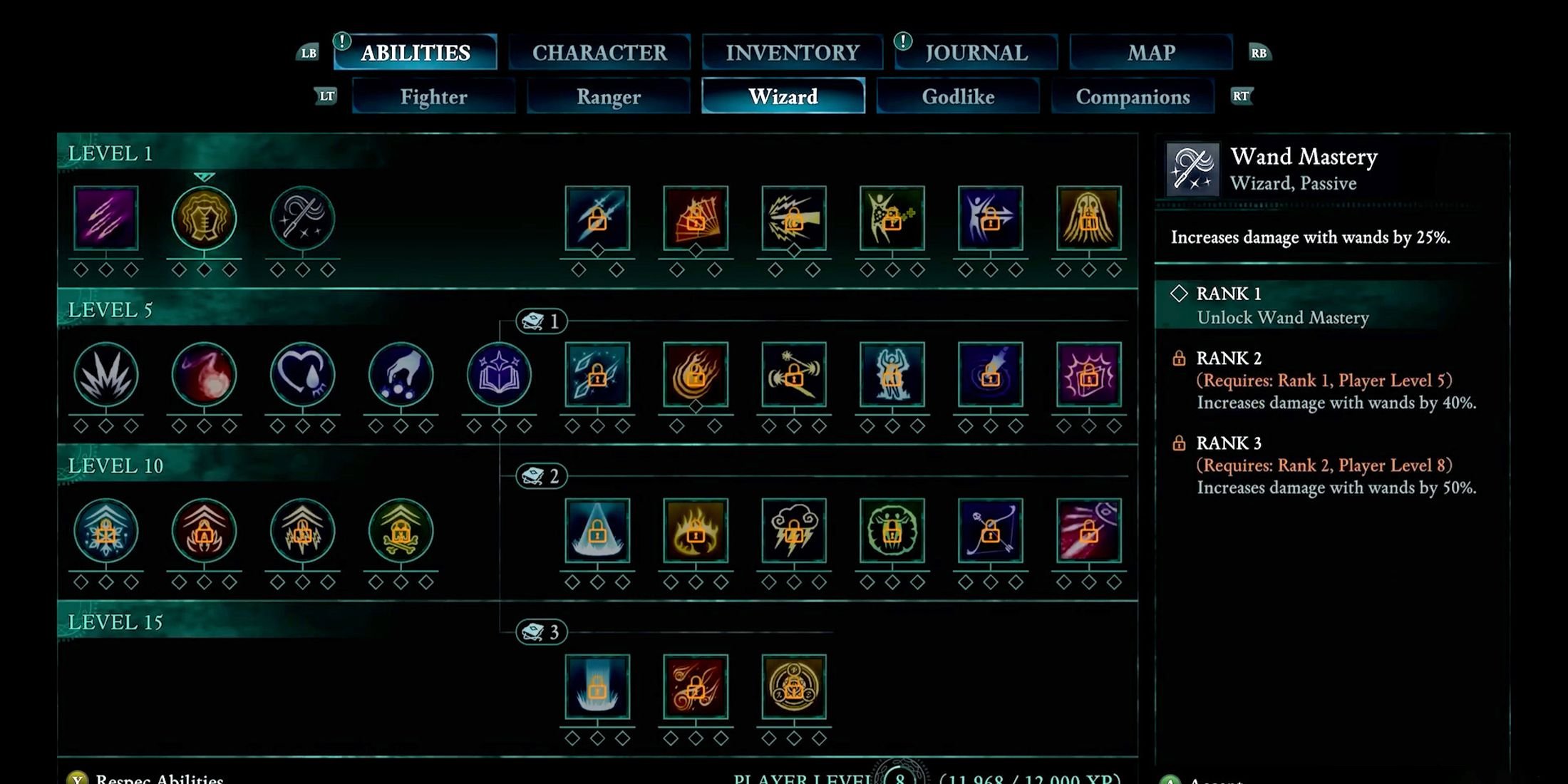
The Avowed skill tree mastery guide focuses on effective allocation of points within the different skill branches to maximize your character’s potential, detailing the synergistic effects of various skills, and optimal builds for various playstyles.
Navigating the complexities of Avowed can feel overwhelming, especially when considering the expansive skill trees available. Many players struggle to pick the best upgrades early on. This guide breaks down the crucial aspects for effective skill progression, making the system easier to manage.
We provide insight into different skill branches and their strengths. Understanding the best approach to allocate your skill points is vital. This helps you craft a powerful character tailored to your preferred method of combat.

Avowed Skill Tree Mastery Guide
Let’s dive deep into the world of Avowed and explore its fascinating skill trees. Think of skill trees like a roadmap for your character, showing you different ways they can grow stronger and learn new abilities. Instead of just picking a class at the beginning, Avowed lets you choose how your character develops. This guide will help you understand these trees so you can make the best choices for your play style.
Understanding the Basics of Skill Trees
Before we jump into specific trees, it’s important to grasp the general idea. Skill trees in Avowed are organized in branches, with a main trunk. Think of a real tree: the trunk is the main path, and the branches spread out offering different options. As you gain experience by battling monsters and completing quests, you earn skill points. You can spend these points to learn new skills and abilities. These new skills can make your character stronger, faster, or more skilled in different areas.
- Skill Points: Earned through leveling up and completing in game objectives.
- Branches: Different paths of character development focused on specific combat styles.
- Active Skills: Abilities you use directly in combat.
- Passive Skills: Abilities that provide bonuses constantly.
- Specializations: Deeper development paths after progressing in the main trees.
Active vs. Passive Skills
Let’s take a moment to understand the difference between active and passive skills. Active skills are like magic spells or powerful attacks you have to activate yourself in battles. You might have a sword move or a fire blast that you press a button to use. Passive skills, on the other hand, are always helping you in the background. They might make you faster, tougher, or give you some other benefit. They don’t need to be used; they just work automatically.
The Core Skill Trees
Avowed provides several core skill trees, each focusing on a distinct play style. These trees are not exclusive, meaning you can mix and match skills from different trees to create a character that fits your style perfectly. Let’s take a detailed look at each core tree:
The Warrior Tree
If you love getting up close and personal in combat, the Warrior tree is for you. This tree focuses on melee combat, meaning fighting with weapons like swords, axes, and hammers. You’ll find skills that boost your damage, increase your toughness, and give you powerful melee attacks.
- Early skills: Often center on learning basic attacks and improving blocking ability.
- Mid-level skills: Include enhanced weapon techniques, increased health, and basic defensive maneuvers.
- Late game skills: Unlock devastating melee attacks and powerful special moves that could turn the tide of a difficult battle.
Skill Examples:
- Power Strike: A mighty blow that deals increased damage.
- Iron Skin: Increases your resistance to damage.
- Whirlwind Attack: Spin around attacking all nearby enemies.
The Mage Tree
If you love casting spells and using magic, then you’ll want to explore the Mage skill tree. This tree focuses on ranged attacks, elemental spells, and other magical abilities. The Mage skill tree has a range of options for players to blast enemies with magical forces, heal your team, and control the battlefield with area attacks.
- Early skills: Focus on learning basic elemental spells, such as fire bolts and frost shards.
- Mid-level skills: Allow you to learn to cast more powerful spells, summon elemental beings, and control the elements.
- Late game skills: Enable you to cast extremely powerful spells, create magical shields, and control the forces of nature.
Skill Examples:
- Fireball: Launch a ball of fire at your enemies.
- Ice Shard: Throw a freezing shard of ice that damages and slows enemies.
- Lightning Bolt: Strike your enemy with a powerful bolt of lightning.
The Rogue Tree
If you like sneaking around and striking from the shadows, the Rogue skill tree is perfect for you. The rogue tree is ideal for players who want to be stealthy, cunning and deadly, focusing on agile movements, tricky attacks, and abilities that support sneaky tactics. This tree focuses on using stealth, traps, and sneaky attacks to eliminate enemies.
- Early Skills: Allow you to learn how to sneak, pickpocket, and deal increased damage when attacking from stealth.
- Mid-level skills: Include trap setting, stealth movement bonuses, and abilities that improve your combat prowess.
- Late Game Skills: Focus on learning the use of poisons, setting powerful traps, and mastering devastating sneak attacks.
Skill Examples:
- Stealth: Hide in the shadows to avoid detection.
- Backstab: Deal massive damage when attacking enemies from behind.
- Poisoned Dagger: Coat your dagger with poison to deal extra damage over time.
Diving Deeper: Specializations
Once you’ve progressed further along in the core skill trees, you will have the option to go into a specialization. Specializations offer further refinement of your combat style. They allow you to pick and choose what you want to be the best at. Let’s see a few examples:
Warrior Specializations
- Berserker: Focuses on dealing massive damage while sacrificing defenses.
- Guardian: Emphasizes being an extremely tough character to be an unstoppable wall on the frontlines.
- Juggernaut: Provides a balance between damage and toughness.
Mage Specializations
- Pyromancer: Focuses on fire spells that deal damage over time.
- Cryomancer: Emphasizes the use of ice spells that can slow and stun enemies.
- Elementalist: Focuses on dealing damage with a balance of different types of elemental magic.
Rogue Specializations
- Assassin: Focuses on increasing damage when attacking from stealth.
- Saboteur: Emphasizes the use of traps, poisons, and tricky abilities to control the battlefield.
- Shadow Walker: Focuses on improved stealth and movement abilities.
Combining Skill Trees
One of the amazing things about Avowed is that you’re not stuck choosing one skill tree. You can mix and match skills from different trees to build a really unique character. For example, you can be a warrior that knows some magic, or a mage who is also great at stealth. This opens up so many possibilities for how you play the game. This feature is crucial in developing the right character for your playstyle.
- Hybrid Builds: Combining aspects of multiple trees to create a unique play style.
- Strategic Planning: Choosing skills from different trees based on tactical needs
- Adaptability: Being able to change your combat strategy based on what enemies you face.
Example Hybrid Builds
Let’s look at some examples of hybrid builds:
- Battle Mage: This combines skills from the Warrior and Mage trees. You could use powerful spells and then switch to a sword for close combat. This play style would be great at dealing both ranged and melee damage.
- Stealthy Spellcaster: Combining the Rogue and Mage trees allows players to sneak up on enemies, deliver a powerful attack with a spell, and then disappear back into the shadows. This play style would be great at dealing huge amounts of damage from stealth.
- Tough Rogue: Combine skills from the Rogue and Warrior trees to make a rogue who can take more damage while still being able to sneak around, set traps, and deal damage. This play style will allow you to do tricky rogue moves without having to worry too much about dying.
Tips for Skill Tree Progression
Now, let’s talk about some strategies you can use to improve your skill tree progression:
Plan Ahead
Before spending your hard-earned skill points, take some time to look at the different skill trees and specializations available. Think about how you like to play the game and what kind of skills will be most helpful for you. Planning ahead will prevent you from using skill points that are not useful to your play style.
Experiment
Don’t be afraid to try out different skills and combinations. You might find some interesting builds that you wouldn’t have considered otherwise. You can always respec, or change the skills you have chosen, so don’t be afraid to try new things.
Consider Your Play Style
Choose the skills that enhance the way you love to play. Are you all about going in guns blazing or using tricky tactics? Pick skills that work with your personal preferences and play style.
Read Skill Descriptions Carefully
Always read the descriptions of each skill carefully before spending your skill points. Some skills might seem great at first, but might not be as useful for your play style. Knowing exactly what each skill does will help you choose the best ones for your character.
Don’t Be Afraid to Respec
If you are not happy with your choices or want to try something new, don’t be afraid to respec. The game provides ways for you to change your skill point allocations, allowing you to rebuild your character if you decide to try out another skill set. If you feel like you want to change your characters build later on, you don’t have to worry about being stuck in a build you don’t like.
Advanced Strategies
For players who have mastered the basics of skill trees and are looking for more advanced strategies, there are a few things you should consider.
Synergistic Skills
Look for skills that work well together. Some skills might have an effect that triggers other skills, creating a chain reaction. These kinds of synergies can make your character far more powerful. Discovering these unique effects can be a huge benefit in battle.
Adapt to Challenges
Different enemies and challenges might require you to change the way you play. If you are facing a lot of ranged enemies, you may want to take more defensive skills, if you are facing really tough enemies, you may want to consider using skills that deal damage over time.
Community Feedback
Keep an eye on gaming communities and player discussion forums to find even more ways to improve your character build. Other players might be testing new skills and abilities or discovering hidden strategies that you haven’t thought of. Talking with other players will help you get the most out of the game.
The Importance of Skill Tree Exploration
The skill trees in Avowed are a major part of what makes the game special. They give you a lot of freedom to create a character that fits your style, and how you play the game is entirely up to you. Instead of a one-size-fits-all approach, these trees let you create someone who’s truly your own. This exploration also means you can keep experimenting throughout the game. As you find new gear and strategies, you can tweak your skills to make sure your character stays perfectly suited for your needs.
Understanding the Avowed skill trees is essential for getting the most out of the game. With a wide range of options, this guide helps players better grasp how skill trees operate and also gives ideas on different paths that can be taken. Whether you are a warrior, mage, or rogue, carefully selecting and adapting your skills will make you a force to be reckoned with in the game. Remember to experiment and find your ideal playstyle. Enjoy the adventure!
10 MUST-PLAY Games Coming in Early 2025!
Final Thoughts
Strategic planning across the skill trees allows for powerful character builds. Focus your points to maximize your preferred playstyle. Consider early synergies to create an effective character from the start.
Careful consideration of skills greatly impacts your combat potential. The ‘Avowed skill tree mastery guide’ advises you to explore and experiment with all options to tailor your gameplay. Pay attention to the stat increases associated with each upgrade.
Effective use of this knowledge will help you achieve a superior experience. With this, you can make informed choices leading to success in the game.

