
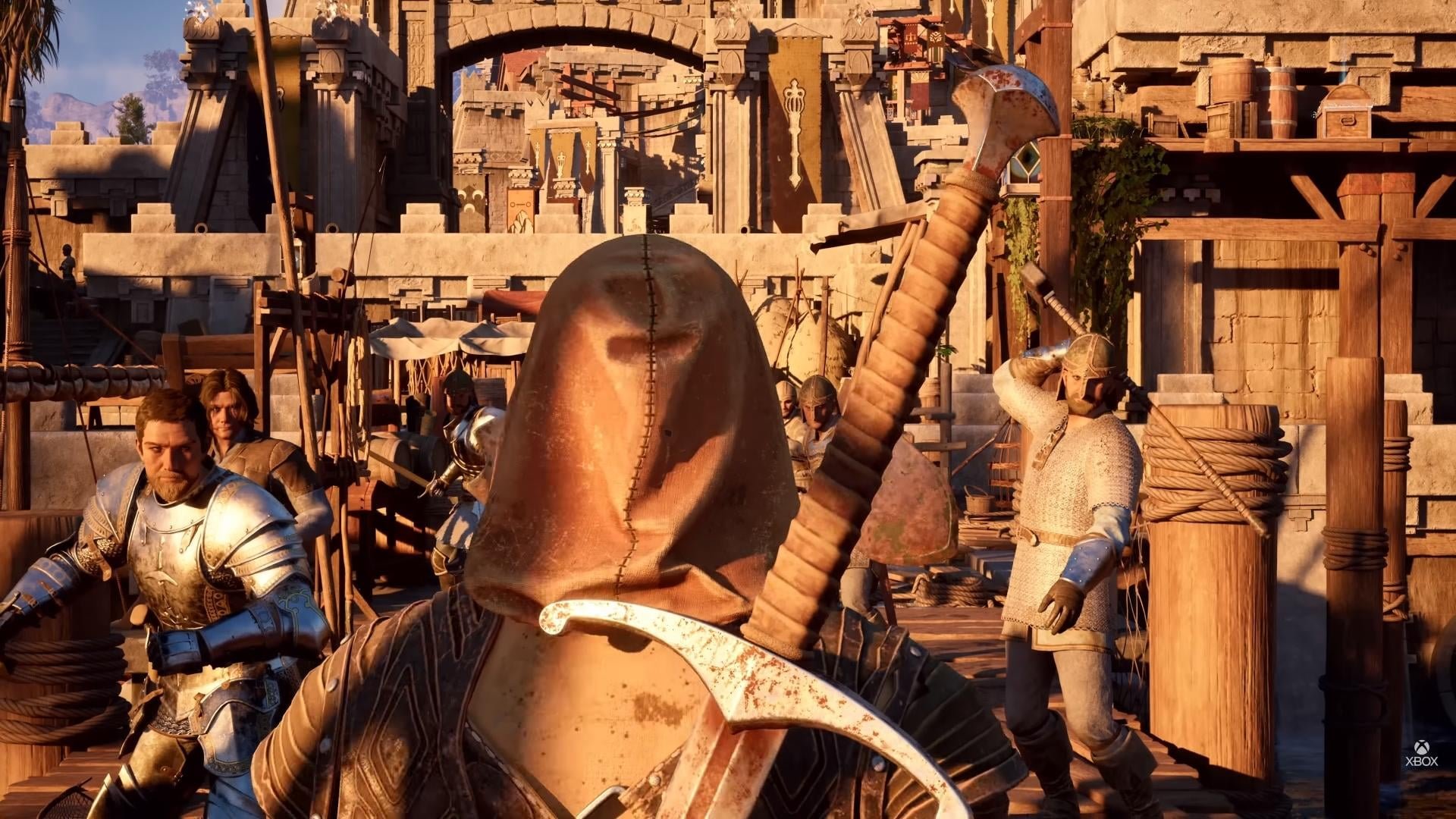
The world-building of Avowed constructs a deeply layered setting with distinct factions, varied landscapes, and a tangible sense of history shaping its current conflicts.
Obsidian’s upcoming RPG, Avowed, generates considerable interest, and a core component of its appeal stems from the intricate world they’ve built. Fans eagerly anticipate exploring the Living Lands, a place filled with diverse cultures and hidden secrets. Our aim here is to examine the specific qualities that contribute to the overall success of the game’s design. This Avowed world building analysis will dive deep into the lore, geography, and societies that comprise this new fantasy realm.

Avowed World Building Analysis
Let’s dive deep into the fascinating world of Avowed and explore how Obsidian Entertainment has crafted its setting. This isn’t just about pretty landscapes; it’s about the intricate details that make the game’s world feel alive and believable. We’re going to examine the various pieces that come together to create the Eora, focusing on the specific region of the Living Lands. From the history to the cultures, let’s see what makes this world tick.
The Living Lands: A Region Rich in History
The Living Lands, the primary location of Avowed, isn’t a blank slate. It has a long and complex history that shapes everything you see and experience. Imagine a land shaped by powerful forces and ancient events. That’s the Living Lands for you! It’s a place where the past is not just a story in a book; it’s woven into the very fabric of the environment and the people who live there.
The Nature of the Living Lands
The Living Lands is a place of striking contrasts. You’ll encounter lush forests, towering mountains, and mysterious ruins, all within relatively close proximity. This diversity isn’t just for show; it plays a crucial role in how different communities live and interact. The varied terrain also presents unique challenges for those who live there, impacting travel, agriculture, and warfare. It’s a dynamic region where nature itself seems to have a personality.
- Forests: Dense and potentially dangerous, filled with unknown creatures and resources.
- Mountains: Providing natural barriers and strategic vantage points, home to hardy communities.
- Ruins: Remnants of civilizations past, hinting at a rich but forgotten history.
Key Historical Events
Several significant events have shaped the Living Lands, leaving their mark on the land and its inhabitants. Understanding these events helps to understand the present conflicts and alliances within the game. The land is scarred with the echoes of past conflicts and triumphs, affecting the current dynamics in meaningful ways.
- Ancient Civilizations: The ruins you see aren’t just for decoration. They tell tales of previous cultures that thrived in the Living Lands before fading away.
- The Blight: A mysterious event that scarred the land, possibly impacting the life of inhabitants and flora in unknown ways.
- The Arrival of the Aedyran Empire: The arrival of a new empire that may have changed the region significantly, making a lasting impact on the native culture.
Cultures and Factions
The Living Lands are not just filled with varied terrain and ancient ruins, it is also home to diverse communities, each with its unique customs, beliefs, and political agendas. These groups often have complex relationships with one another, leading to intricate political dynamics.
The Aedyran Empire
As mentioned earlier, The Aedyran Empire is a major player in the Living Lands, impacting its people and culture. They are the most influential faction in the region. They are not native to the area, bringing their own laws, customs, and ways of life to the Living Lands, which often clashes with other communities. Their presence creates tensions and conflicts, playing a vital role in shaping the narrative of the game.
- Culture: Highly structured society with its own unique culture, traditions, and beliefs.
- Impact: Their arrival has caused conflict but also brought new technologies and ideas.
The Native Peoples of the Living Lands
Before the Aedyran Empire arrived, the Living Lands was home to various native peoples, each with their own history and culture. Many of these groups still exist, holding onto their traditions and values, sometimes resisting or adapting to the influence of the Empire. They are deeply connected to the land and often possess unique knowledge about the region’s history and resources.
- Culture: Diverse traditions, often connected to the land and its natural cycles.
- Resistance: Some resist the Empire’s influence, while others seek to coexist or adapt.
Other Factions and Groups
Beyond the Aedyran Empire and the native peoples, there are other smaller factions and groups with their own distinct goals and motivations. These smaller groups often add another layer of complexity to the political landscape, making the alliances and conflicts in the game even more intricate. Some might be religious cults, while others are trade guilds or even bandits, adding to the unpredictability of the region.
- Religious Orders: Groups with their unique beliefs, sometimes holding significant power.
- Trade Guilds: Influential in the economic and political landscape, looking for economic advantage.
- Outlaws and Bandits: Groups operating outside the law, presenting dangers for both individuals and communities.
The Role of Magic and The Soul
Magic and the concept of the soul play a central role in the world of Avowed. The way magic is used and understood shapes society, influencing technology, warfare, and everyday life. It also adds a layer of depth to the interactions and relationships between different factions. This system is woven into the game’s very fabric, making it more than just a gameplay mechanic.
The Nature of Magic
Magic in Avowed isn’t just about casting spells, it has its own rules, limitations, and impacts. It’s a system that the characters in the game understand and have been using for centuries. How people use magic is closely related to their beliefs and traditions, making it a vital part of the world’s lore.
- Sources of Magic: Where does magic come from? How do people learn to use it?
- Types of Magic: Different kinds of magic, each with its strengths and weaknesses.
The Significance of The Soul
The concept of the soul is fundamental to the game’s lore. It is more than just a metaphysical idea; it has very real and observable consequences. The way people view and interact with the soul affects everything from how they deal with death to how they wield magic. The state of a soul can influence magic, and certain individuals may have unique connections with it, impacting their actions and abilities in meaningful ways.
- Soul Manipulation: The ability to use souls for purposes such as healing or to power magic.
- Consequences: There may be moral implications associated with the manipulation of souls.
Environmental Storytelling
Obsidian Entertainment doesn’t just use dialogue and cutscenes to tell its story, they also use the environment itself. The architecture, the placement of objects, and the state of different locations all convey important pieces of information about the world. It’s a way of telling stories without using words, making exploration a rich and rewarding experience.
Ruins and Their Secrets
The ruins scattered around the Living Lands aren’t just for show, they tell us about the rise and fall of past civilizations. The state of the ruins, the architecture, and the remnants left behind each tell a part of the region’s story. These forgotten locations provide clues about the past, adding depth and complexity to the game’s lore. Investigating these places can reveal hidden details that may be crucial to the overall story.
- Architectural Styles: Different styles of building indicate different cultures and eras.
- Remnants of Past Lives: Objects and artifacts left behind by previous inhabitants provide clues about their daily lives.
Landscapes as Storytellers
Even the natural environment tells stories. The forests, mountains, and rivers all reflect the history of the Living Lands. Changes in the environment might show the effects of natural events, conflicts, or even the influence of magic. These landscapes are not just beautiful backdrops; they are integral to the world-building and help deepen the experience.
- Scarring: Marks on the land may reveal past battles, magical events, or natural disasters.
- Unique Flora and Fauna: The plant and animal life present in a location reveals the climate and unique aspects of the region.
Implications for Gameplay
All these aspects of the world building are not just for show, they have profound implications for the gameplay. How the world is structured affects the types of quests available, the enemies you’ll encounter, and the choices you’ll have to make. The intricate lore and cultures create a rich experience that feels dynamic and meaningful.
Quest Design
The political landscape and the history of the Living Lands directly affect the types of quests that players will find. Faction conflicts, ancient mysteries, and quests for survival are all common, offering a diverse range of gameplay opportunities. The world’s lore makes the quests feel meaningful, because the players will understand the history of the quests they are performing.
- Faction Quests: Working with or against various groups, each with their own agenda and needs.
- Lore-Based Quests: Discovering the secrets of the past by investigating ancient ruins and historical sites.
Character Interactions
The cultures and beliefs of the people in the Living Lands shape how players will interact with different characters. Dialogue will be influenced by political dynamics, religious beliefs, and past historical events. Understanding the culture of characters will be crucial for navigating social interactions and building relationships with them.
- Dialogue Options: Player’s choices will reflect their understanding of the cultures, leading to meaningful changes in the game.
- Relationship Building: Depending on dialogue choices players can build alliances or rivalries with characters.
Exploring the World
The environmental diversity and hidden locations provide a wealth of exploration opportunities. Discovering secret areas, ruins and hidden paths can provide additional rewards and deepen the player’s understanding of the world. The rich lore and stories hidden within the environment encourage players to explore every nook and cranny.
- Secret Locations: Finding hidden areas containing loot, lore, and special challenges.
- Unlocking Lore: Exploration will be rewarded by deepening their knowledge of the world and its history.
The world-building of Avowed is a complex and fascinating endeavor. Obsidian Entertainment has carefully woven together history, culture, magic, and environmental details to create a rich world for players to explore. This kind of attention to detail adds depth and complexity to the game, making it more than just a visual experience but a journey into a living, breathing world.
By understanding the various elements that make up the world of Avowed, we can appreciate the depth and complexity of the game and experience it in a new and meaningful way. From the long history and various cultures to the secrets hidden within ancient ruins and magical system, the world of Avowed is truly impressive. All of these elements enhance our gameplay and make every encounter feel alive.
Avowed – Massive Game Preview (Everything You Need to Know!)
Final Thoughts
Avowed’s intricate lore, factions, and regions craft a compelling setting for players to explore. The interplay between these elements showcases a carefully constructed world. Careful consideration of its systems is a must.
Avowed world building analysis demonstrates a commitment to detail. This attention enhances player immersion. The game creates an experience where players can really feel the impact.
This world, with its diverse cultures and complex history, offers a deep canvas for storytelling.

