
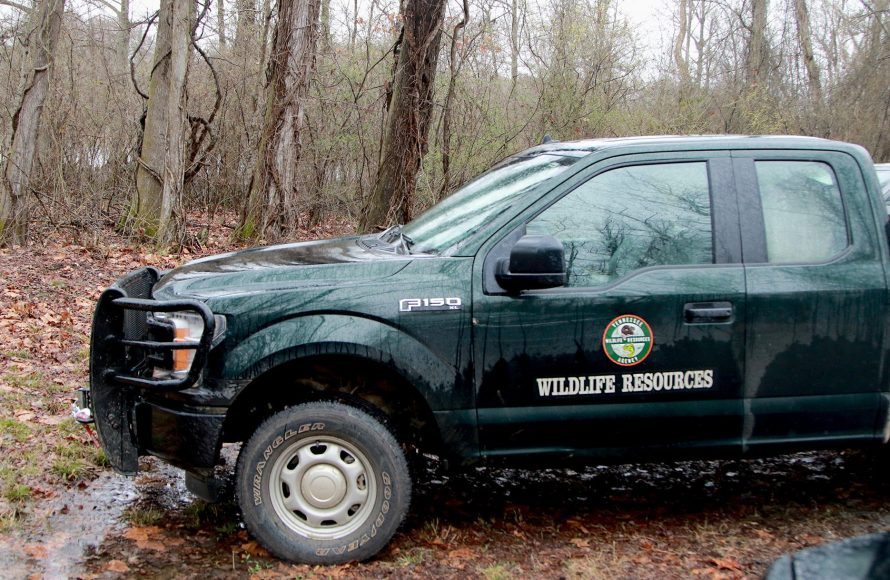
Game wardens can generally enter private property, but specific regulations and circumstances vary widely depending on jurisdiction and purpose.
The question of whether a game warden can enter private property often sparks debate among landowners and outdoor enthusiasts. Understanding the limits of their authority is key for both respecting the law and protecting individual rights. This is where we explore the specifics related to the question: can a game warden enter private property?
The power a game warden has to access land differs among locations. It is important to note that the rules can also change based on what the warden is doing – for example, if they’re following a wounded animal or investigating a suspected violation. This means navigating this issue requires knowledge of applicable local laws and rules.

Can a Game Warden Enter Private Property?
The question of whether a game warden can enter private property is a common one, and the answer is not always straightforward. It depends on various factors, including the specific laws of your state, the reason for the entry, and the type of property involved. Let’s dive deep into this important topic and explore the nuances of game warden authority and your rights as a property owner.
Understanding Game Warden Authority
Game wardens, also known as conservation officers or wildlife officers, are law enforcement officials responsible for protecting wildlife and enforcing hunting, fishing, and environmental laws. They have a critical job in preserving our natural resources for future generations. To carry out their duties, they are granted specific powers by law. These powers can include making arrests, issuing citations, and, crucially, entering onto private property under certain circumstances. However, this authority is not unlimited; it is defined by legal parameters and must respect the rights of property owners. It’s important to remember that these laws and powers can vary significantly from state to state. So, what might be allowed in one place could be a violation in another.
What is “Private Property” in This Context?
When we discuss private property, it usually refers to land that is owned by an individual or entity, as opposed to public lands that are owned by the government or general public. This includes residential areas, farmlands, woodlands, and other areas not specifically designated as public property. The key point is that the landowner has certain rights regarding who can access their land and what activities can occur there. These rights are typically protected by law, but they’re not absolute, and government officials like game wardens have some exceptions.
When Can a Game Warden Enter Private Property?
Game wardens generally have the legal authority to enter private property in a few specific situations:
- With a Warrant: Just like police officers, game wardens can obtain a warrant from a judge to search private property if they have probable cause to believe that a crime related to wildlife or environmental laws has been committed. This warrant specifies the property to be searched, what they are looking for, and the date and time of the search.
- “Open Fields” Doctrine: A very important concept is the “open fields” doctrine. This allows game wardens to enter and conduct observations in “open fields” even without a warrant. This doctrine typically applies to undeveloped or unoccupied land that is not immediately adjacent to a home. Examples include:
- Woodlands
- Fields
- Pastures
- Undeveloped land
This doctrine is based on the idea that these open areas are not considered part of the curtilage (the area immediately surrounding the house) and therefore don’t carry the same privacy protections as the home and its immediate surroundings. Keep in mind, the interpretation of “open field” can sometimes be the subject of debate. The specific definition can vary somewhat depending on jurisdiction.
- “Hot Pursuit”: If a game warden is actively pursuing someone they have probable cause to believe committed a wildlife crime, they can enter onto private property to continue the pursuit. This is similar to the “hot pursuit” exception for other law enforcement agencies. This allows immediate action to capture a suspect and collect any evidence.
- Exigent Circumstances: In emergency situations where there is an immediate need to prevent harm to wildlife or people, a game warden can enter private property. This could involve, for example, responding to a report of a person trapping an endangered species or taking action to prevent a significant pollution incident that threatens an ecosystem.
- Consent: Of course, if a property owner explicitly grants permission, a game warden can enter the property. It’s essential to understand your rights, so if a game warden asks to enter your land, you can ask for more information and decide whether or not to consent. You have the right to decline entry, unless the warden has a warrant or one of the other above exceptions.
- Public Access Easements: Certain easements, such as those for public utilities or water access, may grant game wardens the right to enter private land within the easement area.
Situations When Game Wardens May NOT Enter Private Property
It is important to be clear about situations where a game warden cannot legally enter your property without a warrant. The Fourth Amendment of the U.S. Constitution protects citizens from unreasonable searches and seizures. Generally speaking, game wardens cannot cross over the “curtilage” of your house without a warrant. Curtilage is the area immediately surrounding your home, where your most private and personal activities occur. This can include:
- The yard directly around your house
- The porch
- The driveway
- Any fenced-in area very close to the house
- Outbuildings closely associated with the home, like a garage or shed.
Game wardens cannot enter this private space without a warrant unless one of the exceptions described above applies, such as “hot pursuit” or exigent circumstances. This distinction is crucial to understand when asserting your property rights.
What to Do If a Game Warden Approaches Your Property
Encountering a game warden on your property can be unsettling, but it’s essential to remain calm and respectful. Here are some steps to follow:
- Be polite: Always treat the game warden with courtesy and respect. Even if you don’t agree with the warden, being polite is important and can lead to less friction.
- Ask for Identification: Ask to see the warden’s official badge and identification. Verify their credentials to ensure they are legitimate.
- Inquire the Reason for Entry: Ask the game warden why they want to enter your property. Understand the specific reason behind their request. They should be willing to share the information with you.
- Do Not Resist: If they have a warrant or legal right to enter (like “hot pursuit”), do not attempt to block or physically resist the entry. Resisting a law enforcement officer can lead to additional problems and legal charges.
- Know Your Rights: It is important to know your rights regarding private property. Understanding your state’s laws on private property and game warden authority is your right, and if you are not sure consult with a legal professional to better understand your legal rights.
- Document the Interaction: Take notes of the date, time, the warden’s name, badge number, and any details of the interaction. This documentation could be valuable in case you have to make any claim later.
- Do not argue: Do not start arguing with the game warden. Keep your interactions peaceful.
- Consider legal counsel: If you believe a game warden has violated your rights, you should immediately consult a lawyer or legal professional specializing in property rights or civil rights matters. They can help you understand your options and make informed decisions.
State Laws and Variations
As stated earlier, the laws regarding game warden authority can vary considerably among the states. For example, some states might have stricter definitions of “open fields,” whereas others may offer more specific protections for farmland. Some states may also have unique requirements for game warden interaction with private property owners, such as requiring them to leave written notice after an entry, especially in certain circumstances. Therefore, it is essential to familiarize yourself with your own state’s laws. You can typically find this information on your state’s wildlife agency or department of natural resources website. It is also important to understand any specific local regulations within your area. By taking time to review the laws of your state, you are more equipped to understand your own rights, and respond appropriately, if a game warden visits your property.
Key Terms
To fully grasp this topic, it’s important to know the meanings of some key legal terms that are frequently used:
- Probable Cause: A reasonable belief, supported by facts, that a crime has been or is being committed. It must be more than just a hunch. Probable cause is what law enforcement typically needs to obtain a search warrant.
- Warrant: A legal document issued by a judge, authorizing law enforcement officers to search a specific location or seize items.
- Curtilage: The area immediately surrounding a home, which is considered part of the home itself for privacy protections.
- Open Fields Doctrine: A legal concept allowing law enforcement to enter and search open fields without a warrant, which does not include the curtilage.
- Exigent Circumstances: An emergency situation that justifies an entry onto private property without a warrant, usually due to safety or other immediate threats.
Protecting Your Property Rights
Understanding your property rights is essential to ensuring that law enforcement interactions are fair and legal. Here are some steps you can take:
- Know the Laws: Research and understand your state’s laws regarding game warden authority and private property. This can be done by checking online resources, contacting legal experts, or by reviewing your state wildlife agency’s policies.
- Post Signs: Post clear “No Trespassing” signs on your property, especially if you have land that is not obviously associated with your residence. Doing so creates clear evidence that you want to exclude others from your land.
- Secure Your Property: If possible, install fences, gates, or other barriers around your property to clearly demarcate boundaries, particularly areas you would consider to be part of your curtilage.
- Maintain Records: Keep records of any interactions with law enforcement. Include notes about the date, time, officials involved and any details related to their presence. This information can be useful if any future disputes arise.
- Consult an Attorney: If you feel your rights have been violated, seek immediate advice from a qualified legal professional who specializes in property rights. They can advise you on the best course of action and legal strategy.
Navigating the intersection of game warden authority and private property rights can be complex. Understanding the specific scenarios where a game warden can enter your property, and your rights in those situations, is essential for property owners. While game wardens play a crucial role in protecting our natural resources, their powers are not unlimited. By knowing your rights and responsibilities, you can ensure your interactions with them are both lawful and respectful.
Law Enforcement Caught Snooping on Private Land… Again
Final Thoughts
Game wardens generally can enter private property under specific circumstances, usually related to enforcing wildlife laws or investigating violations. They must have probable cause or a warrant, depending on the situation.
A game warden’s entry without permission is limited, protecting landowner’s rights. However, when evidence of a crime involving wildlife exists, they can access the property. The key question, therefore, is: ‘can a game warden enter private property’, and the answer depends on the context.

