
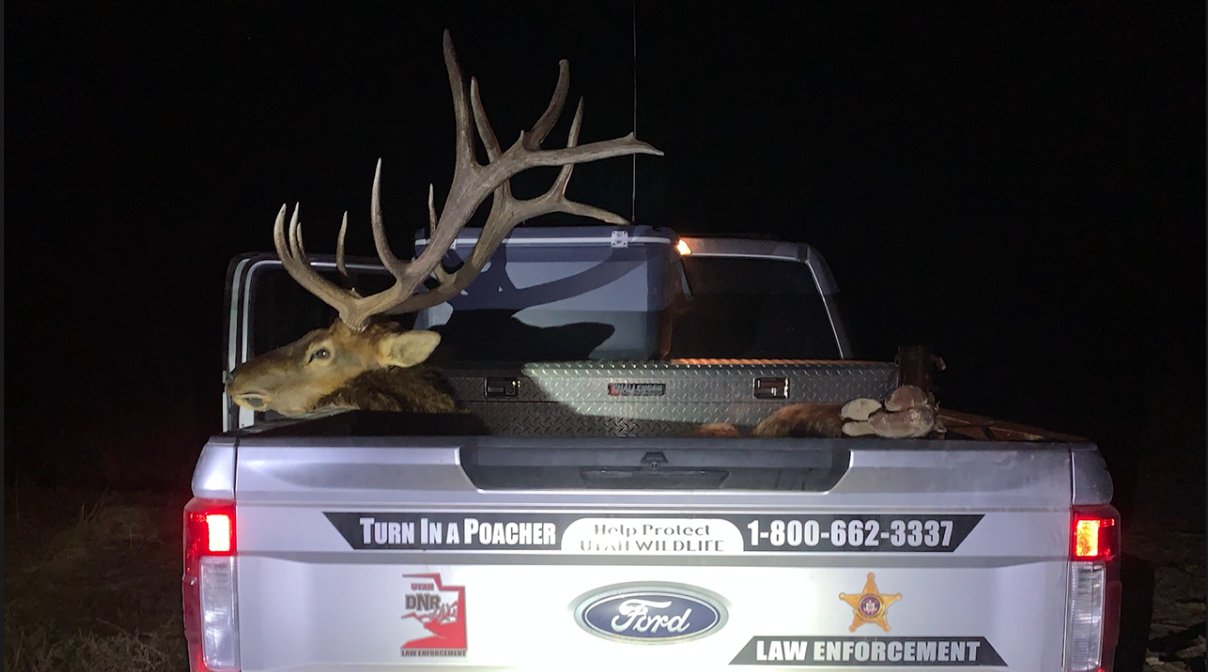
Yes, a game warden can pull you over on the highway if they have a reasonable suspicion of a wildlife or conservation law violation.
Have you ever wondered about the extent of a game warden’s authority? Many people question if their jurisdiction extends beyond forests and waterways. Specifically, the thought of “can a game warden pull you over on the highway” often crosses minds. This question is valid, as it brings up concerns about law enforcement and our understanding of their roles. Understanding their powers helps you stay informed about the laws.

Can a Game Warden Pull You Over on the Highway?
The question of whether a game warden can pull you over on the highway is something many people wonder about, especially if you enjoy the outdoors. It might seem strange, but game wardens, also sometimes called conservation officers, have a really important job that sometimes extends beyond the woods and lakes. Let’s dive into the details to fully understand their authority and when they might stop you on the road.
Understanding the Role of a Game Warden
First, it’s essential to know what game wardens actually do. They are law enforcement officers, but they specialize in enforcing laws related to wildlife, hunting, fishing, and the environment. Think of them as the guardians of our natural resources. Their main responsibilities include:
- Enforcing Hunting and Fishing Regulations: This means making sure everyone has the proper licenses, follows bag limits, and uses legal methods for hunting and fishing.
- Protecting Wildlife: They work to prevent poaching and the illegal trade of animals and animal parts.
- Conserving Habitats: They patrol areas to ensure that habitats are not being harmed by illegal activities.
- Promoting Public Safety: This includes making sure that those engaging in outdoor recreation do so safely.
These duties often take them to remote areas, but sometimes, their work brings them to public roads, including highways.
The Authority of Game Wardens
Now, let’s get to the heart of the matter. Can a game warden actually pull you over on the highway? The simple answer is, it depends. Their authority to stop vehicles isn’t quite the same as a regular police officer. Game wardens typically have specific reasons for initiating a traffic stop. It’s not like they can pull over anyone they feel like. Here’s a breakdown:
Reasonable Suspicion
Game wardens, like other law enforcement, usually need “reasonable suspicion” to pull you over. This means they must have a valid reason to believe that you have violated some law related to their area of expertise. Some examples of reasonable suspicion include:
- Observed violations: If a warden sees you transporting a deer in the back of your truck and it looks like it’s being transported improperly, that could be a reason to stop. Or, if they witness you loading a fish that seems out of season, that gives them grounds to pull over.
- Information from reliable sources: If a reliable witness reports someone leaving a known poaching area with something that looks suspicious, that can lead to a traffic stop.
- Vehicle matching descriptions: If a vehicle fits the description of one involved in recent illegal hunting or fishing activity, this might lead to a pull-over for questioning.
Specific Laws and Regulations
Each state has its own set of laws and regulations that govern the authority of game wardens. These laws define when and why a warden can conduct a vehicle stop. It’s always best to consult your local wildlife agency’s website for specifics. Here’s the thing: it’s not a blanket authority. Game wardens are usually limited to stopping vehicles when it’s related to their law enforcement responsibilities. A game warden in most jurisdictions could stop you to inspect a boat trailer, if you were close to a body of water, but likely could not pull you over for speeding unless they were also deputized as a state or local police officer.
When a Game Warden Might Pull You Over
So, when might you encounter a game warden initiating a traffic stop? Here are some common scenarios that could lead to a game warden pulling you over:
- Transporting Game: If you’re transporting freshly harvested game, such as a deer, turkey, or fish, a game warden might stop you to check your license, tags, and the legality of the harvest. This could happen on any road, including a highway near a hunting area.
- Suspicious Equipment: If you have hunting, fishing, or trapping gear that looks like it’s being used illegally, the warden might stop you. For instance, if you’re driving at night with spotlights, a warden may think you’re using them to illegally hunt deer.
- Near Hunting or Fishing Areas: If your vehicle is near a known hunting or fishing area, and you have equipment that suggests you were engaged in that activity, you could be stopped.
- Safety Violations: If they notice something related to safety, like improperly secured items or the way a boat is being towed, they might have authority to stop you, even if that is not the primary concern.
- Roadblocks in Specific Areas: During certain times of the year, game wardens might set up roadblocks to check vehicles leaving certain hunting or fishing areas. These are usually done in partnership with other law enforcement agencies and may not be specific to game wardens’ authority.
- Cooperation with Other Agencies: Sometimes, game wardens work alongside other law enforcement to participate in general traffic checkpoints. While that is not primary responsibility, it sometimes happens.
What to Do If You’re Pulled Over
It’s crucial to know what to do if a game warden does pull you over. Being respectful and cooperative can prevent a bad situation from getting worse.
Steps to Follow
- Pull Over Safely: As soon as you realize a game warden is signaling for you to stop, pull over to the side of the road as soon as it is safe. Be sure that you are not creating a hazard for other traffic.
- Stay Calm and Polite: It’s important to keep your cool. Be respectful to the game warden, just like you would be to a police officer.
- Provide Identification: The game warden might ask for your driver’s license, hunting license, fishing license, or any other relevant documentation. Hand it over when asked.
- Answer Questions Honestly: If they ask you questions about your activities or equipment, answer honestly. Lying to an officer is against the law.
- Allow Inspection: They might ask to inspect your vehicle or the game you’re carrying. Cooperate with these requests.
- Do Not Argue: Arguing with the officer is not going to help you in most situations. Even if you believe that the warden is wrong or mistaken, it’s best to remain calm and address these later.
Important Considerations
- Know Your Rights: It is a good idea to educate yourself on your rights during a traffic stop, while remembering that failing to cooperate may still lead to trouble.
- Document the Interaction: After the stop, if you feel like you’ve been treated unfairly or improperly, it is a good idea to make a detailed account of the interaction. Include the date, time, location, and details of the encounter, to better support any action you may choose to take after the fact.
- Seek Legal Advice: If you believe you were unfairly treated or issued an incorrect citation, seek legal help.
Game Wardens and Search Warrants
Game wardens, just like other law enforcement officers, usually need a search warrant to search your vehicle or property. However, there are some exceptions.
Warrantless Searches
There are some cases where a game warden can search without a warrant. These exceptions often apply when there is probable cause and a time factor is involved. This includes:
- Plain view: If illegal game or equipment is clearly visible, a warrant isn’t needed to examine it.
- Consent: If you give the game warden permission to search your vehicle, they can do so without a warrant.
- Exigent Circumstances: If there is an urgent situation, such as imminent destruction of evidence or hot pursuit, a game warden might conduct a search without a warrant.
The Differences Between Game Wardens and Other Law Enforcement Officers
While they both enforce the law, the scope of a game warden’s authority is not the same as that of other law enforcement officers. Here are the main differences:
Primary Responsibilities
- Game Wardens: Focus on wildlife, conservation, hunting, and fishing regulations. Their primary focus is protecting natural resources and regulating related activities.
- Police Officers: Handle a much wider range of law enforcement duties, including traffic violations, theft, domestic disputes, and more. They enforce general criminal laws.
Jurisdiction
- Game Wardens: Their jurisdiction is usually limited to specific areas, such as state parks, wildlife management areas, and bodies of water. They may not have the same broad authority on public highways, unless tied to their specific duties.
- Police Officers: Have a much wider area of jurisdiction, including entire cities, counties, or even states. They have more general authority in those areas.
Training
- Game Wardens: Undergo specialized training focused on wildlife management, conservation laws, and related enforcement techniques.
- Police Officers: Receive more general law enforcement training, often including defensive driving, criminal investigation, and community policing.
Why Game Wardens Are Important
It’s important to remember that game wardens play a vital role in conserving our natural resources and making sure that everyone has the opportunity to enjoy them. By upholding the law, they help prevent over-harvesting, illegal poaching, and damage to our habitats. They are also an important line of defense against the introduction and spread of invasive species and diseases, which can have disastrous effects on our ecosystems.
The Legal Framework
The laws that govern game wardens’ authority are complex. They differ from state to state. It’s worth taking a look at the specific rules in your state to have a better idea of what is permissible. Typically, these laws include:
- State Wildlife Codes: These laws provide the base authority for game wardens to enforce hunting and fishing rules and regulations.
- Traffic Laws: General traffic codes will usually play a role in how a game warden interacts with you on a public road.
- State Constitutions: These documents also grant law enforcement agencies authority to do their jobs.
Staying Informed
The best way to make sure you follow the rules and stay out of trouble with a game warden is to be well-informed. Here are some good tips for staying in the know:
- Consult Your Local Wildlife Agency: Always check with the specific agency responsible for hunting and fishing rules in your state or county.
- Read Hunting and Fishing Regulations Carefully: These regulations change every year. Make sure you understand the rules before you head out.
- Check Agency Websites: Many agencies have websites, or social media pages, that publish information regarding law enforcement activities, or regulatory changes.
- Enroll in a Hunter Safety Course: Most states require hunters to take these courses. They are great places to learn about local laws and safety considerations.
Game wardens are an important part of protecting our natural world, and they perform important law enforcement functions. They can stop you on the highway when they have a reasonable suspicion of a violation, or when it’s related to their duties. By understanding what game wardens do and knowing your rights, you can ensure that your interactions with them are smooth and uneventful.
Ask Trooper Steve: Can wildlife officers pull you over in Florida?
Final Thoughts
Game wardens generally possess authority to enforce laws related to wildlife and natural resources. Their jurisdiction often extends beyond designated hunting areas. They can, at times, operate on public roadways when relevant to their duties.
The critical issue is that they must have a legal reason for a traffic stop. This could relate to hunting violations or other infractions within their purview. Therefore, “can a game warden pull you over on the highway” is answered with a qualified yes, contingent on their specific legal grounds.

