
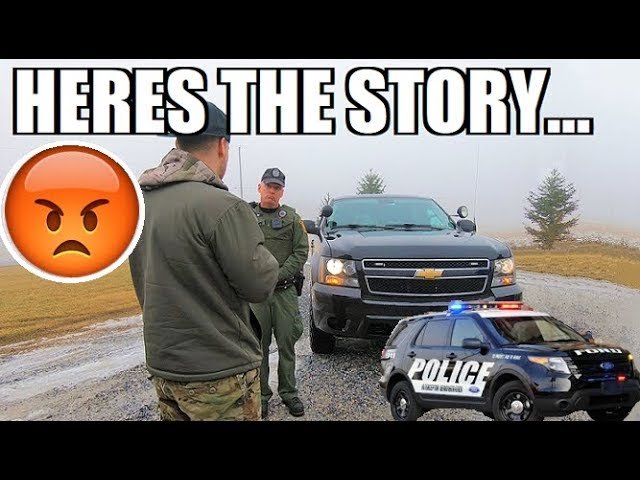
Yes, a game warden can pull you over, especially if they suspect you’re violating hunting, fishing, or other wildlife regulations.
Ever wondered about the extent of a game warden’s authority? It’s a question many outdoor enthusiasts ponder: can a game warden pull you over? These officers do have the power to stop vehicles, not just on backroads and trails but also sometimes on public roads.
This authority helps them enforce wildlife laws and protect natural resources. Knowing when and why they might do this can help you be prepared for any encounter in the field.

Can a Game Warden Pull You Over?
Have you ever been out enjoying nature – maybe fishing, hiking, or hunting – and
wondered if that truck you just saw, the one with the official-looking logo, could
pull you over? That truck probably belonged to a game warden. Understanding what
these officers do and what their powers are can really help you stay safe and
respect the law while enjoying the outdoors. It is important to remember that game
wardens are law enforcement officers, but their focus is mainly on wildlife and
natural resources.
Understanding the Role of a Game Warden
Game wardens, also sometimes known as conservation officers or wildlife officers,
have a very important job. They work to protect our natural world and all the
animals that live in it. These are not just park rangers who give out maps or help
with campsites. Game wardens are sworn law enforcement officers, just like police
officers you might see in town. Their duties include enforcing hunting, fishing,
and boating regulations; investigating wildlife crimes; promoting conservation;
and much more. They ensure that everyone follows the rules so that animals and
their habitats stay healthy for many years to come.
Key Responsibilities of a Game Warden
Let’s take a closer look at what a game warden actually does day-to-day:
- Enforcing Wildlife Laws: This is a big part of their job. They make sure hunters and
fishers have the correct licenses and that they are following the rules about
when, where, and what they are allowed to hunt or fish. - Investigating Wildlife Crimes: If someone does something illegal, like poaching (hunting
animals illegally) or harming a protected animal, game wardens investigate to find
out what happened and bring the people responsible to justice. - Protecting Habitats: Game wardens work to protect the places where animals live,
such as forests, rivers, and wetlands. This means making sure people don’t damage
these areas. - Educating the Public: They also help teach people about wildlife, conservation, and
how to enjoy the outdoors safely and responsibly. You might see them giving
presentations at schools or community events. - Responding to Emergencies: Sometimes, game wardens even respond to emergencies like
injured animals or search-and-rescue missions in the wilderness.
Game Warden’s Authority
Now, let’s consider the scope of their authority. Just like police officers, game
wardens have the authority to enforce laws. They have the power to stop individuals
to check hunting and fishing licenses, inspect equipment like guns and fishing rods,
and investigate suspected violations. This authority is crucial for effectively
protecting wildlife and managing natural resources.
The Power to Pull You Over
So, can a game warden actually pull you over? The short answer is, yes, under
certain circumstances. Game wardens have the authority to stop vehicles, boats,
and even individuals on foot in areas where they have jurisdiction. This is very
similar to the authority a police officer has. However, their authority usually
focuses on things related to wildlife and natural resource laws.
When Can a Game Warden Initiate a Stop?
It’s important to understand that game wardens don’t just stop people randomly. They
need a reason to make a stop. Here are some common reasons why a game warden might
pull you over:
- Suspicion of Illegal Activity: If a game warden sees something that looks like a violation of
wildlife laws – maybe someone is hunting out of season, or a boat is operating
in a prohibited area – they can pull that person over to investigate. - Routine Checks: In some areas, game wardens might conduct routine checks of licenses
and equipment. These checks are usually done in places where hunting and fishing are
common, like boat ramps or trailheads. - Traffic Violations: While they are not primarily traffic enforcement officers, a game
warden can also pull you over for traffic violations that they witness, especially
if it is on roads or trails under their jurisdiction, like reckless driving on a
forest service road. - Reasonable Suspicion: Just like any other law enforcement officer, a game warden can
pull you over if they have reasonable suspicion that you may be involved in illegal
activity. This “reasonable suspicion” is based on observations and reliable
information.
Where Can a Game Warden Stop You?
Game wardens’ jurisdiction isn’t always limited to just forests and lakes. They
might have authority on:
- Public Lands: This includes national and state parks, forests, wildlife refuges, and
other areas that are owned by the government. - Private Lands: With certain exceptions, a game warden can go onto private land to
investigate suspected violations, especially in regards to hunting or fishing. - Waterways: They have jurisdiction on rivers, lakes, and coastal areas.
- Roadways: They can make vehicle stops on roads that are under their jurisdiction,
including many rural highways and dirt roads.
However, it is important to know the specific laws in your state. Different
states have different rules regarding the scope of game wardens’ authority.
What to Expect During a Stop
If a game warden pulls you over, it’s essential to remain calm and cooperative. Remember,
they are there to enforce the law and keep our natural resources safe for everyone to enjoy. Here’s what a stop might look like:
- The Stop: The game warden will usually activate their vehicle’s lights and
likely use a siren to signal you to stop. - Identification: They will identify themselves as a game warden and likely tell you
the reason they stopped you. - License and Permits: Be ready to show your hunting, fishing, or boating license and
any other necessary permits. - Equipment Checks: The game warden may ask to inspect your hunting or fishing equipment,
your boat, or your vehicle, depending on the situation. - Questions: They might ask you questions about your activities. Be honest and do not
give false information to a law enforcement officer. - Follow Instructions: It’s essential to follow all the instructions the game warden gives
you. If you are cooperative, the stop is likely to be quick and you can get back
to enjoying your time outdoors.
Your Rights During a Stop
Even during a stop by a game warden, you have rights. Here are some things to
keep in mind:
- Right to Remain Silent: You have the right to remain silent and not answer questions,
but you should provide your license and permits if asked. - Right to Refuse Searches: In most situations, game wardens need a search warrant to
search your private property, but this can depend on state laws. They don’t need a warrant to
search items or vehicles which may contain illegal fish or wildlife. - Right to a Lawyer: You have the right to have an attorney present if you think you have
done something that might be against the law. - Right to Record: In many states it is legal to record video or audio of police officers,
including game wardens, as long as it does not interfere with their duties or
violate someone’s privacy.
It’s always good practice to be aware of the rules in the area you are in.
Avoiding Problems with Game Wardens
The easiest way to avoid any problems with a game warden is to follow all the
rules and regulations. Here are some tips to help you stay out of trouble:
- Get the Proper Licenses: Always get the right licenses and permits for any activity you
plan to do. Don’t try to cut corners or take chances. - Know the Regulations: Before heading out, make sure you know the rules for the specific
area you are visiting. These may include hunting seasons, size limits for
fish, or other rules. - Be Aware of Boundaries: Know where public lands end and where private lands begin.
Trespassing can lead to fines and penalties. - Be Responsible: Practice good outdoor ethics. Don’t litter, leave campfires unattended,
or do anything else that could harm the environment. - Respect Wildlife: Avoid disturbing or harassing wildlife. Keep your distance and enjoy
the natural beauty without interfering with the animals. - Be Polite: If you are stopped by a game warden, be calm and respectful. Most
encounters are routine and quick, so being cooperative and pleasant will
make it easier for everyone.
Game Warden Interaction: Case Scenarios
Let’s look at a few common scenarios and how you should handle them:
Scenario 1: Routine License Check
You’re fishing at a local lake, and a game warden approaches to check licenses.
How to Handle:
- Stay calm and polite.
- Have your fishing license ready to show.
- Answer their questions truthfully.
- If everything is in order, you’ll be on your way quickly.
Scenario 2: Suspicion of Illegal Hunting
You’re hunting and a game warden suspects you’re hunting in an area that’s off-limits.
How to Handle:
- Stay calm and cooperate with the warden.
- If you know you’ve made a mistake, be upfront and honest about it.
- Provide any information and show your permits.
- Don’t resist any lawful orders.
Scenario 3: Traffic Stop on a Forest Service Road
You are driving on a forest service road when a game warden pulls you over.
How to Handle:
- Pull over safely.
- Be respectful to the game warden.
- Be prepared to show your driver’s license, and any permits.
- If you were speeding or violating traffic rules, you may get a warning or a citation.
The Importance of Game Wardens
Game wardens play a key part in keeping our natural resources healthy and
available for all to use for the years to come. Without their work, there could be
over-hunting, over-fishing, and harmful habitat destruction that would cause
irreparable harm. They are on the front lines of wildlife conservation, and they
help make sure that everyone is following the rules so that everyone can enjoy
the outdoors. By being respectful of their authority and following all the rules,
you are helping them do their important work.
It’s important to understand that game wardens are not just there to give out
tickets. They are dedicated to protecting wildlife, enforcing natural resources
laws, and promoting responsible enjoyment of the outdoors. Their presence helps
to ensure the long-term health of our environment, and it ensures our natural
resources are available for future generations.
Understanding the role of a game warden and your rights can make any interaction
much more straightforward and less stressful. Following the rules and being
respectful is the best way to ensure that you have a safe and fun experience
when enjoying the great outdoors.
Ask Trooper Steve: Can wildlife officers pull you over in Florida?
Final Thoughts
Yes, a game warden can pull you over. They possess authority to stop vehicles, similar to other law enforcement, especially in areas related to wildlife and natural resource management. This action is a crucial part of their job ensuring compliance with relevant laws.
They must have a reasonable suspicion of a violation. Their power extends to conducting inspections, checking licenses, and ensuring the well-being of wildlife. So, when thinking about “can a game warden pull you over,” remember they have a legitimate reason to do so.

