
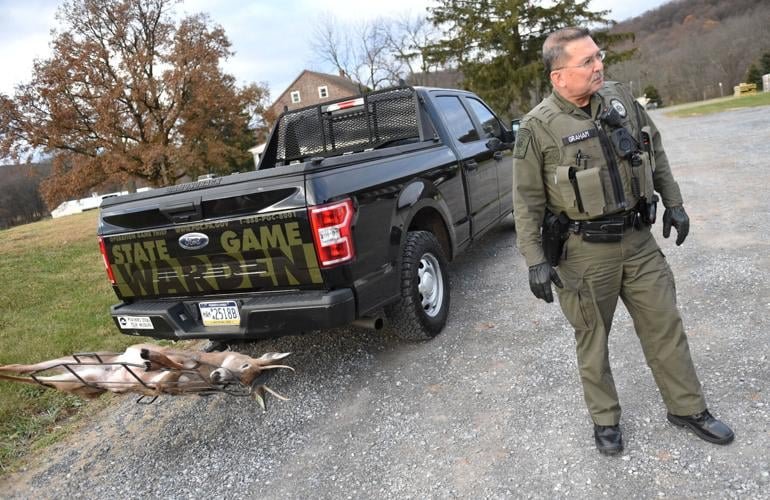
Yes, a game warden can take your gun if it is being used illegally, is evidence in a crime, or if you are not legally allowed to possess it.
The outdoors call to us with promises of adventure, but what happens when you encounter a game warden? The question often arises: can a game warden take your gun? It’s a serious concern for many hunters and outdoor enthusiasts. Understanding the legal parameters is crucial to avoid unwanted trouble during your time in nature.
This article will delve into the specific instances where a game warden has the authority to seize your firearm. We will explore the legal grounds and scenarios that may lead to such action. Knowing your rights and responsibilities is important when interacting with law enforcement in the wilderness.

Can a Game Warden Take Your Gun? Understanding the Rules
The question of whether a game warden can take your gun is a serious one for anyone who enjoys hunting, fishing, or spending time in the outdoors. It’s not a simple yes or no answer; it depends on various factors, including the specific circumstances, state laws, and federal regulations. Let’s break down the different situations where a game warden might seize your firearm, and what rights you have as a responsible gun owner.
What are Game Wardens and Their Authority?
Before diving into the specifics of firearm seizure, it’s important to understand who game wardens are and what they do. Game wardens are law enforcement officers who work to protect wildlife and enforce hunting, fishing, and conservation laws. They are often employed by state agencies, like a Department of Natural Resources (DNR) or a Fish and Wildlife agency. These officers have a lot of authority within their jurisdiction, which usually includes state lands, lakes, and rivers. They are not just there to write tickets; their main purpose is to keep wildlife safe and ensure fair play in the outdoors. A game warden’s responsibilities can vary slightly from state to state, but generally include:
- Enforcing hunting and fishing regulations.
- Investigating wildlife crimes.
- Responding to reports of poaching or illegal hunting activities.
- Checking hunting and fishing licenses.
- Ensuring proper use of equipment, including firearms.
- Educating the public about wildlife conservation.
Game wardens have the power to issue citations, make arrests, and, in certain circumstances, seize property. This property can include firearms, hunting equipment, vehicles, and even illegally taken wildlife. This authority is granted to them to ensure that natural resources are managed correctly and protected for future generations. Think of them as the police force of the woods and water, working to keep things in order.
When Can a Game Warden Seize a Firearm?
Now, let’s get to the core of the issue: when can a game warden take your gun? Generally, a game warden cannot just seize your firearm arbitrarily. They need a valid legal reason to do so. These reasons typically fall into several categories, including:
Violations of Hunting Laws
The most common situation where a game warden might take your gun is when you’ve violated a hunting law. This could include:
- Hunting out of season: If you’re hunting a species of animal outside of the designated season, it’s a violation.
- Hunting without a license: If you are hunting without the proper state license or tags, you might have your gun seized.
- Exceeding bag limits: If you’ve taken more animals than allowed by law, it can lead to firearm seizure, especially if the firearm was used in the violation.
- Hunting in a prohibited area: If you are hunting in a place that is restricted like a wildlife sanctuary or a private property without authorization, it is considered a violation.
- Using an illegal weapon: If you’re using a firearm that is not permitted for a certain kind of hunting, it may result in your firearm being taken. For example, a centerfire rifle for deer hunting when only shotguns are allowed in a certain zone
- Loaded firearms in vehicles: Many states have laws against transporting loaded rifles or shotguns in vehicles, especially on public roads.
In these situations, if a game warden observes or believes you committed a violation while using your firearm, they have the authority to seize it as evidence. This doesn’t necessarily mean you will lose the gun permanently, but it will be held until the case is resolved.
Evidence of a Crime
A game warden can also seize a gun if they have reasonable suspicion that it was used in the commission of a crime, this can be beyond hunting violations. For example, if a game warden finds evidence that your gun was used in the illegal killing of an endangered animal, they can seize the firearm as evidence. They might also take the gun if they find it was used in a shooting where a person was injured. Here, a game warden is not acting as a simple enforcement officer of game laws, but more as a law enforcement officer of general criminal law.
Safety Concerns
In rare cases, a game warden might seize a firearm if they believe it poses an immediate threat to public safety. If, for example, they observe someone handling a firearm carelessly or in a reckless manner, that could justify temporary seizure. The focus here is on preventing immediate harm, and not necessarily a criminal investigation.
During a Lawful Arrest
If a game warden makes a lawful arrest, they may seize any weapons present as part of the arrest procedure. This is a standard law enforcement procedure to ensure the safety of the officer and the public. They might take a weapon even if the arrest is not directly related to a hunting violation.
What are Your Rights if a Game Warden Takes Your Gun?
It’s crucial to understand your rights if a game warden seizes your firearm. Here are some key things to know:
Right to a Receipt
When a game warden takes your gun, they should provide you with a receipt. The receipt should include a detailed description of the firearm, the date it was seized, and the reason for the seizure. Make sure the information is accurate and keep the receipt in a safe place, as it is your proof that your gun is in the custody of the agency.
Right to Due Process
You have the right to due process. This means you are entitled to a fair legal process before the government can deprive you of your property. You’ll have a chance to present your case in court and challenge the seizure. The specific procedures might vary by state, but the principle of due process remains the same.
Right to an Attorney
You have the right to hire an attorney. If you are facing serious charges or you believe the seizure of your firearm was unlawful, you should definitely consult with a lawyer who has experience in hunting and wildlife law. An attorney can help you understand your rights and navigate the legal proceedings.
Right to Get Your Firearm Back
Just because a game warden takes your gun doesn’t mean you’ve lost it forever. If you are not found guilty of the charges that led to the seizure, your firearm should be returned to you. Even if you are found guilty, some states have policies or procedures for returning firearms after a certain time. It’s really important to know your specific state laws on this. The process can be long and complicated, but you usually have the legal right to request its return once all legal procedures are over.
Key Considerations for Responsible Gun Owners
While game wardens have the authority to enforce the law, it’s still your responsibility to be a safe and responsible gun owner, and keep yourself within the bounds of the law. Here are some ways to protect your right to own a firearm while enjoying the outdoors:
Know Your State’s Hunting Laws
Hunting laws vary greatly from state to state. Before heading into the woods, it’s important to do your research to see what’s legal in the area you’re hunting. Make sure you understand the hunting seasons, bag limits, permitted firearms, and any other restrictions specific to the location you’ll be in.
- Purchase the correct licenses and tags: Don’t go out hunting without the proper paperwork. It’s better to be safe than sorry.
- Follow all rules: Hunting laws are in place to protect the game population and to keep hunters safe, follow them.
Proper Firearm Handling and Safety
Always handle your firearm in a safe and responsible way. This includes:
- Keep your muzzle pointed in a safe direction.
- Treat every gun as if it is loaded.
- Be sure of your target and what is beyond it.
- Store your firearm properly and securely when it’s not in use, and during transport.
Be Respectful and Cooperative with Game Wardens
If a game warden approaches you, be polite and cooperate. Answer their questions honestly, and provide them with the information that they need. Arguing with a game warden or refusing to cooperate can make the situation worse. The more cooperative you are, the more straightforward the interaction usually becomes. Remember, they are doing a job and their main aim is wildlife conservation.
Document Everything
If your firearm is seized by a game warden, it’s a good idea to document all aspects of the incident. Make copies of the receipt you received and keep track of any communication with the game warden or law enforcement agency. Note the date, time, location, details, and names of any witnesses. This can be very helpful if you need to pursue legal action to get your firearm back. You can also keep a journal of events as they transpire, along with any phone calls or conversations.
Seek Legal Advice
If you have any doubts about the legality of a situation or the seizure of your firearm, don’t hesitate to consult with an attorney who has experience with game and wildlife law. It’s always better to be prepared and well-informed.
State-Specific Variations
While the general principles we’ve discussed apply across the board, it’s very important to remember that the laws governing game wardens and firearm seizures can differ from state to state. Here are a few things to be mindful of:
- State Statutes: Each state has its own specific laws regarding hunting, fishing, and the authority of game wardens. Make sure you are aware of the laws for each state in which you hunt.
- Agency Policies: State agencies may have their own specific procedures and guidelines about firearms seizures. Contact the agency directly to learn what these are.
- Local Ordinances: Some local jurisdictions also have their own rules related to firearms. Always make sure to understand local laws before heading into the outdoors.
The best practice is to always consult the specific laws of the state in which you are participating in outdoor activities and to understand the full scope of a game warden’s authority there. Resources like state DNR websites or local legal counsel can be very helpful in clarifying these state-specific variations.
In the end, the ability of a game warden to take your gun comes down to specific circumstances and legal procedures. It’s important to be an educated, responsible gun owner and sportsman, to know the laws and to follow them. When you do, you can enjoy the outdoors while being within the law. If you ever find yourself in a situation where a game warden has taken your firearm, it is best to cooperate fully and seek legal counsel if needed to ensure your rights are protected. Remember, being respectful, being informed, and understanding the laws are your greatest tools in any interaction with law enforcement officers.
Game Wardens Trample Gun Owner's 4A Rights
Final Thoughts
Game wardens possess the authority to temporarily seize a firearm during specific circumstances. These situations usually involve suspected wildlife violations or safety concerns. A game warden must have probable cause to take your gun.
The legality surrounding firearm confiscation varies by jurisdiction, so local regulations are essential. Knowing your rights and adhering to hunting laws is crucial to avoid issues. The question of “can a game warden take your gun” highlights this need to be informed.

