
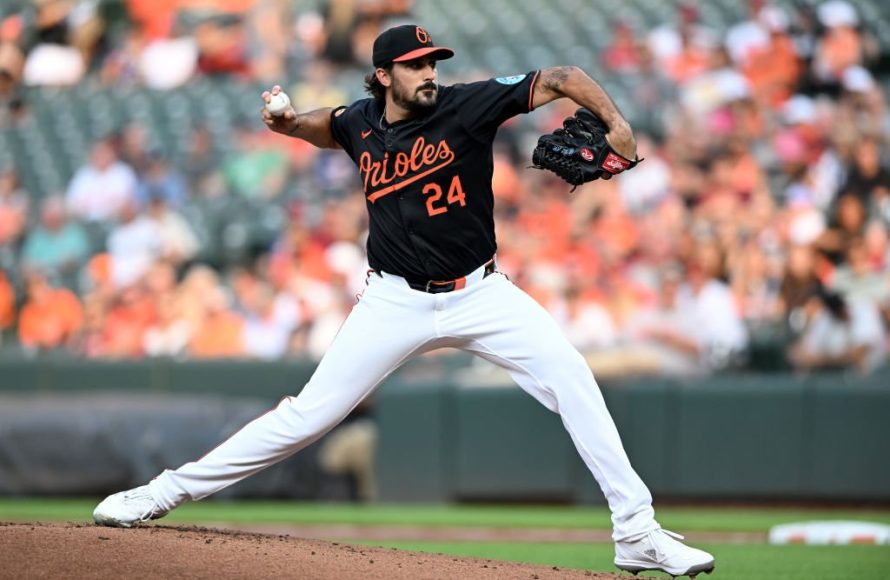
Yes, a pitcher can pitch back to back games, but it is highly dependent on several factors.
The question, can a pitcher pitch back to back games, sparks much debate among baseball fans and analysts. The physical demands on a pitcher’s arm are considerable, making consecutive appearances a risky proposition. It truly is a case-by-case scenario, often influenced by pitch count, individual conditioning, and the specific game situation. Overuse can significantly increase the likelihood of injury.

Can a Pitcher Pitch Back to Back Games?
The question of whether a pitcher can pitch in back-to-back games is a big one in baseball. It’s like asking if a superhero can fight crime two days in a row! The simple answer is yes, pitchers can pitch in consecutive games, but it’s not that straightforward. There are many things to think about like a pitcher’s health, their specific role, and the overall strategy of the team. Let’s dive into all the details.
Understanding Pitcher Roles
Before we talk about back-to-back games, it’s good to understand different pitcher types. Think of them like different types of tools in a toolbox. Each has a specific job:
- Starting Pitchers: These are the guys who start the game. They usually pitch for many innings, throwing lots of pitches. They are like the main characters in a movie.
- Relief Pitchers: These pitchers come into the game after the starting pitcher. There are different types of relief pitchers. Some are called ‘set-up men,’ who help bridge to the closer, and some are called ‘closers,’ who usually pitch the final inning. They are like the sidekicks that come in at crucial moments.
These roles play a big part in whether a pitcher might be asked to pitch in back-to-back games. Starters rarely pitch on back-to-back days, while relief pitchers, especially those with shorter stints, often do. So a pitcher’s role and their usual routine are key factors in this decision.
Why Pitching in Back-to-Back Games is Tricky
Pitching is hard work! It’s not just about throwing a ball. It involves a lot of strength, stamina, and precise movements. When a pitcher throws, their arm muscles, tendons, and ligaments are working very hard. It’s like a machine running at full speed. Just like a machine, the arm needs time to cool down and rest. Asking a pitcher to pitch in back-to-back games without proper rest can lead to many problems:
- Fatigue: When muscles get tired, they don’t work as well. A tired arm can’t throw as hard or as accurately. It’s like trying to run a race when you haven’t slept well.
- Increased Injury Risk: Fatigue makes a pitcher more likely to get hurt. They might strain a muscle, damage a tendon, or even injure a ligament like the ulnar collateral ligament, often resulting in Tommy John surgery, a major procedure. Imagine trying to bend a dried-out twig – it snaps easily. That’s like a tired arm.
- Reduced Performance: Even if they don’t get hurt, a tired pitcher often can’t pitch as well. Their fastball might be slower, and their control might be off. They might struggle to throw strikes, letting more batters get on base.
So, asking a pitcher to pitch in consecutive games requires careful thought. It’s not just about wanting to win; it’s about protecting the pitcher’s health and their future career.
The Science Behind Arm Fatigue
Let’s look at the science for a moment. When a pitcher throws, their muscles produce waste products like lactic acid. This lactic acid makes the muscles feel sore and tired. Pitching also causes tiny tears in muscle fibers. It’s similar to doing a lot of exercise. These muscles and tissues need time to repair themselves. Rest allows the body to remove lactic acid and to rebuild the muscle fibers. If the body does not get enough rest, it struggles to keep up with repairs, increasing fatigue and injury potential. This concept, often referred to as recovery, is critical in preventing a pitcher from suffering an injury or a drop in performance.
When Do Relief Pitchers Pitch in Back-to-Back Games?
While starting pitchers rarely pitch in consecutive games, relief pitchers do this more often. Here’s when you’re most likely to see a relief pitcher work on consecutive days:
- Low Pitch Count: If a relief pitcher throws only a few pitches in one game, they might be able to pitch the next day. Think of it like a quick jog versus a long run.
- Short Outings: If they only pitch for an inning or less, it’s less stressful on their arm. This is especially true for closers or the setup men who usually just pitch one inning.
- Urgent Situations: Sometimes, a manager might ask a reliever to pitch back-to-back because the team really needs a win, or if they have a shortage of available pitchers. They might need their best pitcher in a really close game and use him again the next day.
It is important to understand that even with these factors, managers and coaches are very careful about this. They closely monitor a pitcher’s pitches thrown, and how they are performing to avoid any issues. The medical staff and trainers also have a key role in making sure a pitcher is healthy enough to pitch.
The Role of the Bullpen
The bullpen is a very important part of any baseball team. The bullpen is essentially the relief pitchers waiting to enter the game. Managers must think strategically about bullpen use. They need to make sure they don’t overwork their pitchers. Keeping the bullpen healthy is as important as keeping the starting pitchers healthy. A strong bullpen helps to win games. A tired or injured bullpen can lead to a lot of problems.
Factors Influencing a Pitcher’s Availability
Several things affect whether a pitcher can pitch in back-to-back games. These are the key things coaches and managers consider:
- Age and Experience: Younger pitchers may not be as able to handle back-to-back games. They might not have the same physical development as older more experienced pitchers. Older more seasoned pitchers might be more accustomed to such scenarios but are also at a higher risk of injuries.
- Pitch Count: This is the number of pitches a pitcher has thrown. A high pitch count in one game means the pitcher likely needs extra rest.
- Type of Pitches: Throwing a lot of breaking balls (curveballs, sliders) can be harder on the arm than fastballs. Breaking balls require more wrist and elbow action.
- Individual Pitcher: Some pitchers are more durable than others. Some can pitch more frequently without tiring as much, while others need more rest. This often comes down to the individual build and conditioning of a pitcher.
- Recent History: Has the pitcher been pitching a lot recently? Are they recovering from a previous injury? A pitcher who has been frequently used recently, is likely to be more tired.
- Game Situation: Is the game a must-win situation? Sometimes, a manager might take a risk to win, even if it means overusing a pitcher.
Managers and coaches use all this information to make the best decisions for each game and for the season as a whole. It’s a lot to keep track of!
The Evolution of Pitching Strategies
Over the years, baseball has changed quite a bit. In the past, it wasn’t uncommon to see pitchers pitch complete games regularly. This means they would pitch the entire game by themselves. Today, this happens far less frequently. The modern game is different because of a greater understanding of arm health and injury prevention. Managers and coaches now have better ways of monitoring pitch counts and fatigue, and they have developed more complex pitching strategies. The game is much more focused on protecting players.
The Role of Pitch Tracking Technology
Modern technology helps teams make smarter decisions. Devices like radar guns and pitch tracking systems help to measure the speed and movement of a pitcher’s pitches. This can provide very useful data to coaches and trainers. Teams can use this to monitor a pitcher’s workload, and this helps to prevent injuries and improve performance. This technology lets teams take a data-driven approach to pitcher management which helps them to make informed and sensible decisions. They aren’t simply guessing what might happen. The tech gives them the actual information to base their choices upon.
The Risks and Rewards of Back-to-Back Games
There’s a balance to be found between winning and taking care of a pitcher. On one hand, asking a pitcher to pitch in back-to-back games might help you win a game today. On the other hand, it might increase the chance of injury in the future. Here are the main risks and rewards to think about:
Risks:
- Injuries: Increased fatigue significantly increases the chances of getting injured.
- Poor Performance: Tired pitchers won’t perform at their best, which can lead to giving up runs and losing the game.
- Long-Term Damage: Overusing a pitcher can lead to problems that might affect their whole career.
Rewards:
- Winning Games: Using your best pitchers in crucial situations can help win close games.
- Short-Term Success: In the short-term, a pitcher throwing back-to-back may improve the chances of winning.
- Maintaining Momentum: Sometimes, using the same reliever back-to-back can maintain the rhythm and flow of the game.
These risks and rewards require managers and coaches to think strategically. They have to balance the immediate needs of the team with the long-term health of their players.
Real-World Examples
You can often see relief pitchers pitching back-to-back days. For example, a closer may throw just 10 pitches to finish a game. They would then be available to pitch the next day as well. You will very rarely, if ever, see a starting pitcher throw on back-to-back days. Starting pitchers are simply not designed to throw every day like relief pitchers are. While these are general practices, you also see cases of an overworked pitcher getting injured and having their career affected by it. This is why teams are always conscious about pitcher usage.
What Happens if a Pitcher is Overused?
Overusing a pitcher is a very real problem in baseball. If a pitcher is used too frequently or without enough rest, a few things can happen:
- Injury: As stated many times, an overworked pitcher is more likely to suffer an injury. This can range from a minor muscle strain to a serious ligament tear.
- Burnout: A pitcher who is consistently overused can start to feel worn out, both physically and mentally. This can affect their performance and their love of the game.
- Decline in Performance: Overused pitchers will experience a decline in their ability to throw hard and have good control. They can lose their edge and struggle to compete.
- Loss of Opportunity: An injured or burned-out pitcher cannot help the team. Overusing a pitcher can actually hinder a team’s chances of success.
Coaches are very careful not to overwork their pitchers. They need to protect their players and make sure they can stay healthy and effective throughout the season.
In summary, while pitchers can pitch back-to-back games, it’s a complicated decision that depends on a lot of factors, such as the type of pitcher, the number of pitches they’ve thrown, and their overall health and condition. It is about carefully managing each pitcher to help them succeed and stay healthy. So it’s a combination of science, strategy, and knowing the limitations of the human body.
Throwing The Ball Back To The Pitcher
Final Thoughts
Whether a pitcher can pitch back to back games depends heavily on many things like their role and game situation. Relief pitchers might do it, but starting pitchers almost never will. Managerial decisions weigh heavily on player health.
Pitching back-to-back often risks injury and decreased effectiveness. Teams prioritize long-term health. The main question remains: can a pitcher pitch back to back games? It’s usually not a good plan for most, especially starters.

